SYSTEM SERVICING
Commercial Solar Panel Maintenance Is More Than Cleaning
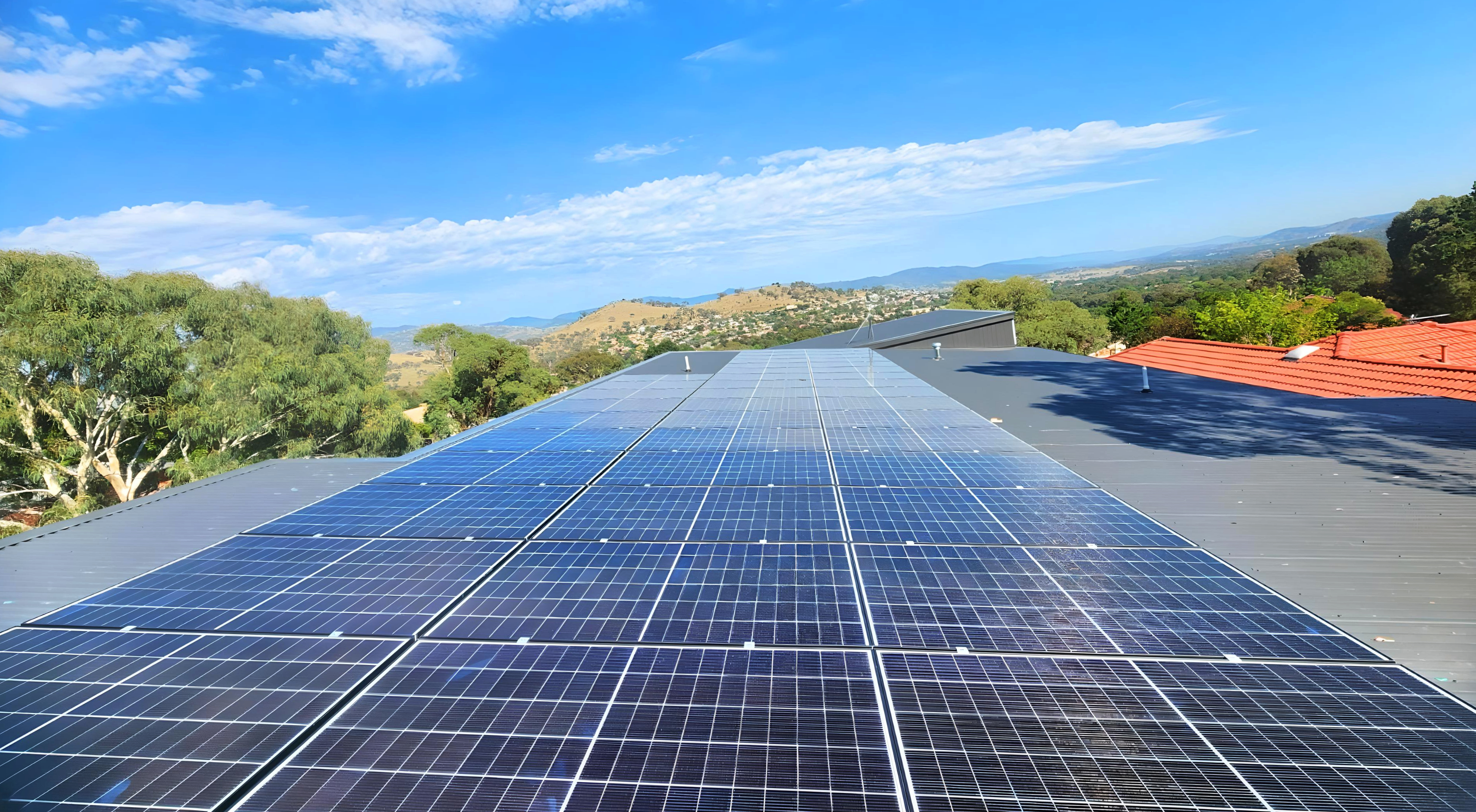
Solar panels have no moving parts, but the overall solar system contains electrical, structural and electronic components that operate outdoors for years.
A proper commercial solar panel maintenance program can consider:
- module condition
- visible damage
- dirt and debris
- mounting systems
- roof penetrations
- cabling
- connectors
- isolators
- inverter operation
- system alarms
- monitoring performance
- switchboards
- electrical protection
- signage
- shutdown procedures
- battery systems where installed.
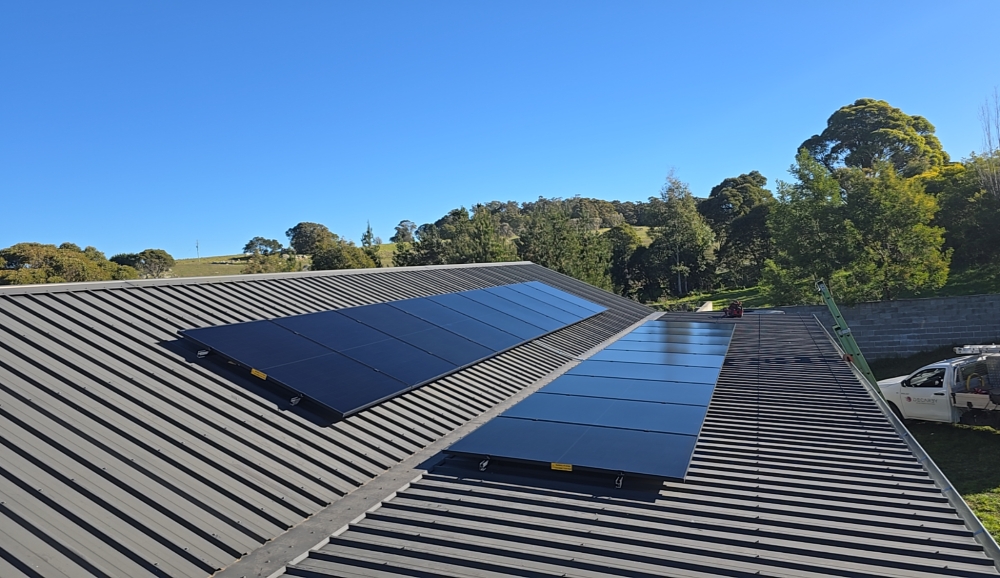
This is why commercial solar maintenance should be approached as system servicing rather than a periodic panel wash.
The Clean Energy Council recommends following the maintenance schedule provided by the solar retailer or installer and notes that servicing may include system inspection and testing, electrical checks, inverter fault review, debris removal and checks that isolators and emergency shutdown procedures remain accessible and clearly displayed.
For a commercial property, that broader approach matters because even a relatively small fault can remain unnoticed if no one is actively reviewing system performance.
WHY IT MATTERS
Why Commercial Solar System Maintenance Matters
A solar system can continue operating even when part of it is underperforming.
That can make faults difficult to notice.
A business may still see solar generation on its monitoring portal while:
- one inverter has stopped operating
- one string is underperforming
- a communications fault is hiding system data
- modules are heavily soiled
- shading conditions have changed
- an isolator has deteriorated
- a connector is damaged
- output has fallen gradually over time.
The electricity bill alone may not make the cause obvious.
Regular commercial solar system maintenance gives the business an opportunity to compare what the system is doing with what should reasonably be expected.
The commercial value is not maintenance for its own sake.
It is protecting:
- energy generation
- system availability
- electrical safety
- equipment life
- the original investment.
MAINTENANCE SCOPE
What Commercial Solar Maintenance Can Include
The scope of maintenance depends on the site, system size, equipment and operating environment.
A commercial inspection may include several areas.
Visual Inspection
The system can be checked for visible signs of:
- damaged modules
- cracked glass
- debris
- excessive soiling
- corrosion
- loose components
- damaged conduit
- cable deterioration
- equipment damage.
A visual inspection can also identify environmental changes that were not present when the system was installed.
For example, nearby vegetation may now create additional shading.
Inverter Review
The inverter is one of the most important components in the solar system.
Maintenance can include checking:
- operational status
- warning lights
- fault codes
- historical alarms
- production data
- communications
- physical condition
- ventilation.
Inverters typically have shorter service lives than solar modules, so their condition becomes increasingly important as commercial systems age. The Clean Energy Council notes that solar modules can have long design lives while inverters commonly have shorter operating lifespans.
Electrical Checks
Qualified electrical testing may be required to verify that system components continue operating correctly.
Depending on the system and scope, this can include checking:
- isolators
- protection devices
- connections
- cables
- switchboards
- inverter circuits
- earthing
- signs of heat damage
- deterioration.
Solar PV is electrical infrastructure.
Fault investigation and electrical servicing should therefore be carried out by appropriately qualified people.
Monitoring and Performance Review
Monitoring data can provide an early indication that something has changed.
A performance review may examine:
- daily generation
- monthly generation
- inverter output
- production trends
- communications outages
- unexplained drops in output.
A single low-generation day may simply reflect poor weather.
A persistent change across several weeks may warrant investigation.
Context matters.
PANEL CLEANING
Commercial Solar Panel Maintenance and Cleaning
Cleaning is one component of commercial solar panel maintenance, but it should not automatically be treated as the entire maintenance program.
How often panels require cleaning depends on site conditions.
Factors can include:
- dust
- bird activity
- industrial residue
- nearby construction
- roof pitch
- rainfall
- trees
- coastal conditions
- agricultural activity.
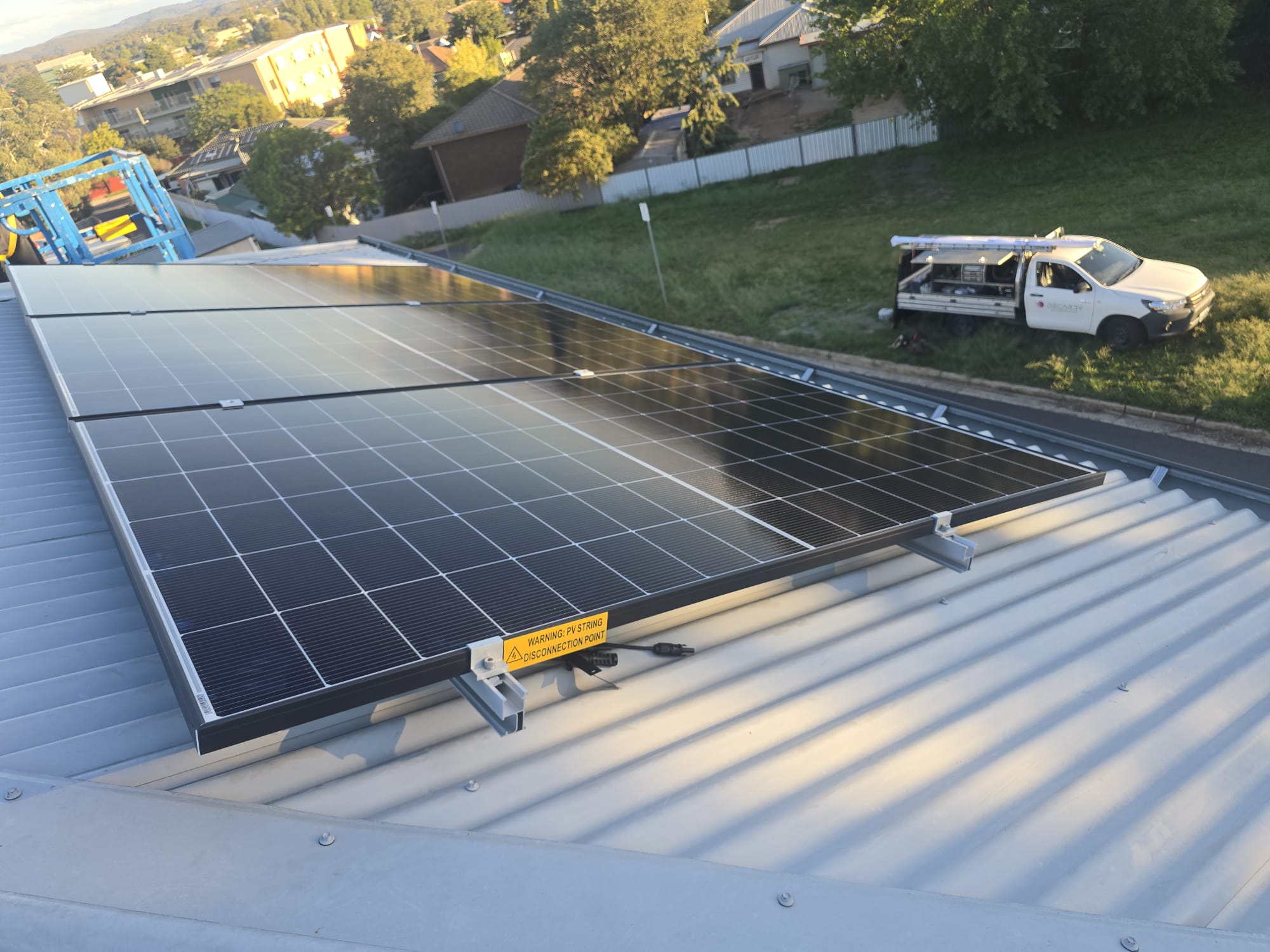
A heavily exposed industrial roof may require more attention than a clean, steeply pitched roof in another environment.
The right question is not:
"How often should every commercial solar system be cleaned?"
It is:
"Is contamination materially affecting this particular system?"
Cleaning should be performed safely and using methods appropriate for the solar equipment and roof environment.
PERFORMANCE
Solar Energy Maintenance and System Performance
Good solar energy maintenance starts with knowing what normal performance looks like.
Solar output naturally changes because of:
- season
- cloud cover
- temperature
- shading
- daylight hours.
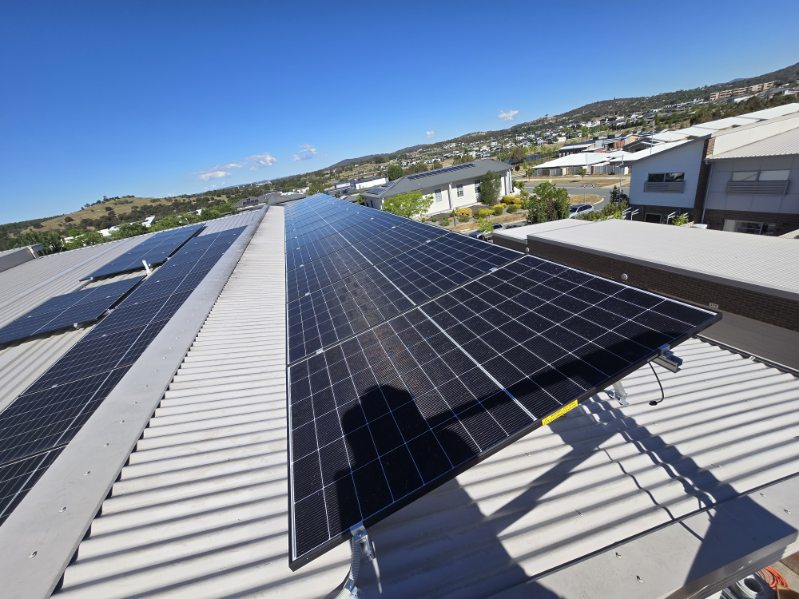
A lower winter month is therefore not automatically evidence of a fault.
The useful comparison is against:
- similar weather periods
- historical system performance
- inverter behaviour
- expected seasonal output
- comparable parts of the system.
For larger commercial systems, performance monitoring can help identify changes earlier than relying solely on electricity bills.
COMMON ISSUES
Common Commercial Solar Problems Worth Investigating
Commercial solar systems can develop different issues over time.
Examples include:
Inverter Faults
An inverter may shut down or operate intermittently.
String Underperformance
Part of the array may produce less than expected even while the rest of the system continues operating.
Monitoring Failure
The solar system may still generate electricity while its online monitoring stops reporting correctly.
Soiling and Debris
Dust, leaves, bird contamination or industrial residue can reduce the light reaching panels.
Physical Damage
Weather, roof works or other site activities can damage equipment.
Shading Changes
Tree growth, new structures or rooftop equipment can change solar access.
Electrical Deterioration
Outdoor electrical components are exposed to temperature, moisture and environmental conditions for many years.
Finding these issues early can limit both generation loss and the risk of more extensive repair.
INDUSTRIAL SITES
Industrial Solar Maintenance for Larger Sites
Industrial solar maintenance often involves additional operational and safety considerations.
Warehouses, factories, logistics facilities, processing sites and large commercial buildings may have:
- large rooftop arrays
- multiple inverters
- several distribution boards
- complex electrical infrastructure
- restricted roof access
- production schedules
- high-voltage interfaces
- critical operating areas.
Maintenance planning may therefore need to account for:
- safe access
- shutdown windows
- site inductions
- production schedules
- working-at-heights requirements
- isolation procedures
- coordination with facility managers.
For these sites, maintenance is best treated as part of asset management rather than an occasional callout.
SERVICE APPROACH
Solar Panel Maintenance Services for Commercial Properties
Professional solar panel maintenance services can help a business move from reactive fault repair toward planned asset care.
A structured service approach may include:
Scheduled Inspection
Periodic visual and electrical review.
Performance Checks
Comparison of actual system output against expected behaviour.
Fault Investigation
Diagnosis of alarms, unexplained output loss or monitoring issues.
Cleaning Where Required
Removal of contamination when site conditions justify it.
Repair Recommendations
Identification of components that may require repair, replacement or further testing.
Maintenance Records
Documentation can help facility managers track the condition and history of the system.
The exact scope should be matched to the size, age and complexity of the asset.
INVERTER SERVICING
Commercial Solar Maintenance and Inverter Servicing
Inverters deserve particular attention because they sit at the centre of system operation.
They convert the DC electricity generated by the solar array into AC electricity that the building can use.
If an inverter stops operating, a significant portion of the solar system may stop producing usable electricity.
Potential warning signs include:
- fault lights
- repeated shutdowns
- error messages
- unusual noise
- communication failure
- unexplained generation loss.
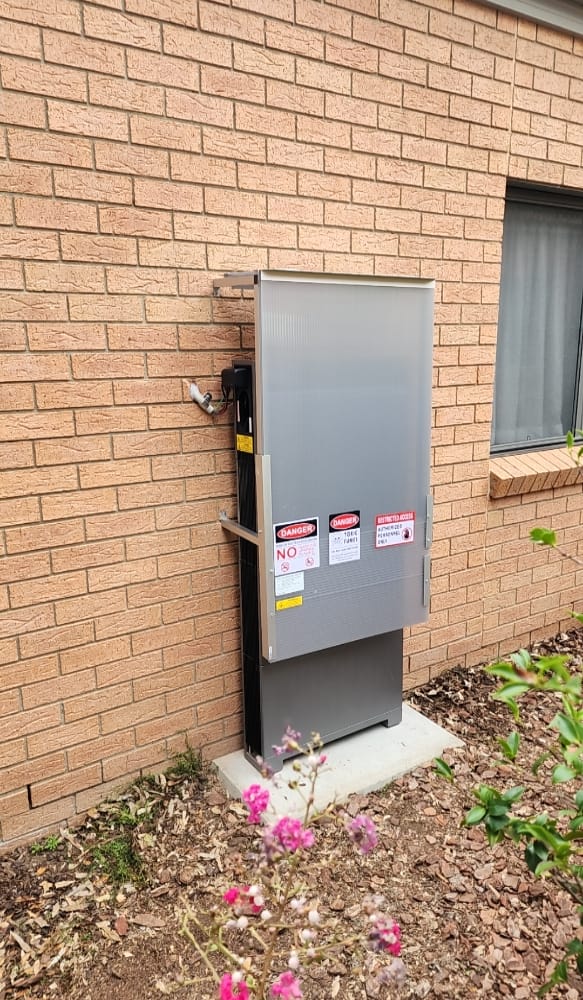
Some issues can be identified through monitoring.
Others require onsite investigation.
As equipment ages, maintenance planning should also account for the possibility of component replacement rather than assuming every part of the original system will last as long as the panels.
BATTERY SERVICING
Solar Battery Servicing for Sites With Energy Storage
Businesses with batteries should consider solar battery servicing as part of the broader energy-system maintenance plan.
Battery systems add additional equipment including:
- battery modules
- battery management systems
- inverters
- communications
- isolation equipment
- control systems.
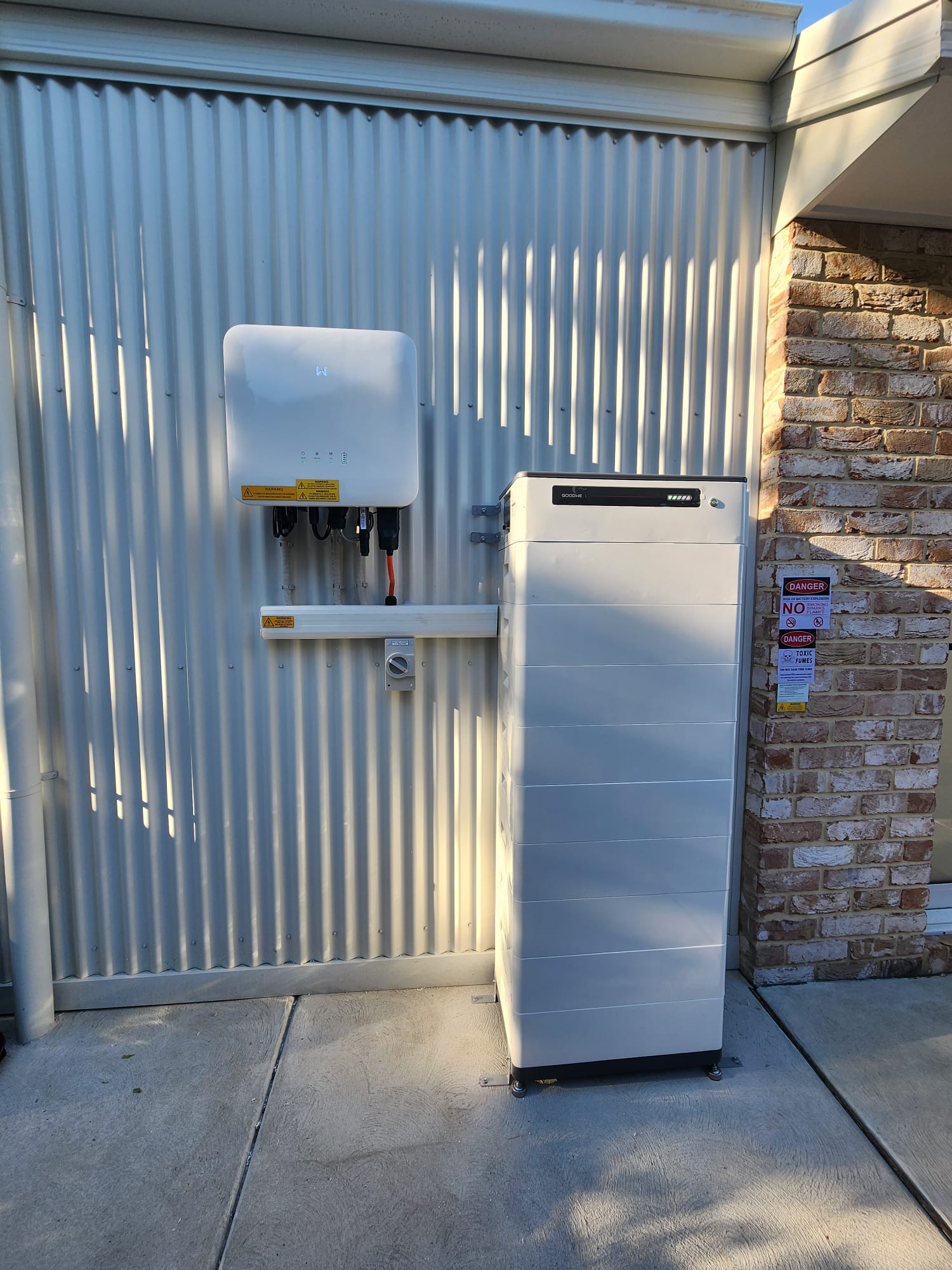
Maintenance may involve reviewing:
- fault logs
- battery status
- communications
- charge and discharge behaviour
- operating temperature
- system alarms
- backup operation where applicable.
Battery work requires particular attention to manufacturer procedures, electrical safety and applicable standards.
For sites using solar and storage together, the two systems should not be treated as unrelated assets.
A fault in control or communications can affect how effectively the overall energy system operates.
AFTER ROOF WORKS
Commercial Solar System Maintenance After Roof Works
Roof work is an important maintenance trigger.
Commercial roofs may undergo:
- waterproofing
- HVAC replacement
- skylight work
- roof repairs
- communications installation
- mechanical upgrades.
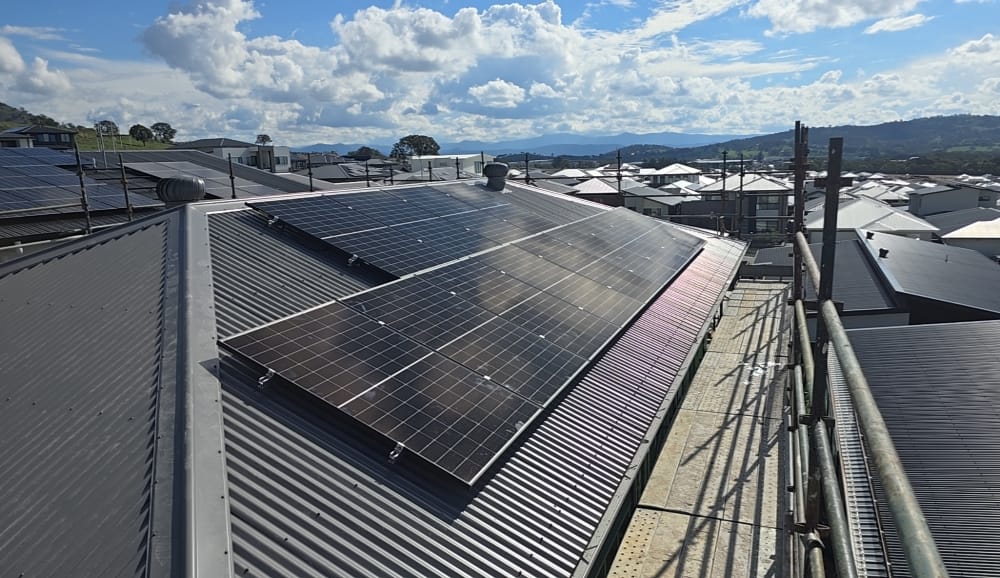
These activities can take place around existing solar infrastructure.
After significant roof works, it can be worth checking that:
- panels have not been damaged
- cables remain properly supported
- isolators and equipment remain accessible
- mounting components have not been disturbed
- monitoring still operates correctly.
Solar equipment can also affect access for other building trades.
Coordination between solar technicians and facility contractors can reduce avoidable damage.
AFTER SEVERE WEATHER
Commercial Solar Maintenance After Severe Weather
Storms, hail, high winds and other severe weather can justify additional inspection.
Visible panel damage should not be the only concern.
Weather events can potentially affect:
- modules
- mounting
- cabling
- roof penetrations
- isolators
- inverter equipment.
If the system shows unusual alarms or a significant production change after a weather event, further investigation may be appropriate.
Safety should come first.
Damaged electrical solar equipment should not be handled by unqualified personnel.
MAINTENANCE FREQUENCY
How Often Should a Commercial Solar System Be Maintained?
There is no universal schedule that is appropriate for every commercial property.
The Clean Energy Council recommends following the maintenance schedule provided by the system's retailer or installer.
The appropriate interval can depend on:
- manufacturer requirements
- system age
- system size
- roof environment
- local contamination
- equipment type
- monitoring capability
- previous faults
- site risk.
A newer, well-monitored system in a relatively clean environment may require a different maintenance approach from an older industrial array exposed to dust, residue or heavy site activity.
The maintenance plan should reflect the asset.
OLDER SYSTEMS
Commercial Solar Maintenance for Older Systems
As a system ages, maintenance can increasingly shift from basic inspection toward lifecycle planning.
Questions may include:
- Are the inverters approaching replacement age?
- Are replacement parts still available?
- Is the monitoring platform still supported?
- Are there repeated faults?
- Has system output changed materially?
- Does the system still match the building's electricity profile?
- Would repowering part of the system make sense?
Older systems are not automatically obsolete.
In many cases, repairing or upgrading a functioning solar asset can be more sensible than replacing the entire system.
The Clean Energy Council has also highlighted the importance of extending the operational life of solar assets rather than prematurely removing functioning systems.
NEXT STEPS
Repair, Upgrade or Replace?
Maintenance can reveal that a system needs more than routine servicing.
The next step should depend on the condition of the asset.
Repair
Appropriate where a specific fault can be economically corrected.
Upgrade
Useful where part of the system has aged or where monitoring, inverters or other infrastructure can be improved.
Expand
Relevant where the business now uses more electricity or is introducing new loads such as EV charging.
Repower
Potentially appropriate where older equipment no longer provides the required performance but parts of the existing infrastructure remain useful.
Replace
Sometimes justified when the system has extensive faults, outdated components or significant compatibility limitations.
The right decision should be based on condition, cost, safety and expected future value.
BUSINESS CONTINUITY
Solar Maintenance Services and Business Continuity
Good solar maintenance services can also help businesses plan work around operations.
A facility may not want solar equipment switched off during:
- production peaks
- customer trading hours
- critical processes
- scheduled events.
Maintenance can therefore be coordinated with:
- facility management
- electrical teams
- operations
- safety personnel.
For larger sites, planned maintenance windows are generally preferable to unexpected equipment failure.
MONITORING VS MAINTENANCE
Monitoring Is Not the Same as Maintenance
Remote monitoring is useful.
It is not a substitute for physical inspection.
A monitoring portal can show:
- energy production
- inverter status
- faults
- communication issues.
But it may not reveal:
- physical panel damage
- loose equipment
- cable deterioration
- roof issues
- blocked access
- visible corrosion.
The strongest approach combines performance monitoring with onsite inspection where appropriate.
ENGINEERING-LED
Engineering-Led Commercial Solar Maintenance
Decarby approaches maintenance as part of the wider performance of the property.
We look beyond whether the inverter display is simply showing "on."
Depending on the project, we may consider:
- expected generation
- historical performance
- electrical condition
- equipment age
- building changes
- energy usage
- solar expansion
- batteries
- EV charging
- future electrification.
That matters because the role of a solar system can change over time.
A business may have installed solar five years ago and since added:
- new equipment
- longer operating hours
- electric vehicles
- battery storage
- additional buildings.
Maintenance can be an opportunity to ask whether the existing energy asset still matches the site.
WHY DECARBY
Why Work With Decarby?
Commercial Energy Experience
Decarby understands solar as part of the building's wider energy system.
Engineering-Led Assessment
We focus on performance, electrical infrastructure and practical site conditions rather than treating maintenance as cleaning alone.
Solar and Battery Capability
Where storage is installed, both generation and energy-storage equipment can be considered as part of the wider system.
Performance-Focused Advice
If a system is underperforming, the objective is to understand why.
Practical Repair Recommendations
Not every fault requires replacing the entire system. Where appropriate, repair, upgrade or staged replacement can be considered.
Future Energy Planning
Maintenance can also identify opportunities to integrate future solar expansion, batteries or EV charging.
OUR PROCESS
Our Commercial Solar Maintenance Process
01. Understand the Existing System
We begin with available information such as:
- system size
- installation age
- inverter type
- panel type
- monitoring platform
- previous maintenance
- known faults.
02. Review Performance
Where monitoring information is available, we look for:
- unexplained production changes
- inverter faults
- communications issues
- unusual trends.
03. Inspect the Site
The inspection can review the physical condition and accessibility of relevant solar equipment.
04. Perform Appropriate Testing
Where required, qualified testing can be used to investigate electrical or operational concerns.
05. Identify Maintenance or Repair Needs
We separate:
- routine maintenance
- faults
- repairs
- replacement needs
- upgrade opportunities.
06. Provide Clear Recommendations
The business should understand:
- what was found
- what needs attention
- what is urgent
- what can be planned
- what may improve performance.
07. Support Ongoing Asset Care
For suitable commercial sites, maintenance can form part of an ongoing servicing strategy rather than relying entirely on reactive callouts.
FREQUENTLY ASKED QUESTIONS
Commercial Solar Maintenance FAQs
What does commercial solar maintenance include?
The scope depends on the system.
It can include:
- panel inspection
- debris and soiling assessment
- inverter review
- fault-code checks
- electrical testing
- isolator inspection
- cabling checks
- monitoring review
- system performance assessment
- maintenance reporting.
Panel cleaning may be included where conditions justify it, but cleaning alone is not a complete maintenance program.
How often should commercial solar panels be serviced?
There is no single servicing interval for every system.
The Clean Energy Council recommends following the maintenance schedule supplied by the installer or retailer.
System size, manufacturer requirements, operating environment, age and previous faults can all influence the appropriate frequency.
High-dust or industrial environments may require a different maintenance approach from cleaner commercial locations.
Do commercial solar panels need regular cleaning?
Sometimes.
Rain can remove some surface contamination, but it may not address all:
- dust
- bird droppings
- industrial residue
- leaves
- persistent grime.
Cleaning frequency should depend on site conditions and whether soiling is materially affecting performance.
Commercial solar systems should not automatically be put on an aggressive cleaning schedule without evidence that it is necessary.
How do I know whether my solar system is underperforming?
Possible indicators include:
- lower production than comparable periods
- inverter faults
- unusually high grid electricity consumption
- missing monitoring data
- one inverter producing less than others
- sudden changes after roof work or severe weather.
Weather and seasonal differences also affect production, so performance needs to be interpreted in context.
Does commercial solar maintenance prevent every system failure?
No.
Maintenance cannot guarantee that equipment will never fail.
Its purpose is to help identify deterioration, faults and performance changes earlier and to ensure the system receives appropriate servicing over its operating life.
Some electronic components will eventually require repair or replacement regardless of maintenance.
What happens if a solar inverter fails?
The affected part of the system may stop converting solar energy into usable AC electricity.
For systems with multiple inverters, other parts of the array may continue operating.
The fault should be diagnosed before deciding whether the inverter can be repaired, needs replacement or has another underlying issue.
Can Decarby maintain a solar system installed by another company?
Existing systems can be assessed even where Decarby was not the original installer, subject to the condition of the system, available information and scope of work required.
It is useful to provide any available:
- installation documents
- equipment details
- monitoring access
- previous service records
- warranty information.
Is solar cleaning enough to maintain a commercial system?
No.
Cleaning can be useful when panels are significantly contaminated, but a full maintenance approach can also involve inverter checks, monitoring, electrical components and physical system condition.
A clean array can still have an electrical or inverter fault.
Should solar be inspected after a storm?
An additional inspection may be appropriate after significant hail, wind or other severe weather, particularly if there is visible damage or a sudden change in production.
Electrical solar equipment should not be inspected or handled by unqualified personnel where damage is suspected.
Should solar be checked after roof repairs?
Yes, particularly when contractors have worked near panels, cables, isolators or mounting equipment.
Roof work can disturb existing solar infrastructure.
A post-work check can help confirm the system is operating correctly and that equipment remains secure and accessible.
Can maintenance improve solar output?
Maintenance can restore lost production where underperformance is caused by an issue that can be corrected.
Examples could include:
- inverter faults
- excessive contamination
- damaged components
- communication problems
- other system defects.
Maintenance cannot increase solar irradiance or eliminate normal seasonal variation.
How long do commercial solar systems last?
Solar modules are designed for long operating lives, but individual components can have different lifespans.
Inverters, communications equipment and other electronic components may require attention or replacement earlier than the panels.
System life therefore depends on more than the panel warranty alone.
Ongoing inspection and servicing can help inform repair and replacement planning.
Can old commercial solar systems be upgraded?
Yes, depending on the existing equipment and site.
Possible upgrades can include:
- inverter replacement
- improved monitoring
- additional solar capacity
- battery storage
- electrical upgrades.
Compatibility, network requirements and the condition of the existing system need to be assessed first.
Can Decarby service commercial solar and batteries together?
Where a site has both solar and battery storage, the systems can be considered together because their controls, inverters and operating strategy may interact.
Battery maintenance needs to follow relevant manufacturer and safety requirements.
Monitoring both technologies can also help identify whether the overall energy system is behaving as expected.
What records should a business keep for its solar system?
Useful records can include:
- original design documents
- equipment specifications
- warranties
- commissioning information
- inverter details
- monitoring access
- maintenance history
- repair records
- network approvals.
Keeping these documents can make future fault diagnosis, warranty work and upgrades easier.
Does commercial solar maintenance require the system to be shut down?
Some inspections can be performed while the system remains operating.
Other testing or repair activities may require appropriate shutdown and isolation.
The exact procedure depends on the task and system architecture.
For commercial sites, shutdown requirements can be planned around operational constraints where possible.
Is commercial solar maintenance worth it?
For a business with a significant solar asset, maintenance can help protect the value of the original investment.
The business case comes from reducing the risk of:
- unnoticed lost generation
- extended equipment downtime
- avoidable deterioration
- unresolved faults.
The appropriate level of maintenance should still reflect the size, age and complexity of the system.
Protect the Performance of Your Solar Asset
Commercial solar system maintenance should give you confidence that the system is safe, operating correctly and continuing to perform its role within the business.
Decarby can help assess existing commercial solar systems, investigate underperformance and identify maintenance, repair or upgrade priorities.
Whether your system is relatively new, approaching inverter replacement age, operating alongside batteries or simply not producing what you expect, we can help determine the next practical step.
Not Sure What System You Need?
You don't need to have the answer before you call us.
Tell us about your home, your electricity use and what you're hoping to achieve. We'll help you work through what makes sense whether that's solar now, solar and battery together, or a system designed so you can add more later.
Practical advice. No sales pressure.