
Battery Storage
CQ6 Series
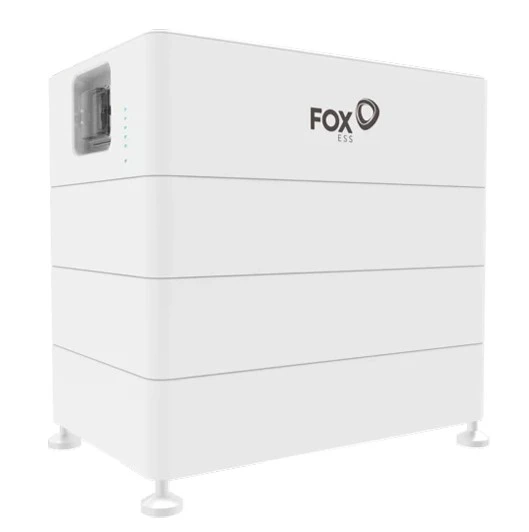
FOX ESS CQ6-L9 53.91 kWh Battery Storage
The FOX ESS CQ6-L9 is a modular high-voltage battery storage system with a nominal energy capacity of 53.91 kWh. Built using lithium iron phosphate (LiFePO4) battery technology, the CQ6-L9 is designed for larger residential and commercial solar storage applications where energy demand, system compatibility and future capacity requirements need careful consideration. Its modular construction allows the system to be configured within the broader CQ6 battery family, while installation suitability depends on the connected inverter, site conditions and electrical design.
Key information
- Product Code
- CQ6-L9
- Brand
- Fox ESS
- Battery Capacity
- 53.91 kWh
- Battery Chemistry
- LiFePO4
- Product Warranty
- Covered under Fox ESS AU Battery Warranty Policy V2.6
- Performance Warranty
- 12 years or 271.26 MWh throughput (whichever first)
- Round-trip Efficiency
- ≥95% battery-pack rating
Product overview
Modular High-Voltage Battery Storage
The CQ6-L9 sits within the Fox ESS CQ6 high-voltage battery family. It is a stacked modular system rather than a single fixed cabinet, combining one CQ6-M master module with eight CQ6-S expansion modules.
Technical values on this page follow the EN CQ6 Datasheet V1.2 (20 November 2025) for electrical and mechanical figures, and the Fox ESS Australian Battery Warranty Policy V2.6 for Australian warranty terms. Other CQ6 document revisions may list different current limits or depth-of-discharge values and should not be mixed with this datasheet revision.
Product features
53.91 kWh Nominal Storage Capacity
Fox ESS lists a nominal energy of 53.91 kWh for the CQ6-L9 configuration. Nominal energy describes the rated battery-pack energy under manufacturer test conditions. It is not the same as guaranteed usable energy in every installation, which still depends on depth of discharge, operating limits, inverter settings and site conditions.
Matching battery capacity to daily and seasonal demand is part of system design. Oversizing or undersizing storage relative to generation, loads and tariff patterns can reduce the practical value of the battery.
LiFePO4 Battery Technology
The CQ6 platform uses lithium iron phosphate (LFP / LiFePO4) chemistry. LFP cells are widely used in stationary storage because of their thermal stability characteristics relative to some other lithium chemistries.
That stability does not remove the need for correct installation, clearances, ventilation, protection devices and compliance with applicable Australian battery installation standards.
Modular CQ6 Architecture
The CQ6-L9 configuration is specified as one CQ6-M master module plus eight CQ6-S expansion modules. Across the CQ6 family, Fox ESS documents modular stacks from CQ6-L2 through CQ6-L14, covering a published nominal energy range of about 11.98 kWh to 83.86 kWh.
Module count, voltage and stack height change with each configuration. An installed CQ6-L9 should not be assumed to expand indefinitely or reconfigure without checking inverter voltage windows, mechanical clearances and manufacturer expansion rules.
High-Voltage Battery Design
For CQ6-L9, the datasheet lists a nominal voltage of 518.4 V. The matching CQ Series documentation lists a battery voltage range of 469.8–591.3 V for this configuration.
High-voltage battery systems require compatible high-voltage hybrid or battery inverters, correct DC cabling and a design that keeps the battery operating window inside the inverter limits. This page does not claim universal inverter compatibility.
Battery Round-Trip Efficiency
Fox ESS rates battery-pack round-trip efficiency at greater than 95% under the datasheet note conditions of 25°C and 0.3C charge/discharge. That figure is a battery-pack rating, not a whole-system AC-to-AC efficiency.
Complete system losses also include the inverter, cabling, standby consumption and operating conditions, so installed AC round-trip performance is typically lower than the battery-pack rating alone.
Depth of Discharge
EN CQ6 Datasheet V1.2 lists a 90% depth of discharge for the CQ6 family. Depth of discharge is a manufacturer operating parameter. It does not automatically mean that 100% of the 53.91 kWh nominal energy is available in every installation.
Some alternate CQ6 manuals list different DoD values. This page stays with the selected datasheet revision rather than combining conflicting figures.
Expansion and Capacity Planning
The CQ6 family is designed as a modular stack, with the datasheet stating a maximum of 14 modules in series for the platform. Capacity planning should consider present demand, expected electrification loads and the voltage and current limits of the selected inverter.
Future expansion is only appropriate where the installed stack, inverter, switchboard and manufacturer rules still support the revised configuration.
Temperature and Environmental Protection
Datasheet V1.2 lists charging temperatures of 0°C to 55°C and discharging temperatures of -10°C to 55°C, with storage from -10°C to 50°C. An optional warm-up function extends the published operating window when enabled.
Ingress protection is listed as IP65, with natural convection cooling and outdoor or indoor stand installation as manufacturer-stated options. Final siting still needs a site-specific assessment against clearances, ambient conditions and Australian installation requirements.
Commercial and Larger Residential Applications
At 53.91 kWh nominal, the CQ6-L9 is suited to larger residential and many commercial storage designs where higher energy demand or longer discharge windows are required. Suitability still depends on load profile, solar generation, inverter selection, available space and electrical infrastructure.
Decarby designs battery systems around the property and energy goals rather than treating any single stack size as universally appropriate. Related services include residential battery storage and commercial battery storage.
Inverter Compatibility
CQ6-L9 is a high-voltage DC battery system. It must be paired with compatible Fox ESS high-voltage hybrid or battery equipment, or another inverter explicitly approved by the manufacturer for the CQ6 voltage and current window.
Compatibility should be confirmed against current Fox ESS documentation and the proposed electrical design before procurement or installation.
Monitoring and Battery Management
The CQ6 platform uses CAN communication between modules and the connected system. Datasheet V1.2 lists LED status indication on CQ6-S and CQ6-M modules.
Broader monitoring and control behaviour depends on the connected inverter, gateway and Fox ESS cloud or local monitoring setup specified for the installation.
Warranty and Long-Term Support
Under Fox ESS Australian Battery Warranty Policy V2.6, CQ6 products carry a Standard Performance Warranty of 12 years from installation (subject to the manufacture-date outer limit stated in the policy). Fox ESS warrants that the product retains at least 70% of Nominal Energy or Usable Energy for either that 12-year term or the listed minimum energy throughput, whichever occurs first.
For CQ6-L9, the V2.6 throughput table lists 271.26 MWh. The same table shows a warranty nominal energy of 53.82 kWh for CQ6-L9, which differs slightly from the 53.91 kWh nominal energy on Datasheet V1.2. Coverage also depends on successful warranty registration, operating within stated temperature limits and the other preconditions in the policy.
V2.6 does not state a separate fixed materials-only product warranty period for CQ6 that is clearly distinct from the Standard Performance Warranty. This page therefore does not invent a second warranty duration beyond the verified performance terms.
Technical details
FOX ESS CQ6-L9 Specifications
| Model | CQ6-L9 |
|---|---|
| Battery type | Lithium iron phosphate (LFP / LiFePO4) |
| Nominal energy | 53.91 kWh |
| Battery module configuration | 1 × CQ6-M master + 8 × CQ6-S expansion modules |
| Nominal voltage | 518.4 V |
| Battery voltage range | 469.8–591.3 V |
| Nominal capacity | 104 Ah |
| Recommended charge/discharge current | 50 A |
| Maximum charge/discharge current | 100 A (temperature, cell voltage and SOC dependent) |
| Peak discharge current | 110 A for 60 seconds |
| Battery-pack round-trip efficiency | ≥95% (@25°C, 0.3C charge/discharge) |
| Depth of discharge | 90% |
| Operating charge temperature | 0°C to 55°C |
| Operating discharge temperature | -10°C to 55°C |
| Storage temperature | -10°C to 50°C |
| IP protection | IP65 |
| Cooling method | Natural convection |
| Dimensions (W × D × H) | 660 × 360 × 1505 mm (± tolerance) |
| Weight | 455.2 kg (±5%) |
| Communication interfaces | CAN |
| Compatible inverter series | Compatible Fox ESS high-voltage hybrid/battery equipment only; confirm against current manufacturer compatibility documentation |
| Product warranty | Covered under Fox ESS Australian Battery Warranty Policy V2.6 (no separate CQ6 materials-only term verified) |
| Performance warranty | 12 years or 271.26 MWh throughput (whichever first), ≥70% Nominal or Usable Energy (AU Battery Warranty Policy V2.6) |
Electrical and mechanical values follow EN-CQ6-Datasheet-V1.2 (2025/11/20). Battery voltage range follows the CQ Series documentation for CQ6-L9. Performance warranty figures follow Fox ESS Australian Battery Warranty Policy V2.6. Current limits are affected by temperature, cell voltage and state of charge. These are battery-pack specifications, not AC inverter output ratings.
Manufacturer-listed standards and certifications
Safety / EMC / transport (datasheet)
- IEC 62619
- IEC 61000-6-1/2/3/4
- UN38.3
Ingress protection
- IP65
Choosing your battery
Is the FOX ESS CQ6-L9 Right for Your Project?
Battery selection should start with the property and energy goals, not the product name. Electricity consumption, solar generation, inverter compatibility, switchboard capacity, available installation space, backup requirements and future electrification plans all affect whether a 53.91 kWh high-voltage stack is appropriate.
Decarby takes an engineering-led approach to residential and commercial energy storage. We assess how a CQ6 configuration fits the complete system rather than recommending capacity from a standard package.
Your energy use
How much electricity the site uses and when that demand occurs.
Your solar system
Existing or planned solar capacity and how much surplus generation is available to store.
System compatibility
High-voltage battery and inverter compatibility must be confirmed as part of the complete design.
Space and structure
Stack height, weight, clearances and IP rating all affect where the battery can be installed.
Future expansion
EV charging, larger loads or additional storage may influence the initial CQ6 configuration.
Not Sure What System You Need?
You don't need to have the answer before you call us.
Tell us about your home, your electricity use and what you're hoping to achieve. We'll help you work through what makes sense whether that's solar now, solar and battery together, or a system designed so you can add more later.
Practical advice. No sales pressure.
Related products
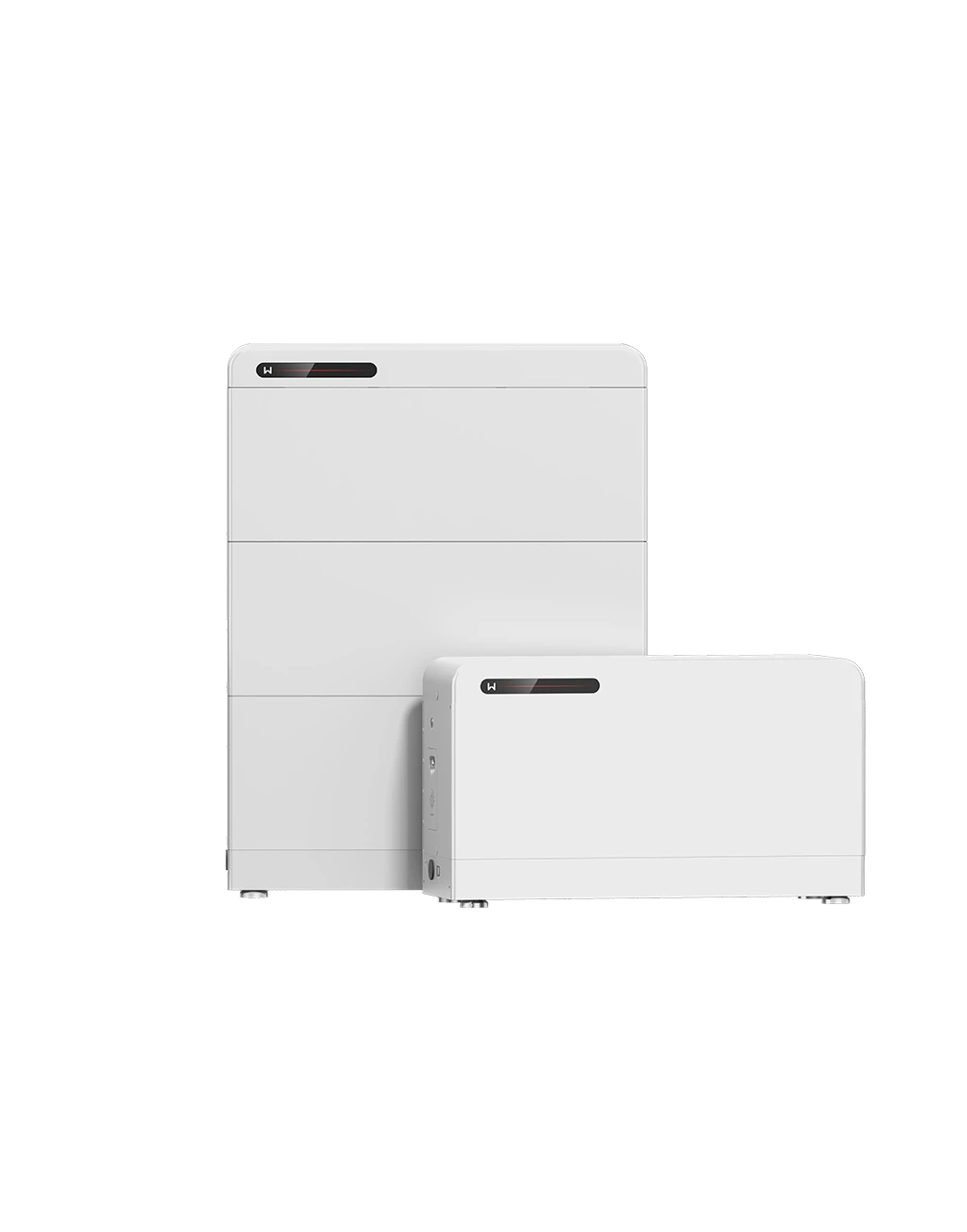
GoodWe GW8.3-BAT-D-G20 8.32kWh Battery
8.32kWh nominal / 8.0kWh usable LFP battery module for compatible GoodWe Lynx D G2 and ESA energy storage systems.
View Product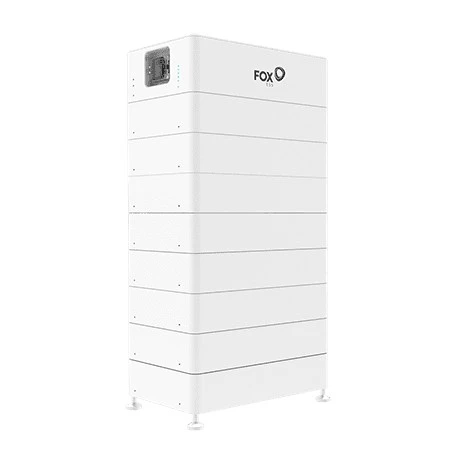
FOX ESS EQ4800-L9
41.93 kWh modular high-voltage LiFePO4 battery storage system (EQ4800-L9).
View ProductPRODUCT FAQ
Questions About the FOX ESS CQ6-L9
How much energy does the FOX ESS CQ6-L9 store?
Fox ESS lists a nominal energy of 53.91 kWh for the CQ6-L9. That is a battery-pack rating under manufacturer conditions. Available energy in a real installation depends on depth of discharge, operating limits, inverter settings and site conditions.
What modules make up a CQ6-L9 stack?
The CQ6-L9 configuration is one CQ6-M master module plus eight CQ6-S expansion modules. It is part of the wider CQ6 family with published stacks from about 11.98 kWh to 83.86 kWh nominal energy.
What voltage does the CQ6-L9 operate at?
Datasheet V1.2 lists a nominal voltage of 518.4 V for CQ6-L9. Matching CQ Series documentation lists a battery voltage range of 469.8–591.3 V. The connected inverter must support that high-voltage window.
What charge and discharge currents does Fox ESS specify?
Datasheet V1.2 lists a recommended charge/discharge current of 50 A, a maximum charge/discharge current of 100 A and a peak discharge current of 110 A for 60 seconds. Maximum current is affected by temperature, cell voltage and state of charge.
What depth of discharge does the CQ6-L9 use?
EN CQ6 Datasheet V1.2 lists 90% depth of discharge. Some alternate CQ6 manuals list different DoD values. This page follows the selected datasheet rather than mixing revisions. DoD does not guarantee that the full nominal energy is available in every installation.
What Australian warranty applies to the CQ6-L9?
Under Fox ESS Australian Battery Warranty Policy V2.6, CQ6 products have a 12-year Standard Performance Warranty subject to registration and operating conditions. For CQ6-L9, Fox ESS warrants at least 70% of Nominal Energy or Usable Energy for 12 years or 271.26 MWh throughput, whichever occurs first. A separate materials-only product warranty period for CQ6 is not clearly stated as a distinct figure in V2.6.
Will the CQ6-L9 work with any inverter?
No. It is a high-voltage battery that requires compatible equipment. Confirm the proposed inverter against current Fox ESS compatibility documentation and the CQ6 voltage and current window before design is finalised.
How large and heavy is the CQ6-L9?
Datasheet V1.2 lists dimensions of 660 × 360 × 1505 mm and a weight of 455.2 kg (±5%) for the CQ6-L9 stack. Structural support, access and clearances need to be assessed as part of the installation design.
How do I know if the CQ6-L9 suits my property?
Suitability depends on electricity use, solar generation, inverter choice, available space, switchboard capacity, backup requirements and future electrification plans. Decarby can assess these factors and advise whether CQ6-L9 or another configuration is a better fit.