
Hybrid Inverter
KH Series
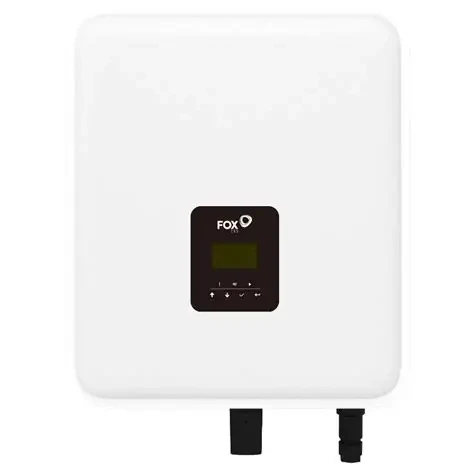
FOX ESS KH10 10kW Single-Phase Hybrid Inverter
The FOX ESS KH10 is a 10 kW single-phase hybrid inverter designed to bring solar generation, compatible high-voltage battery storage and grid electricity together in one system. As part of the Fox ESS KH Series, it provides flexible solar input configuration, intelligent energy management and backup power functionality for suitable residential installations. System performance depends on solar array design, battery compatibility, electrical connection requirements and the inverter's operating limits.
Key information
- Product Code
- KH10
- Brand
- Fox ESS
- Inverter Type
- Single-phase hybrid
- Rated AC Power
- 10 kW
- Maximum Efficiency
- 97.8%
- MPPT Trackers
- 4
- Battery Voltage Range
- 85–480 V
- Product Warranty
- 10 years, subject to Australian warranty terms
Product overview
Single-Phase Hybrid Energy Management
The KH10 is a specific 10 kW hybrid model within the Fox ESS KH/KA family. It is not the KA10 AC-coupled model, not the KH10.5, and not a three-phase H3 Smart inverter. Electrical values on this page are taken from the KH10 column of the Australian KH/KA datasheet.
Technical figures follow EN-KH-KA-Datasheet(AU)-V1.6. The local AU PDF used here is the 20 August 2026 manufacturer upload of that V1.6 family, which remains consistent with the 9 October 2025 V1.6 KH10 electrical column for the core ratings documented below. Australian warranty coverage follows the Fox ESS Inverter Warranty Policy for Australia and New Zealand, which expressly lists KH10.
Product features
10 kW Single-Phase Hybrid Inverter
Fox ESS rates the KH10 at 10 kW nominal AC power, with maximum apparent AC power of 10.5 kVA. It is intended for single-phase residential and light commercial systems where solar, battery storage and grid connection need coordinated control.
The appropriate inverter rating still depends on site demand, solar array size, battery plans and network connection limits.
Solar, Battery and Grid Integration
As a hybrid inverter, the KH10 can convert PV energy for local loads, charge a compatible high-voltage battery and exchange power with the grid according to the configured work mode.
Manufacturer work modes include self-use, feed-in priority and EPS backup. Exact behaviour depends on commissioning settings, meter or CT arrangement and the connected battery system.
High-Voltage Battery Support
AU V1.6 lists a lithium-ion battery voltage range of 85–480 V, a recommended battery voltage of 300 V, and maximum charge and discharge currents of 50 A. Battery communication is via CAN or RS485.
Compatible Fox ESS high-voltage batteries must be confirmed against current manufacturer documentation for the KH10. This page does not claim universal battery compatibility or automatic pairing with CQ6 or EQ4800 stacks.
MPPT Solar Input Configuration
The KH10 provides four independent MPP trackers with one string per tracker. Maximum PV input current is 16/16/16/16 A and maximum short-circuit current is 20/20/20/20 A.
That four-tracker layout differs from smaller KH7/KH8 models, which use three trackers. Rooftop design should use the KH10 column only, not series-wide assumptions from lower-power models.
PV Array Sizing and Input Limits
For KH10, Fox ESS lists maximum PV array power of 20,000 Wp and maximum DC input power of 15,000 W. Maximum DC voltage is 600 V, nominal DC operating voltage is 360 V, MPPT range is 80–500 V and start-up voltage is 75 V.
Maximum array power is not continuous DC conversion capacity. Array sizing must remain within the inverter voltage, current and power limits and any applicable network requirements.
Energy Conversion Efficiency
AU V1.6 lists maximum conversion efficiency of 97.8%, European efficiency of 97.4% and MPPT efficiency of 99.9% for the KH10. Maximum battery charge efficiency from PV to battery is listed as 98.5%, and maximum battery discharge efficiency from battery to AC as 97.0%, both at full load under manufacturer conditions.
These figures are inverter conversion ratings. They are not a guarantee of annual energy yield or whole-system AC-to-AC round-trip performance.
EPS Backup Functionality
EPS output is supported with a battery. For KH10, maximum EPS power is 10,000 VA, maximum EPS current is 45.5 A and EPS peak power is 12,000 W for 60 seconds. The AU V1.6 datasheet lists switch time under 10 ms.
The KH/KA user manual states that a battery is necessary in EPS mode and that protected EPS loads must remain within the inverter EPS ratings. Backup should not be treated as guaranteed whole-home uninterrupted power.
Battery Charging and Discharging
Maximum charge and discharge current is 50 A. Actual charge and discharge power depends on battery voltage, state of charge, temperature and system settings. Marketing statements referring to up to 10.5 kW charge/discharge describe the wider KH/KA family ceiling and should not be treated as a separate KH10-only power guarantee beyond the verified current and AC ratings.
FoxCloud Monitoring
Fox ESS documents remote monitoring through FoxCloud V2.0. Communication interfaces listed for the series include optional meter connection, Wi-Fi, optional 4G, DRM, USB, CT and RS485, with BMS communication over CAN or RS485.
Monitoring visibility depends on correct commissioning, network connectivity and the monitoring services enabled for the installation.
IP65 Enclosure and Installation
The inverter is IP65 rated and listed for outdoor installation with natural cooling. Dimensions are 450 × 527 × 208 mm and net weight is 29 kg for KH models.
IP65 describes dust and water ingress protection under manufacturer test conditions. Mounting location, clearances and Australian installation standards still need a site-specific assessment.
Temperature Management and Derating
Operating temperature is listed as -25°C to +60°C, with derating at +45°C. Storage temperature is -40°C to +70°C. Typical noise emission is less than 30 dB, and maximum altitude is less than 2,000 m.
Adequate ventilation and manufacturer clearances remain part of correct installation, particularly where ambient temperatures approach the derating threshold.
Electrical Protection
Documented protections include PV reverse polarity protection, battery reverse protection, anti-islanding, output short protection, leakage current protection, insulation resistance detection, overcurrent and overtemperature protection, and Type II AC/DC surge protection.
AFCI protection is listed as optional. It should not be described as standard unless the exact supplied unit includes it.
Australian Installation Considerations
KH10 installations must follow manufacturer instructions, applicable AS/NZS standards and distribution network service provider connection rules. For the Australian market, the datasheet notes AC input limits of 63 A and 14,500 VA for KH models other than KH7.
Export limitation, protection settings and metering arrangements can all affect the final design. Decarby designs systems around those local constraints rather than treating the datasheet as a complete installation plan.
Warranty and Long-Term Support
The Fox ESS Inverter Warranty Policy for Australia and New Zealand expressly includes Hybrid series (KH) models including KH10. Standard cover is 120 months from installation, but no more than 132 months from manufacture, whichever comes first.
Optional FoxPlus and FoxPro arrangements are described in that inverter warranty policy and are subject to registration and purchase conditions. This page does not invent a battery-style performance or throughput warranty for the inverter.
Technical details
FOX ESS KH10 Specifications
General specifications
| Model | KH10 |
|---|---|
| Series | KH Series (KH/KA family) |
| Inverter type | Single-phase hybrid inverter |
| Phase | Single-phase |
| Rated AC power | 10 kW (10,000 W / 10,000 VA nominal) |
| Maximum apparent AC power | 10.5 kVA |
| Dimensions (W × H × D) | 450 × 527 × 208 mm |
| Weight | 29 kg (KH) |
| Ingress protection | IP65 |
| Cooling | Natural |
| Operating temperature | -25°C to +60°C (derating at +45°C) |
| Maximum altitude | <2,000 m |
| Noise emission (typical) | <30 dB |
| Product warranty | 120 months from install / max 132 months from manufacture (AU inverter warranty policy; KH10 listed) |
PV input
| Maximum PV array power | 20,000 Wp |
|---|---|
| Maximum DC input power | 15,000 W |
| Maximum DC voltage | 600 V |
| Nominal DC operating voltage | 360 V |
| MPPT voltage range | 80–500 V |
| Start-up voltage | 75 V |
| Number of MPP trackers | 4 |
| Strings per MPP tracker | 1 |
| Maximum PV input current | 16 / 16 / 16 / 16 A |
| Maximum PV short-circuit current | 20 / 20 / 20 / 20 A |
| Maximum MPPT input power (per MPPT) | 8,000 W |
| DC disconnection switch | Optional |
Battery interface
| Supported battery type | Lithium-ion |
|---|---|
| Battery voltage range | 85–480 V |
| Recommended battery voltage | 300 V |
| Maximum charge current | 50 A |
| Maximum discharge current | 50 A |
| Communication | CAN / RS485 |
| Reverse connect protection | Yes |
| Compatible batteries | Confirm against current Fox ESS high-voltage battery compatibility documentation for KH10 |
AC grid output / input
| Nominal AC power | 10,000 W / 10,000 VA |
|---|---|
| Rated output apparent power | 10,000 VA |
| Maximum apparent AC power | 10,500 VA |
| Rated grid voltage | 220 / 230 / 240 V (180–270 V) |
| Rated grid frequency | 50 / 60 Hz, ±5 |
| Nominal AC current | 43.5 A |
| Maximum AC current | 45.7 A |
| Displacement power factor | 0.8 leading to 0.8 lagging |
| THDi (rated power) | <3% |
| Maximum AC input current (AU KH note) | 63 A a.c. (Australian market KH models except KH7) |
| Maximum AC input power (AU KH note) | 14,500 VA (Australian market KH models except KH7) |
EPS / backup output
| EPS support | Yes, with battery |
|---|---|
| Maximum EPS power | 10,000 VA |
| EPS rated voltage / frequency | 220 / 230 / 240 V, 50 / 60 Hz |
| Maximum EPS current | 45.5 A |
| EPS peak power (60 s) | 12,000 W |
| Switch time | <10 ms (AU V1.6 datasheet) |
| THDv (linear load) | <2% |
| Parallel operation | Yes, up to 10 units (manufacturer limit) |
| Installation limitations | Battery required in EPS mode; EPS loads must remain within rated EPS limits |
Efficiency
| Maximum conversion efficiency | 97.8% |
|---|---|
| European efficiency | 97.4% |
| MPPT efficiency | 99.9% |
| Max battery charge efficiency (PV to BAT @ full load) | 98.5% |
| Max battery discharge efficiency (BAT to AC @ full load) | 97.0% |
Protection and communication
| Anti-islanding | Active frequency drift with positive feedback |
|---|---|
| PV reverse polarity protection | Yes |
| Battery reverse protection | Yes |
| Overcurrent / overtemperature protection | Yes |
| AC/DC surge protection | Type II / Type II |
| Leakage current / residual current monitoring | Yes |
| Insulation resistance detection | Yes |
| AFCI protection | Optional |
| Communication interfaces | Meter (optional); Wi-Fi; 4G (optional); DRM; USB; CT; RS485; BMS CAN/RS485 |
| Monitoring | FoxCloud V2.0 |
Manufacturer-listed standards and certifications
Manufacturer-listed standards (datasheet / manual)
- IEC 62109-1 / IEC 62109-2
- EN 61000-6-1 / EN 61000-6-2 / EN 61000-6-3
- AS4777.2 (manual certification list)
- G99 / EN50549 / NRS 097-2-1 (datasheet certification list)
Choosing your inverter
Is the FOX ESS KH10 Right for Your Home?
Inverter selection should start with the property and energy goals. Single-phase demand, solar array layout, battery plans, export limits and future electrification all affect whether a 10 kW KH10 is appropriate.
Decarby designs hybrid systems around those constraints rather than selecting an inverter from a brochure rating alone.
Electrical demand
Peak and continuous single-phase loads determine whether 10 kW is the right capacity.
Solar array design
Four MPPT trackers help with split roofs, but string current and voltage must stay within KH10 limits.
Battery plans
High-voltage battery compatibility and the 85–480 V window should be confirmed early.
Network requirements
Local DNSP rules, export limits and protection settings can constrain inverter selection.
Backup requirements
EPS capability depends on protected circuits, battery capacity and complete system design.
Not Sure What System You Need?
You don't need to have the answer before you call us.
Tell us about your home, your electricity use and what you're hoping to achieve. We'll help you work through what makes sense whether that's solar now, solar and battery together, or a system designed so you can add more later.
Practical advice. No sales pressure.
Related products
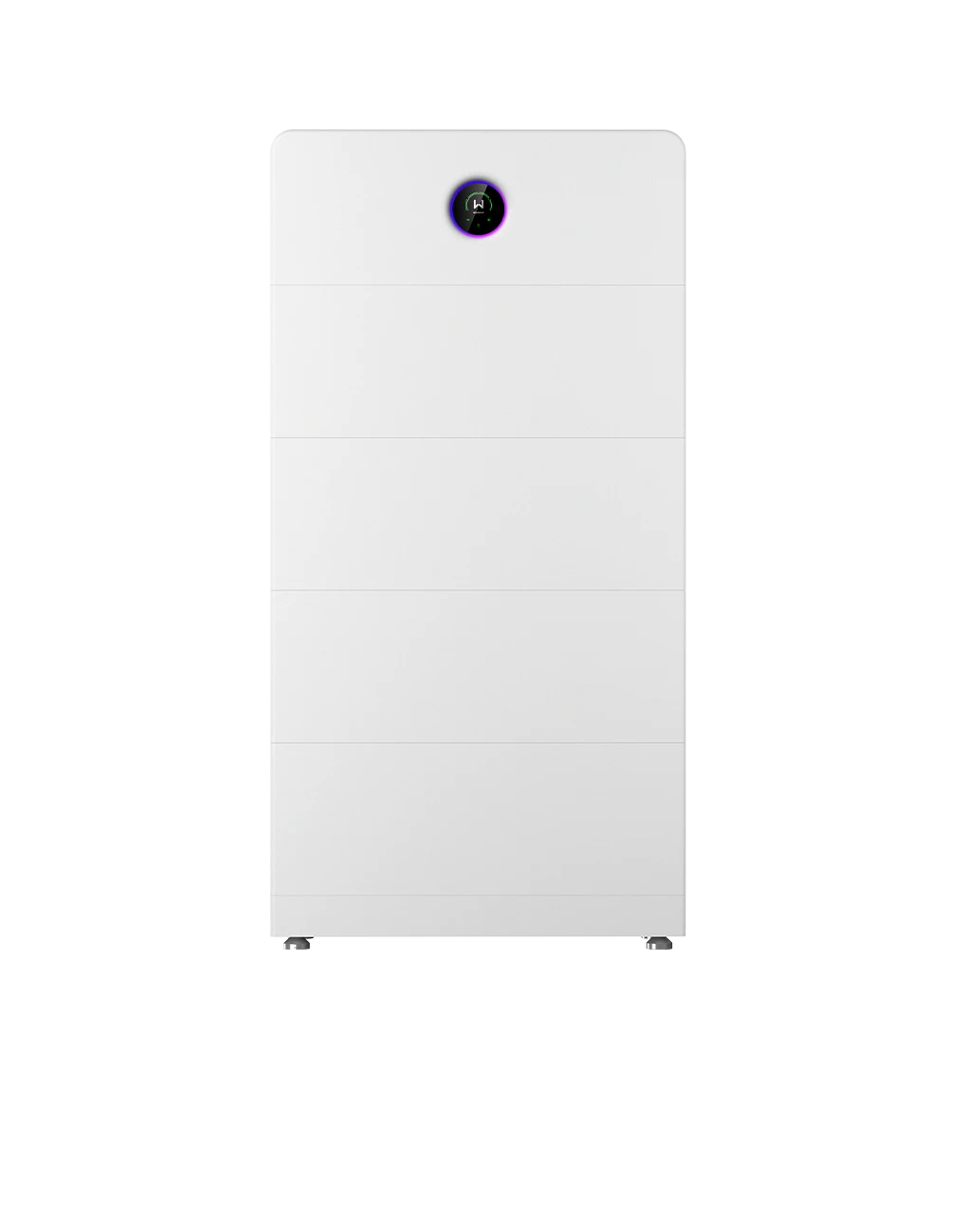
GoodWe GW9.999K-EHA-G20
Single-phase ESA G20 hybrid inverter / power module with 9.999kW nominal AC output and four MPPTs.
View Product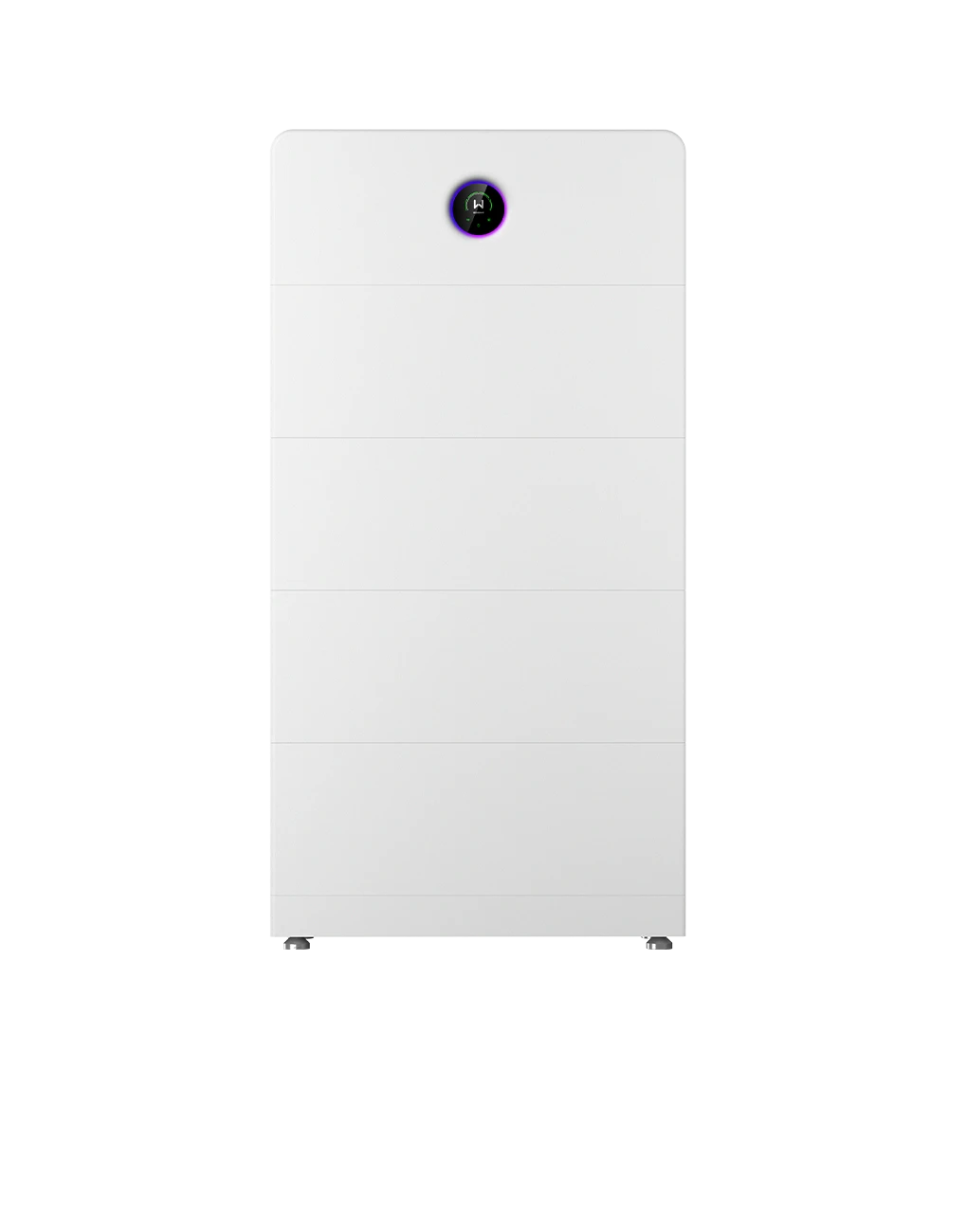
GoodWe GW6K-EHA-G20 6kW Hybrid Inverter
Single-phase ESA G20 hybrid inverter / power module with 6.0kW nominal AC output and two MPPTs.
View Product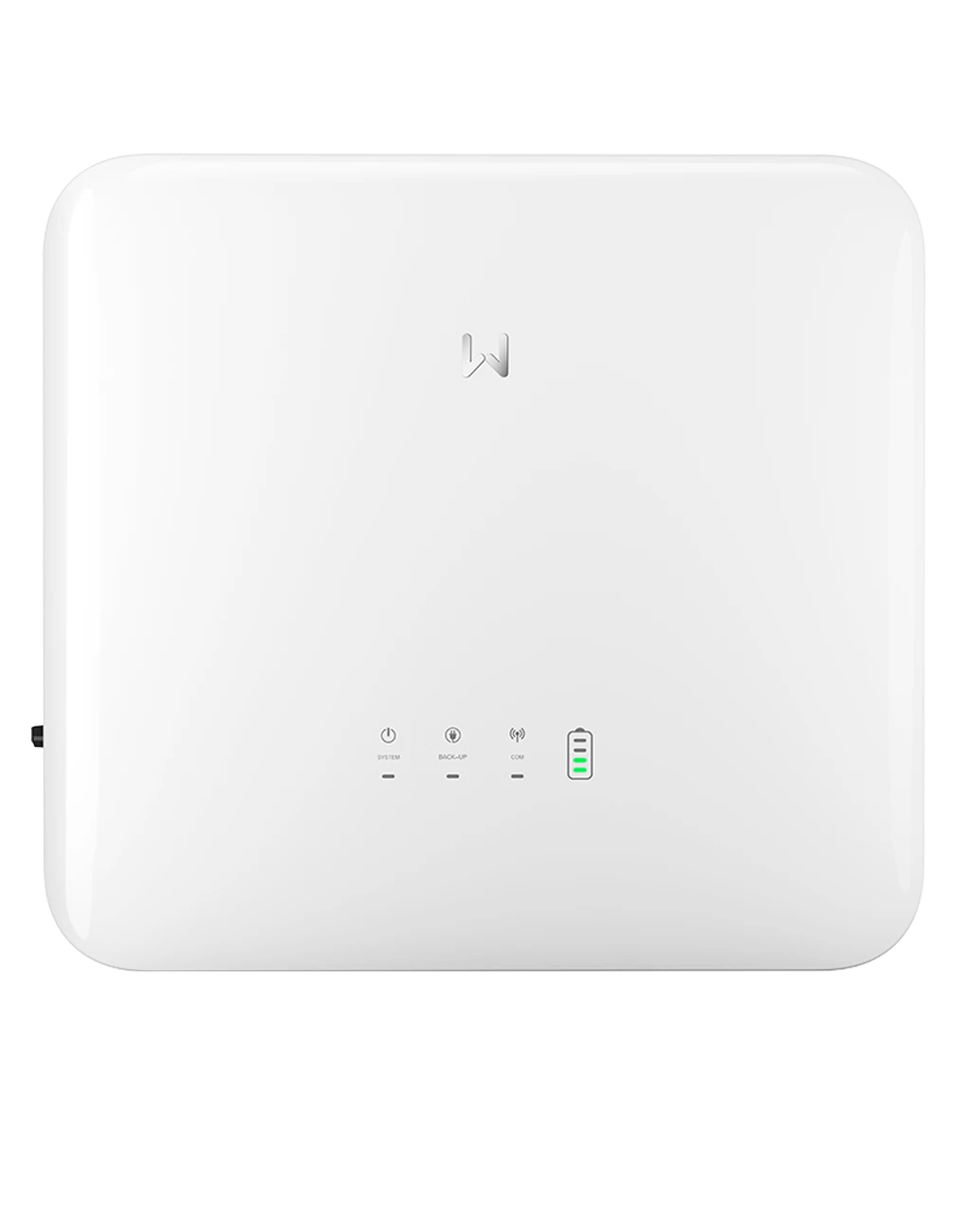
GoodWe GW9900-ET-20 9.99kW Three-Phase Hybrid Inverter
Australian-market ET G2 three-phase hybrid inverter with 9.990kW nominal AC output and three MPPTs.
View Product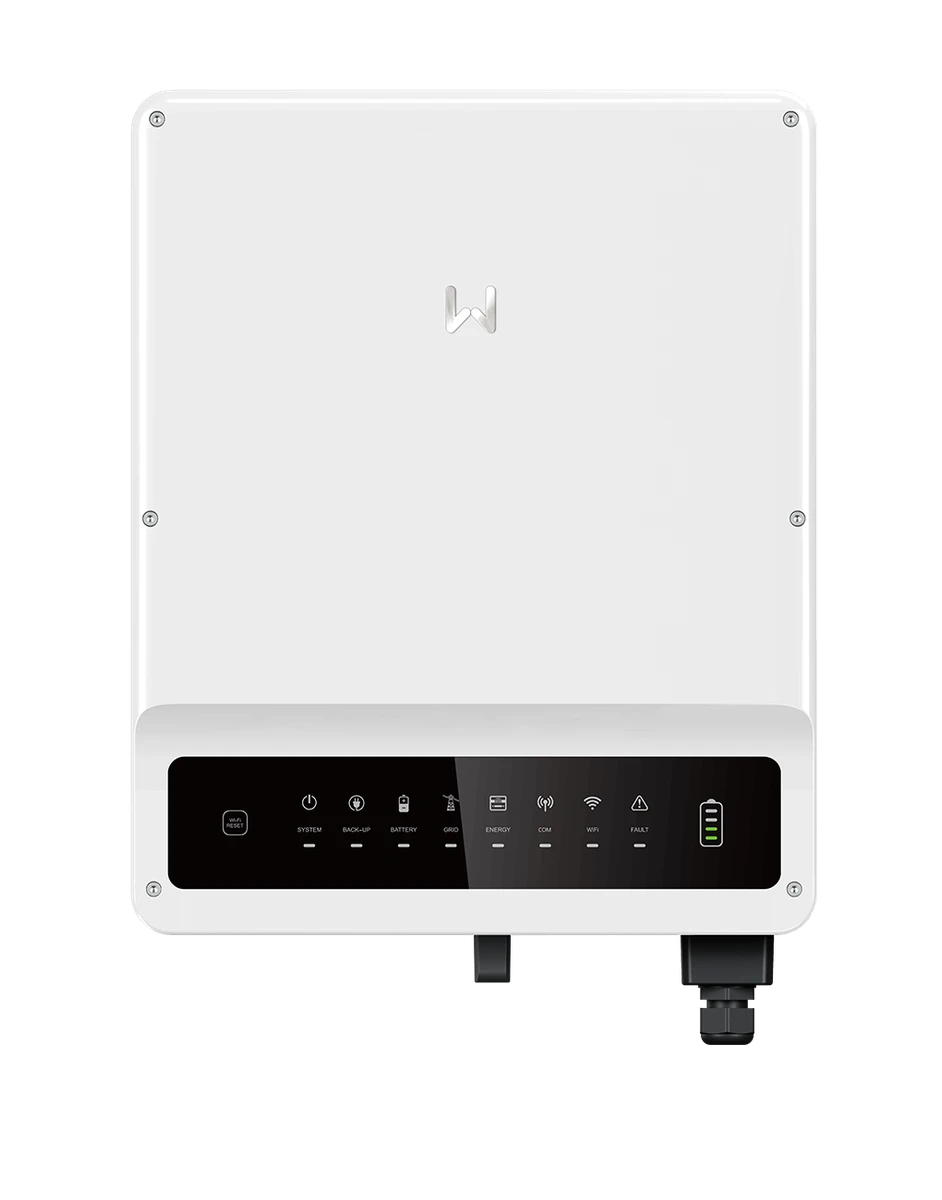
GoodWe GW5KL-ET 5kW Three-Phase Hybrid Inverter
Original ET Series three-phase hybrid inverter with 5kW nominal AC output and two MPPTs.
View Product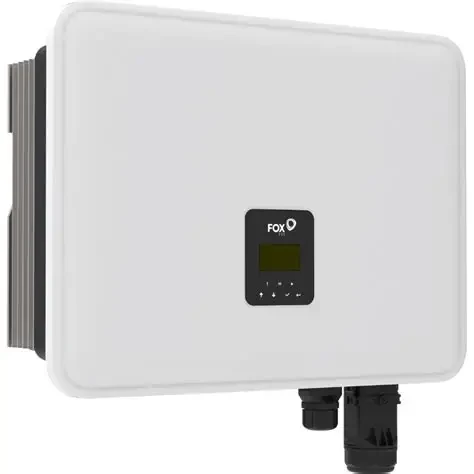
FOX ESS H3 Smart
Three-phase hybrid inverter series, 5–15 kW AC output with three MPPT trackers and high-voltage battery integration.
View ProductPRODUCT FAQ
Questions About the FOX ESS KH10
What is the FOX ESS KH10?
It is a 10 kW single-phase hybrid inverter in the Fox ESS KH Series. It is designed to manage solar generation, compatible high-voltage battery storage and grid interaction for suitable residential installations.
How many MPPT trackers does the KH10 have?
Four independent MPP trackers, with one string per tracker. Maximum input current is 16 A per tracker and maximum short-circuit current is 20 A per tracker. That differs from KH7/KH8 models, which use three trackers.
What are the rated and maximum AC outputs?
AU V1.6 rates KH10 nominal AC power at 10 kW and maximum apparent AC power at 10.5 kVA. Nominal AC current is 43.5 A and maximum AC current is 45.7 A.
What battery voltage does the KH10 support?
The datasheet lists an 85–480 V lithium-ion battery window, a recommended battery voltage of 300 V, and 50 A maximum charge and discharge current. Exact battery compatibility must still be confirmed against Fox ESS documentation.
Does the KH10 provide backup power?
Yes, EPS backup is supported with a battery. Maximum EPS power is 10,000 VA, peak EPS power is 12,000 W for 60 seconds, and the AU V1.6 datasheet lists switch time under 10 ms. Protected loads and battery state of charge still limit what can be supplied during an outage.
What efficiency does Fox ESS specify for the KH10?
Maximum conversion efficiency is 97.8%, European efficiency is 97.4% and MPPT efficiency is 99.9%. Maximum PV-to-battery charge efficiency is listed as 98.5% and battery-to-AC discharge efficiency as 97.0% at full load under manufacturer conditions.
Is KH10 the same as KA10 or KH10.5?
No. KA10 is the AC-coupled model in the same family datasheet. KH10.5 is a different hybrid power class with different AC and EPS ratings. Use only the KH10 column for this product.
What Australian warranty applies?
The Fox ESS Inverter Warranty Policy for Australia and New Zealand lists KH10 under Hybrid series (KH). Standard cover is 120 months from installation, capped at 132 months from manufacture. Optional FoxPlus and FoxPro terms are separate policy options and are not battery performance warranties.
How do I know if the KH10 suits my property?
That depends on single-phase demand, solar array design, battery plans, export limits and future electrification. Decarby can assess these factors and advise whether KH10 or another configuration is a better fit.