
Solar Panel
Jinko Tiger Neo 3.0 Series
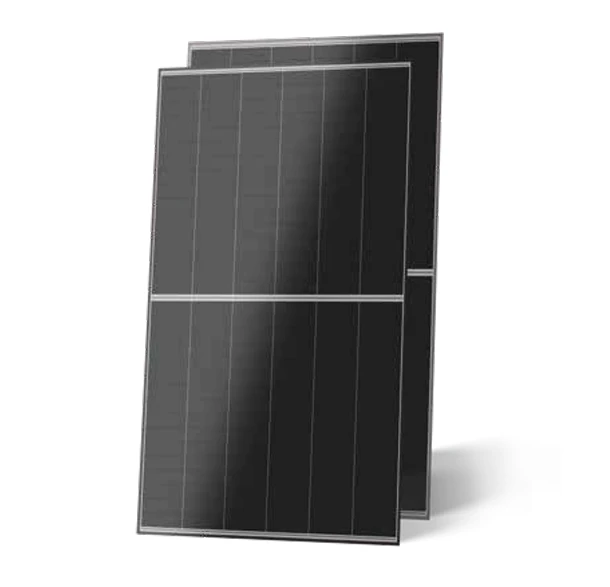
Jinko Tiger Neo 3.0 48OL6-DV Solar Panel
The Jinko Tiger Neo 3.0 48OL6-DV is a high-efficiency solar panel series designed for residential rooftops and suitable light commercial applications. Featuring N-type TOPCon technology and monofacial dual-glass construction, the range delivers 460–485W of rated output with a focus on energy generation, durability and long-term performance. Its suitability for a particular installation depends on roof conditions, electrical design and overall system configuration.
This page follows the current JinkoSolar Australia datasheet for the JKM460-485N-48QL6-DV family (F4C1-OC, 2 mm glass). Electrical values vary by power class, so final system design should use the datasheet matching the module supplied.
Key information
- Product Code
- JKM460-485N-48QL6-DV
- Brand
- JinkoSolar
- Wattage
- 460–485W
- Product Warranty
- 25 years (manufacturer datasheet)
- Performance Warranty
- 30 years linear (manufacturer datasheet)
- Maximum Efficiency
- Up to 24.27%
- Technology
- N-type TOPCon
- Module Construction
- Monofacial dual-glass
- Temperature Coefficient of Pmax
- -0.26%/°C
Product overview
Tiger Neo 3.0 for Residential Rooftops
The Tiger Neo 3.0 48OL6-DV belongs to JinkoSolar's current N-type TOPCon residential platform. Across the manufacturer-documented JKM460-485N-48QL6-DV range, rated power spans 460W to 485W, with STC module efficiency from 23.02% to 24.27%.
JinkoSolar Australia lists the matching residential monofacial dual-glass family as 48QL6-DV. This Decarby product page keeps the established 48OL6-DV product name while using the verified manufacturer SKU family from the selected datasheet.
Panel selection should still consider roof layout, usable area, orientation, shading, inverter design and household energy use. Decarby treats the module as one part of the complete solar system.
Product features
Tiger Neo 3.0 N-Type TOPCon Technology
The module uses N-type mono-crystalline cells on JinkoSolar's Tiger Neo 3.0 TOPCon platform. The selected datasheet positions the design for higher front-side power, optimised heat resistance and improved low-light response compared with older module generations.
Cell technology is only one contributor to system performance. Orientation, shading, temperature, inverter design and array layout remain important when estimating real-world generation.
High Power Output
The documented range covers 460W, 465W, 470W, 475W, 480W and 485W variants. Higher module wattage can help make better use of limited roof area, but the right power class depends on roof layout, structural limits and inverter string design.
High Module Efficiency
Across the selected datasheet range, STC module efficiency rises from 23.02% at 460W to 24.27% at 485W. Peak efficiency applies to the highest power class and should not be treated as the efficiency of every variant.
Module efficiency is measured under Standard Test Conditions. Real-world system output still depends on irradiance, temperature, orientation, shading and system design.
Monofacial Dual-Glass Construction
The selected datasheet describes a monofacial module with dual-glass construction, using 2.0 mm anti-reflection coated front glass and 2.0 mm heat-strengthened rear glass.
This page does not describe the module as bifacial. Dual-glass construction is intended to support durability as part of the overall module design.
Temperature Performance
JinkoSolar specifies a Pmax temperature coefficient of -0.26%/°C for this datasheet family. That figure describes how rated power changes with cell temperature under the manufacturer test conditions.
Modules do not produce their full STC rating under high operating temperatures. Actual generation depends on irradiance, temperature, mounting and the complete installation.
Low-Light Performance
The manufacturer datasheet lists proven low-light performance among the module features, noting an enhanced cell structure for low-irradiance conditions.
Generation during early morning, late afternoon and cloudy periods still depends on available light, array orientation, shading and system design. This page does not publish unsupported low-light yield percentages.
Long-Term Degradation
The selected datasheet lists approximately 1% first-year degradation and 0.35% annual degradation thereafter, together with a 30-year linear performance warranty graphic showing about 88.85% retained power at year 30.
Warranty eligibility, exclusions and claim conditions remain subject to the applicable JinkoSolar warranty terms for the modules supplied.
Mechanical Durability
The F4C1-OC 2 mm glass datasheet certifies static test loads of 6000 Pa on the front and 4000 Pa on the rear.
These are certified test load ratings under the stated standards. They do not guarantee resistance to every real-world wind, snow or impact condition on every site.
Residential Rooftop Applications
The compact 1762 × 1134 mm format and 460–485W power range are intended for residential rooftops and can also suit some light commercial applications where module size and electrical design fit the site.
Final suitability depends on roof structure, mounting design, inverter compatibility and the overall energy system design.
Warranty Protection
The selected Australian manufacturer datasheet states a 25-year product warranty and a 30-year linear performance warranty for this family. JinkoSolar Australia's residential Tiger Neo 3.0 listing also describes an industry-leading 25-year warranty for the matching dual-glass residential modules.
A product warranty covers materials and workmanship under stated conditions. A linear performance warranty covers power output over time against the manufacturer published degradation curve. Coverage for modules supplied in Australia should still be confirmed against the warranty documentation issued for those modules.
Technical details
Jinko Tiger Neo 3.0 48OL6-DV Specifications
General specifications
| Product Name | Jinko Tiger Neo 3.0 48OL6-DV |
|---|---|
| Manufacturer Model Family | JKM460-485N-48QL6-DV |
| Datasheet Code | JKM460-485N-48QL6-DV-F4C1-OC_2mm |
| Series | Jinko Tiger Neo 3.0 Series |
| Cell Type | N-type mono-crystalline |
| Cell Technology | TOPCon (Tiger Neo 3.0) |
| Number of Cells | 192 (48 × 4) |
| Module Construction | Monofacial dual-glass |
| Dimensions | 1762 × 1134 × 30 mm |
| Weight | 24.4 kg |
| Front Glass | 2.0 mm, anti-reflection coating |
| Back Glass | 2.0 mm, heat-strengthened glass |
| Frame | Anodized aluminium alloy |
| Junction Box | IP68 rated |
| Connector Type | Jinko PV-JK03M / PV-JK03M2; Staubli MC4-EVO2 available on request |
| Output Cables | ≥4.0 mm²; (+): 500 mm, (−): 400 mm or customised |
| Protection Class | Class II |
| IEC Fire Type | Class C |
JinkoSolar Australia lists the matching residential monofacial dual-glass family as 48QL6-DV. The manufacturer SKU on the selected datasheet is JKM460-485N-48QL6-DV. Decarby retains the established 48OL6-DV product name used on the legacy listing.
Electrical specifications (STC)
| Model | Pmax | Module efficiency | Vmp | Imp | Voc | Isc |
|---|---|---|---|---|---|---|
| JKM460N-48QL6-DV | 460W | 23.02% | 30.57 V | 15.05 A | 35.67 V | 15.72 A |
| JKM465N-48QL6-DV | 465W | 23.27% | 30.74 V | 15.13 A | 35.92 V | 15.77 A |
| JKM470N-48QL6-DV | 470W | 23.52% | 30.93 V | 15.20 A | 36.17 V | 15.82 A |
| JKM475N-48QL6-DV | 475W | 23.77% | 31.11 V | 15.27 A | 36.42 V | 15.86 A |
| JKM480N-48QL6-DV | 480W | 24.02% | 31.30 V | 15.34 A | 36.67 V | 15.90 A |
| JKM485N-48QL6-DV | 485W | 24.27% | 31.48 V | 15.41 A | 36.92 V | 15.95 A |
STC values are from the JinkoSolar Australia JKM460-485N-48QL6-DV-F4C1-OC_2mm datasheet. Power measurement tolerance is 0 to +3%. Power sorting is -5W to +15W. Do not mix electrical values from one power class with another.
Temperature coefficients
| Temperature Coefficient of Pmax | -0.26%/°C |
|---|---|
| Temperature Coefficient of Voc | -0.24%/°C |
| Temperature Coefficient of Isc | +0.046%/°C |
Operating conditions and mechanical load
| Operating Temperature | -40°C to +70°C |
|---|---|
| Maximum System Voltage | 1500 VDC (IEC) |
| Maximum Series Fuse Rating | 30 A |
| Maximum Static Test Load: Front | 6000 Pa |
| Maximum Static Test Load: Rear | 4000 Pa |
Earlier datasheet revisions for related 48QL6-DV documents list 5400 Pa / 2400 Pa and thinner glass. This page uses the F4C1-OC 2 mm glass revision consistently.
Warranty
| Product Warranty | 25 years (manufacturer datasheet) |
|---|---|
| Linear Performance Warranty | 30 years (manufacturer datasheet) |
| First-Year Degradation | 1% |
| Annual Degradation Thereafter | 0.35% |
| Retained Power at Year 30 | 88.85% |
Figures above follow the selected Australian manufacturer datasheet. Coverage remains subject to JinkoSolar's applicable Australian warranty terms, installation requirements and exclusions for the modules supplied. International warranty tables may list different periods for other markets or module types.
Manufacturer-listed features and standards
- Higher power on front side
- Optimised heat resistance
- Proven low-light performance
- Enhanced resistance to PID, LID / LeTID and UV degradation
- IEC61215:2021 / IEC61730:2023
- ISO9001:2015 Quality Management System
- ISO14001:2015 Environment Management System
- ISO45001:2018 Occupational health and safety management systems
- IEC61701 / IEC62716 / IEC60068 / IEC62804
Choosing your solar panels
Is the Jinko Tiger Neo 3.0 48OL6-DV Right for Your Home?
Choosing a solar module involves more than comparing wattage and efficiency. Available roof area, orientation, shading, inverter design, household electricity use and future electrification plans all affect the system that makes sense for a property.
The compact dual-glass format can suit many residential roofs, but suitability still depends on the complete array and electrical design.
Decarby's engineering-led approach considers the panel, inverter, roof and household energy requirements together before recommending a system configuration.
Roof space
The number of modules that can be installed depends on usable roof area, module dimensions, setbacks and roof obstructions.
Orientation and shading
Roof direction, pitch and shading affect array layout and expected energy generation.
Inverter compatibility
Module voltage and current characteristics must remain within the selected inverter's operating requirements.
Household energy use
System capacity should be designed around current electricity consumption and when that energy is used.
Future energy needs
Battery storage, EV charging, electric hot water and other electrification loads may affect how much solar capacity is worth planning for.
Not Sure What System You Need?
You don't need to have the answer before you call us.
Tell us about your home, your electricity use and what you're hoping to achieve. We'll help you work through what makes sense whether that's solar now, solar and battery together, or a system designed so you can add more later.
Practical advice. No sales pressure.
Related products
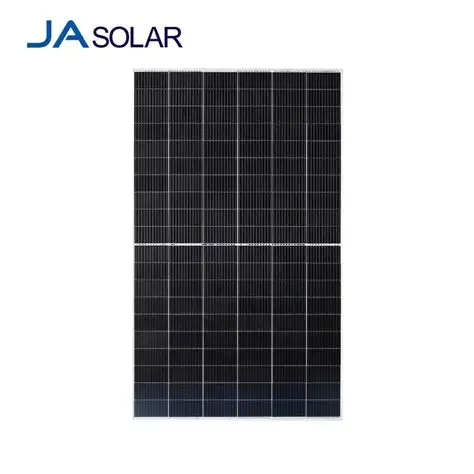
JA Solar DeepBlue 4.0 Pro JAM54D40
435–460W n-type dual-glass module in the JAM54D40 family.
View Product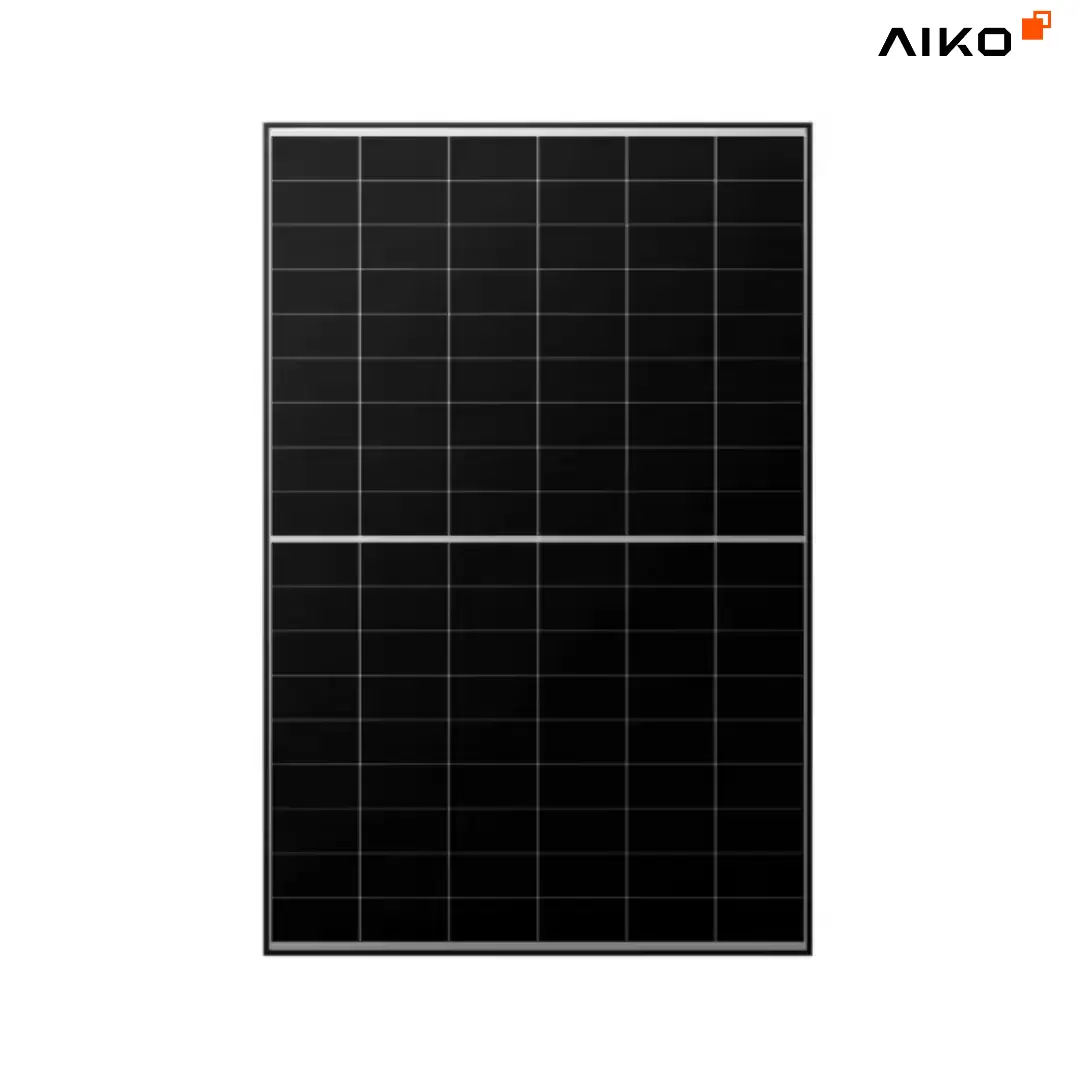
AIKO NEOSTAR 3P+60 530–550W
530–550W dual-glass N-Type ABC module, up to 24.8% efficiency.
View Product
AIKO NEOSTAR 3S+60 (515–540W)
515–540W dual-glass N-type ABC module (AIKO-A-MCE60Db), up to 24.4% efficiency.
View Product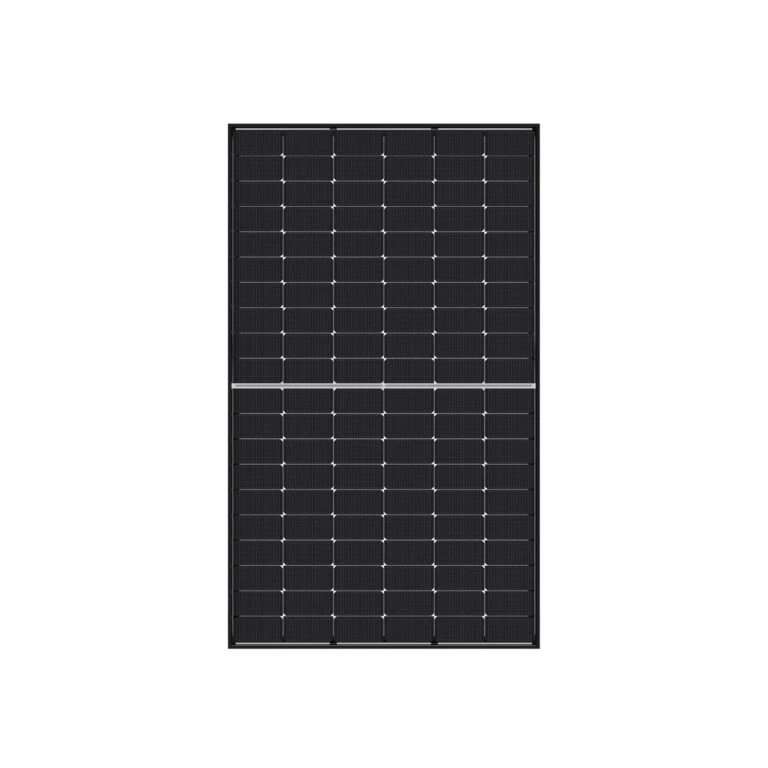
Jinko Tiger Neo 48HL4M-DV
460–480W N-type TOPCon monofacial dual-glass module in the Tiger Neo 48HL4M-DV family.
View Product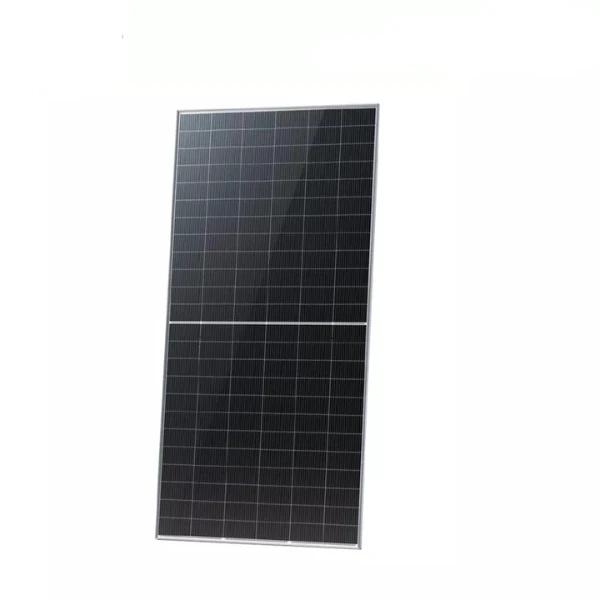
Jinko Tiger Pro 72HC 530–550W
530–550W P-type monocrystalline half-cell module for commercial and larger solar installations.
View Product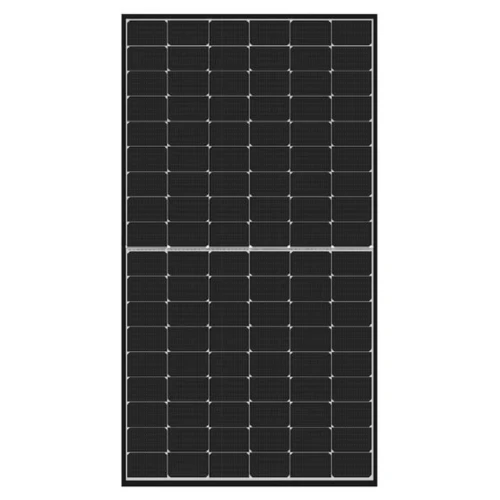
Jinko Tiger Neo 460W
Fixed 460W N-type TOPCon monofacial dual-glass module (JKM460N-48HL4M-DV) within the Tiger Neo 48HL4M-DV family.
View Product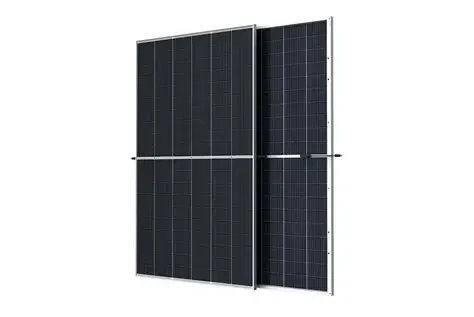
Trina Solar Vertex N 650W
650W N-type i-TOPCon Ultra bifacial dual-glass module (TSM-NEG19RC.20, 625–650W family).
View Product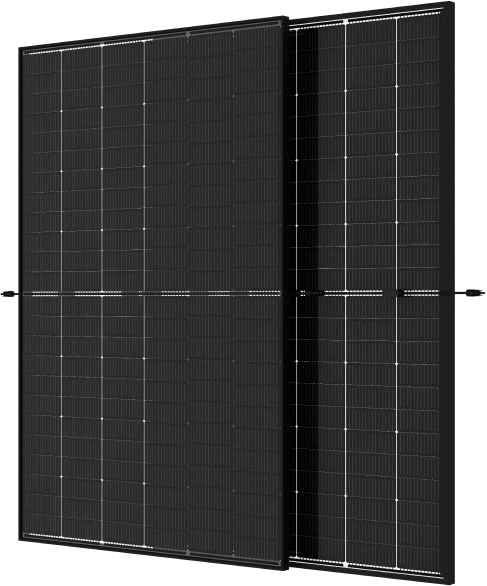
Trina Solar Vertex S+ (445W)
445W transparent bifacial dual-glass N-type i-TOPCon rooftop module (TSM-445NEG9RC.27).
View ProductPRODUCT FAQ
Questions About the Jinko Tiger Neo 3.0 48OL6-DV
What is the Jinko Tiger Neo 3.0 48OL6-DV?
It is an N-type TOPCon monofacial dual-glass solar module in JinkoSolar's Tiger Neo 3.0 residential range. The selected Australian datasheet covers the JKM460-485N-48QL6-DV family, with rated power from 460W to 485W and STC efficiency up to 24.27%.
Is 48OL6-DV the same as 48QL6-DV?
JinkoSolar Australia currently lists the matching residential monofacial dual-glass product as 48QL6-DV, and the manufacturer SKU on the selected datasheet is JKM460-485N-48QL6-DV. Decarby keeps the established 48OL6-DV product name from the legacy listing while documenting the verified manufacturer SKU family.
Is this the same product as the Jinko Tiger Neo 48HL4M-DV?
No. The 48HL4M-DV and Tiger Neo 3.0 48OL6-DV / 48QL6-DV families are different module lines with different cell counts, electrical tables and datasheet revisions. They should not be treated as interchangeable.
What does TIGER-NEO-3-0 mean on older Decarby listings?
TIGER-NEO-3-0 was a legacy Decarby catalogue identifier. It is not a manufacturer model number. The manufacturer model family for this page is JKM460-485N-48QL6-DV.
How efficient is the module?
Across the documented 460–485W range, STC module efficiency rises from 23.02% at 460W to 24.27% at 485W. The peak figure applies to the 485W class only. Real-world generation still depends on orientation, shading, temperature and system design.
What is the temperature coefficient?
The selected datasheet specifies a Pmax temperature coefficient of -0.26%/°C. An older public Decarby listing used approximately -0.29%/°C; that figure is not used on this page because it is not supported by the selected datasheet.
What warranty does the module have?
The selected Australian manufacturer datasheet states a 25-year product warranty and a 30-year linear performance warranty, with about 1% first-year degradation and 0.35% annual degradation thereafter. Coverage remains subject to the warranty documentation for the modules supplied in Australia.
How large is the module?
The selected datasheet lists module dimensions of 1762 × 1134 × 30 mm and a weight of 24.4 kg. Roof dimensions, mounting areas, setbacks and structural considerations need to be accounted for when designing the array.
Is the module bifacial?
No. The selected datasheet describes a monofacial module with dual-glass construction. It should not be treated as a bifacial module.
How do I know if this panel is right for my home?
The panel needs to be considered as part of the complete solar system. Available roof space, orientation, shading, electricity consumption, inverter design and future requirements such as battery storage or EV charging can all influence the appropriate module and system configuration. Decarby can assess these factors and advise on suitability.