
Faster Home Charging
A dedicated Level 2 charger can charge an electric vehicle more quickly than a standard household outlet, subject to the vehicle, charger, and available electrical supply.
EV HOME CHARGER INSTALLATION
Charge your electric vehicle safely and efficiently at home with an EV charging system designed around your property, electricity supply, solar generation, and future energy needs.
EV CHARGER INSTALLATION
Installing a dedicated EV charger at home is one of the most efficient and convenient ways to power an electric vehicle.
For Canberra households already using solar energy, an EV charger can be integrated with the home’s broader energy system so more vehicle charging can occur when solar generation is available.
Decarby installs wall-mounted Level 2 EV chargers from established manufacturers selected for reliable performance in Australian conditions. These systems can support faster charging, smart controls, scheduled charging, and integration with solar or battery storage where the selected equipment and home energy setup allow it.
A properly planned ev home charger installation considers more than the charger itself. The design should account for the property’s electrical capacity, charger location, vehicle requirements, household energy use, and possible future upgrades.
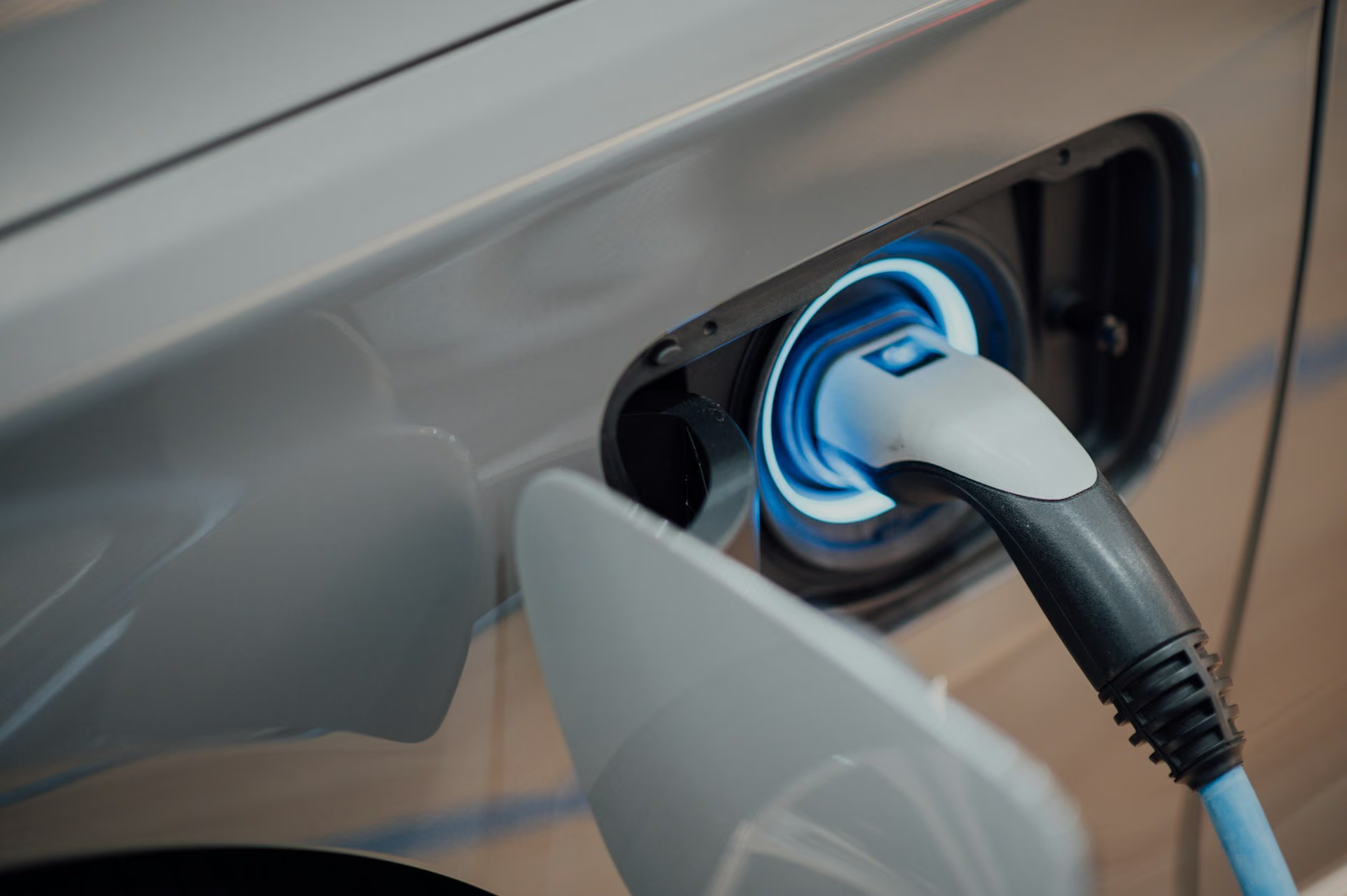
BENEFITS
A dedicated home charging system can make electric vehicle ownership more convenient while providing better control over when and how the vehicle is charged.
A dedicated Level 2 charger can charge an electric vehicle more quickly than a standard household outlet, subject to the vehicle, charger, and available electrical supply.
A professionally designed ev charger installation uses equipment intended for vehicle charging and is assessed against the home’s electrical capacity and installation conditions.
Compatible chargers may support scheduling and smart controls that help households charge during preferred times and manage electricity use more effectively.
Where the home’s equipment supports it, charging can be coordinated with solar generation, battery storage, and future electrification plans.
HOME CHARGING
Charging an electric vehicle at home gives households a convenient way to begin each day with the vehicle ready for normal travel.
Whether the vehicle is used for short city trips or longer commutes, a dedicated charger can reduce reliance on public charging and provide greater control over charging times.
For homes with solar panels, the charging strategy can also consider when solar generation is available. This may allow a greater share of vehicle charging to occur using electricity generated at the property, depending on household demand, solar production, charger settings, and vehicle availability.
A successful ev home charger installation should be planned around the entire home energy system rather than treated as a stand-alone appliance.
HOW IT WORKS
A home EV charger supplies electricity from the property’s electrical system to the vehicle through dedicated charging equipment designed for regular vehicle charging.
The charging cable is connected between the wall-mounted charger and the vehicle.
The charger supplies electricity according to the vehicle, charger settings, and available electrical capacity.
Compatible systems may schedule charging for selected times or coordinate charging with household energy priorities.
The vehicle can remain connected until charging is complete or until the household’s configured charging target is reached.
Charging speed and behaviour depend on the vehicle, charger capacity, electrical supply, selected settings, and overall installation design.
CHARGING EQUIPMENT
Level 2 chargers are wall-mounted charging systems designed to provide more practical home charging than a standard household outlet.
The appropriate charger capacity depends on the electric vehicle, the property’s electrical supply, household demand, and whether other major electrical loads are expected to operate at the same time.
Decarby assesses these factors before recommending equipment so the charger can be configured to suit the home’s existing infrastructure and future energy plans.
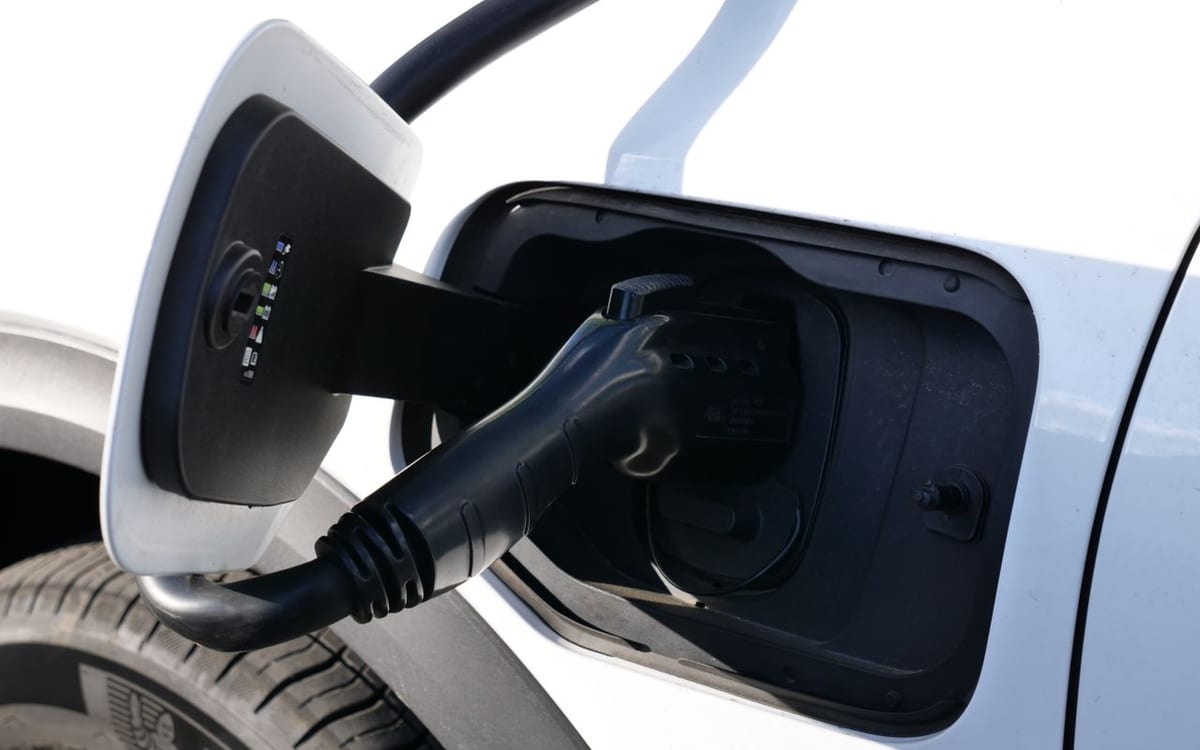
SOLAR INTEGRATION
Many Canberra homes already generate solar electricity during the day. When an electric vehicle is parked at home while solar production is available, compatible charging controls may help direct more of that electricity toward vehicle charging.
The actual result depends on the size of the solar system, household electricity demand, vehicle availability, charging settings, and any battery storage operating at the property.
Solar smart charging is not simply a matter of connecting the charger to a solar system. The charger, monitoring equipment, control settings, and overall energy strategy should be planned to work together.
A carefully designed solar-integrated ev charger installation can help households make more practical use of their existing generation while preparing for increased electricity demand.
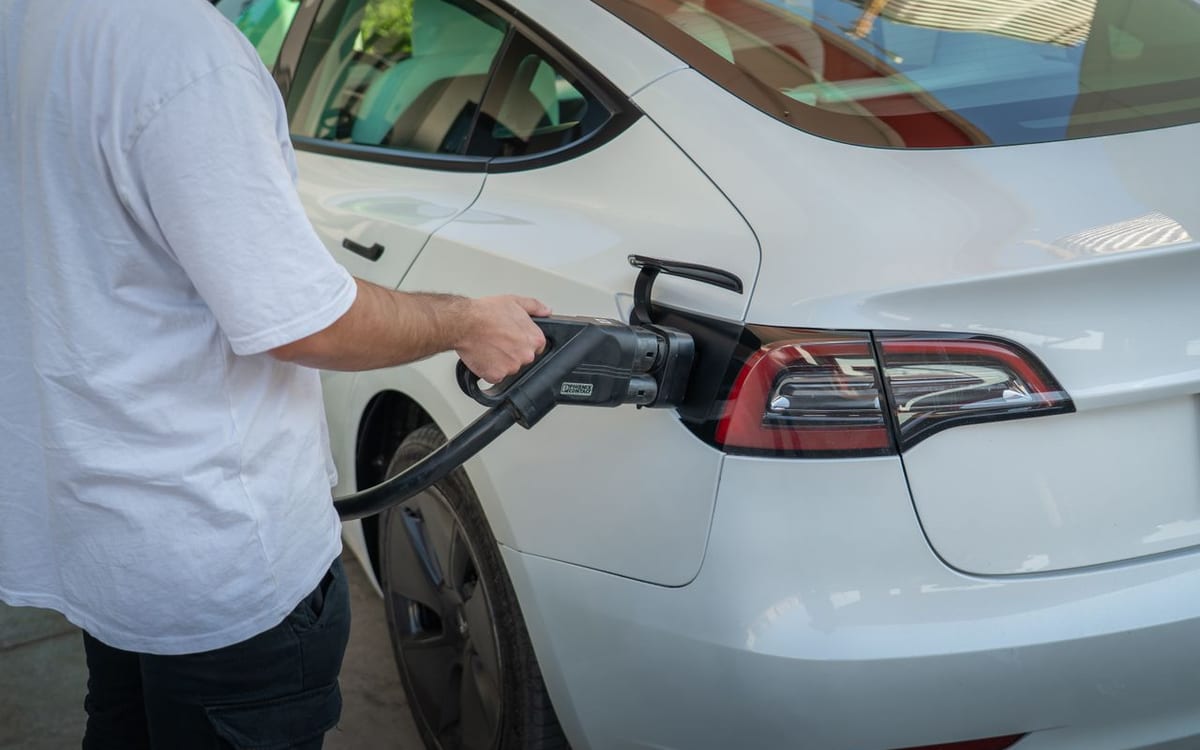
SMART CONTROLS
Compatible EV chargers can provide scheduling and control options that allow households to choose when charging takes place.
For example, charging may be scheduled for periods when solar generation is available, household demand is lower, or electricity tariffs are more suitable.
The available features vary by charger model, vehicle, monitoring equipment, and electricity plan. These factors should be reviewed as part of the design rather than assumed.
Smart charging can support more deliberate household energy use, but the system still needs to be configured around how the occupants actually use the vehicle and the home.

INSTALLATION PLANNING
Before recommending an ev home charger installation, the home’s electrical system should be assessed to determine whether it can support the proposed charging equipment.
The assessment may consider the switchboard, available supply capacity, existing household loads, charger location, cable route, and whether additional electrical work is required.
Homes with electric heating, heat pump hot water, induction cooking, battery storage, or other major loads may require a broader review of how electricity demand is managed.
An existing solar or battery system does not automatically mean the property is ready for EV charging. Each system should be assessed as part of the complete household energy plan.
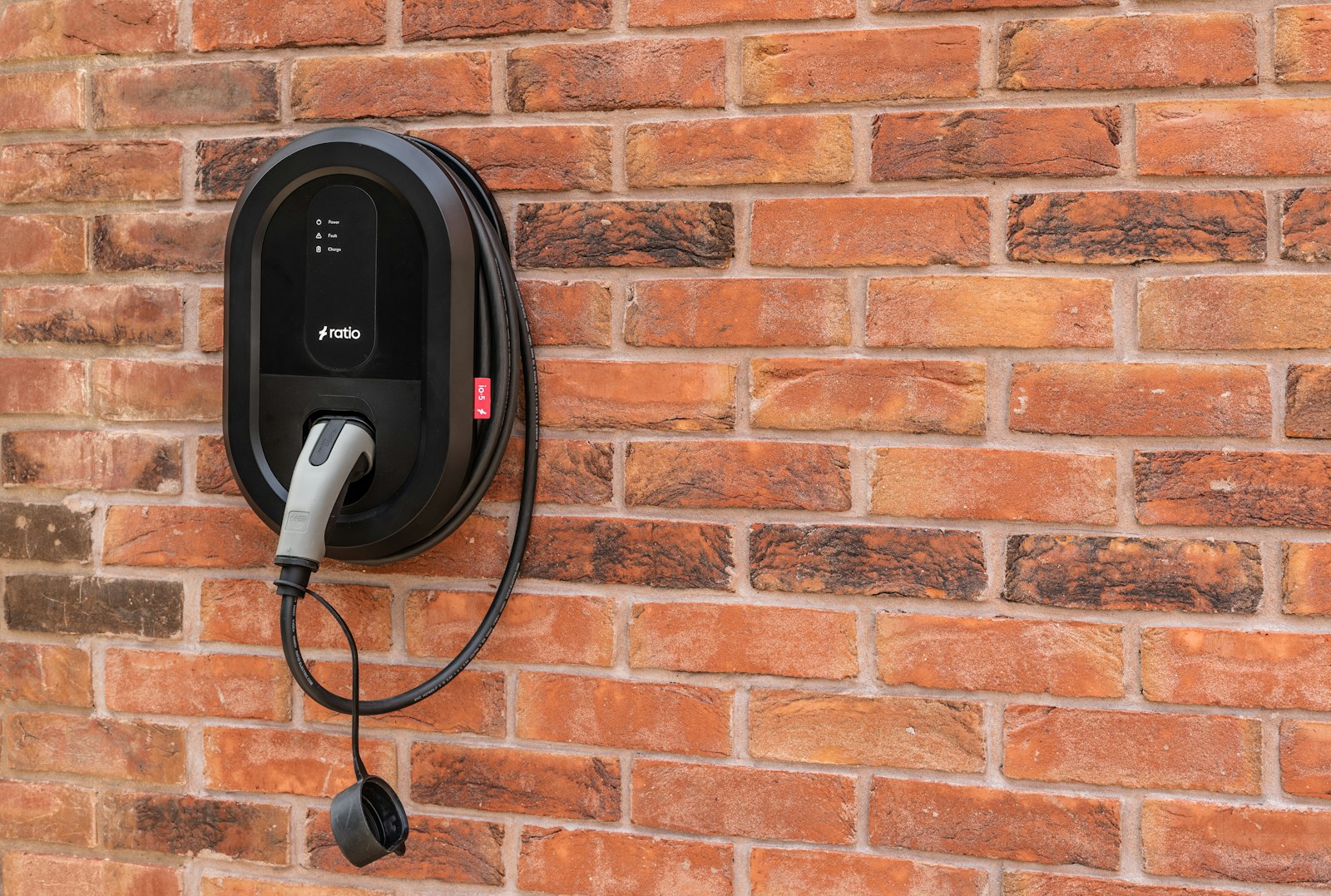
CHARGER SELECTION
Selecting a charger involves more than choosing the highest available output. The equipment should suit the vehicle, property, household energy use, and future plans.
Confirm that the charger, connector, and charging capability suit the electric vehicle.
Match the charger output to the available supply and the property’s other electrical loads.
Review scheduling, monitoring, solar integration, and control features supported by the charger.
Choose a practical position that supports safe cable access, vehicle parking, weather protection, and everyday use.
Consider additional electric vehicles, battery storage, solar expansion, and wider home electrification.
Balance the equipment, installation requirements, features, and future flexibility.
A well-matched residential EV charger is more likely to support everyday use than one selected only because it offers the highest available output.
FUTURE ELECTRIFICATION
An electric vehicle may become one of the largest regular electricity loads in a home.
Planning ahead can make it easier to coordinate vehicle charging with solar generation, battery storage, electric heating, hot water, and other future upgrades.
Some households may begin with one vehicle and later add another. Others may increase solar capacity, install a battery, or move toward an all-electric home.
An engineering-led ev home charger installation considers these future possibilities during the initial design so the system remains practical and upgrade-ready.
WHY DECARBY
Decarby takes an engineering-led approach to solar, battery storage and home electrification, helping homeowners and businesses make informed decisions about their energy needs. Rather than recommending a standard package, we consider how each property uses energy, its existing infrastructure and the practical opportunities for improvement. Our focus is on providing clear advice and designing solutions that make sense for the property, its occupants and their long-term goals.
From the initial consultation through system design and installation, we prioritise technical expertise, transparency and quality workmanship. We help customers understand their options, navigate applicable rebates and incentives, and plan energy upgrades with confidence. Whether you're considering rooftop solar, battery storage or broader electrification, our goal is to deliver a practical, well-considered solution rather than a one-size-fits-all recommendation.
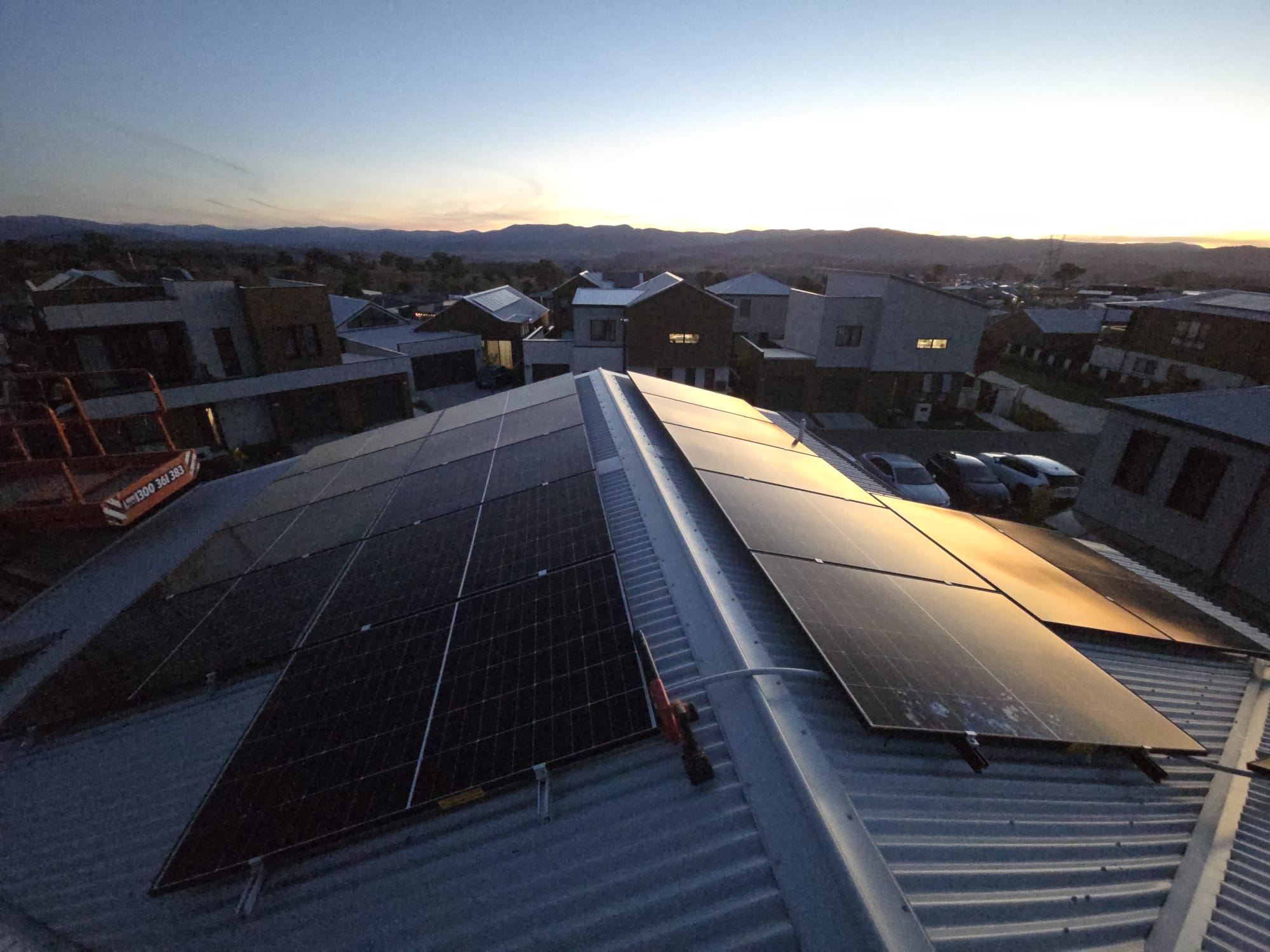
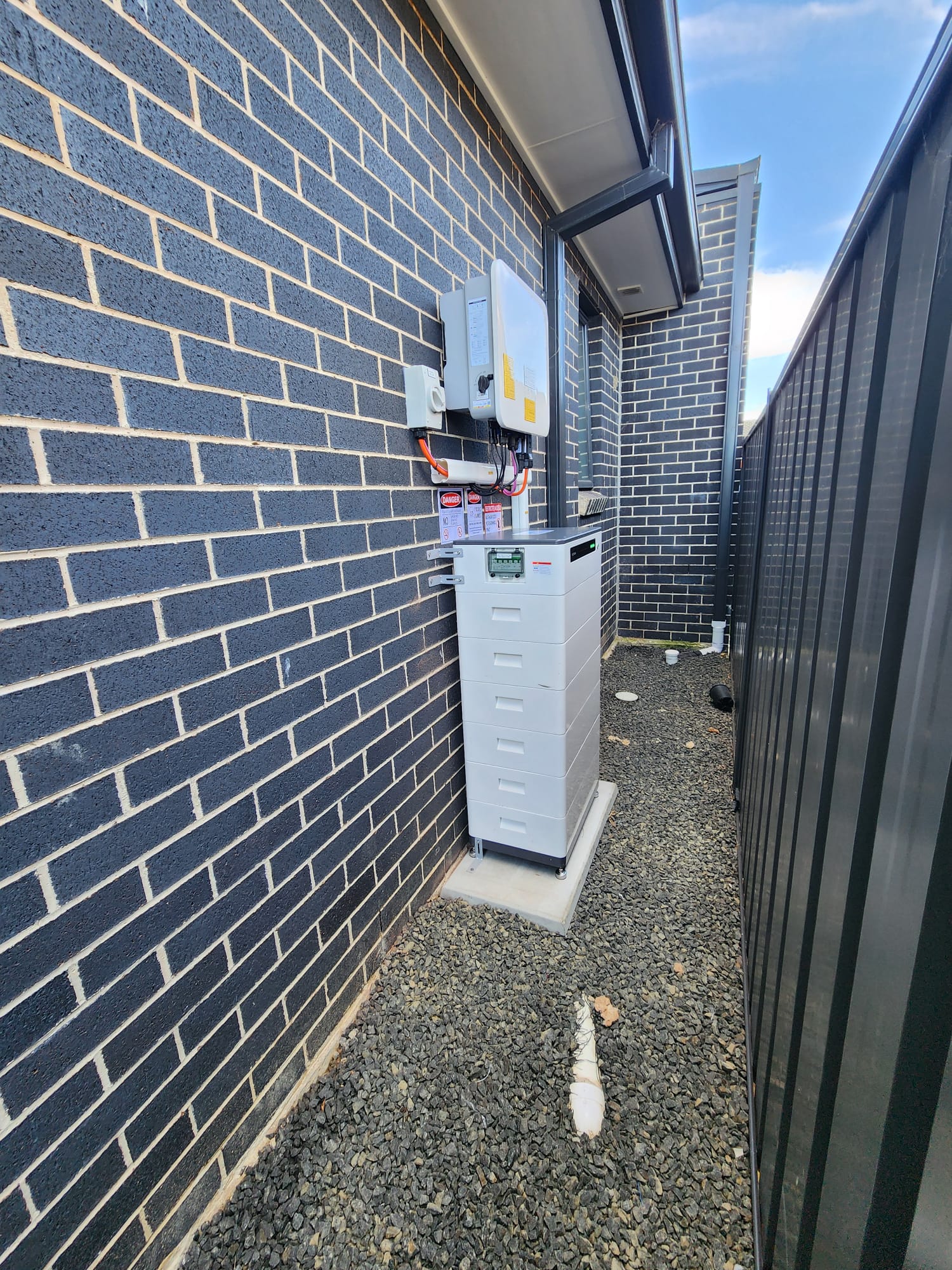
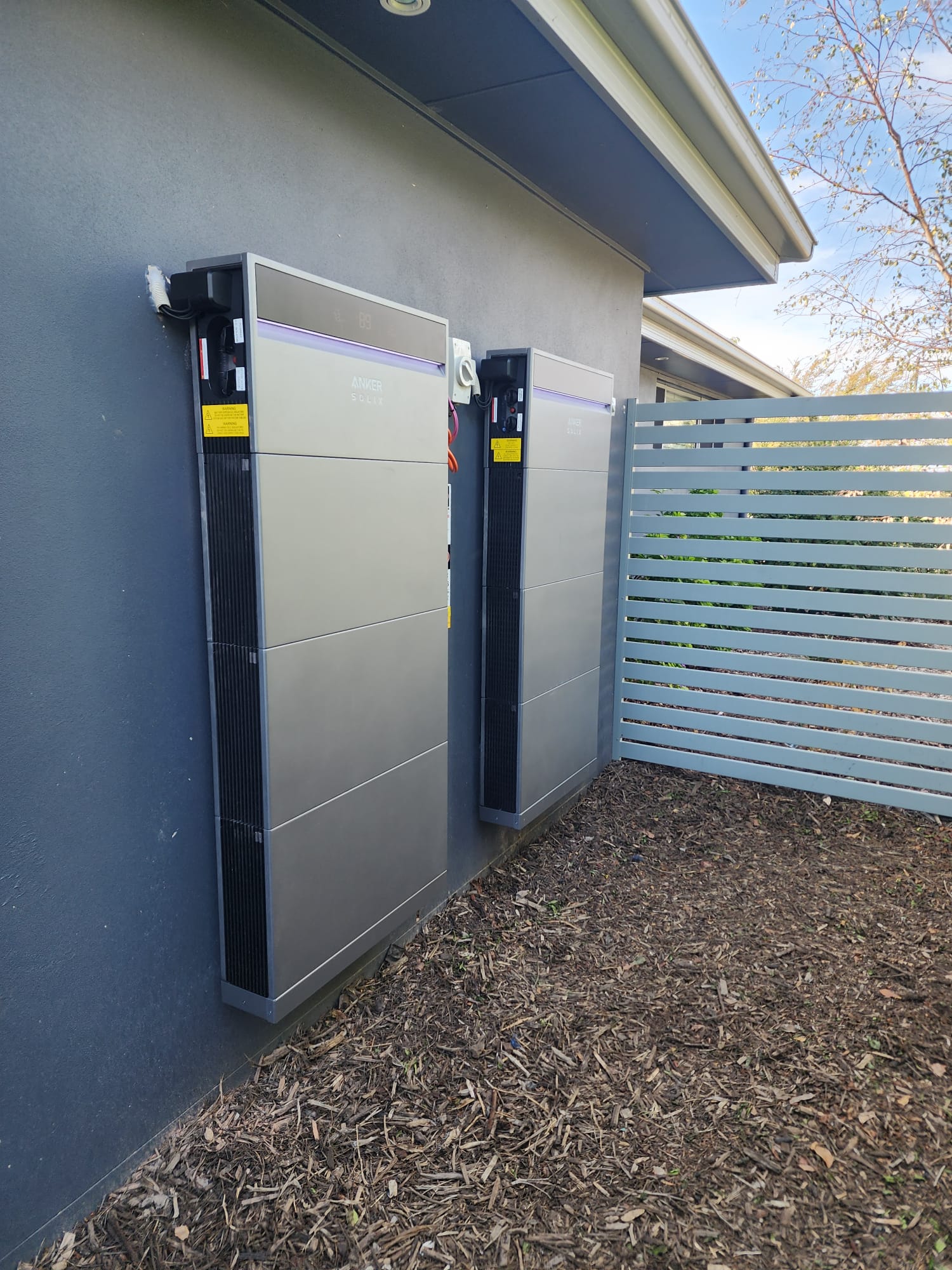
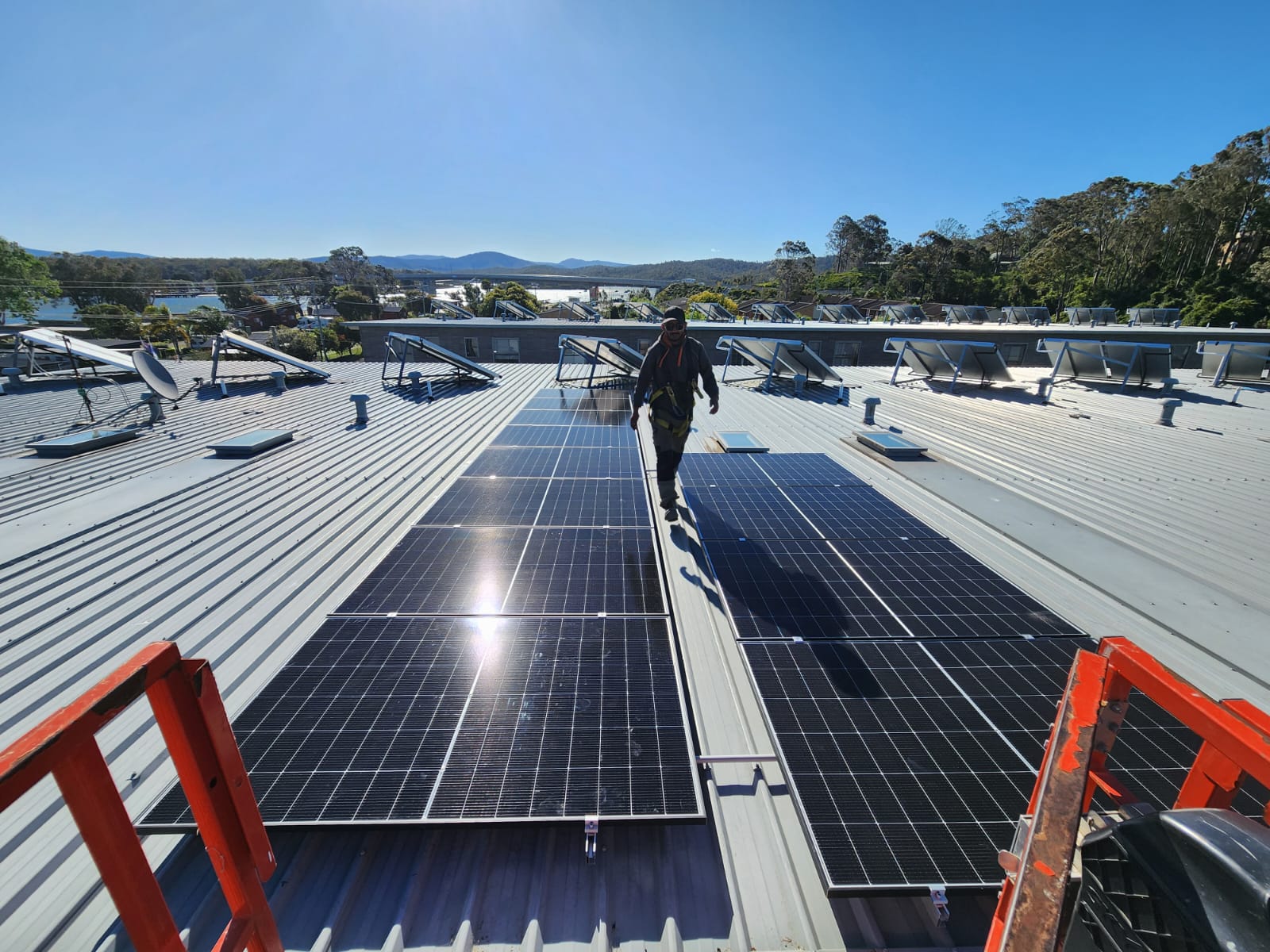
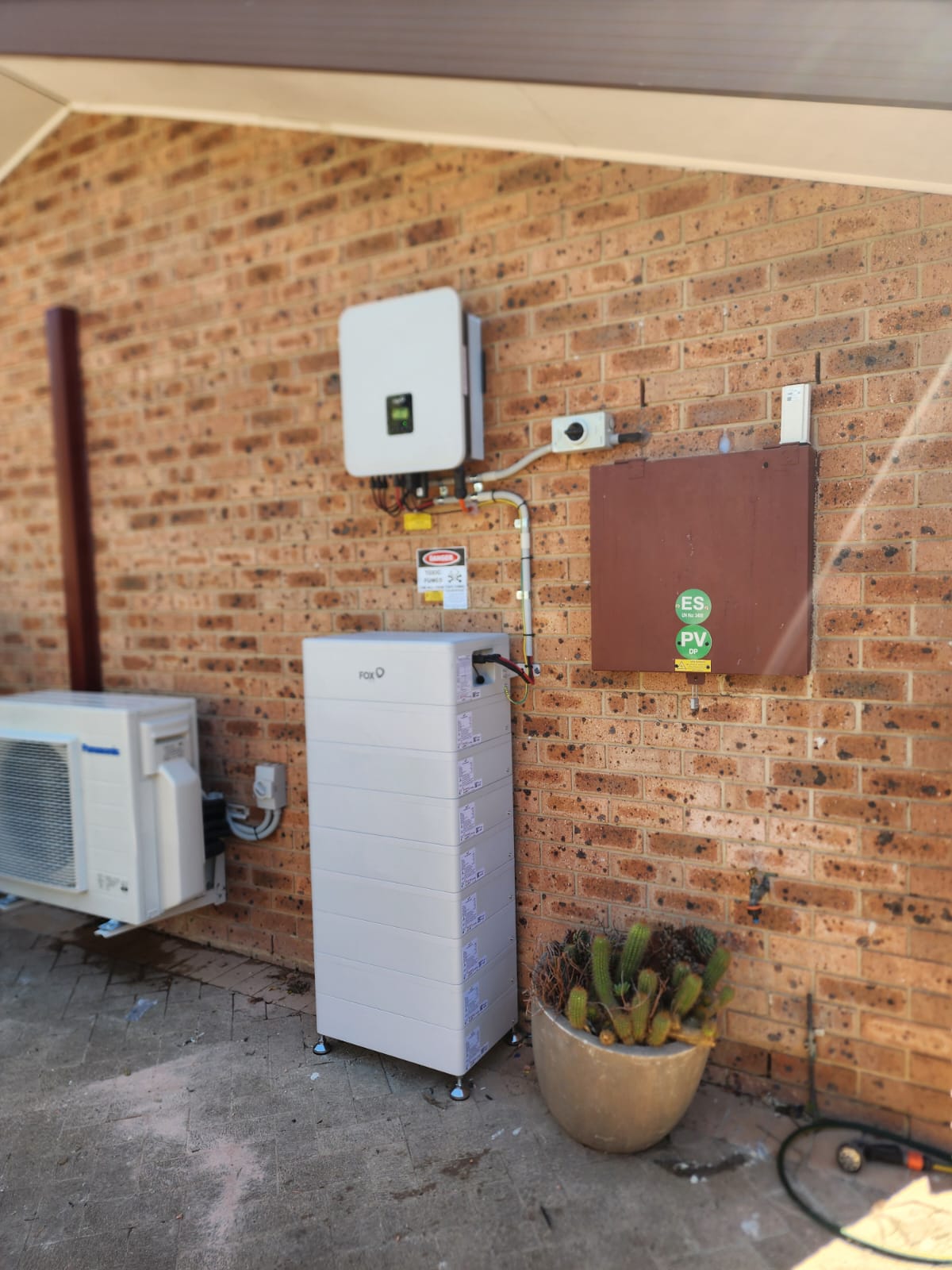
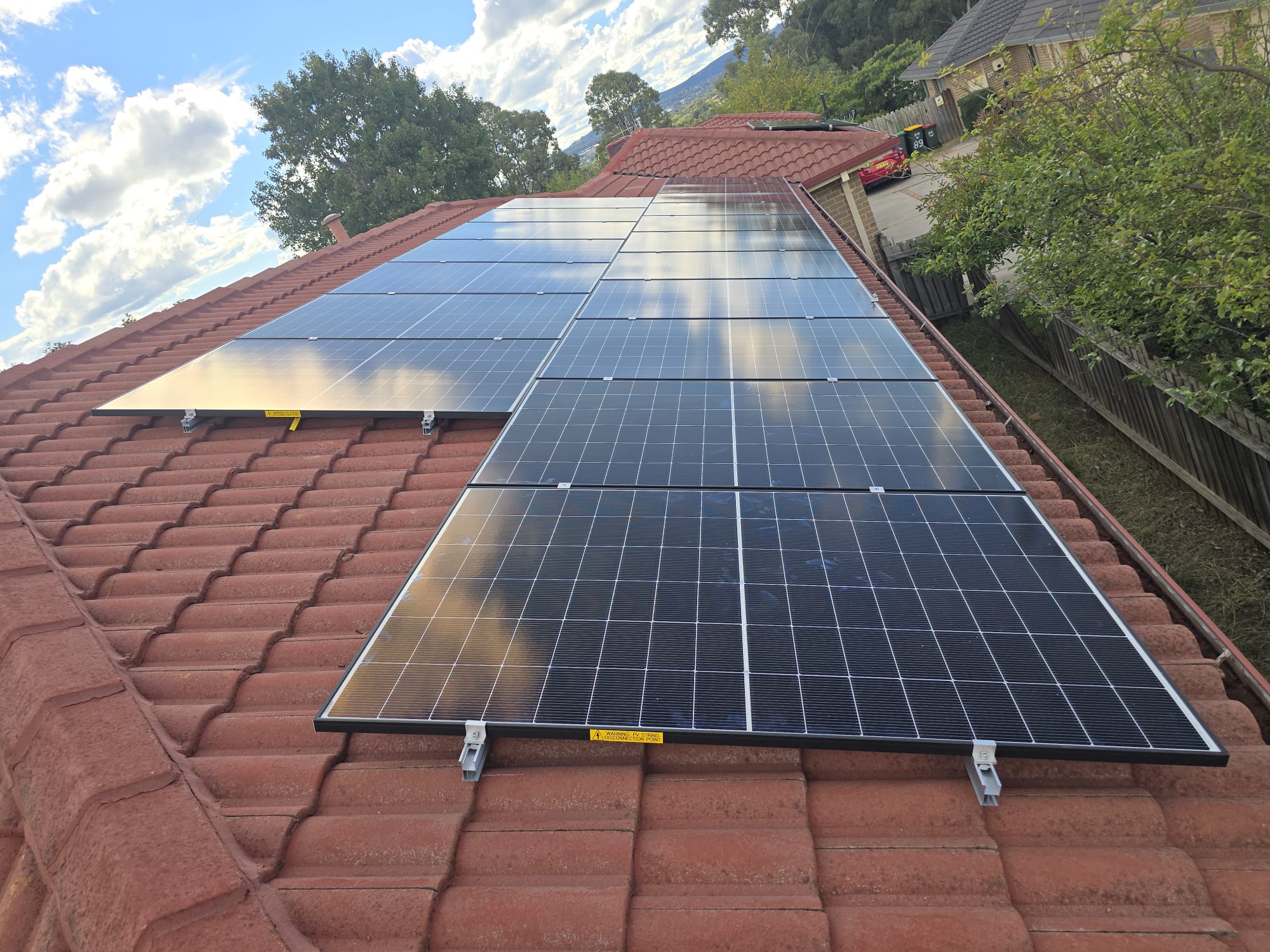
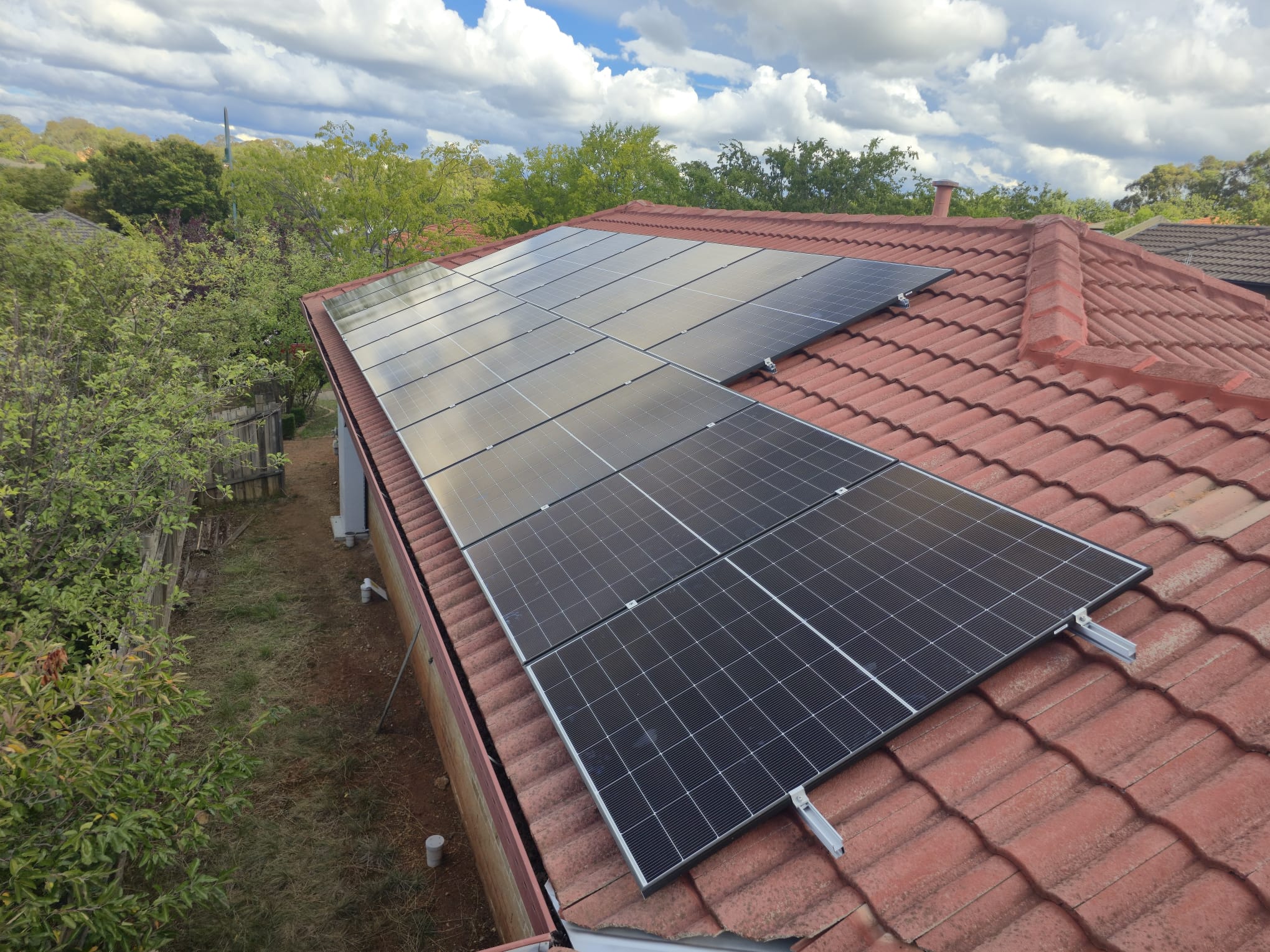
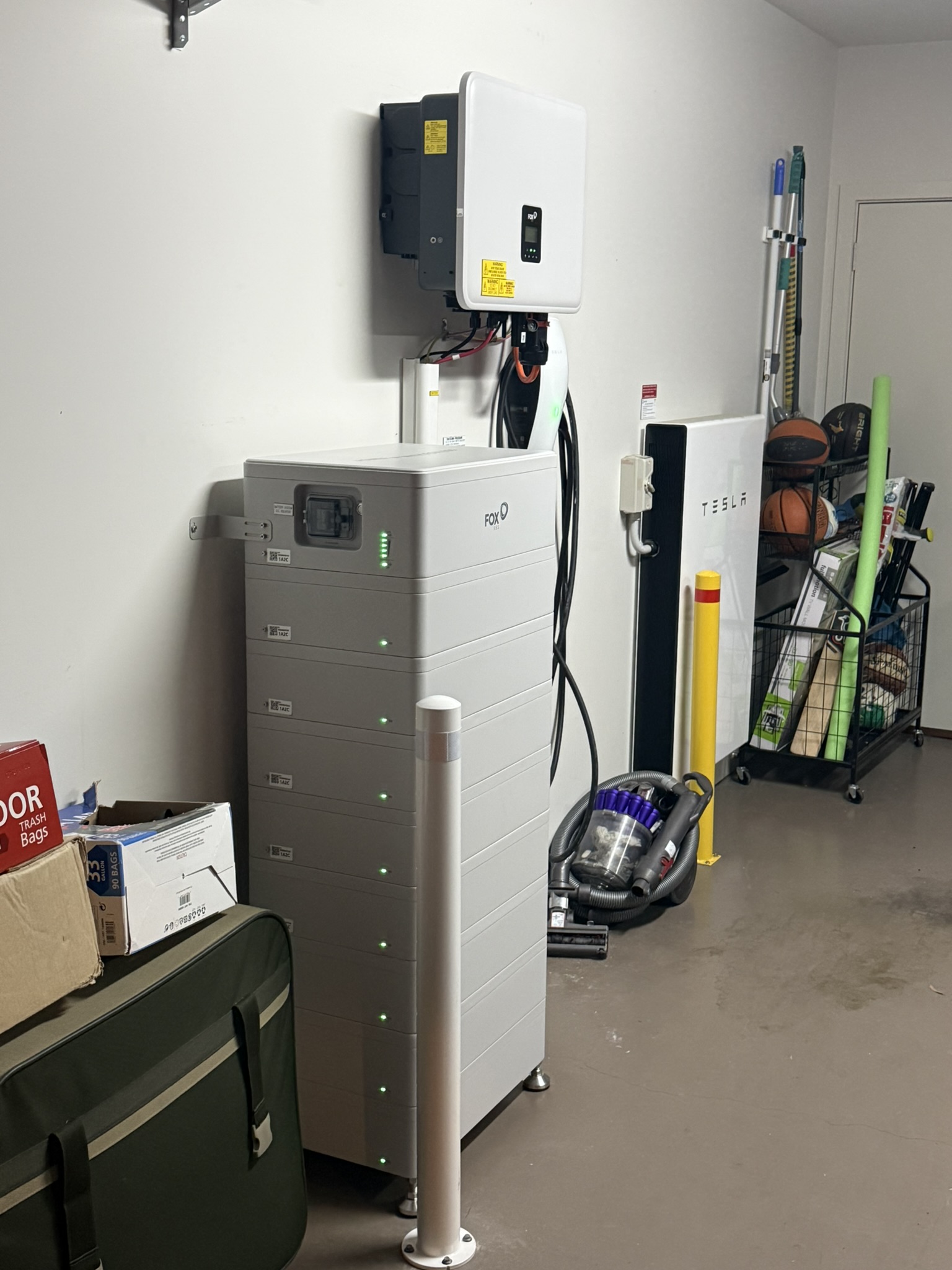
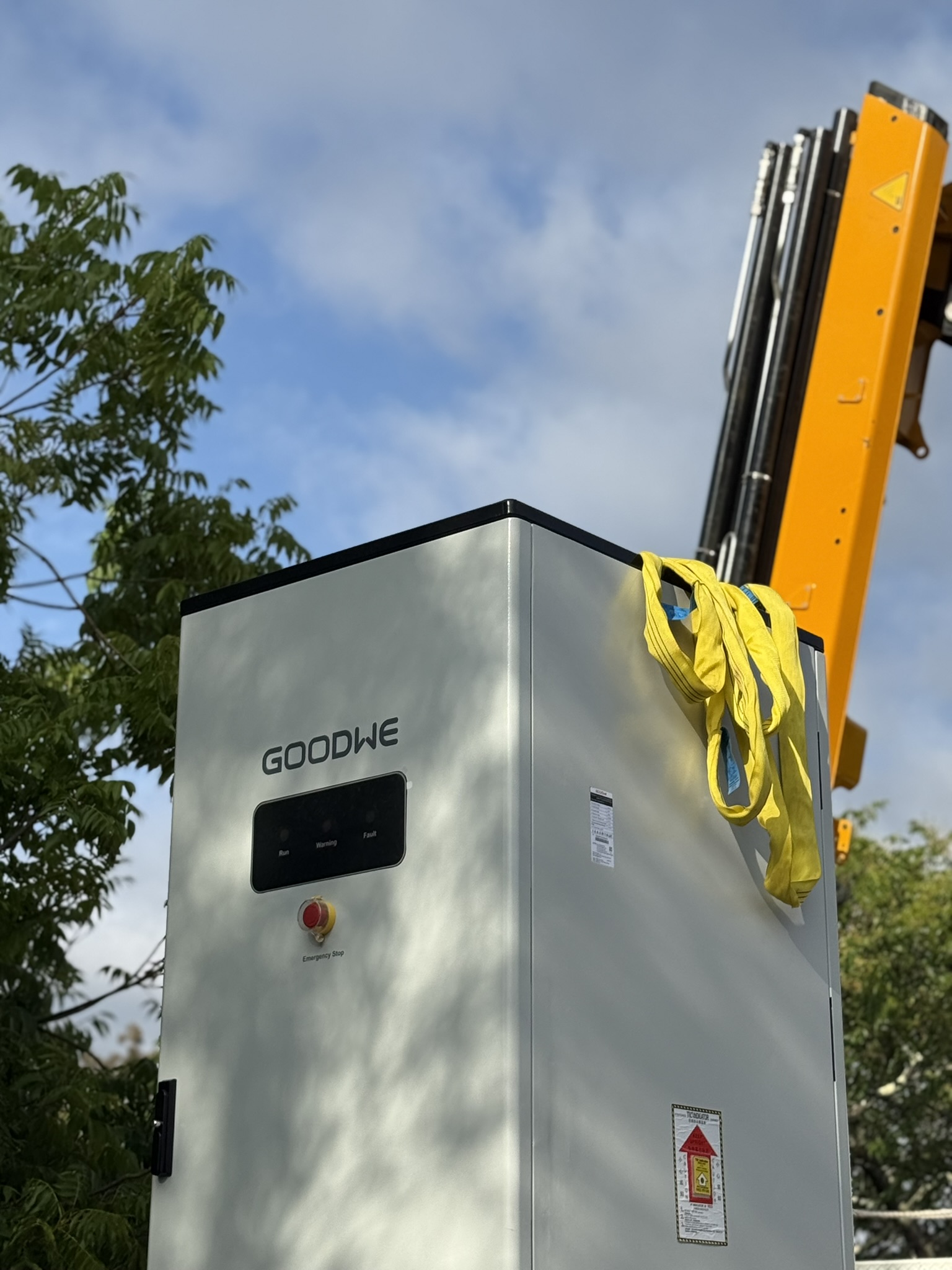
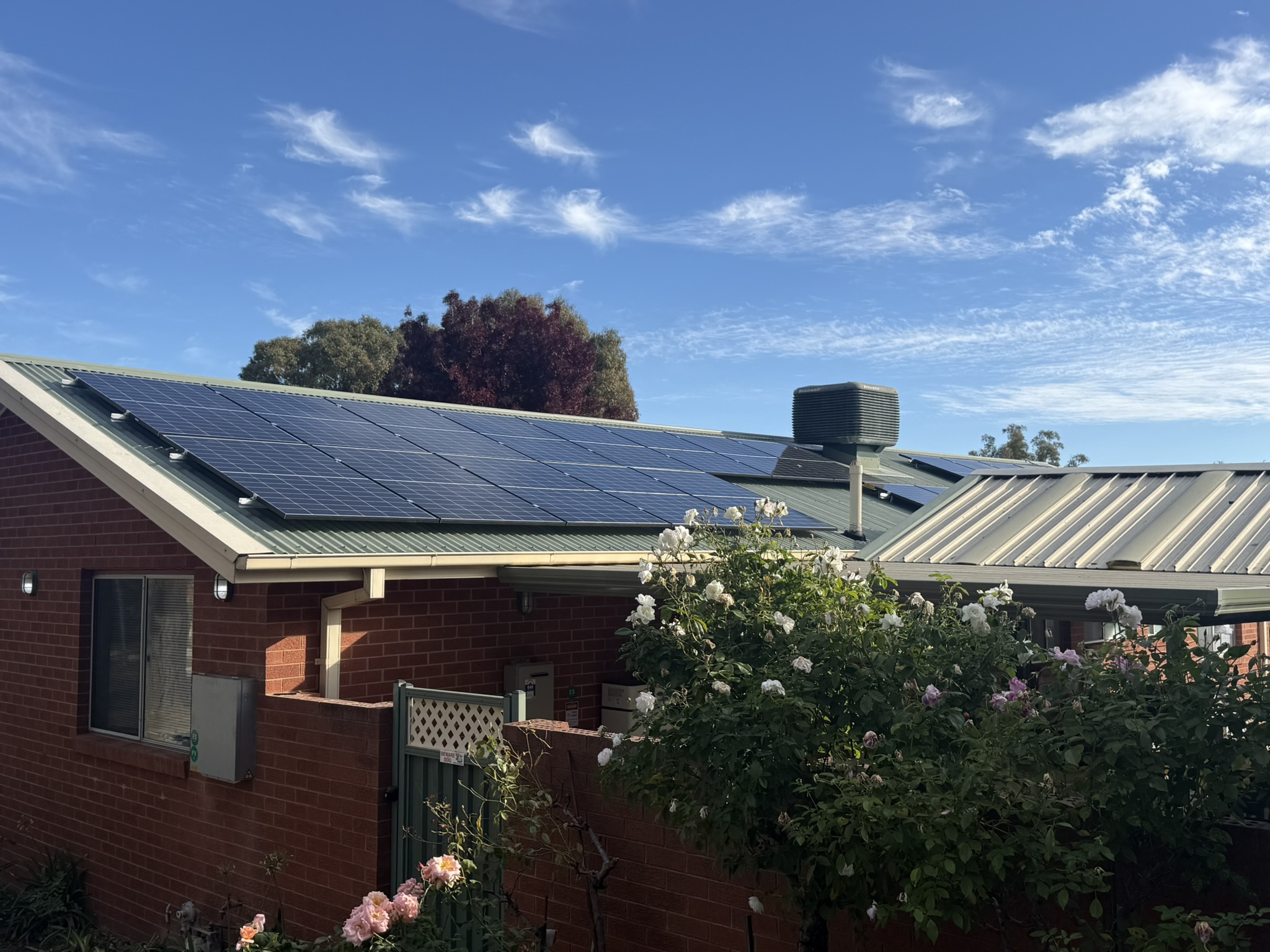
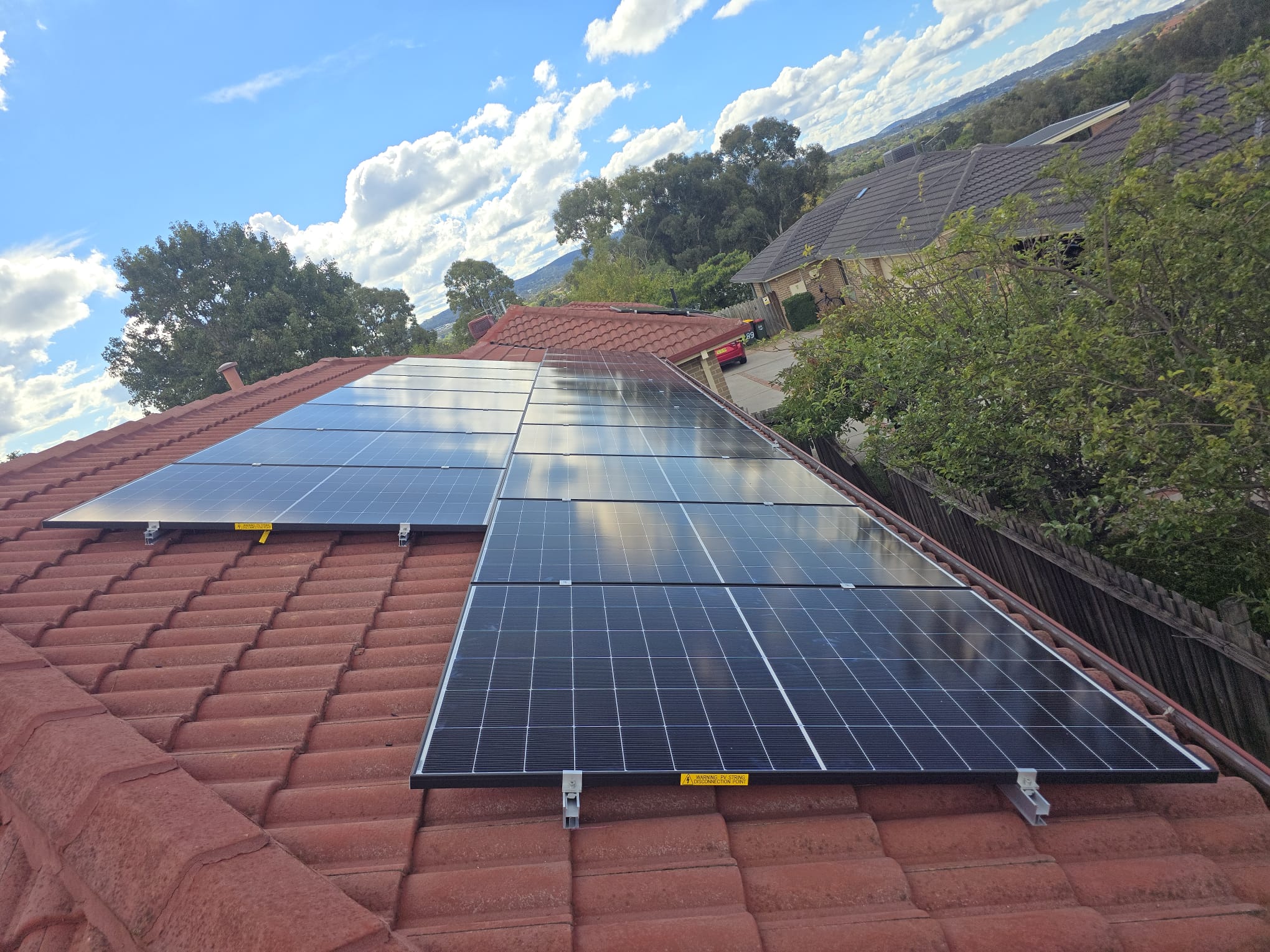
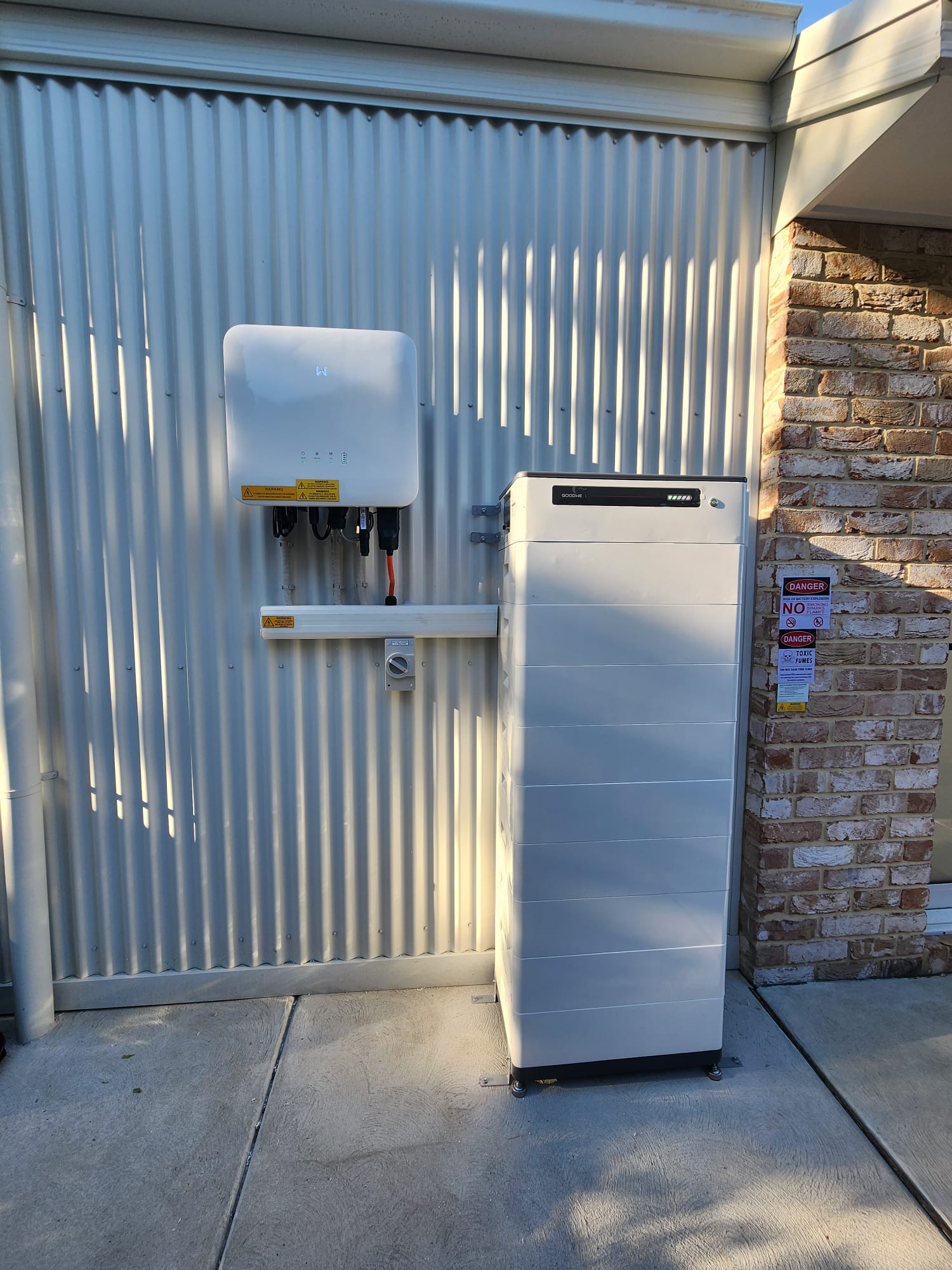
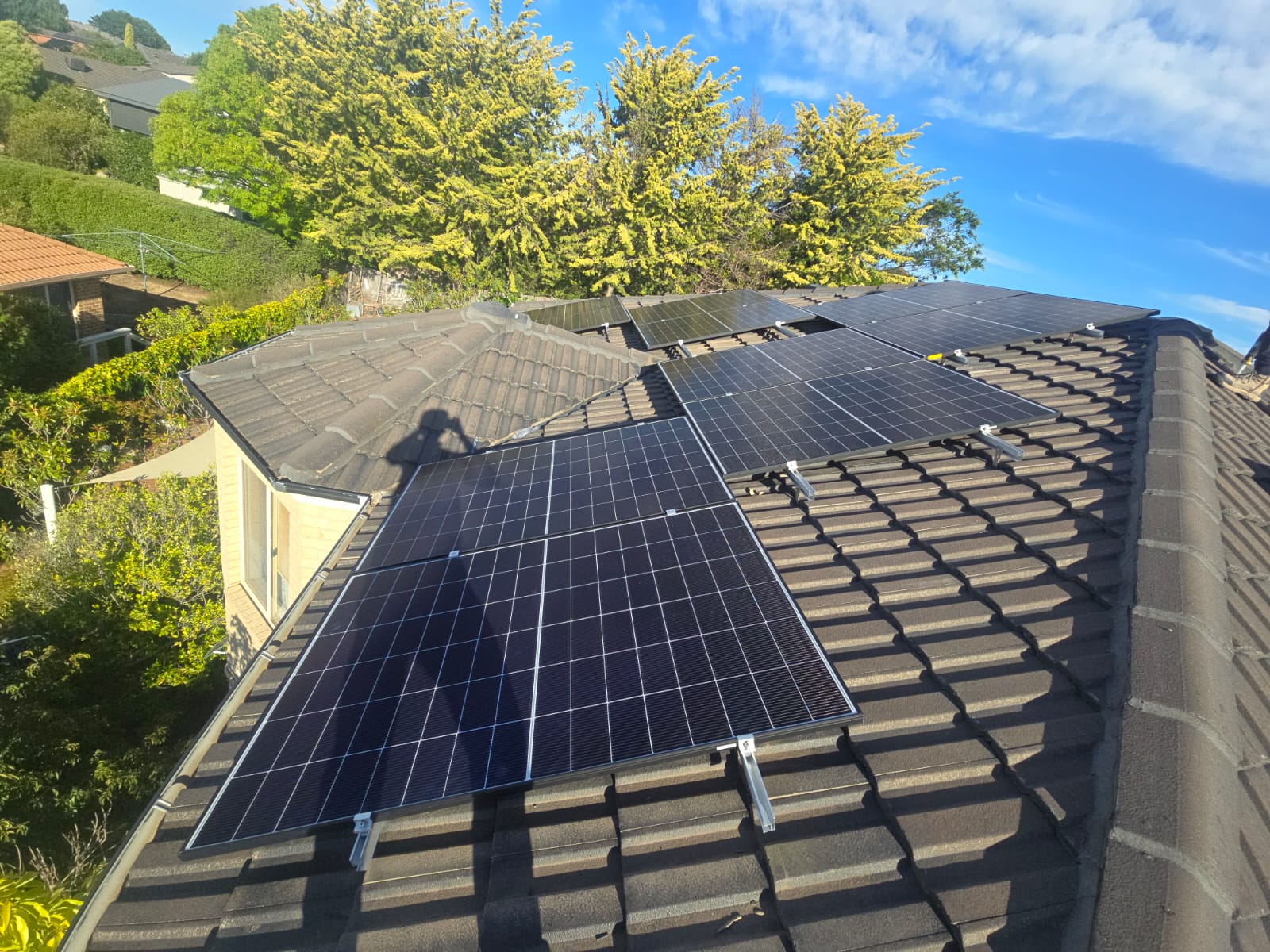
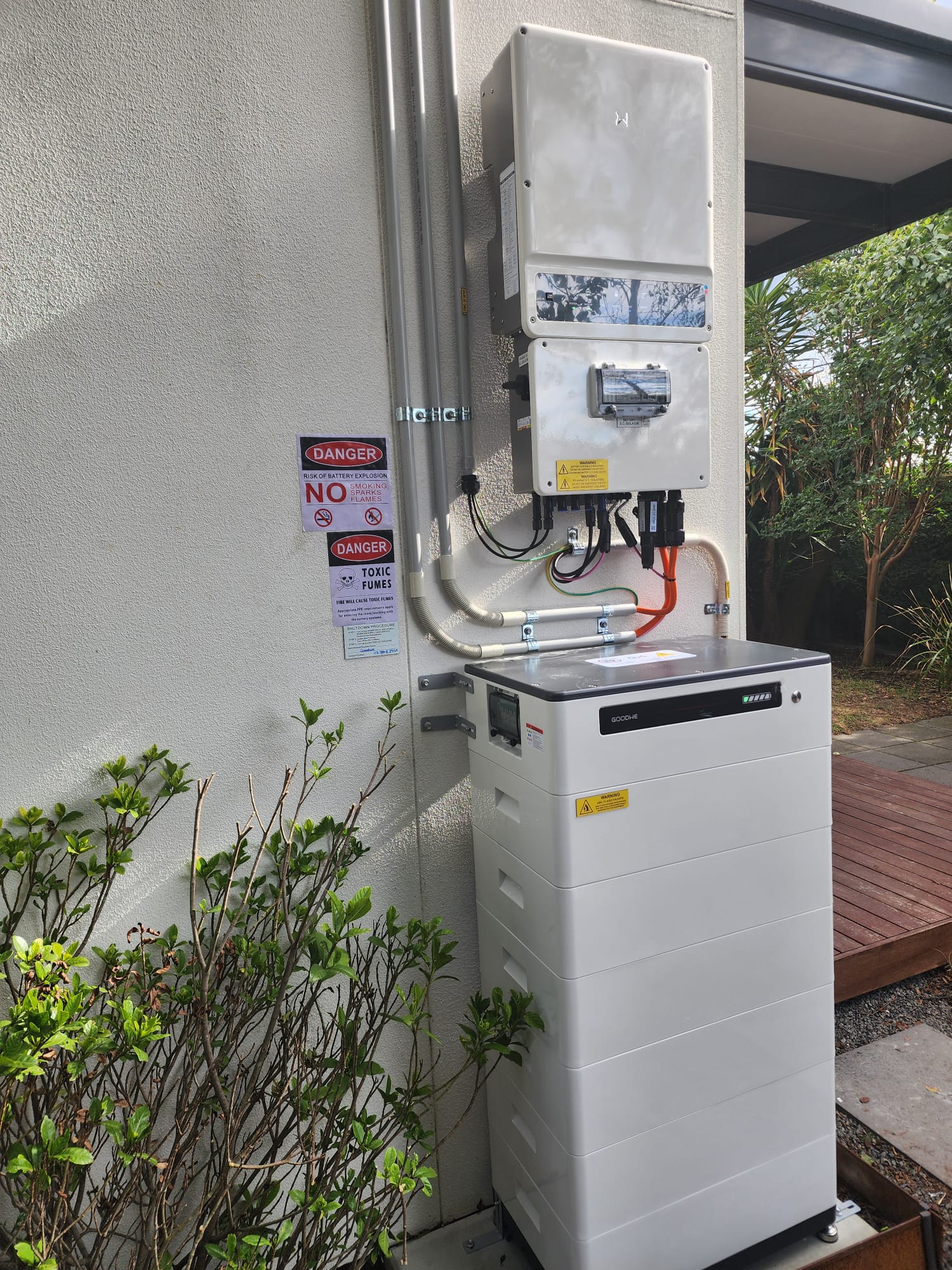
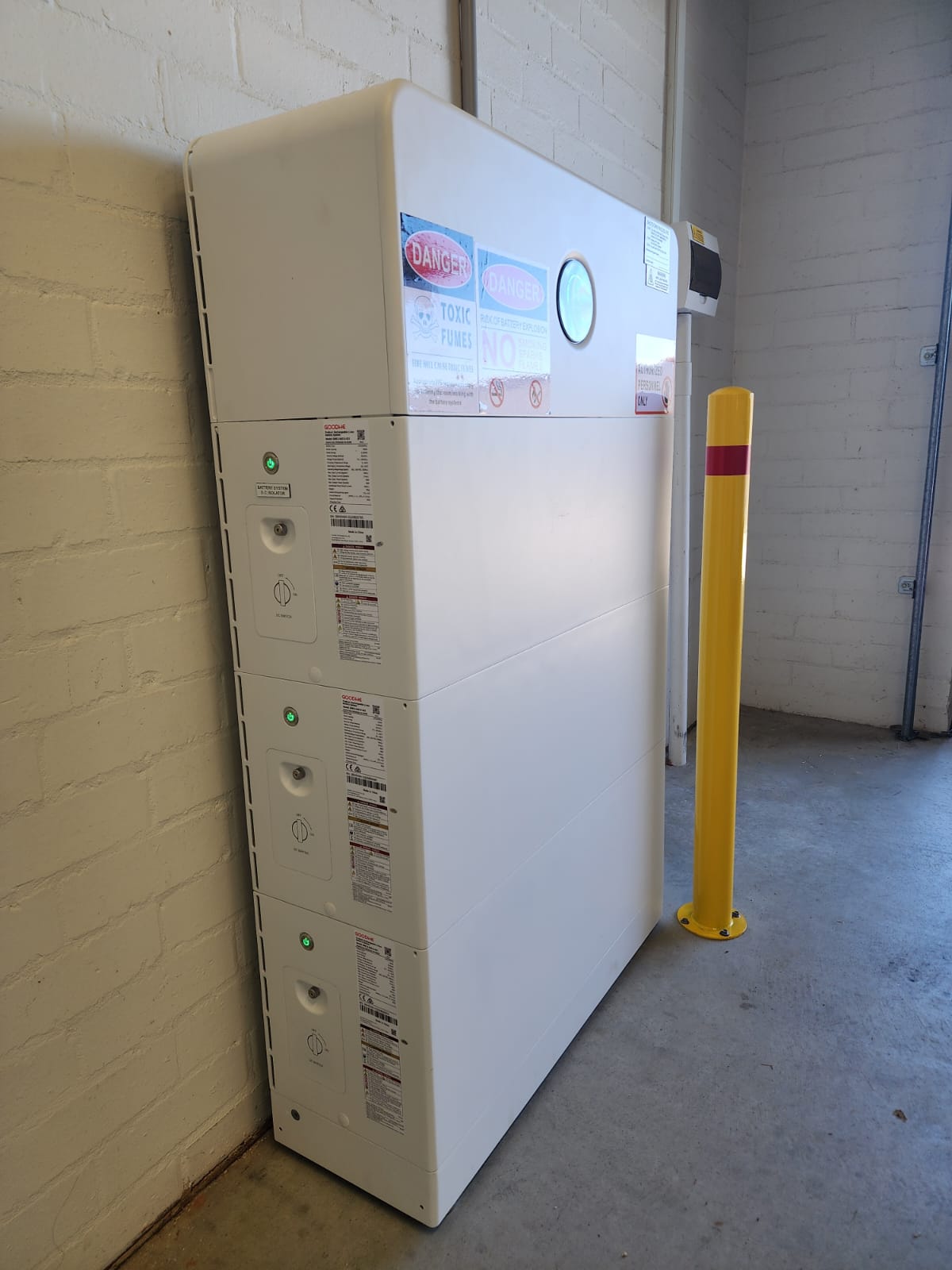
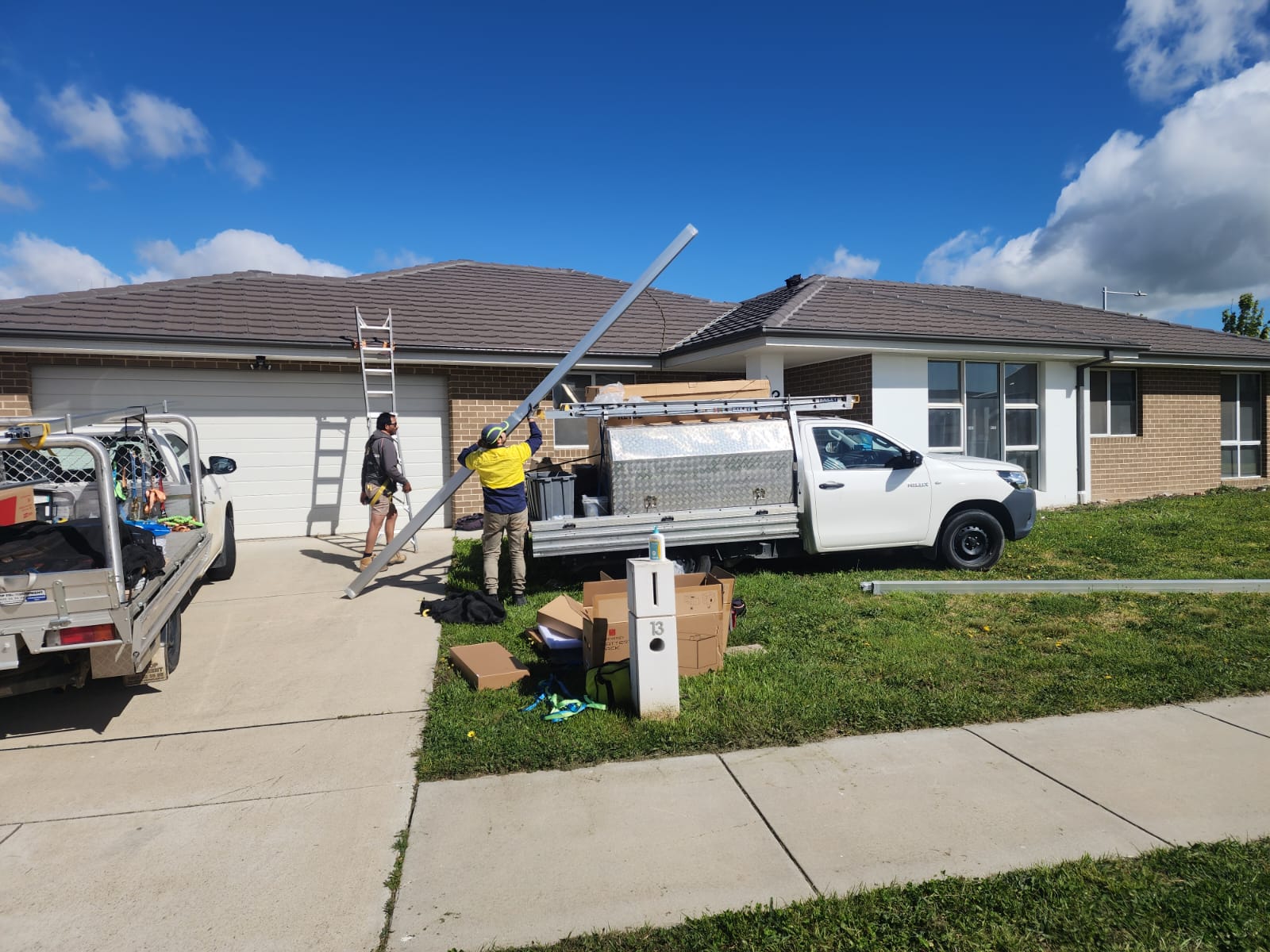
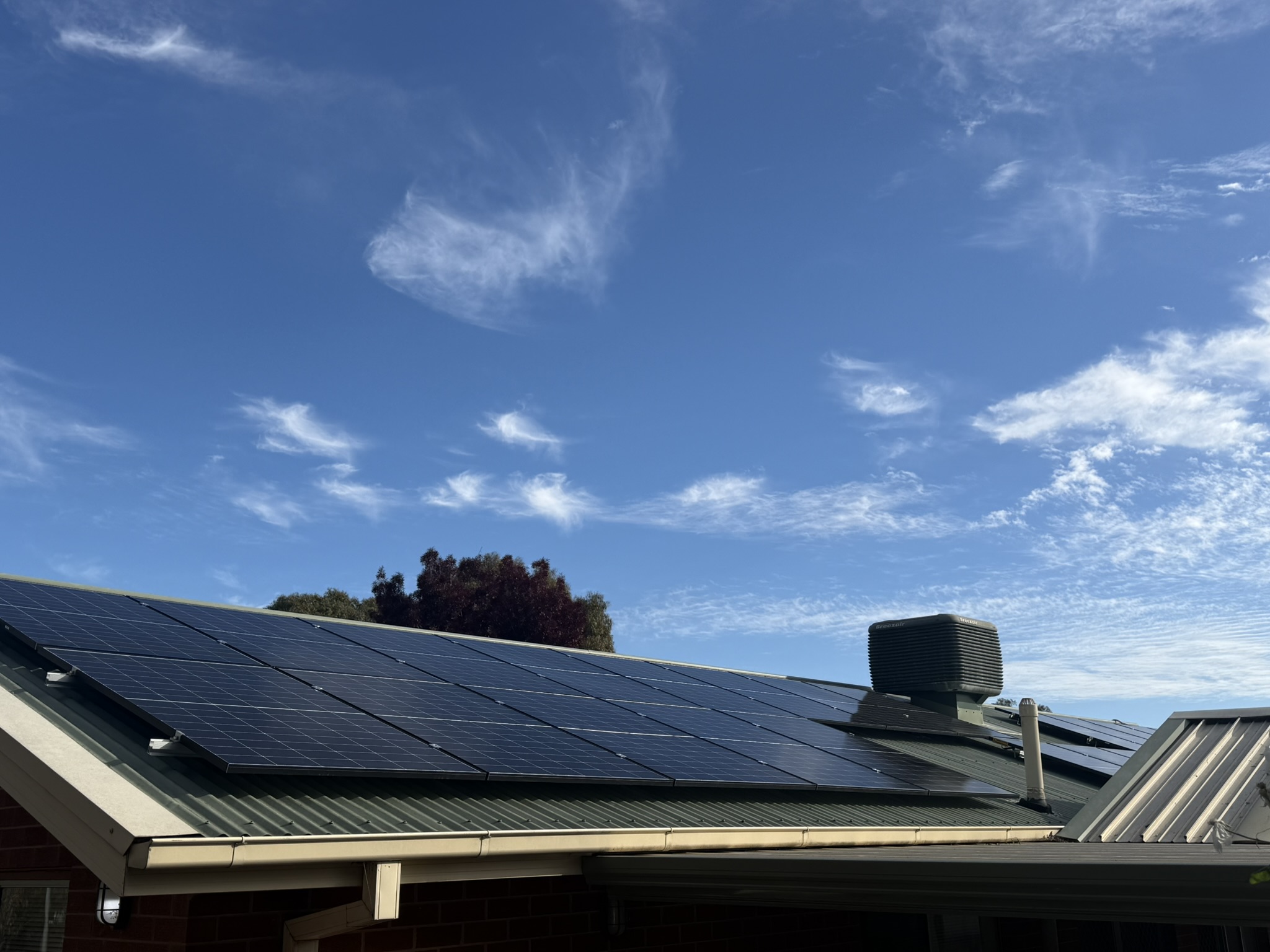
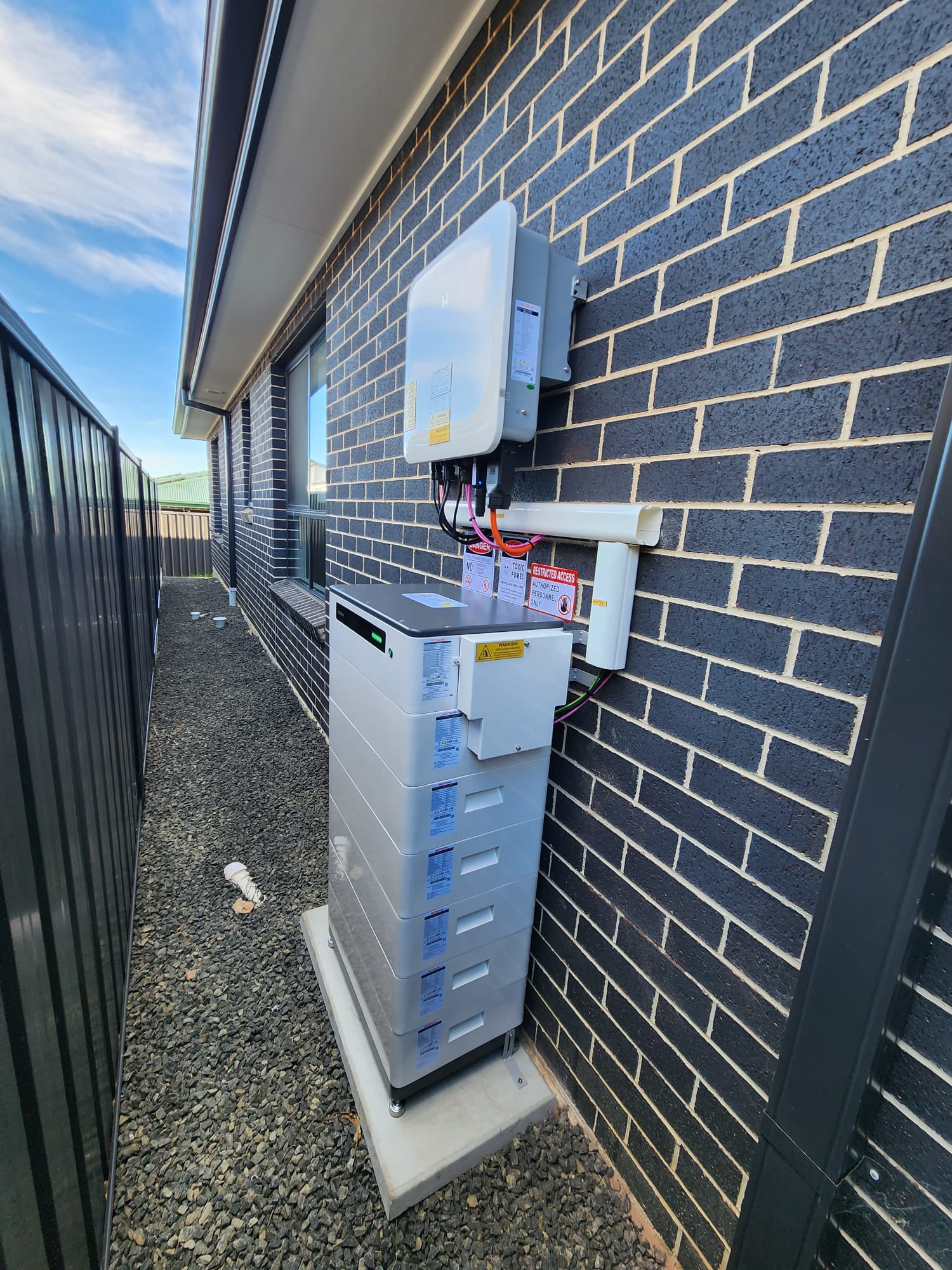
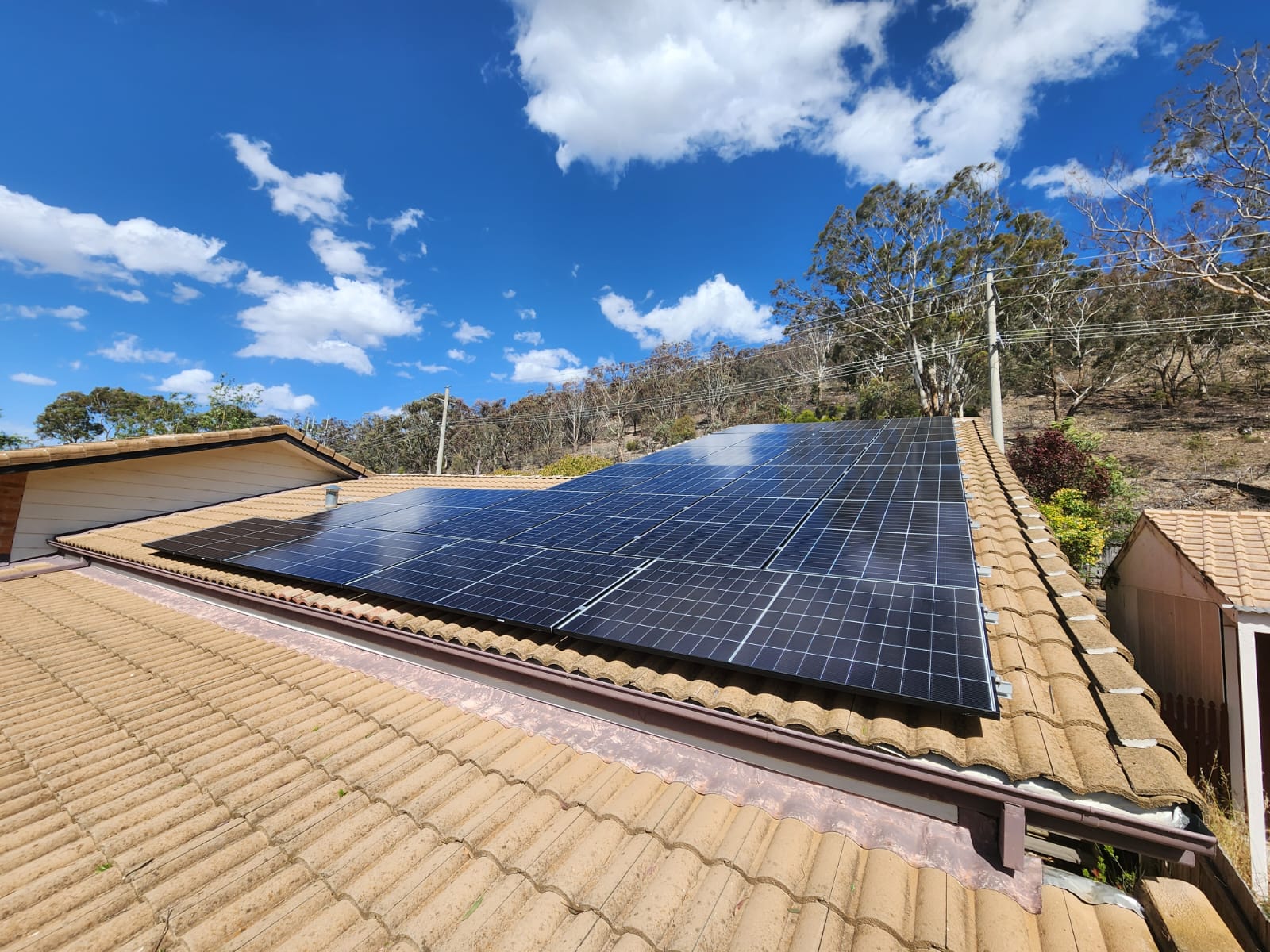
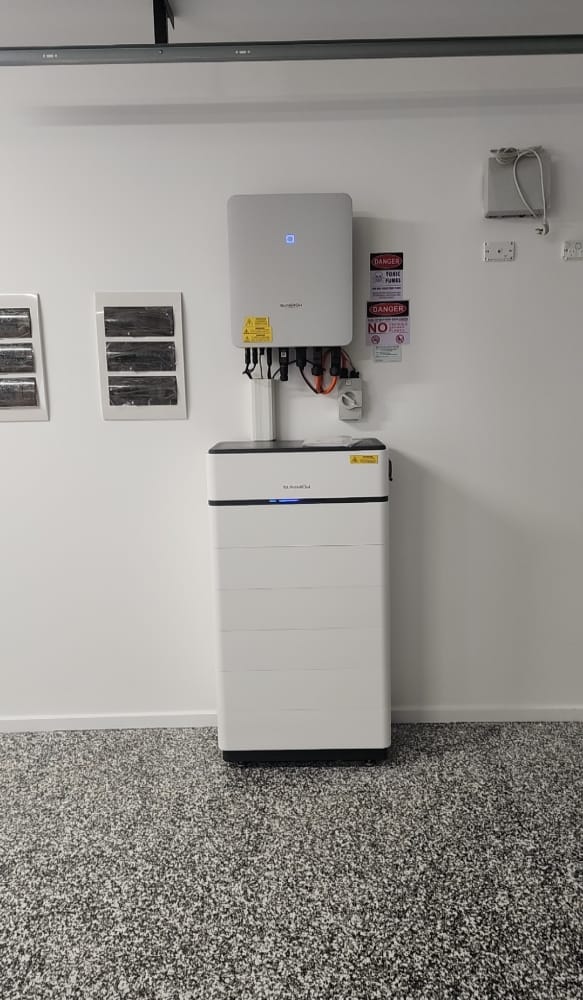
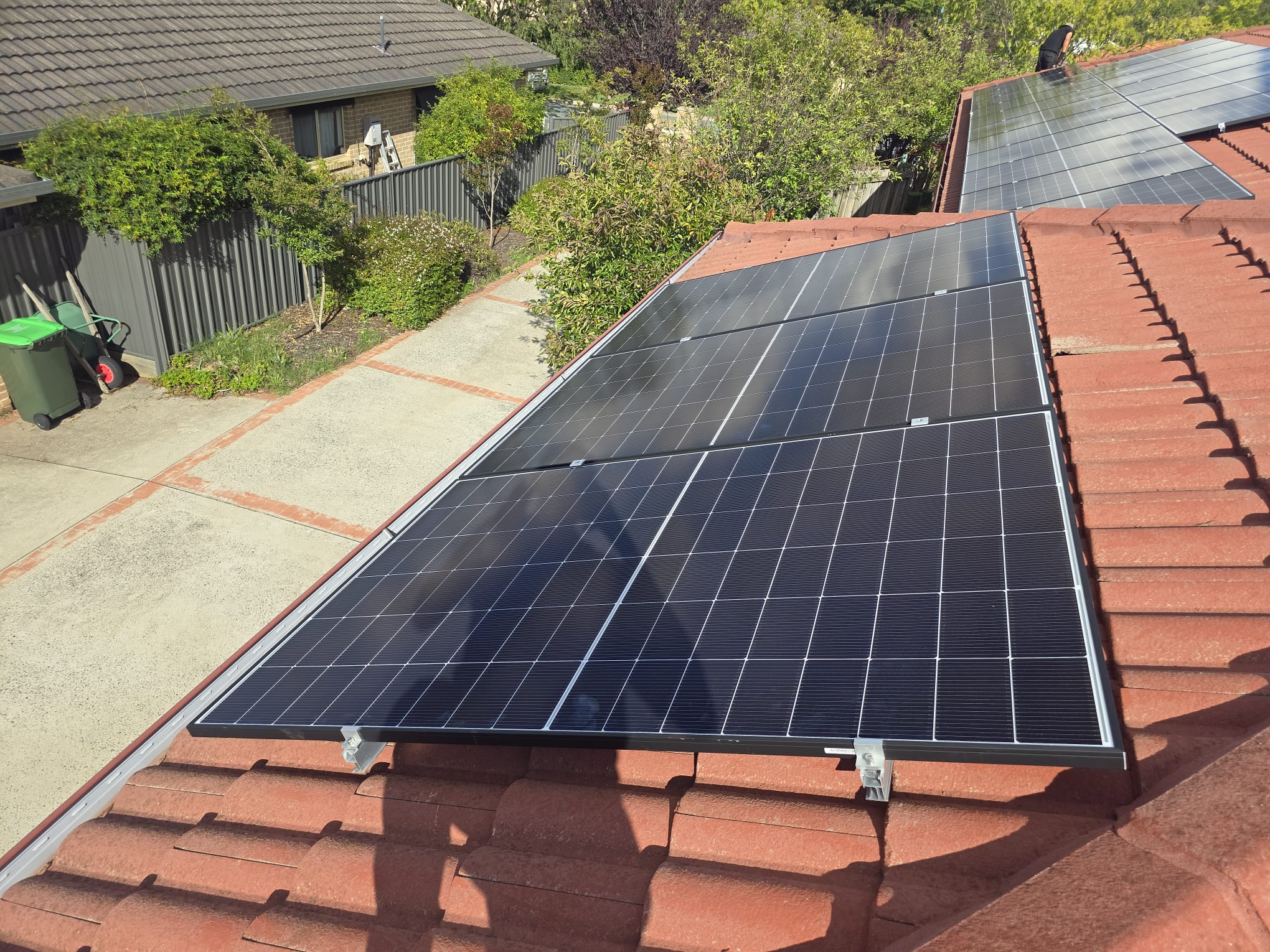
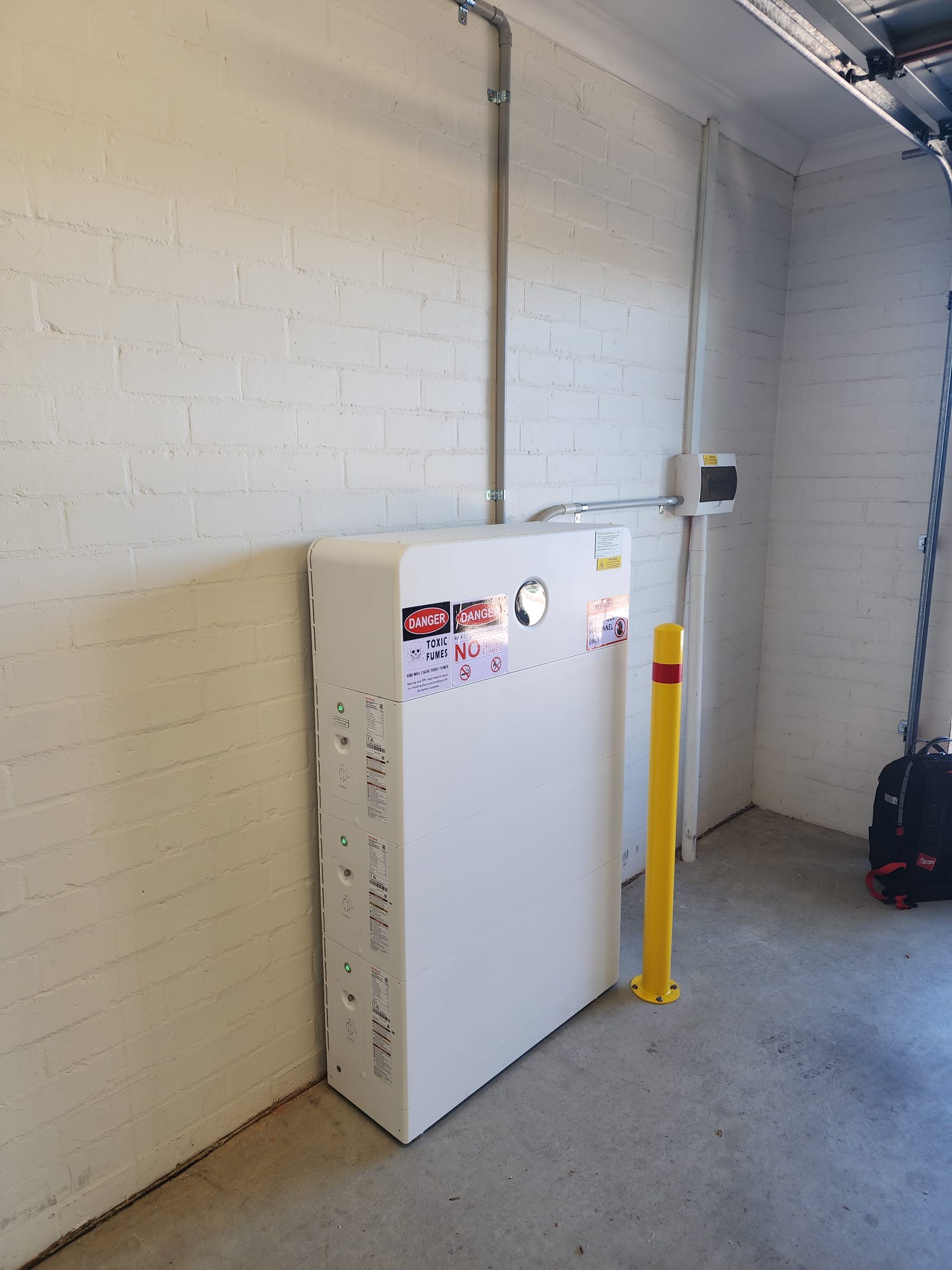
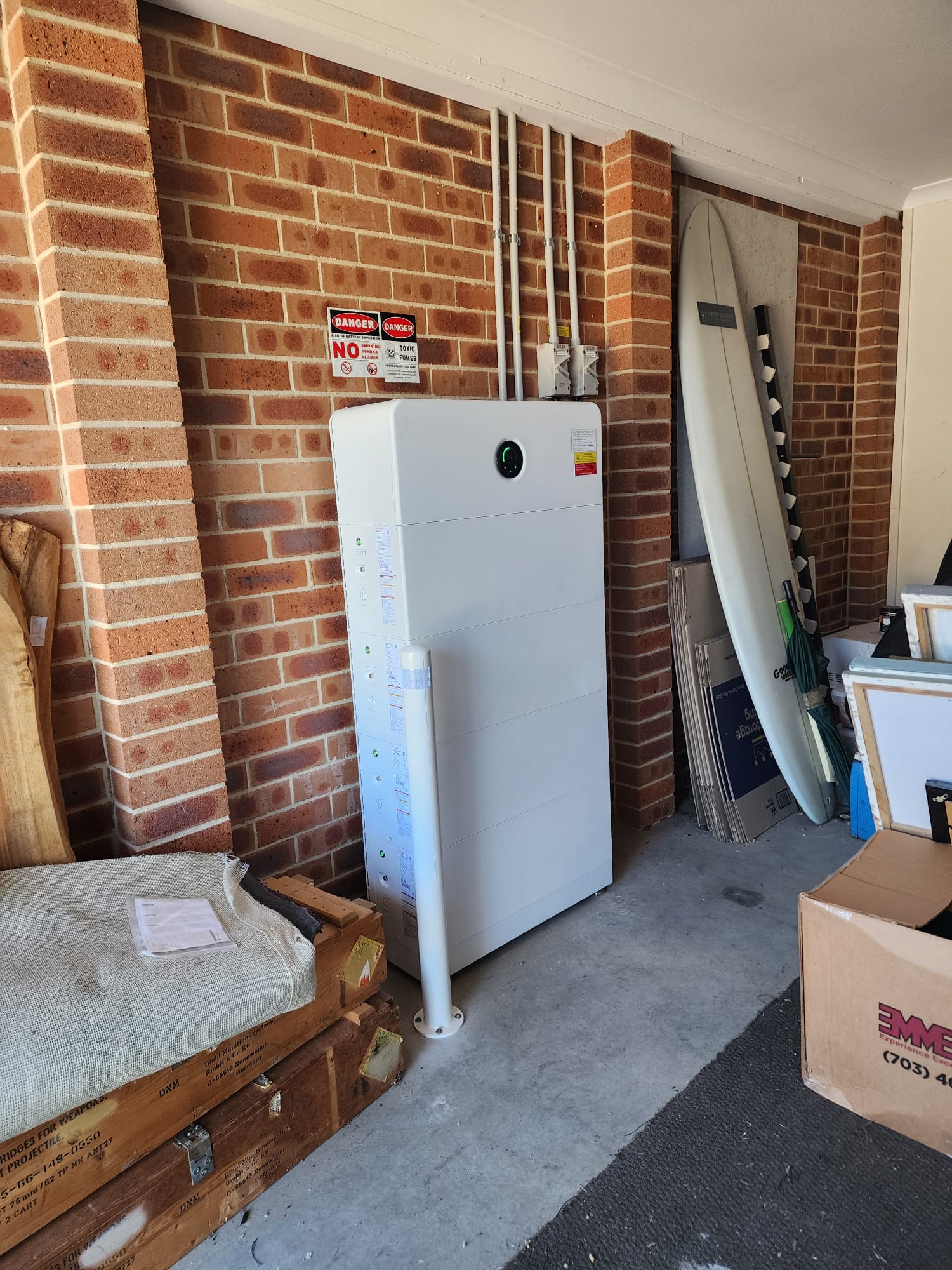
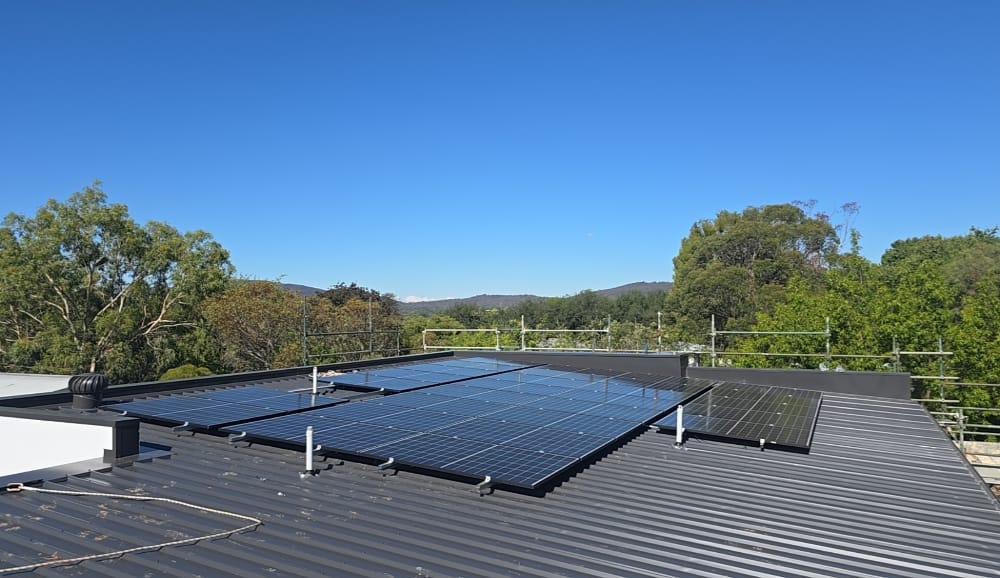
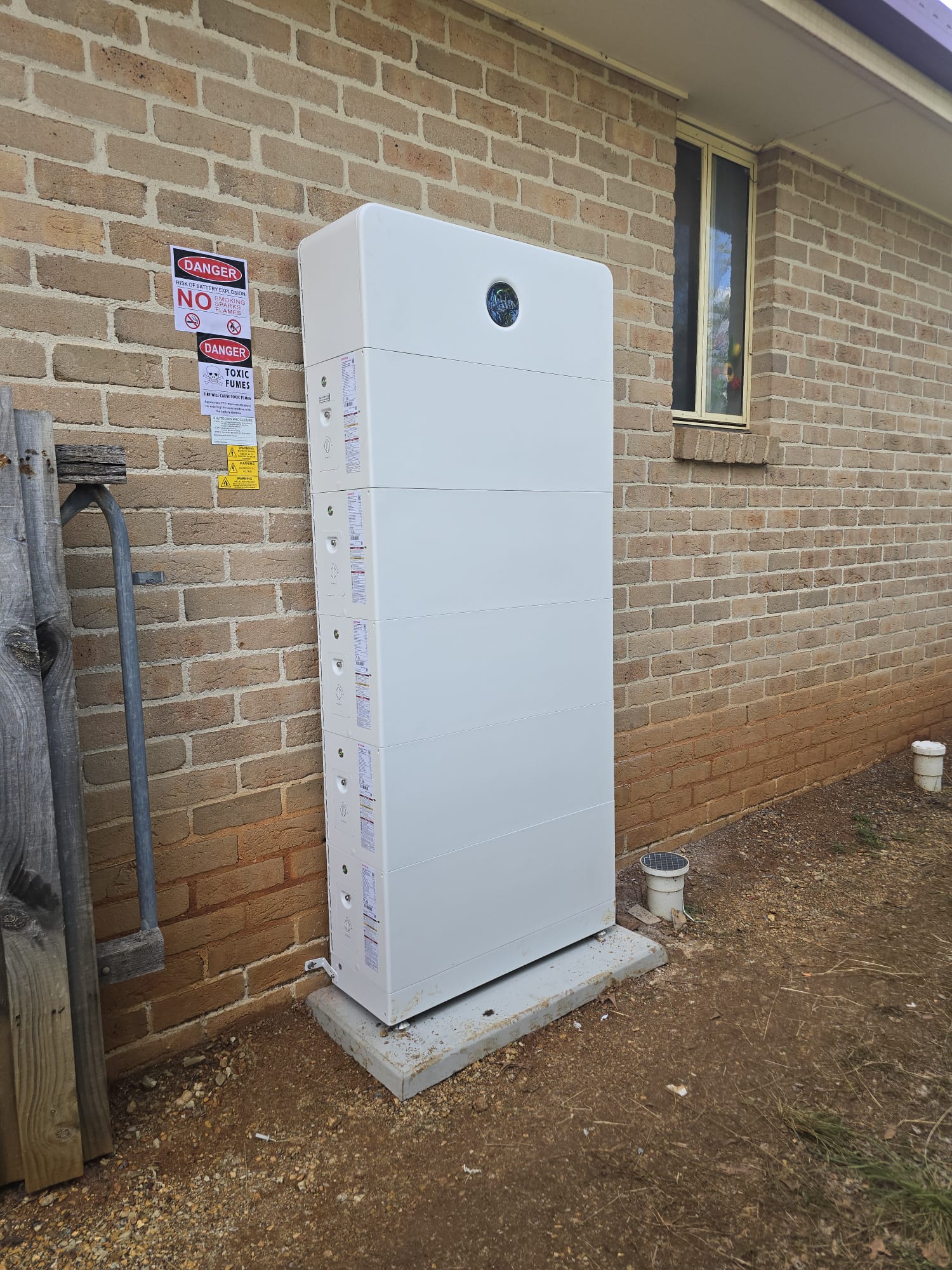
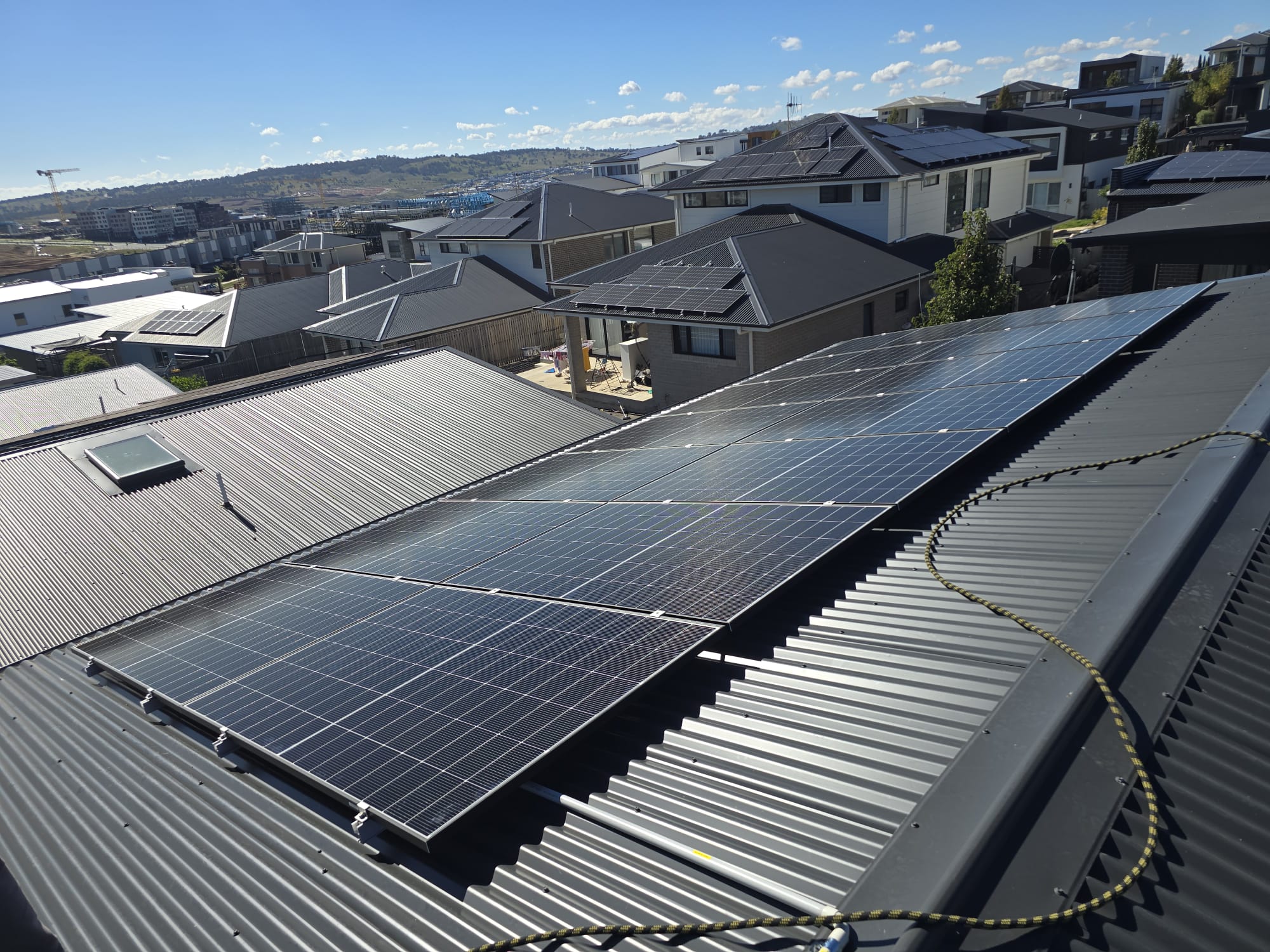
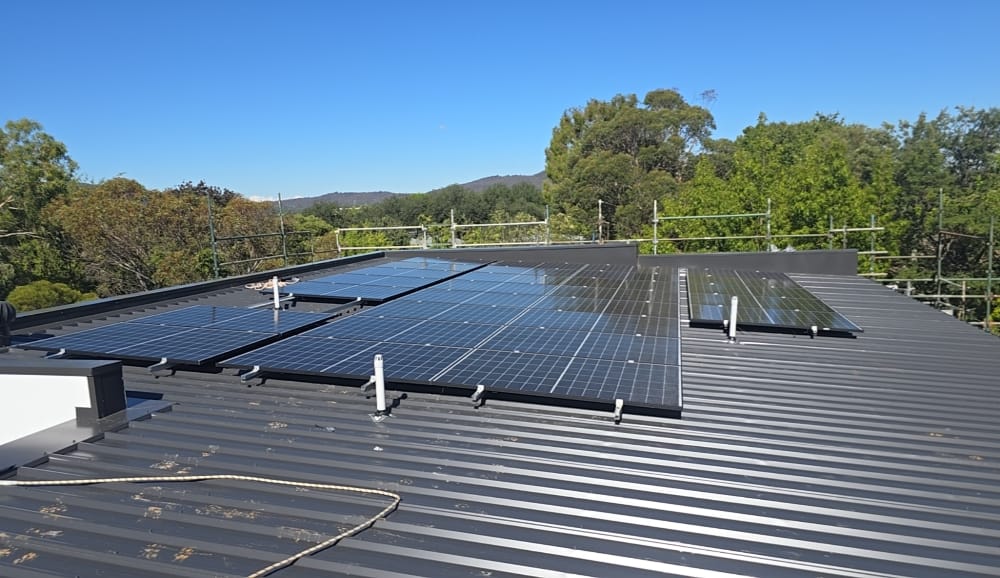
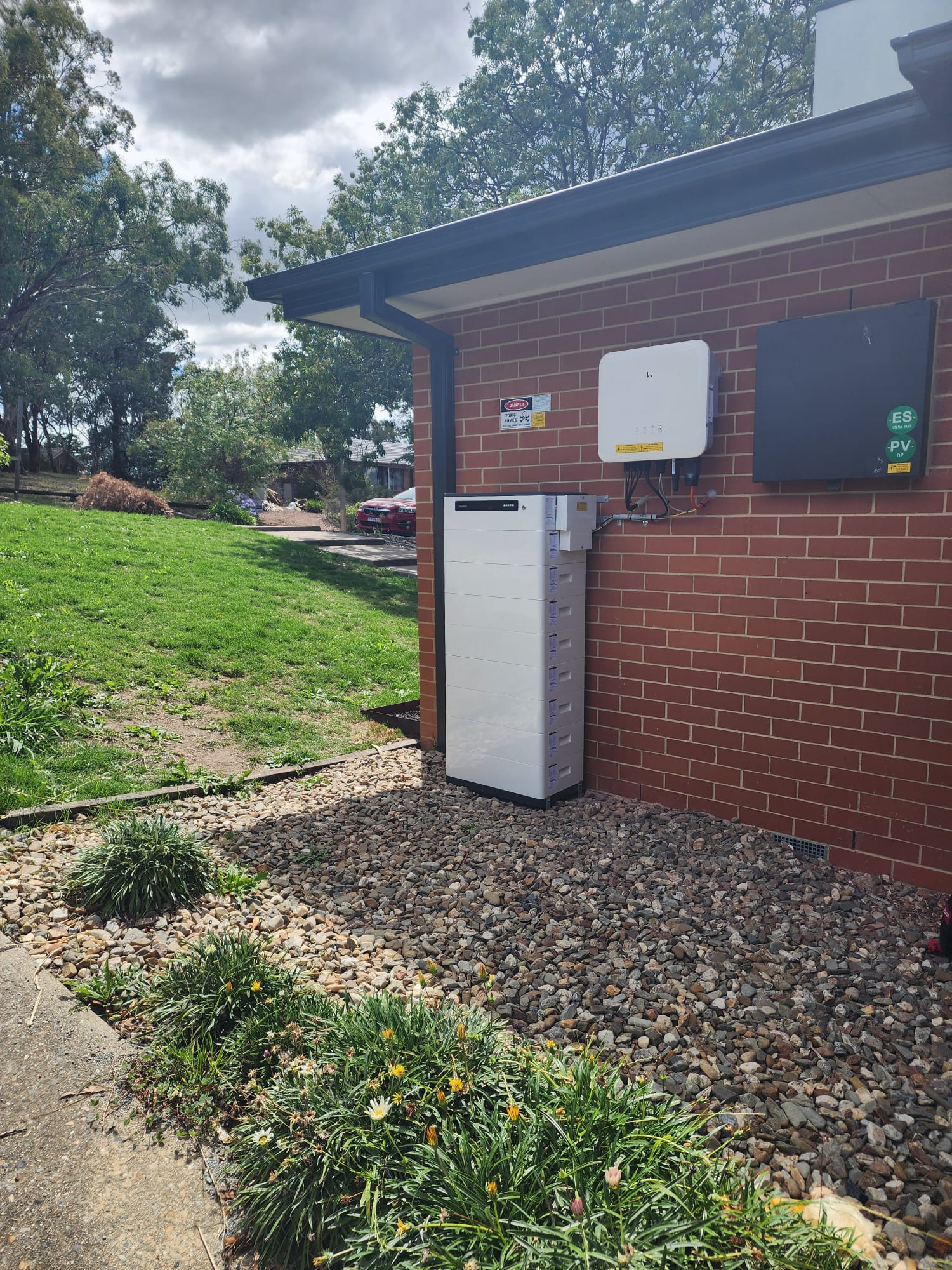
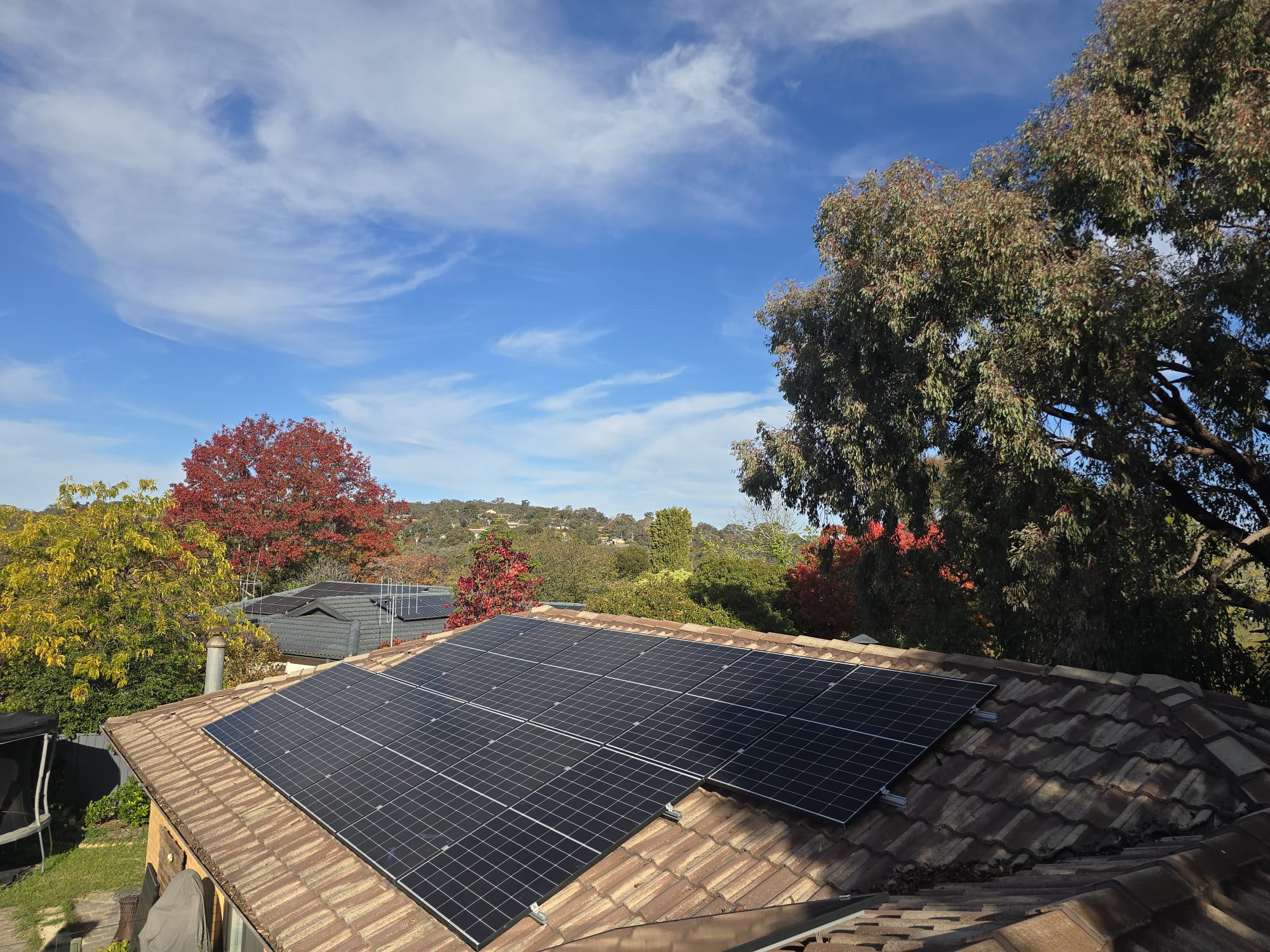
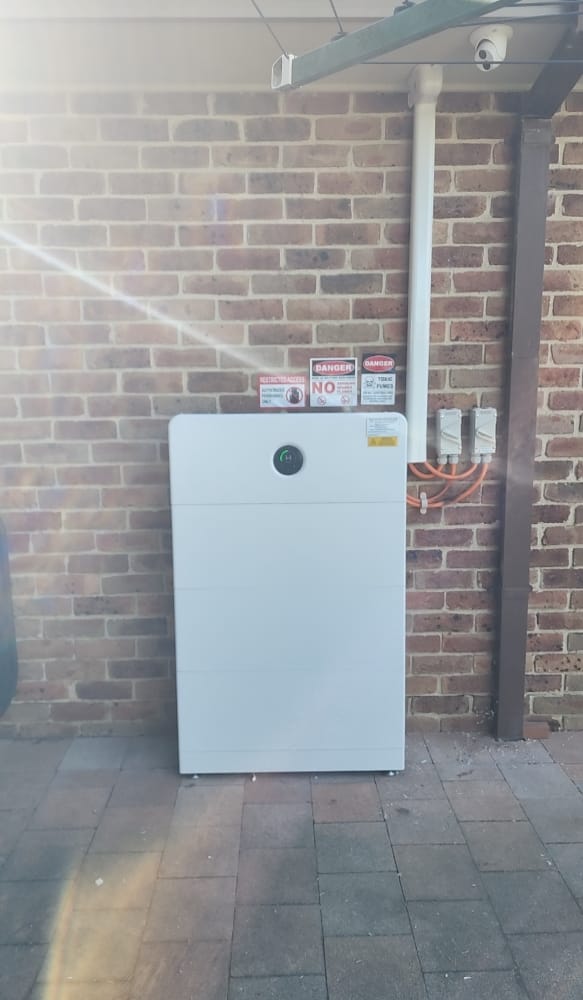
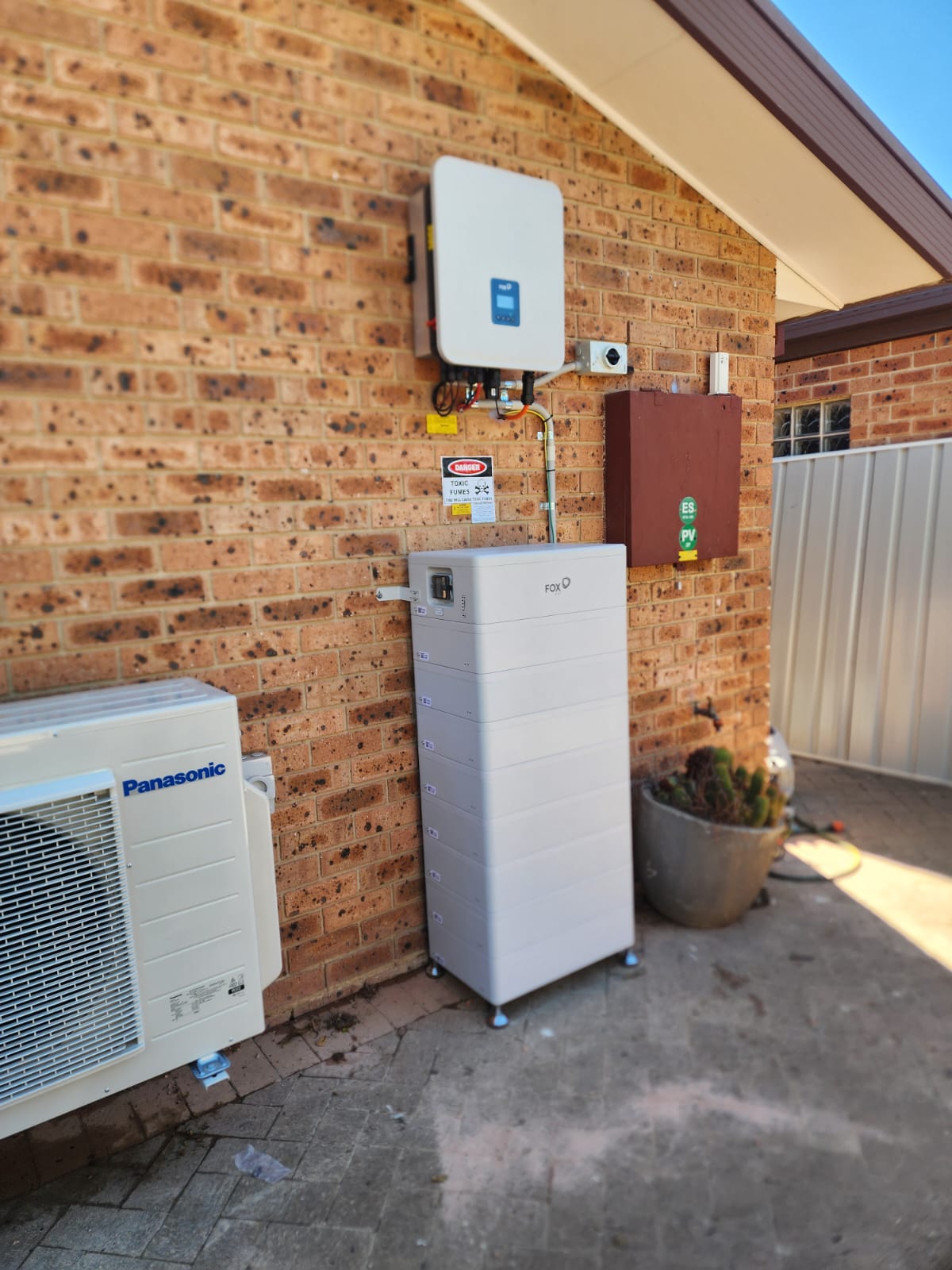
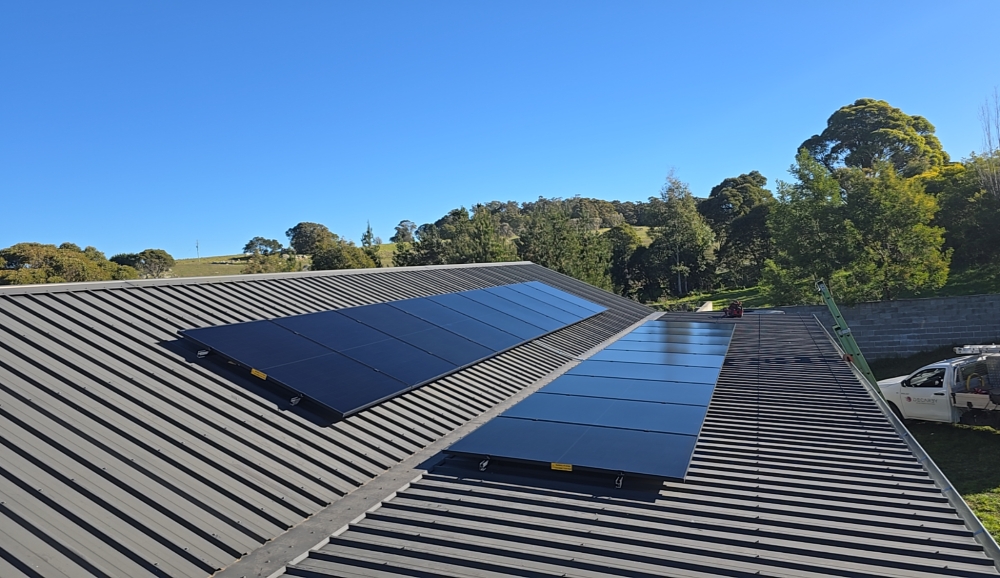
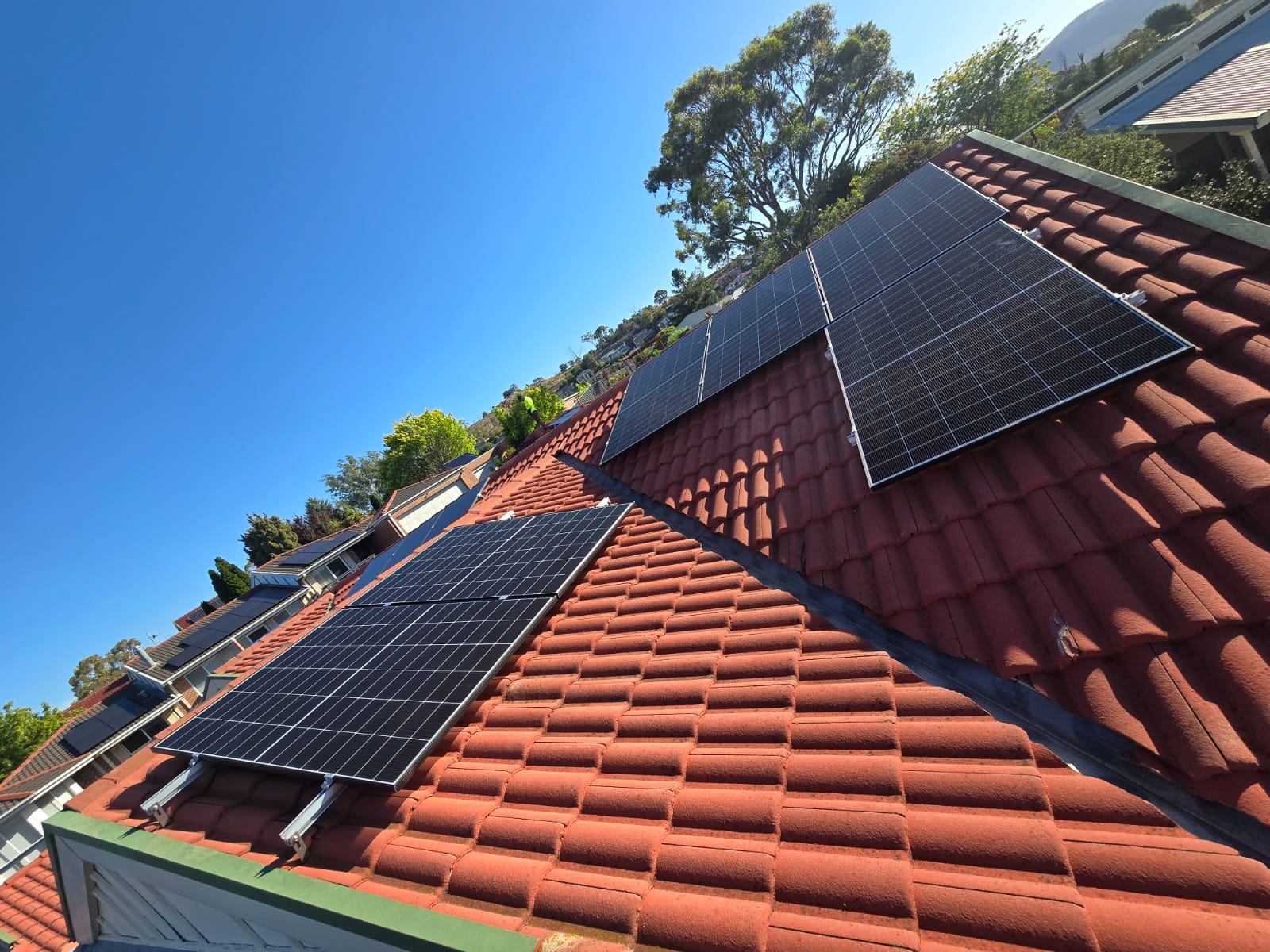
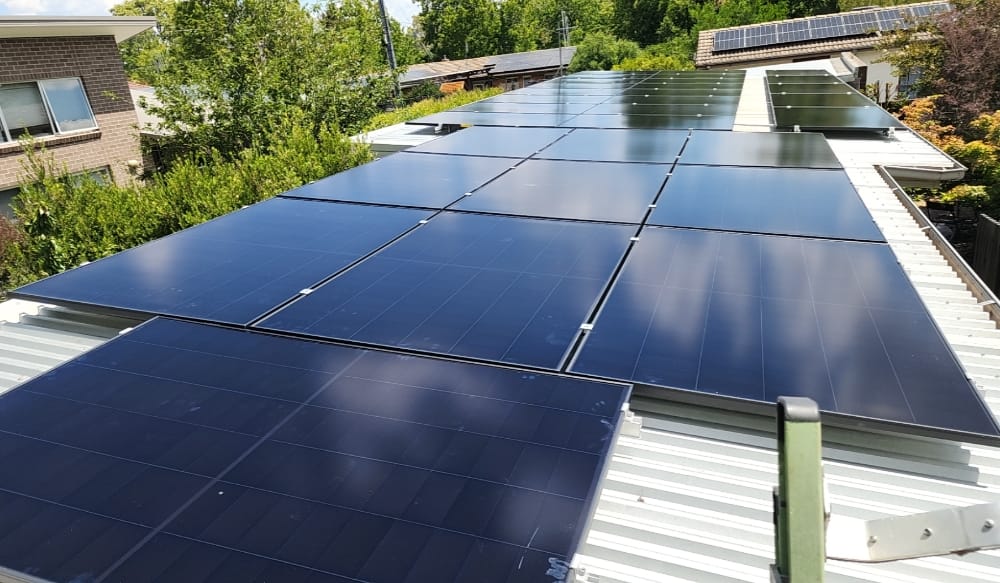
OUR WORKS
FREQUENTLY ASKED QUESTIONS
An EV home charger installation involves fitting dedicated charging equipment at a residential property so an electric vehicle can be charged more conveniently than through a standard household outlet. The installation should consider the vehicle, charger, switchboard, electrical capacity, and charging location.
A dedicated home charger can provide faster and more convenient charging, better control over charging times, and access to compatible smart-charging features.
A Level 2 charger is generally designed to charge an electric vehicle more quickly than a standard household outlet. Actual charging speed depends on the vehicle, charger capacity, and available electrical supply.
Compatible charging equipment may be configured to charge when solar generation is available. The result depends on the solar system, household demand, charger controls, vehicle availability, and overall energy design.
An EV charger may form part of a home energy system that includes battery storage. Compatibility and operating priorities should be assessed based on the charger, battery, inverter, controls, and household energy requirements.
Yes. The home’s switchboard, available supply capacity, existing electrical loads, and possible installation requirements should be assessed before the charger is selected and installed.
The position depends on vehicle parking, cable access, electrical routes, weather exposure, equipment requirements, and safe everyday use. A site assessment helps identify a practical location.
Many compatible smart chargers support scheduling. Available features depend on the charger, vehicle, monitoring system, and electricity plan.
Future vehicle charging requirements can be considered during the initial design. The available electrical capacity and energy-management strategy should be reviewed before planning additional chargers or higher demand.
The right ev charger installation depends on vehicle compatibility, desired charging capacity, electrical supply, installation location, smart features, solar or battery integration, and future household energy requirements.
You don't need to have the answer before you call us.
Tell us about your home, your electricity use and what you're hoping to achieve. We'll help you work through what makes sense whether that's solar now, solar and battery together, or a system designed so you can add more later.
Practical advice. No sales pressure.