
Heating and Cooling From One System
A reverse-cycle system provides heating in winter and cooling in summer, so the home does not need separate appliances for each season.
AIR CONDITIONING
Upgrade your home comfort with efficient reverse-cycle air conditioning designed for Canberra conditions, year-round heating and cooling, and a more practical all-electric home.
YEAR-ROUND HOME COMFORT
Canberra homes deal with hot summers and cold winters, which makes heating and cooling one of the larger parts of household energy use. Reverse-cycle air conditioning covers both from a single system.
Airconditioning installation is often a practical first step in a home electrification plan, because it replaces gas heating with efficient electric equipment the household already knows how to operate.
Decarby installs systems around the property and the way it is actually used, rather than fitting the same unit to every home. Room layout, the areas being conditioned and household requirements all influence what suits.
Because reverse-cycle systems run on electricity, they can also work alongside rooftop solar and the other electric systems in the home.
BENEFITS
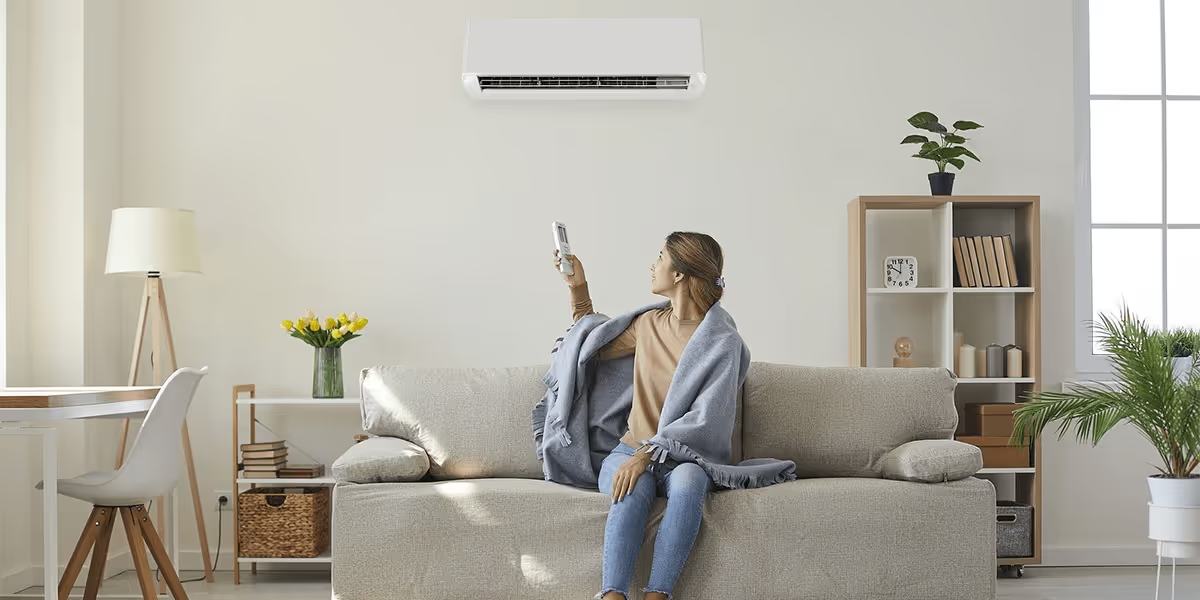
Reverse-cycle equipment is a common choice for air-conditioning installation in the ACT because one system handles both seasons and modern units are designed to run efficiently.
A reverse-cycle system provides heating in winter and cooling in summer, so the home does not need separate appliances for each season.
Inverter systems adjust their output to match demand rather than switching fully on and off, which can improve efficiency during normal operation.
Systems filter the air they circulate, which can help manage dust and airborne particles inside the home.
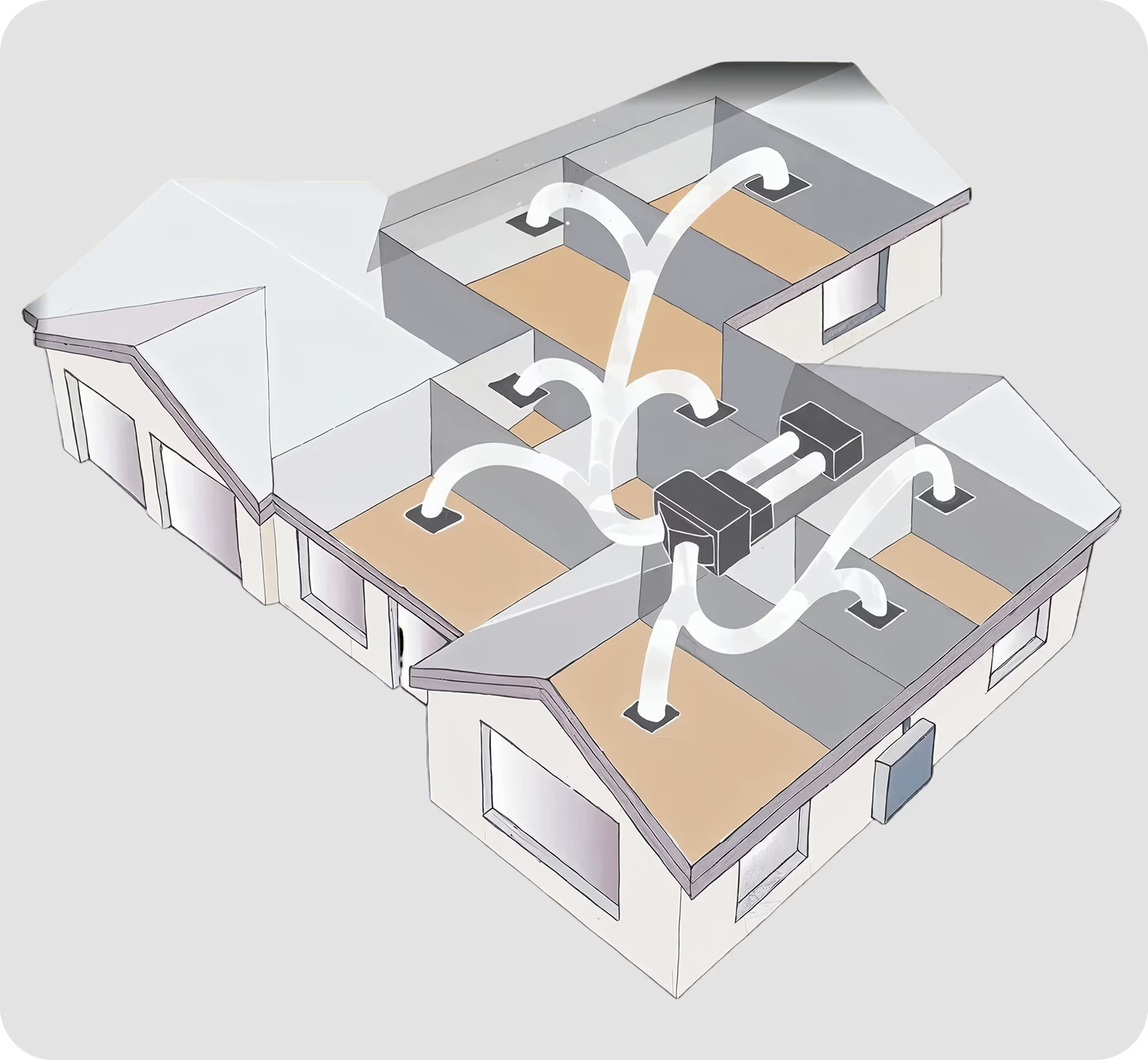
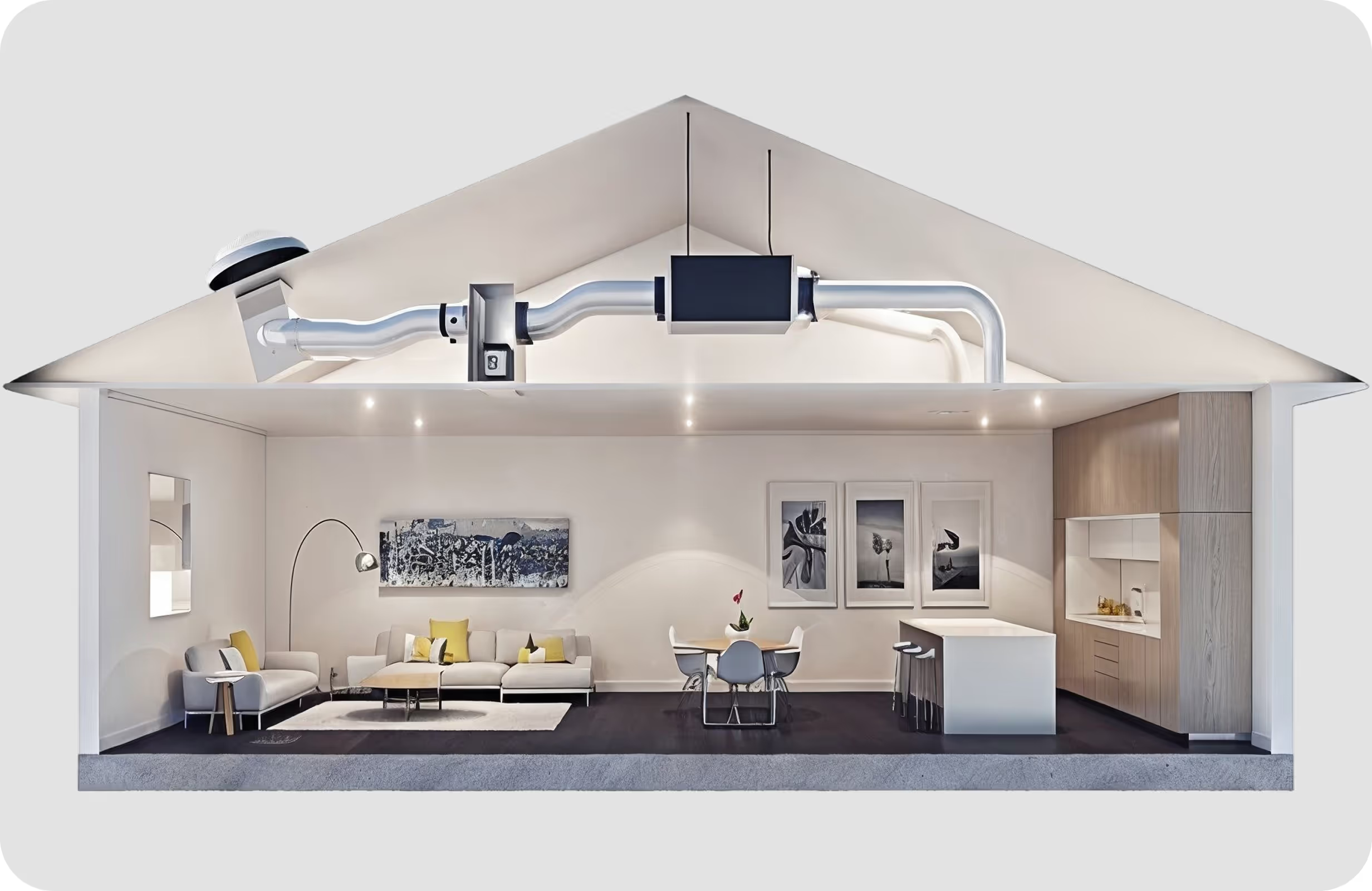
Air conditioning installation can be configured as individual split systems for specific rooms, or as a ducted system serving the wider home.
Depending on the system and how it is configured, zoning can allow different areas of the home to be conditioned separately.
Efficient electric heating and cooling sits alongside solar, battery storage, heat pump hot water and induction cooking in a wider electrification plan.
HOW IT WORKS
A reverse-cycle system moves heat rather than burning fuel to create it, and it can run that process in either direction.
A refrigerant circuit and compressor transfer thermal energy between the outdoor and indoor units.
In heating mode the system draws heat from the outside air and releases it inside the home.
In cooling mode the cycle reverses, moving heat from inside the home out to the outside air.
Inverter-driven equipment varies its output to hold the set temperature instead of running at full capacity.
Because the system transfers existing heat instead of generating all of it directly, reverse-cycle heating can use less electricity than resistance heaters such as panel or bar heaters. That efficiency is a large part of why reverse-cycle equipment is the usual choice for air conditioning installation in Canberra homes.
Reverse-cycle air conditioning uses refrigerant, a compressor and heat exchangers to transfer heat between indoor and outdoor environments. During cooling, the system absorbs heat from inside the home and releases it outdoors. During heating, the refrigeration cycle reverses, extracting available heat from the outside air and transferring it indoors. This allows one system to provide both heating and cooling throughout the year.
The effectiveness of an air conditioning system depends on more than the equipment itself. Correct sizing, room layout, insulation, airflow and installation quality all influence comfort and energy consumption. Depending on the property, a single split system, multi-split arrangement or ducted solution may be appropriate. Selecting the right configuration helps deliver consistent temperature control while avoiding unnecessary energy use. Where rooftop solar is available, operating the system during periods of solar generation may also help reduce reliance on purchased electricity.
SYSTEM OPTIONS
The two common options for air conditioning installation are split systems and ducted systems. The right choice usually comes down to how much of the home needs conditioning.
A split system pairs one indoor unit with an outdoor unit and conditions a specific room or open-plan area. This suits households that want to install AC in a living area or bedroom rather than across the whole property.
A ducted system distributes conditioned air through ductwork in the roof space and can serve multiple rooms from central equipment, with zoning available depending on the configuration.
Neither option is automatically better. Several split systems can be appropriate in some homes, while a ducted installation can make more sense where a consistent whole-home result is required.
SYSTEM DESIGN
A system should be matched to the property rather than chosen on capacity alone. These are the factors Decarby works through before making a recommendation.
SOLAR + ELECTRIFICATION
Heating and cooling is one of the larger electrical loads in most homes, so it is worth planning an air conditioning installation alongside the rest of the household energy system.
For homes with rooftop solar, running heating or cooling while the system is generating can make use of that electricity rather than importing it. How much depends on the solar system, the tariff and the household routine.
Moving heating and cooling to efficient electric equipment also sits alongside heat pump hot water, induction cooking and battery storage in a broader plan to reduce household gas use.
PROFESSIONAL INSTALLATION
Decarby installs residential air conditioning for homes across Canberra and the ACT, with the system selected around the property rather than a single standard product.
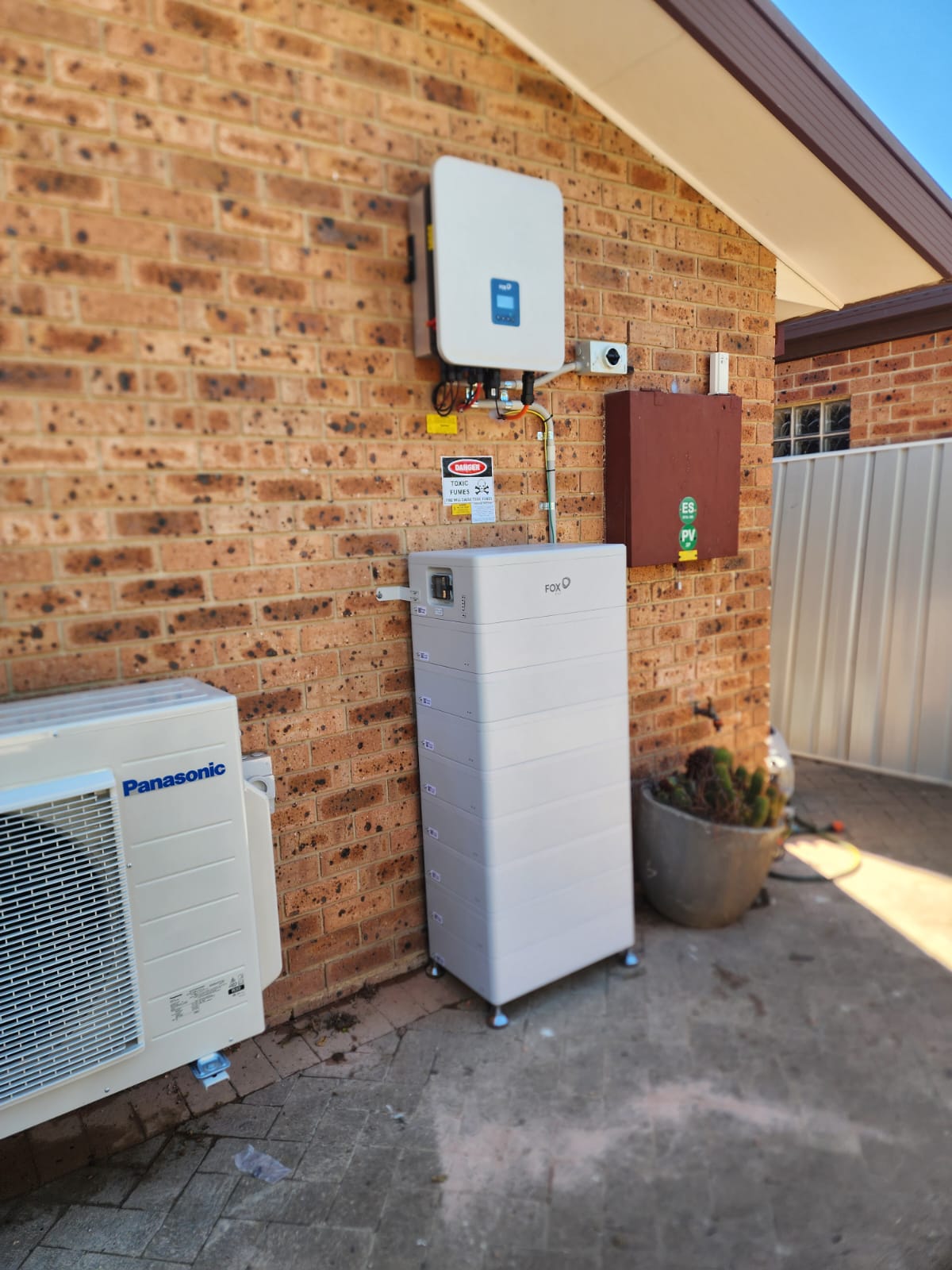
An air conditioning installation service involves more than mounting equipment. Indoor and outdoor unit positioning, electrical supply, airflow, drainage and the way each room is used all form part of the work.
For homes already running solar or planning further electrification, heating and cooling can be considered as part of the wider energy system rather than an isolated upgrade.
The aim is a system that suits the home, is straightforward to run, and holds up through both Canberra summers and winters.
OUR HOME ELECTRIFICATION SERVICES
Electrifying a home does not have to happen all at once. Some households begin with hot water or heating and cooling, while others are ready to move several major appliances away from gas at the same time.
Decarby’s home electrification services focus on three important household systems.
Replace conventional electric or gas hot water with a heat pump system that draws heat from the surrounding air and transfers it into the water. Heat pumps can substantially reduce the energy required for hot water compared with traditional electric storage systems, while quality units are designed to operate through Canberra’s cold conditions.
Explore Hot Water Heat PumpsUse modern reverse-cycle air conditioning for both heating and cooling. These systems can provide efficient year-round comfort, with options ranging from individual split systems to whole-home ducted solutions depending on the property and requirements.
Back to OverviewMove away from gas cooking with induction technology that transfers energy directly to compatible cookware using magnetic fields. Induction provides responsive temperature control and removes the need for an open gas flame, but because cooktops are high-power appliances, some homes may require electrical assessment or upgrades before installation.
Explore Induction Cooktop InstallationWHY DECARBY
Decarby takes an engineering-led approach to solar, battery storage and home electrification, helping homeowners and businesses make informed decisions about their energy needs. Rather than recommending a standard package, we consider how each property uses energy, its existing infrastructure and the practical opportunities for improvement. Our focus is on providing clear advice and designing solutions that make sense for the property, its occupants and their long-term goals.
From the initial consultation through system design and installation, we prioritise technical expertise, transparency and quality workmanship. We help customers understand their options, navigate applicable rebates and incentives, and plan energy upgrades with confidence. Whether you're considering rooftop solar, battery storage or broader electrification, our goal is to deliver a practical, well-considered solution rather than a one-size-fits-all recommendation.
FREQUENTLY ASKED QUESTIONS
Reverse-cycle air conditioning is a common choice because Canberra has both hot summers and cold winters and one system covers heating and cooling. The suitable configuration depends on the size and layout of the home and the rooms being conditioned.
Yes. A reverse-cycle system can run its refrigeration cycle in either direction, providing cooling in summer and heating in winter, which removes the need for a separate heating appliance.
A split system conditions a specific room or area using one indoor unit and one outdoor unit. A ducted system distributes air through ductwork to multiple rooms and can offer zoning depending on the configuration. Whole-home air conditioning installation more often uses ducted equipment, though several split systems can also suit.
Yes. Reverse-cycle systems run on electricity, so operating them while rooftop solar is generating can make use of that generation instead of importing electricity. How much depends on the solar system, the electricity tariff and when the household needs heating or cooling.
Sizing should be assessed before AC installation rather than estimated from floor area alone. Room layout, ceiling height, window area, insulation and the spaces being conditioned all affect the requirement, which is why the property is assessed first.
Yes. Efficient electric heating and cooling is one of the main steps in home electrification, and it can be planned alongside heat pump hot water, induction cooking, solar and battery storage.
Air conditioning is a significant electrical load, so installation involves suitable circuits and, in some homes, an assessment of the existing switchboard. Any requirements are identified before installation rather than during it.
The outdoor unit needs clear airflow and suitable access for servicing, and it produces some operating noise. Placement relative to bedrooms, outdoor living areas and neighbouring properties is considered as part of the system design.
You don't need to have the answer before you call us.
Tell us about your home, your electricity use and what you're hoping to achieve. We'll help you work through what makes sense whether that's solar now, solar and battery together, or a system designed so you can add more later.
Practical advice. No sales pressure.