
Lower Hot Water Energy Use
Heat pumps transfer existing heat rather than relying entirely on resistance heating to generate it, allowing them to provide hot water with substantially less electricity than conventional electric storage systems.
HOT WATER HEAT PUMPS
Upgrade your home’s hot water with a heat pump hot water system designed for Canberra conditions, lower energy use, and a more efficient all-electric home.
ENERGY-EFFICIENT HOT WATER
Hot water is a significant part of household energy use, making the choice of system an important part of home electrification.
Rather than creating heat directly with a conventional electric element, a heat pump transfers heat from the surrounding air into the water. The process works in a similar way to a refrigerator operating in reverse.
For Canberra households replacing an older electric or gas system, a well-selected heat pump hot water system can provide an efficient electric alternative while supporting the transition towards an all-electric home.
Choosing the right equipment matters in the ACT. Canberra experiences cold winter conditions, so system selection should consider climate performance as well as household hot water demand, tank capacity, installation location and available space.
BENEFITS
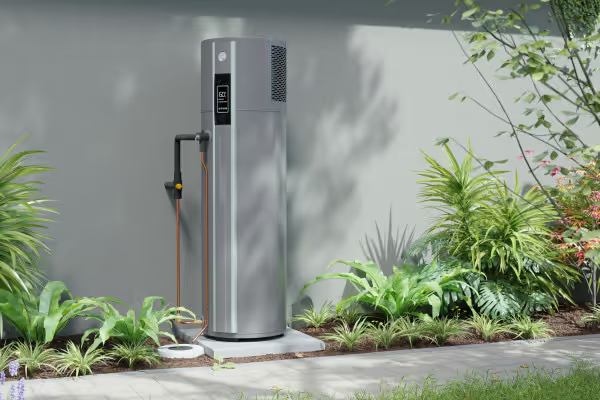
A properly selected heat pump for hot water system applications can reduce the energy required for water heating while supporting a broader shift towards efficient electric appliances.
Heat pumps transfer existing heat rather than relying entirely on resistance heating to generate it, allowing them to provide hot water with substantially less electricity than conventional electric storage systems.
Quality equipment can operate effectively through Canberra’s changing seasons. System selection should account for winter temperatures and the operating range specified by the manufacturer.
Moving hot water to an efficient electric system can form part of a broader home electrification plan alongside rooftop solar, electric heating and cooling, EV charging and induction cooking.
Eligible heat pump installations may qualify for applicable government incentives or renewable-energy support. Eligibility depends on the equipment, household and program requirements.
HOW IT WORKS
The technology moves thermal energy from the surrounding air into your water rather than producing all of the required heat directly from electricity.
The system collects thermal energy available in the outside air.
A refrigeration cycle and compressor increase and transfer that thermal energy.
The captured heat is transferred into the water stored in the tank.
The stored hot water is then available for showers, washing and normal household use.
Because electricity is primarily being used to transfer heat rather than create it directly through resistance heating, the process can use significantly less electricity than a conventional electric storage system.
The system uses a refrigeration cycle to absorb heat from the surrounding air and transfer it into the water stored in an insulated tank. A fan draws air across an evaporator, where refrigerant absorbs thermal energy. The refrigerant is then compressed to raise its temperature, allowing that heat to be transferred into the water before the cycle repeats. This process enables the system to heat water efficiently without relying primarily on conventional electric resistance heating.
Heat pump hot water systems can operate in a range of Australian weather conditions, although their efficiency and heating performance vary depending on ambient temperature, system design and usage patterns. Some systems also include an electric booster to help meet demand when additional heating is required. Selecting the right tank capacity, installation location and operating schedule is important for reliable hot water availability. Where appropriate, the system can also be scheduled to operate during periods of rooftop solar generation, helping households make better use of electricity produced on-site.
CANBERRA CONDITIONS
Canberra’s winter climate makes equipment selection particularly important. Not every heat pump performs the same way as outdoor temperatures fall.
A suitable heat pump for hot water system installation should be assessed for its specified operating temperature range and how it manages very cold conditions.
ACT guidance recommends paying particular attention to systems designed for colder climate zones. Some systems may use an electric booster under very cold conditions, so understanding how and when that booster operates is important when comparing equipment.
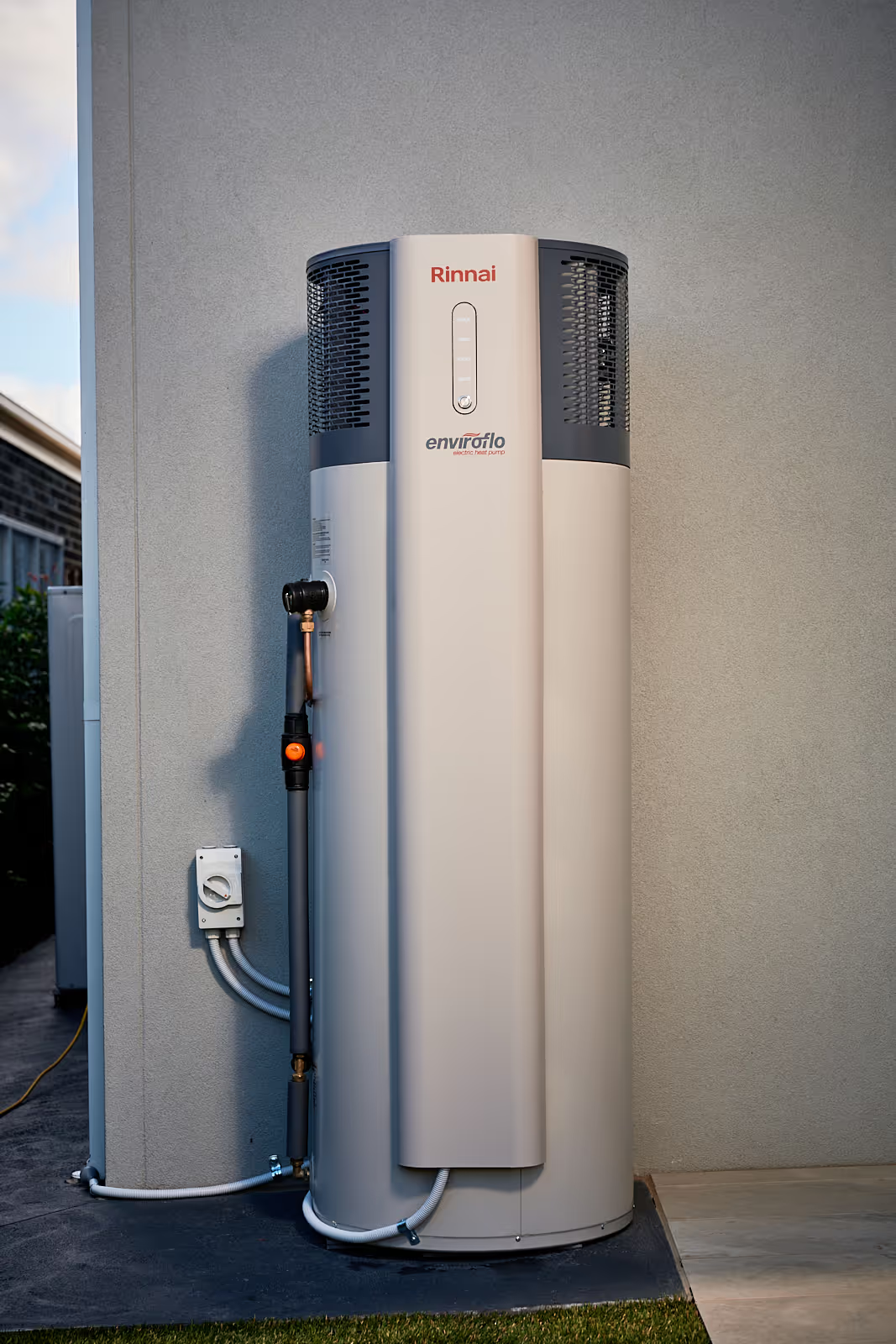
The installation location also matters. Heat pump systems require adequate airflow, and the outdoor compressor creates some operating noise. Available space, plumbing access and proximity to neighbouring properties should therefore be considered during system design.
SYSTEM DESIGN
The best system is not simply the largest available unit. It should be matched to the household, property and expected hot water demand.
SOLAR + ELECTRIFICATION
For homes with rooftop solar, an electric heat pump creates an opportunity to coordinate some water heating with periods when the solar system is generating electricity.
Where the equipment and household energy setup allow it, hot water operation can be scheduled to make greater use of daytime solar generation.
The right approach depends on the solar system, electricity tariff, household routine and hot water demand. Decarby considers these factors as part of the wider home energy system rather than treating each appliance in isolation.
PROFESSIONAL INSTALLATION
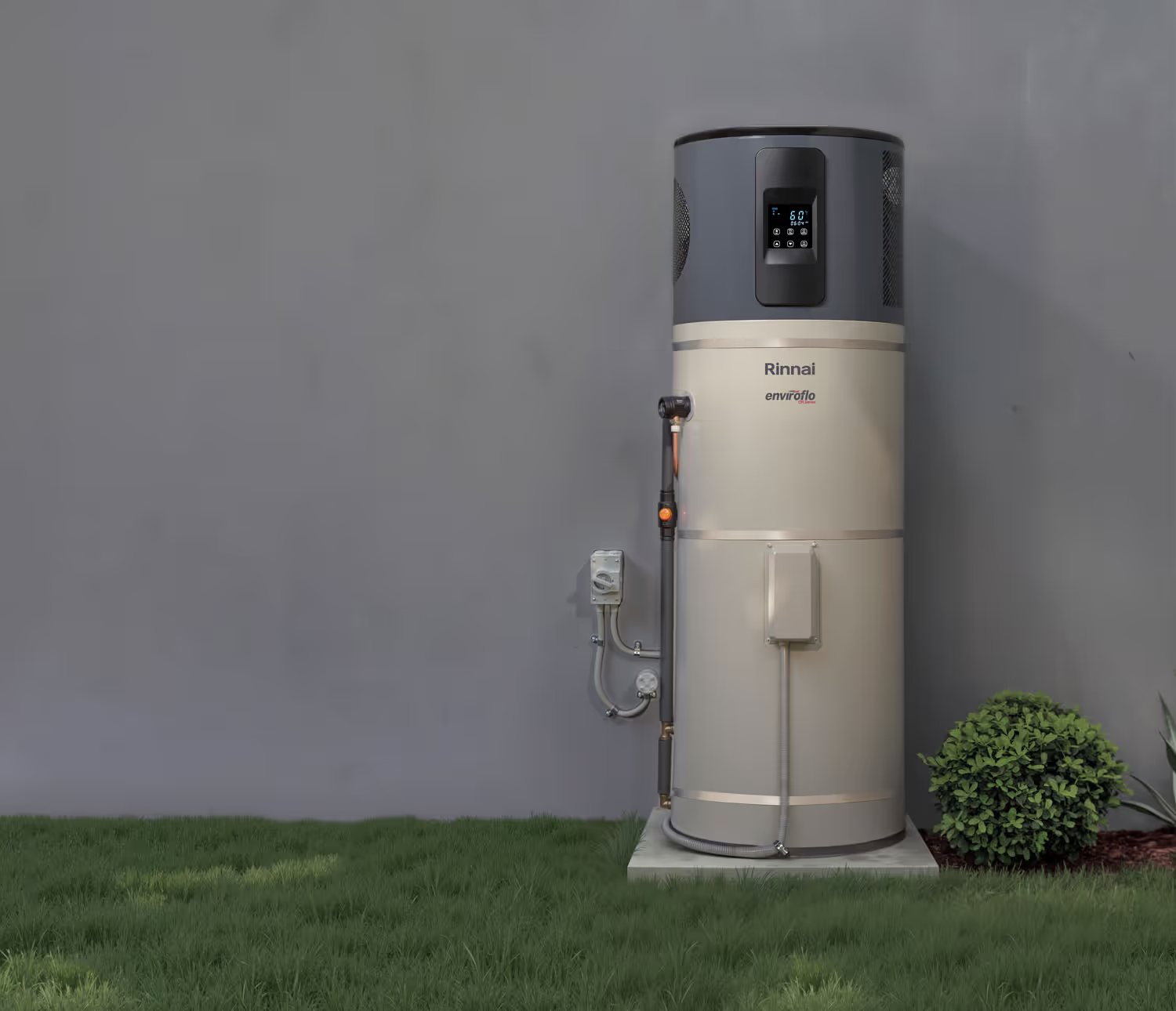
A heat pump hot water system needs more than suitable equipment. The installation must account for plumbing, electrical supply, equipment positioning, airflow, household demand and the characteristics of the property.
Decarby’s approach is based on selecting and installing equipment that suits Canberra conditions and the way the household actually uses hot water.
For homes moving away from gas or planning wider electrification, the installation can also be considered alongside solar, heating and cooling, EV charging and electric cooking.
The objective is a practical system that integrates properly with the home rather than treating hot water as an isolated upgrade.
OUR HOME ELECTRIFICATION SERVICES
Electrifying a home does not have to happen all at once. Some households begin with hot water or heating and cooling, while others are ready to move several major appliances away from gas at the same time.
Decarby’s home electrification services focus on three important household systems.
Replace conventional electric or gas hot water with a heat pump system that draws heat from the surrounding air and transfers it into the water. Heat pumps can substantially reduce the energy required for hot water compared with traditional electric storage systems, while quality units are designed to operate through Canberra’s cold conditions.
Back to OverviewUse modern reverse-cycle air conditioning for both heating and cooling. These systems can provide efficient year-round comfort, with options ranging from individual split systems to whole-home ducted solutions depending on the property and requirements.
Explore Air Conditioning InstallationMove away from gas cooking with induction technology that transfers energy directly to compatible cookware using magnetic fields. Induction provides responsive temperature control and removes the need for an open gas flame, but because cooktops are high-power appliances, some homes may require electrical assessment or upgrades before installation.
Explore Induction Cooktop InstallationWHY DECARBY
Decarby takes an engineering-led approach to solar, battery storage and home electrification, helping homeowners and businesses make informed decisions about their energy needs. Rather than recommending a standard package, we consider how each property uses energy, its existing infrastructure and the practical opportunities for improvement. Our focus is on providing clear advice and designing solutions that make sense for the property, its occupants and their long-term goals.
From the initial consultation through system design and installation, we prioritise technical expertise, transparency and quality workmanship. We help customers understand their options, navigate applicable rebates and incentives, and plan energy upgrades with confidence. Whether you're considering rooftop solar, battery storage or broader electrification, our goal is to deliver a practical, well-considered solution rather than a one-size-fits-all recommendation.
FREQUENTLY ASKED QUESTIONS
A heat pump transfers thermal energy from the surrounding air into water. It uses a refrigeration cycle and compressor to move heat rather than producing all of the heat directly with an electric resistance element, which can significantly reduce the electricity required for water heating.
Yes, suitable systems can operate in Canberra’s cold climate, but model selection is important. ACT guidance recommends considering equipment designed for colder climate zones and checking the manufacturer’s minimum operating temperature. Some systems may use an electric booster during very cold conditions.
Savings vary by household, equipment and the system being replaced. Australian Government guidance states that heat pump water heaters can use around 30% of the energy of a conventional electric hot water system. Actual household savings depend on hot water use, electricity tariffs, system efficiency and operating conditions.
Yes. Where the system and controls allow it, hot water heating can be scheduled during periods of rooftop solar generation. This can help a household use more of its own solar electricity rather than importing electricity from the grid.
The appropriate capacity depends on household size and hot water usage. Available installation space, recovery requirements and usage patterns should also be considered rather than selecting a system based on tank capacity alone.
Yes, a heat pump can be considered when replacing gas hot water as part of a transition to an all-electric home. The property should first be assessed for suitable equipment location, plumbing and electrical requirements.
Eligible systems may qualify for Australian Government renewable-energy support through Small-scale Technology Certificates, and ACT assistance may also be available for eligible households or upgrades. Eligibility, approved products and program conditions can change, so current requirements should be checked before installation.
The location should provide sufficient airflow and appropriate plumbing and electrical access. The compressor also produces operating noise, so placement relative to bedrooms, living areas and neighbouring properties should be considered during system design.
You don't need to have the answer before you call us.
Tell us about your home, your electricity use and what you're hoping to achieve. We'll help you work through what makes sense whether that's solar now, solar and battery together, or a system designed so you can add more later.
Practical advice. No sales pressure.