
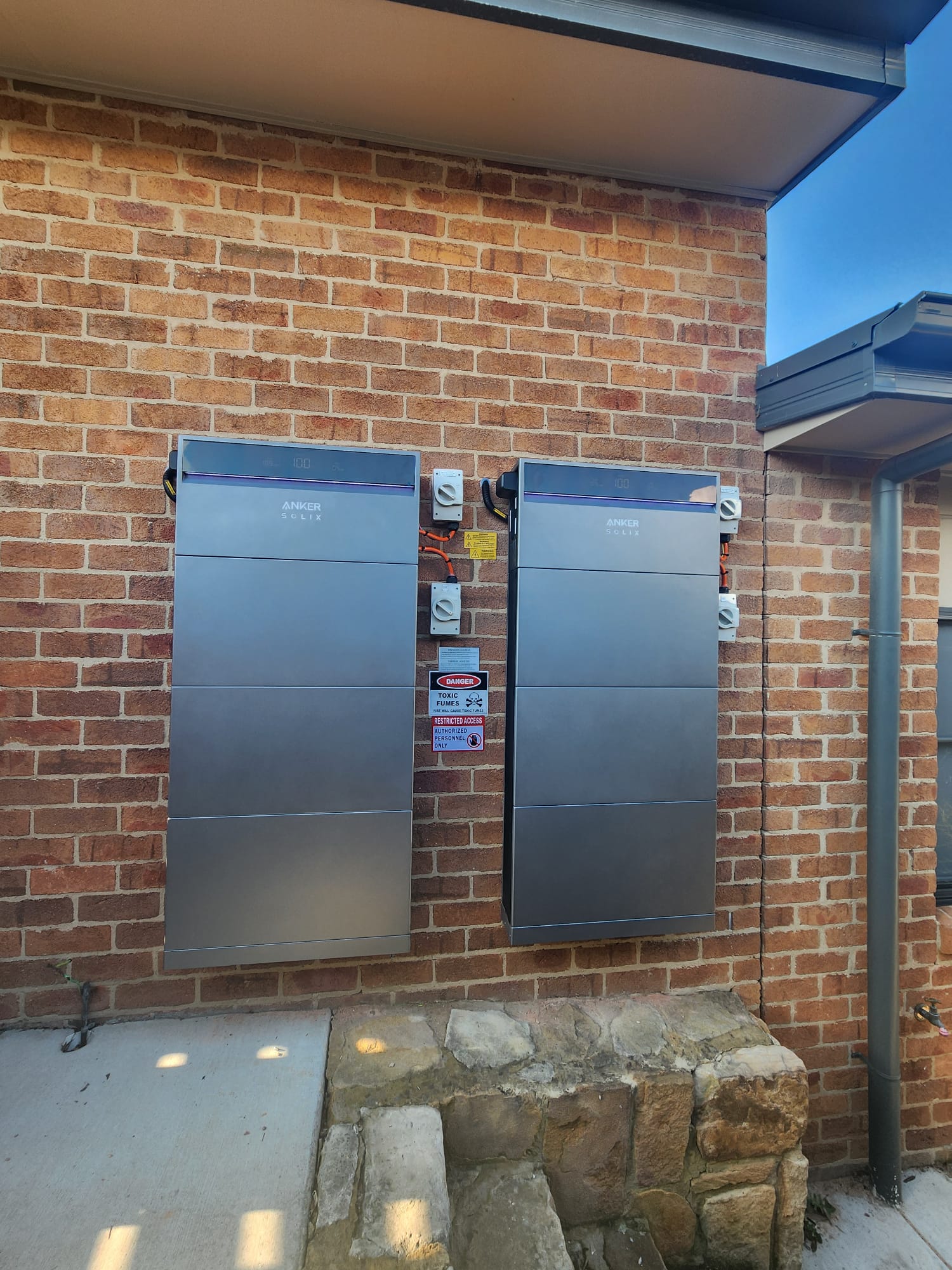
Greater Energy Independence and Grid Backup
Store more of the electricity generated by your solar panels and reduce reliance on grid imports during higher-demand periods.
SOLAR BATTERY STORAGE
Store excess solar energy generated during the day and use it when your household needs it most with a system designed around your real energy usage, evening demand, and future electrification plans.
SOLAR BATTERY STORAGE
Solar battery systems are becoming a practical addition for homes across Canberra. As electricity prices change and feed-in tariffs continue to decline, storing your own solar energy may be more useful than exporting all surplus generation to the grid.
Well-designed solar battery storage allows your household to retain more of the electricity generated by your solar panels. Instead of sending all excess energy back to the grid during the day, selected surplus energy can be stored and used later when household demand is higher.
Decarby installs systems from established brands selected for performance, safety, and suitability for Australian homes. The proposed system is configured around how your household generates and consumes electricity rather than relying on a generic capacity recommendation.
This is particularly relevant in Canberra, where energy use can increase in the evening because of heating, cooling, cooking, and other household loads. A correctly planned system can help you use more of your daytime solar generation when it is most useful to your household.
BENEFITS
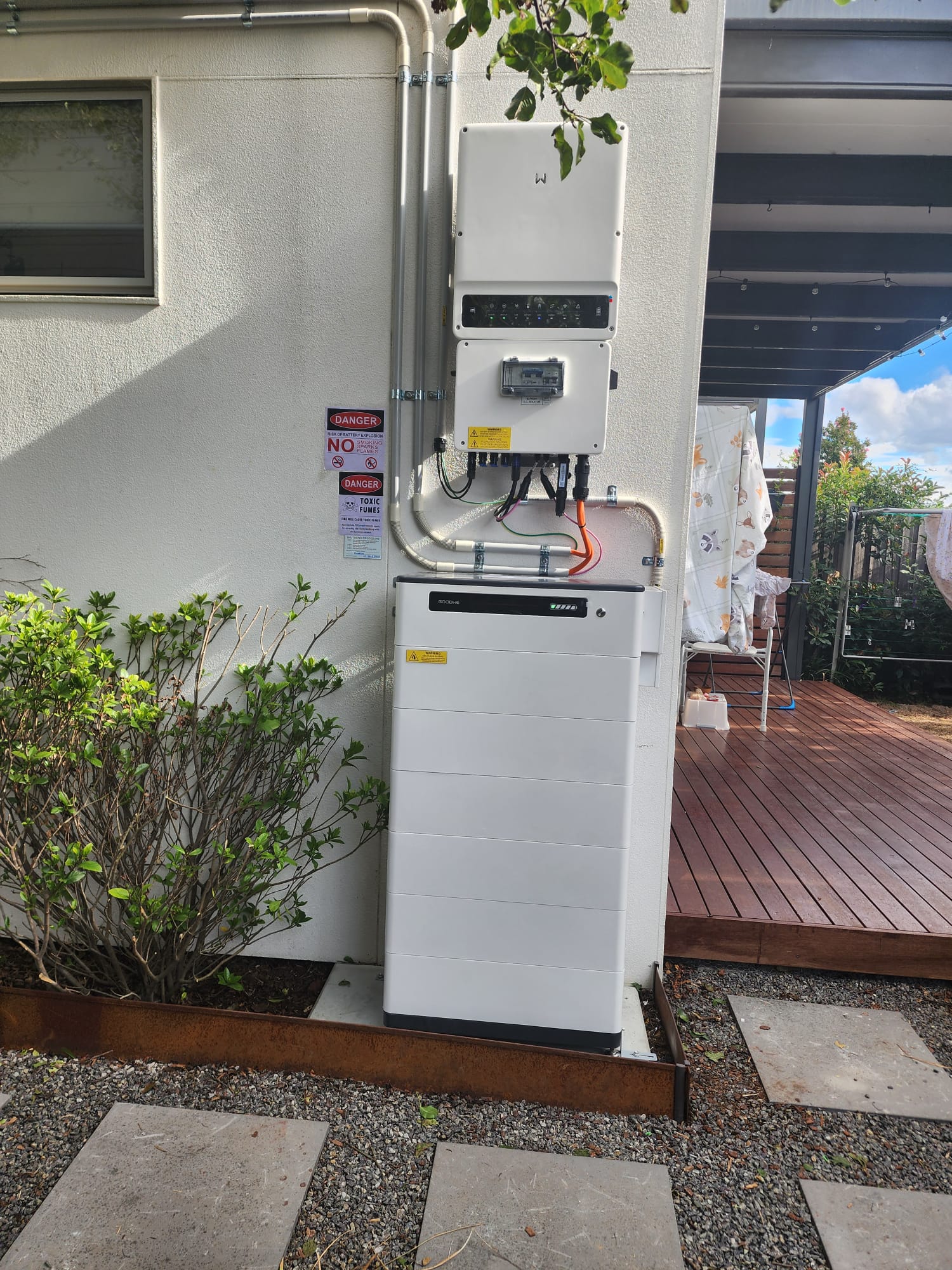
A properly matched solar battery storage system can help households use more of their own solar generation, reduce evening grid reliance, and prepare for changing electricity needs.
Store more of the electricity generated by your solar panels and reduce reliance on grid imports during higher-demand periods.
Where the selected equipment and installation configuration support backup operation, stored energy may help maintain selected household loads during an outage.
Using stored energy during higher-cost periods may reduce the amount of electricity imported from the grid.
Storing surplus daytime generation can improve self-consumption and increase the practical value of an existing solar system.
WHY BATTERY STORAGE
In Canberra, solar generation and household electricity demand do not always occur at the same time.
Most solar generation occurs through the middle of the day, while electricity use often increases in the morning and evening. Battery storage helps address this mismatch by retaining surplus daytime generation for use later.
For many households, the practical goal is not complete independence from the electricity grid. It is to reduce evening imports, improve solar self-consumption, and gain greater control over how household energy is used.
HOW IT WORKS
A home battery stores surplus electricity generated by solar panels during the day so it can be used later when solar production is lower or household demand is higher.
Solar panels generate electricity during daylight hours.
Your home uses the available solar energy before surplus electricity is directed elsewhere.
Excess electricity is stored in the battery for later use.
Stored energy can be used in the evening or when solar production is low, reducing the amount of electricity imported from the grid.
The solar battery installation configuration, controls, and operating priorities should be planned around the household’s energy profile and existing solar equipment.
SYSTEM CONFIGURATION
The way a battery connects to the solar system affects equipment compatibility, energy conversion, retrofit options, and future flexibility.
The appropriate configuration depends on the existing inverter, switchboard, solar array, installation conditions, and future energy plans.
BATTERY SIZING
Battery capacity should be matched to how much electricity the household is likely to store and use. Oversizing may leave capacity unused, while an undersized system may not cover the intended evening demand.
Suitable for smaller households or lower evening demand.
Common for family homes aiming to reduce grid reliance.
May suit higher energy consumption, EV charging, or more extensively electrified homes.
Bigger is not automatically better. The objective is to select a capacity that can be cycled effectively under normal household conditions.
SYSTEM UPGRADES
Many Canberra homes already have solar panels installed. In many cases, a battery can be added without replacing the entire system.
Before recommending a solar battery installation retrofit, the existing solar installation should be assessed to understand equipment compatibility, electrical capacity, and current system performance.
Adding a battery can be a practical way to improve how an existing solar system is used, particularly where a household exports surplus daytime energy and imports more electricity during the evening.
COST CONSIDERATIONS
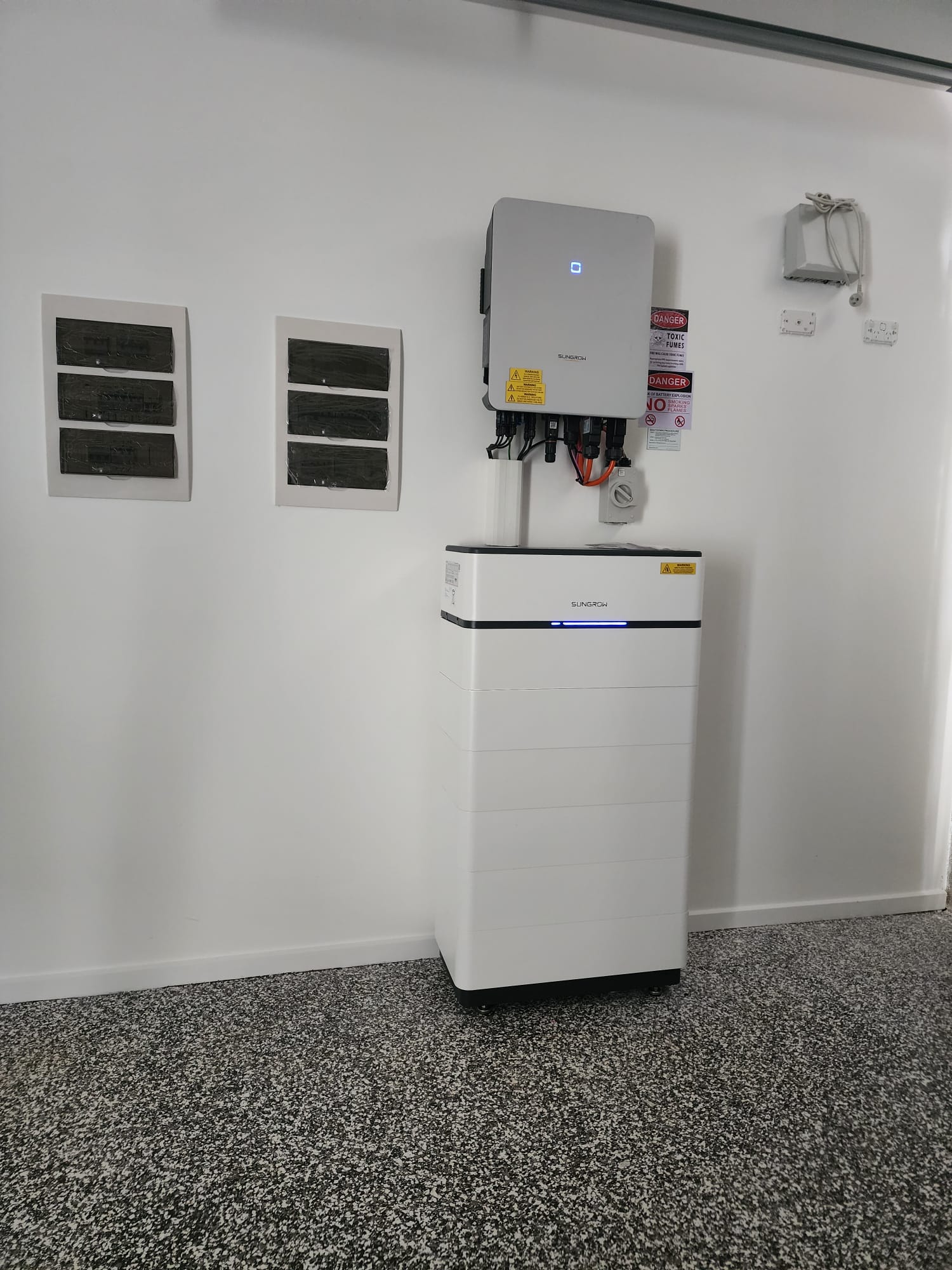
There is no single price for solar battery storage that applies to every home. Cost varies according to system capacity, equipment selection, installation conditions, and whether the work forms part of a new system or a retrofit.
For Canberra households, it is useful to assess how well the proposed system matches actual energy use and expected long-term requirements, not only the initial purchase price.
LONG-TERM VALUE
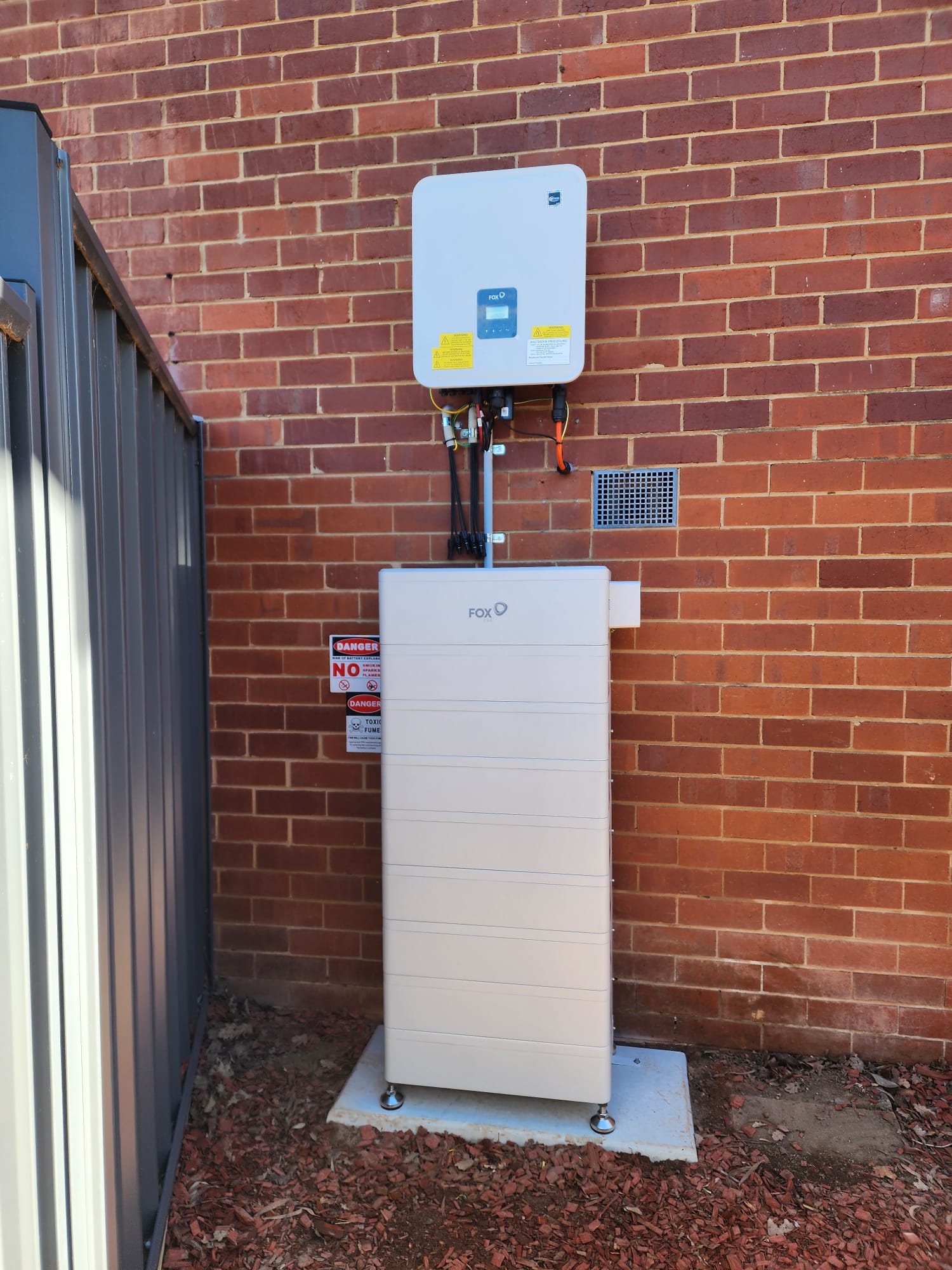
Battery storage payback varies because every household generates and consumes electricity differently. A system that regularly stores surplus solar generation and supplies energy during higher-cost periods may perform differently from one that cycles less frequently.
The design should prioritise useful cycling of stored energy rather than maximising capacity without reference to actual household demand.
BATTERY LIFESPAN
Modern home batteries are designed to operate for many years, with performance changing gradually over time.
The actual lifespan is influenced by how frequently the system charges and discharges, how deeply it is discharged, its operating environment, and the overall system design.
In Canberra, seasonal differences can affect how frequently a system cycles, particularly between summer and winter.
LOCAL PERFORMANCE
Local conditions influence solar battery storage because solar generation and household electricity demand both change throughout the year.
These patterns demonstrate why the system should be designed around annual usage rather than ideal summer conditions alone.
BATTERY VALUE
The value of a battery depends on the household’s objectives and energy-use pattern.
Some households focus on reducing electricity imports. Others value greater control, supported backup capability, or preparation for EV charging and electric appliances.
A battery may help:
The result depends on how the equipment is sized, configured, and used. A site-specific assessment and realistic energy profile are therefore more useful than generic assumptions.
OUR APPROACH
Decarby Solar works with Canberra households to deliver solar battery installation designed around actual energy use rather than assumptions.
The design considers when solar electricity is generated, when household demand is highest, and how these patterns change throughout the year.
This includes reviewing winter performance, evening demand, existing solar equipment, and future electrification plans such as EV charging, heat pump hot water, and all-electric appliances.
The focus is on delivering solar battery storage configured to perform consistently under everyday household conditions and remain aligned with the home’s longer-term energy strategy.
SYSTEM DESIGN
Selecting the right battery storage involves more than choosing a capacity. It must suit how the household generates, stores, and consumes electricity.
Understand when the household uses the most electricity and how much demand occurs after solar production falls.
Review the current panel system, inverter, switchboard, and compatibility with battery integration.
Allow for possible EV charging, electric heating, hot water, and other future household loads.
Balance the initial investment with expected usage, flexibility, and long-term energy priorities.
A well-matched system is more likely to provide consistent practical value than one selected only because it offers a larger capacity.
WHY DECARBY
Decarby takes an engineering-led approach to solar, battery storage and home electrification, helping homeowners and businesses make informed decisions about their energy needs. Rather than recommending a standard package, we consider how each property uses energy, its existing infrastructure and the practical opportunities for improvement. Our focus is on providing clear advice and designing solutions that make sense for the property, its occupants and their long-term goals.
From the initial consultation through system design and installation, we prioritise technical expertise, transparency and quality workmanship. We help customers understand their options, navigate applicable rebates and incentives, and plan energy upgrades with confidence. Whether you're considering rooftop solar, battery storage or broader electrification, our goal is to deliver a practical, well-considered solution rather than a one-size-fits-all recommendation.
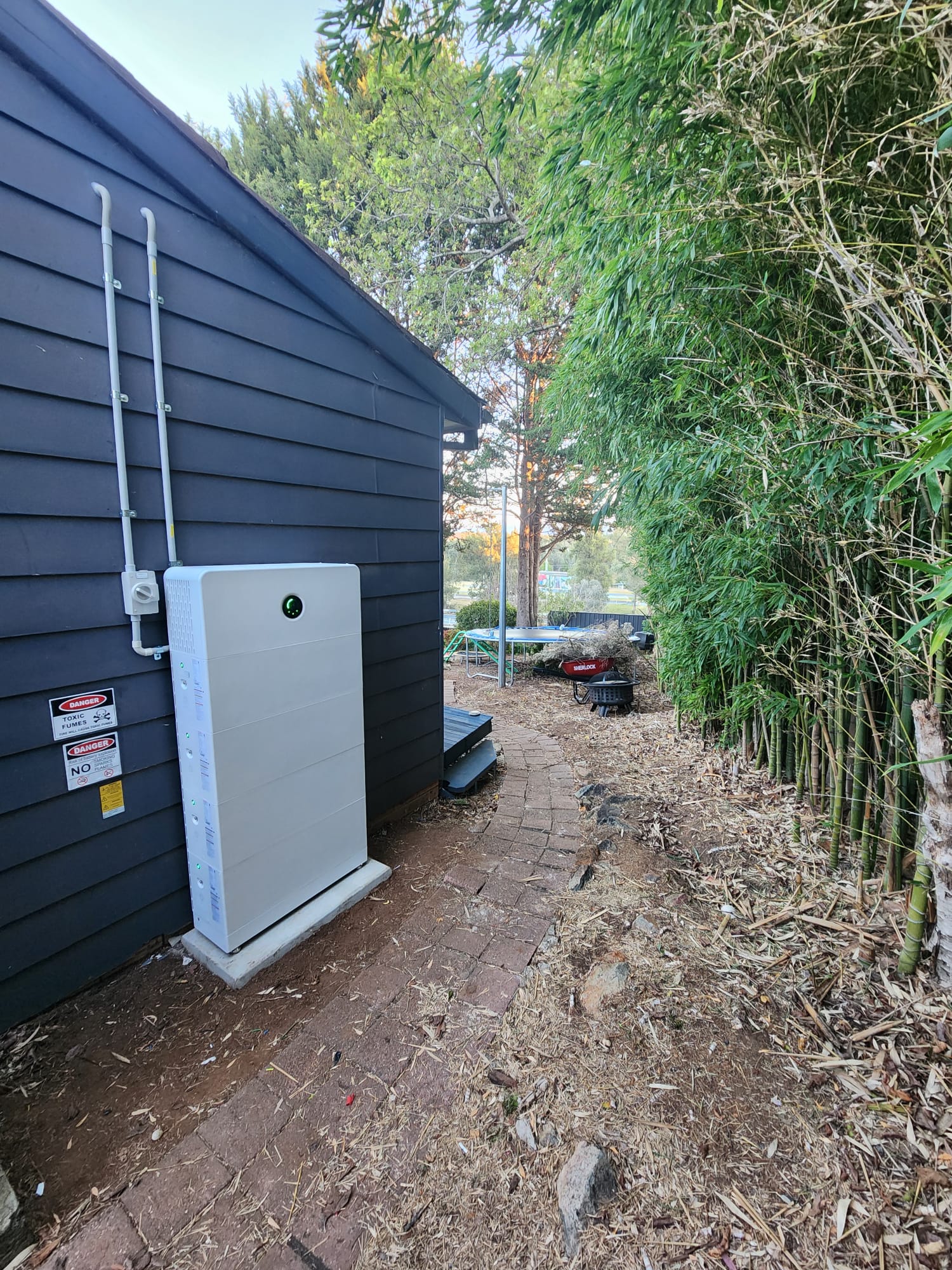
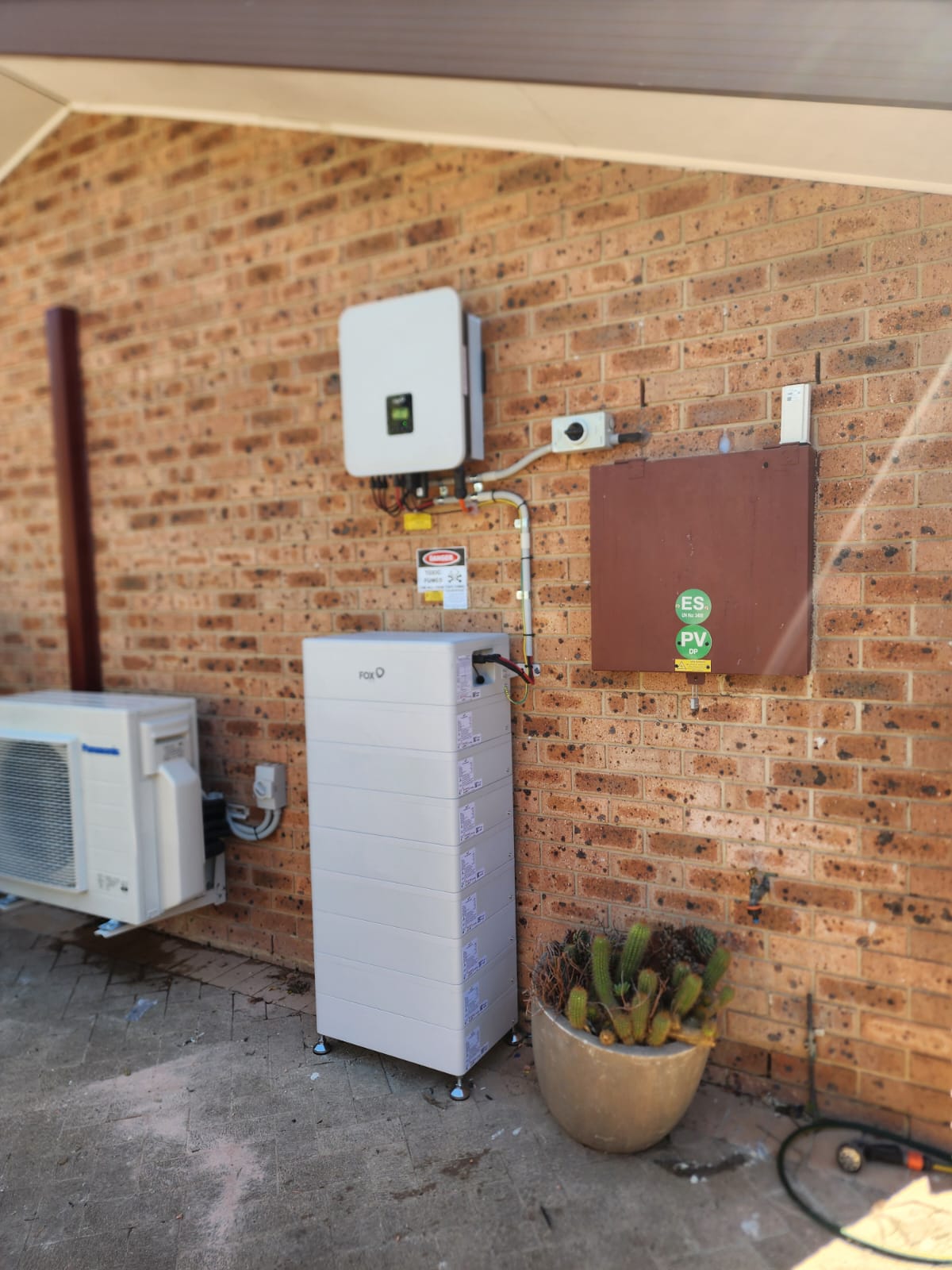
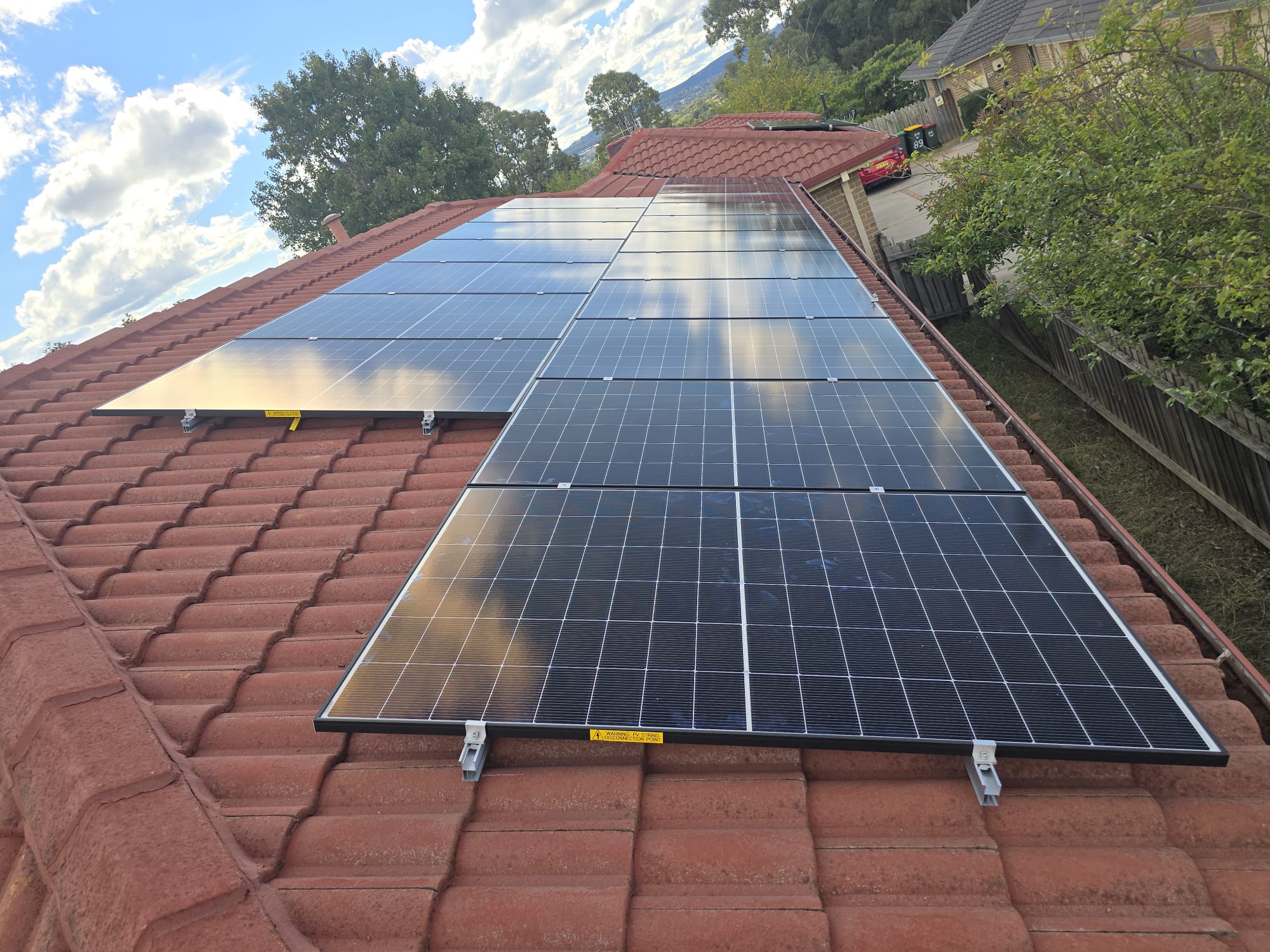
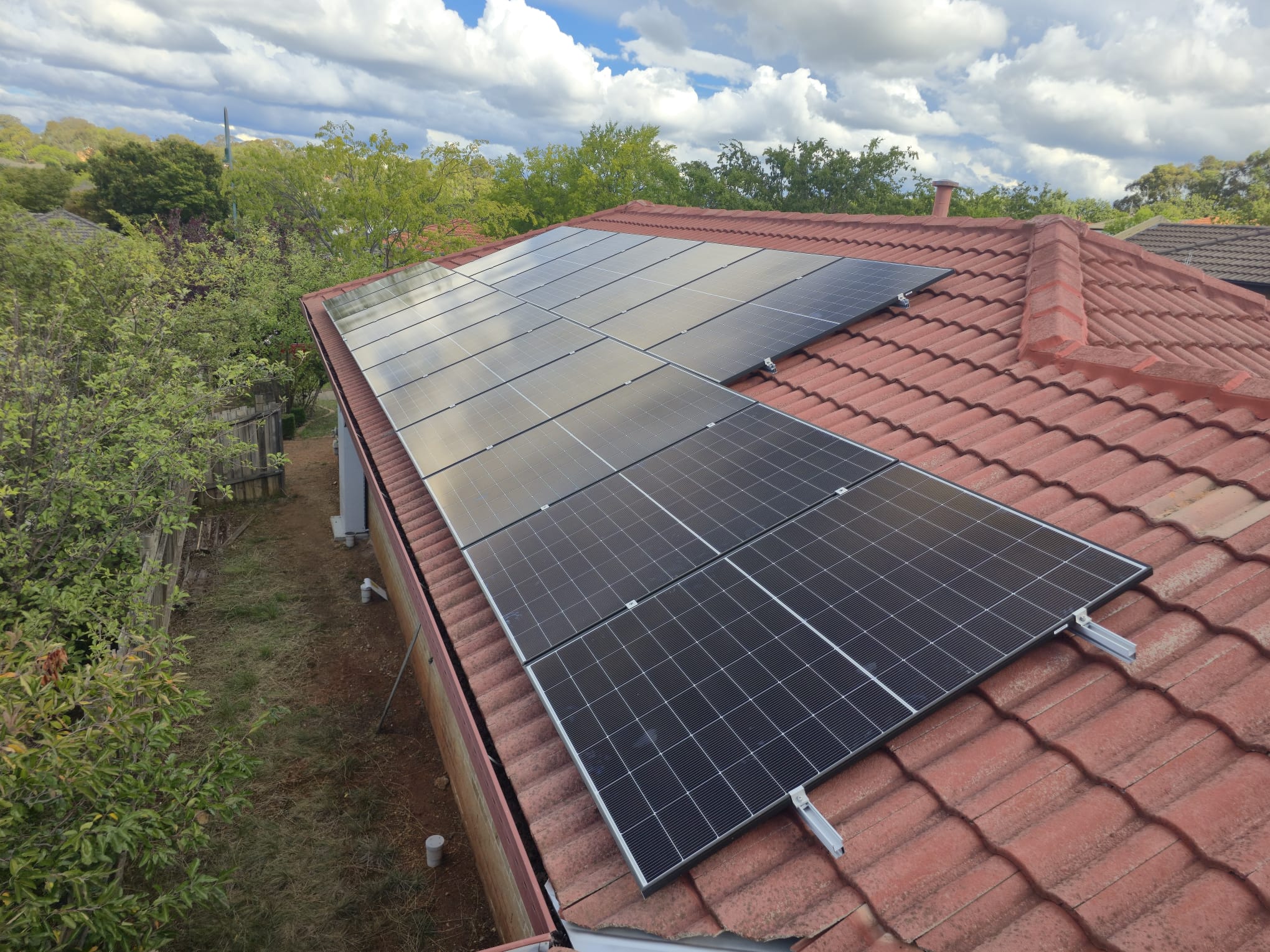
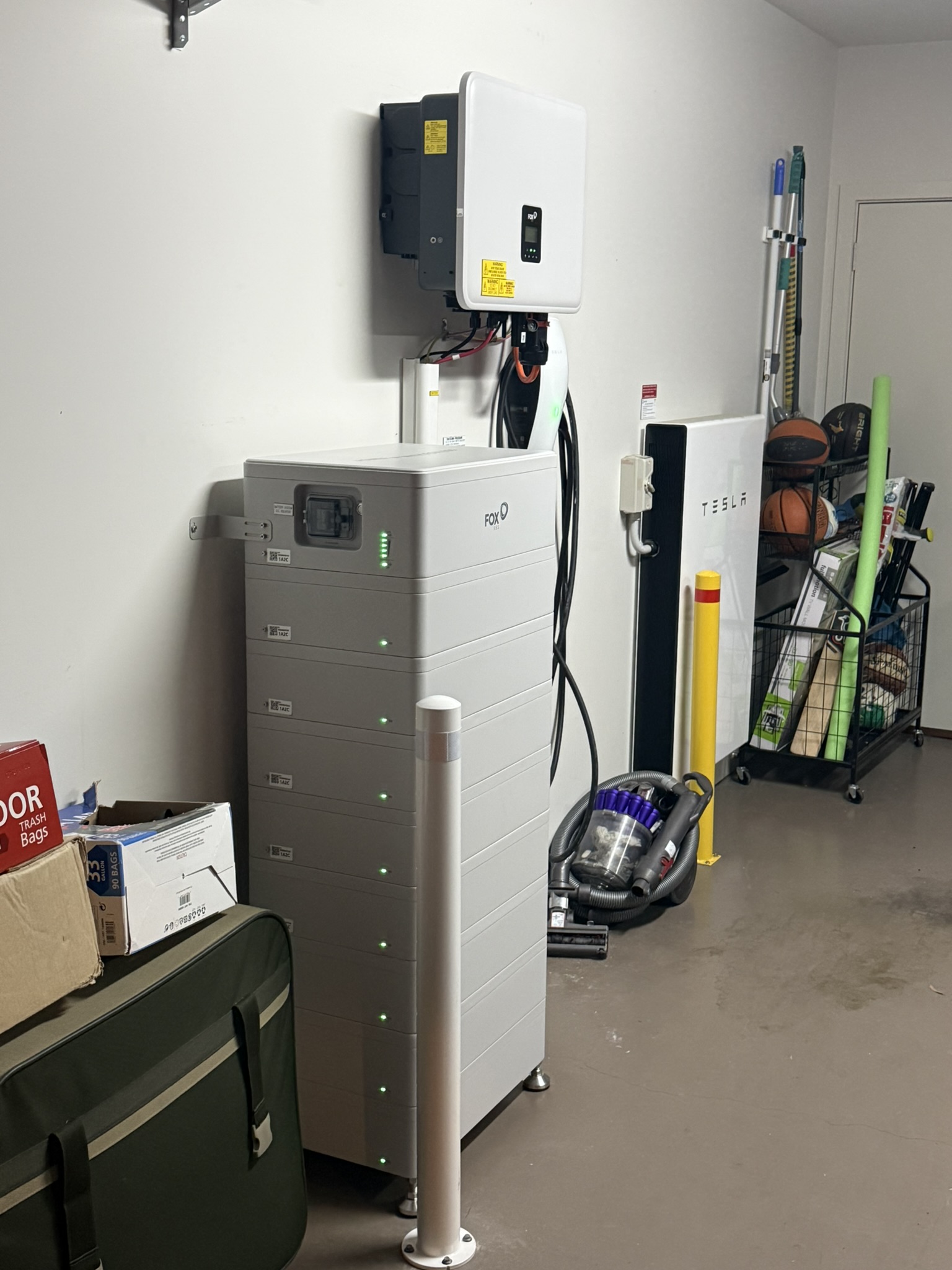
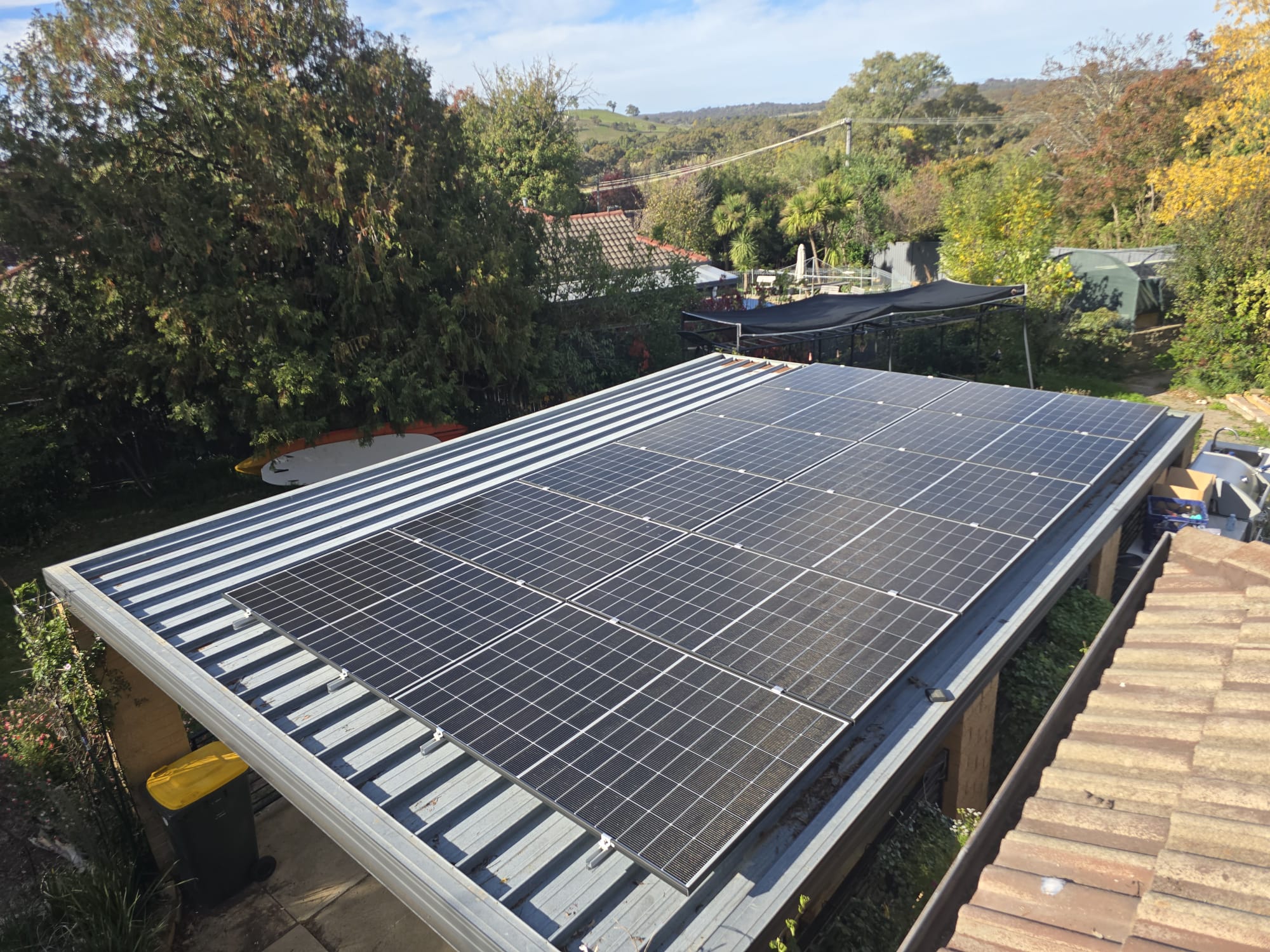
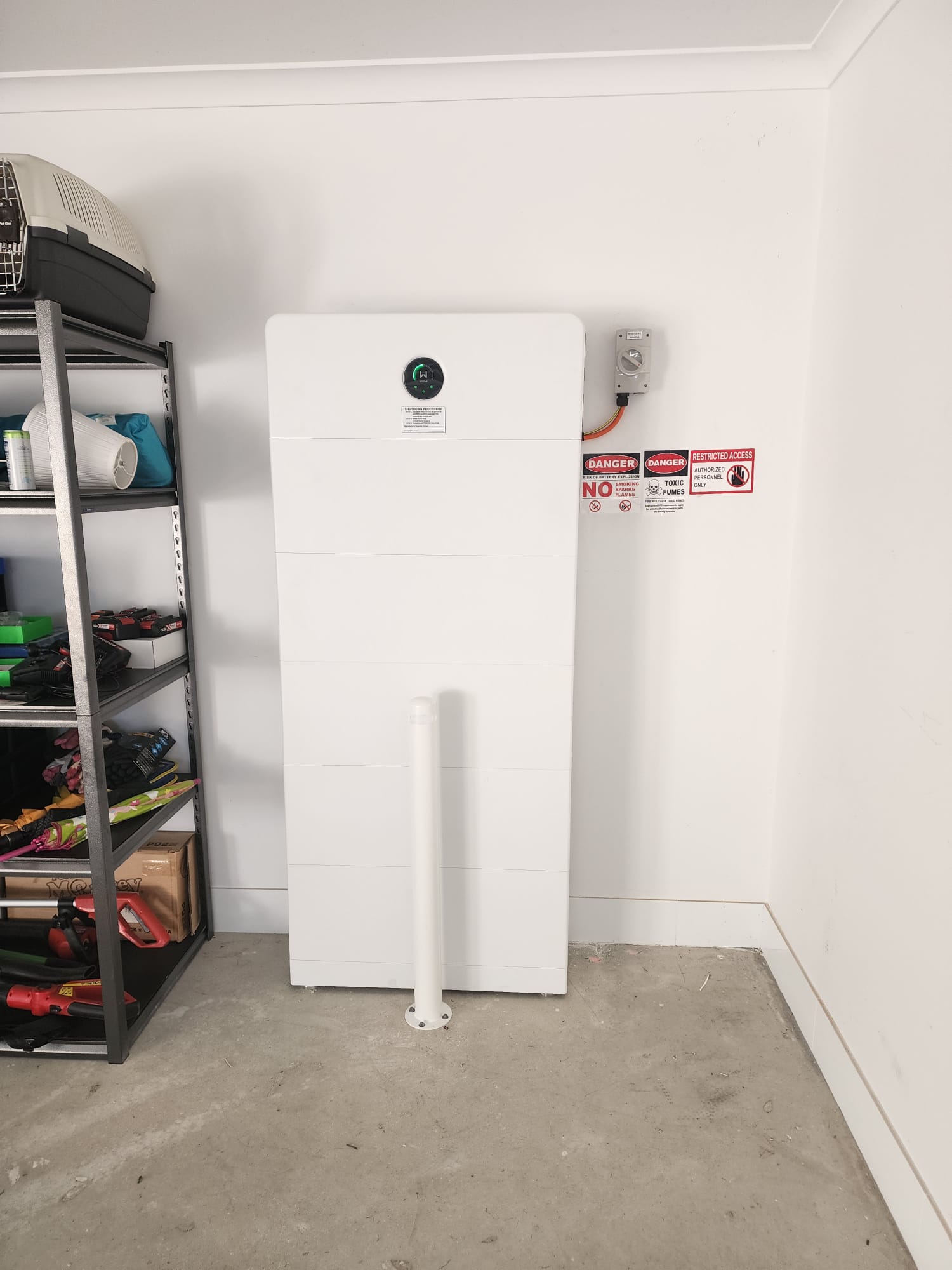
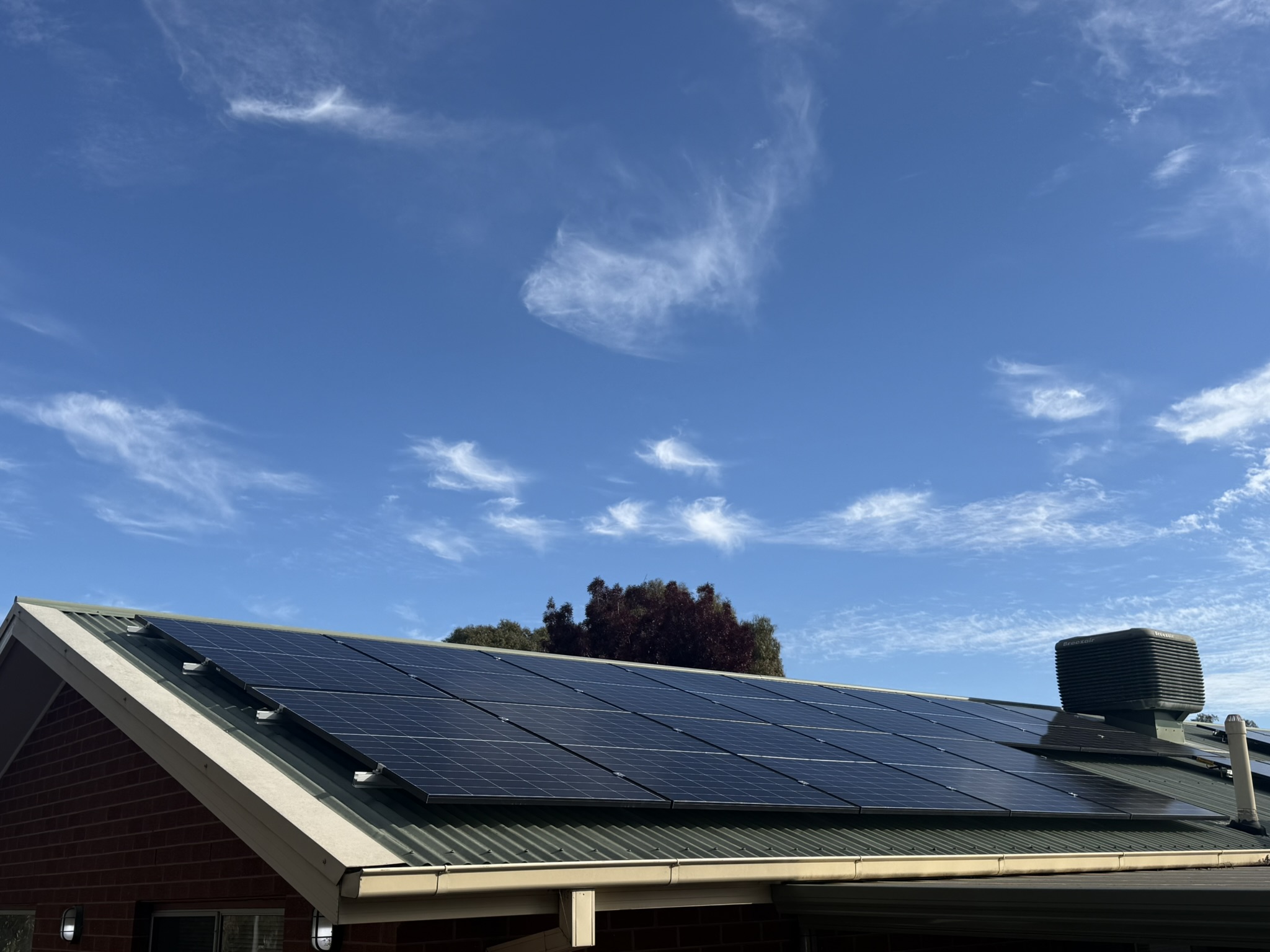
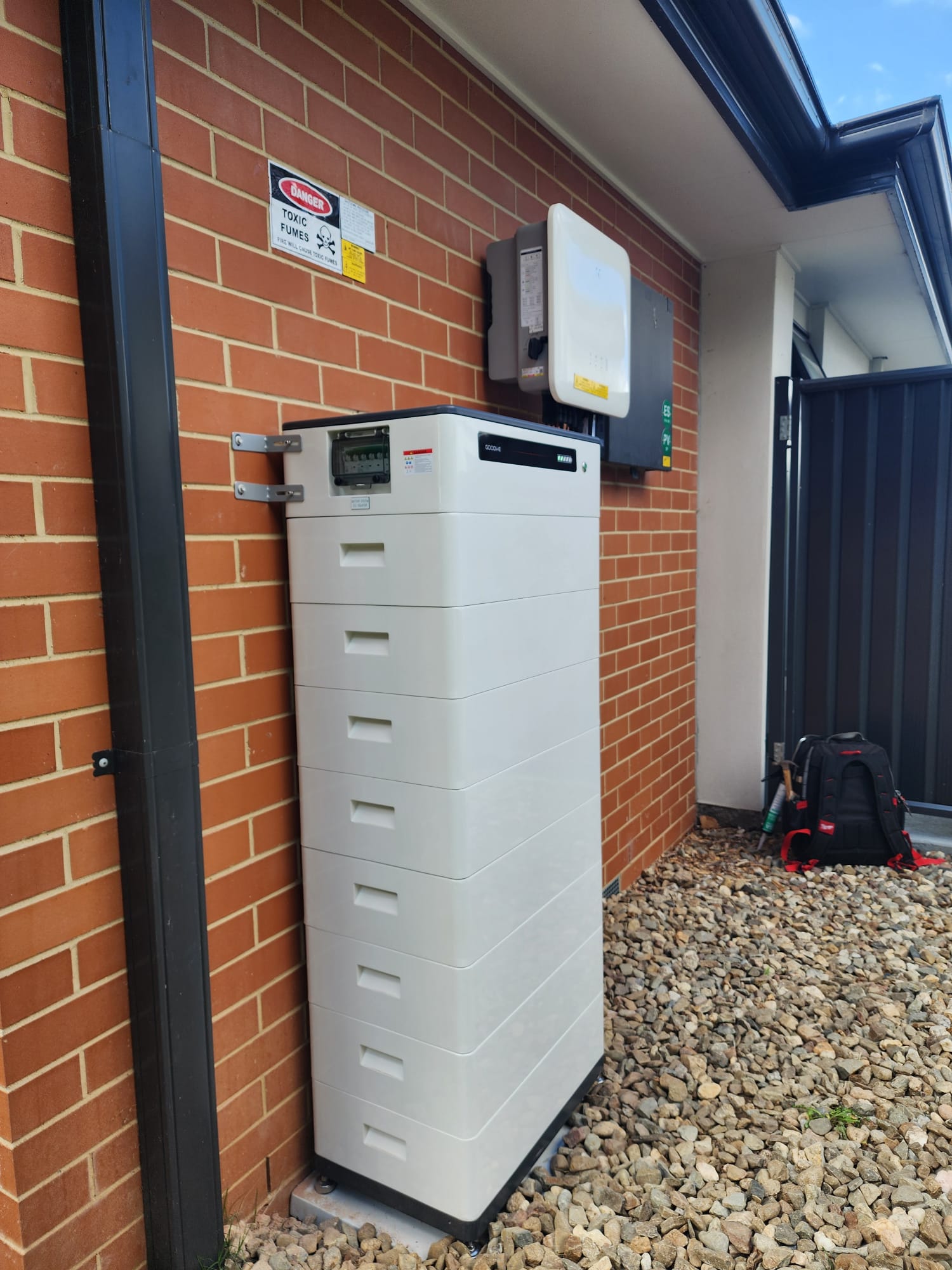
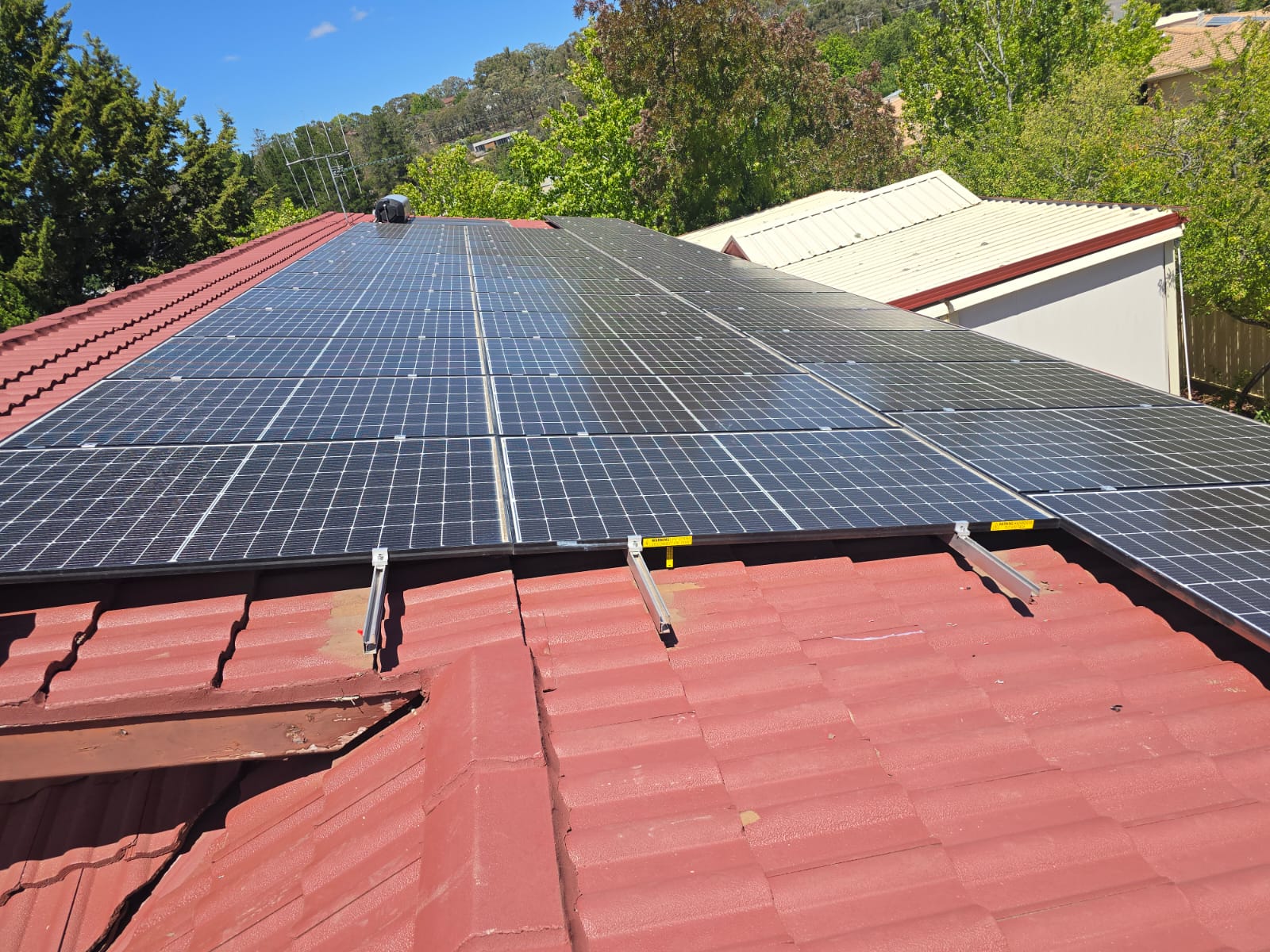
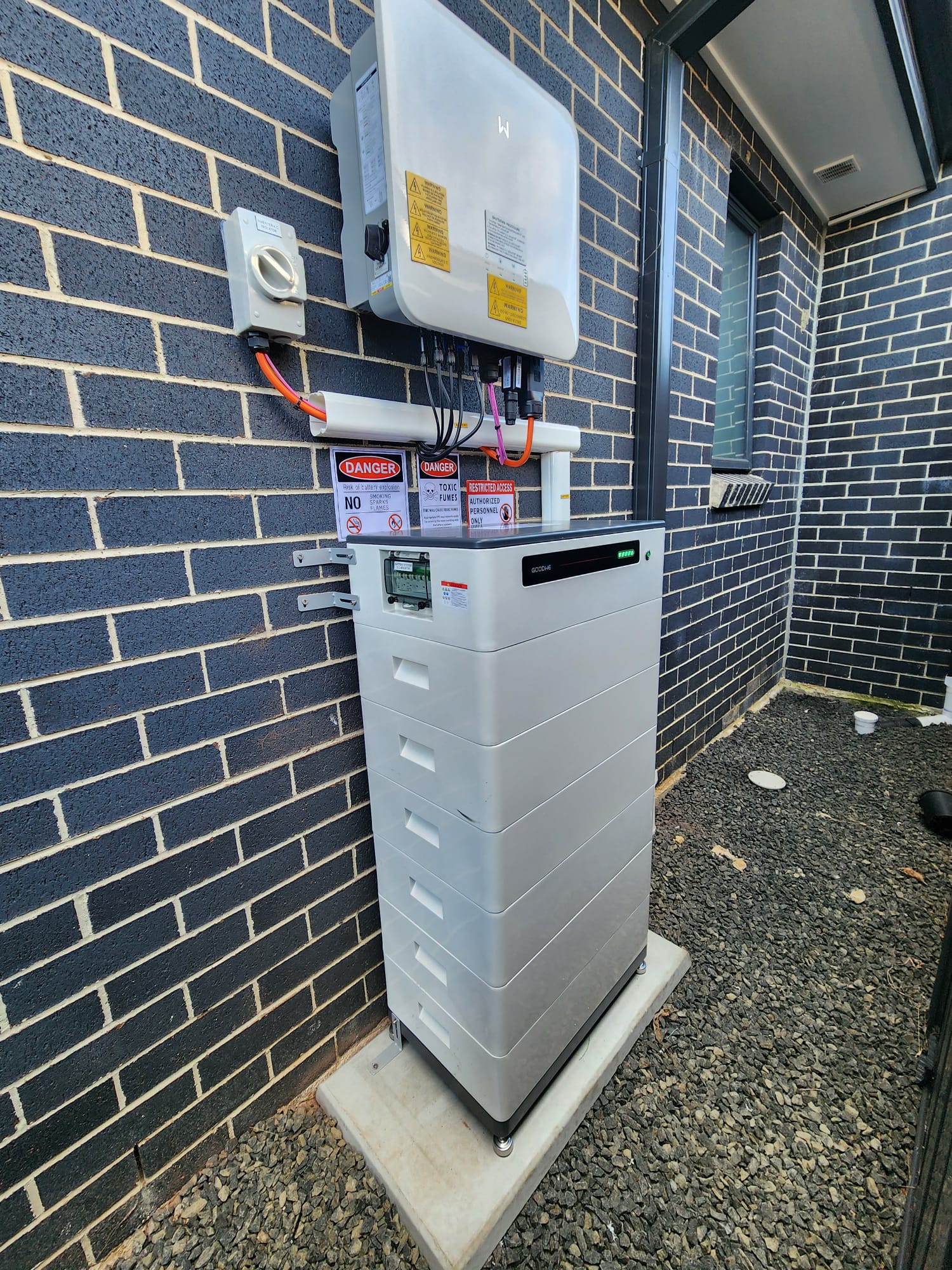
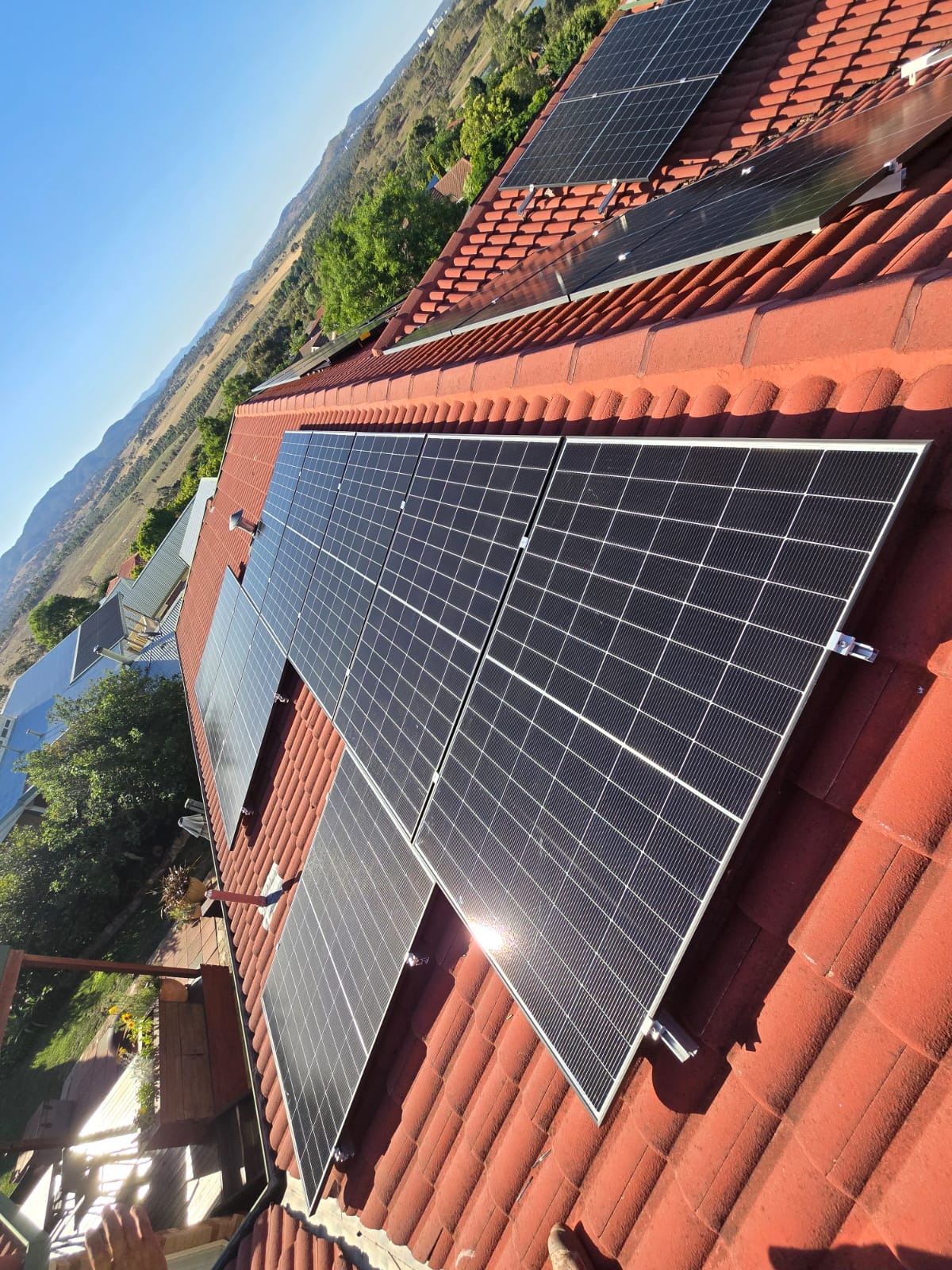
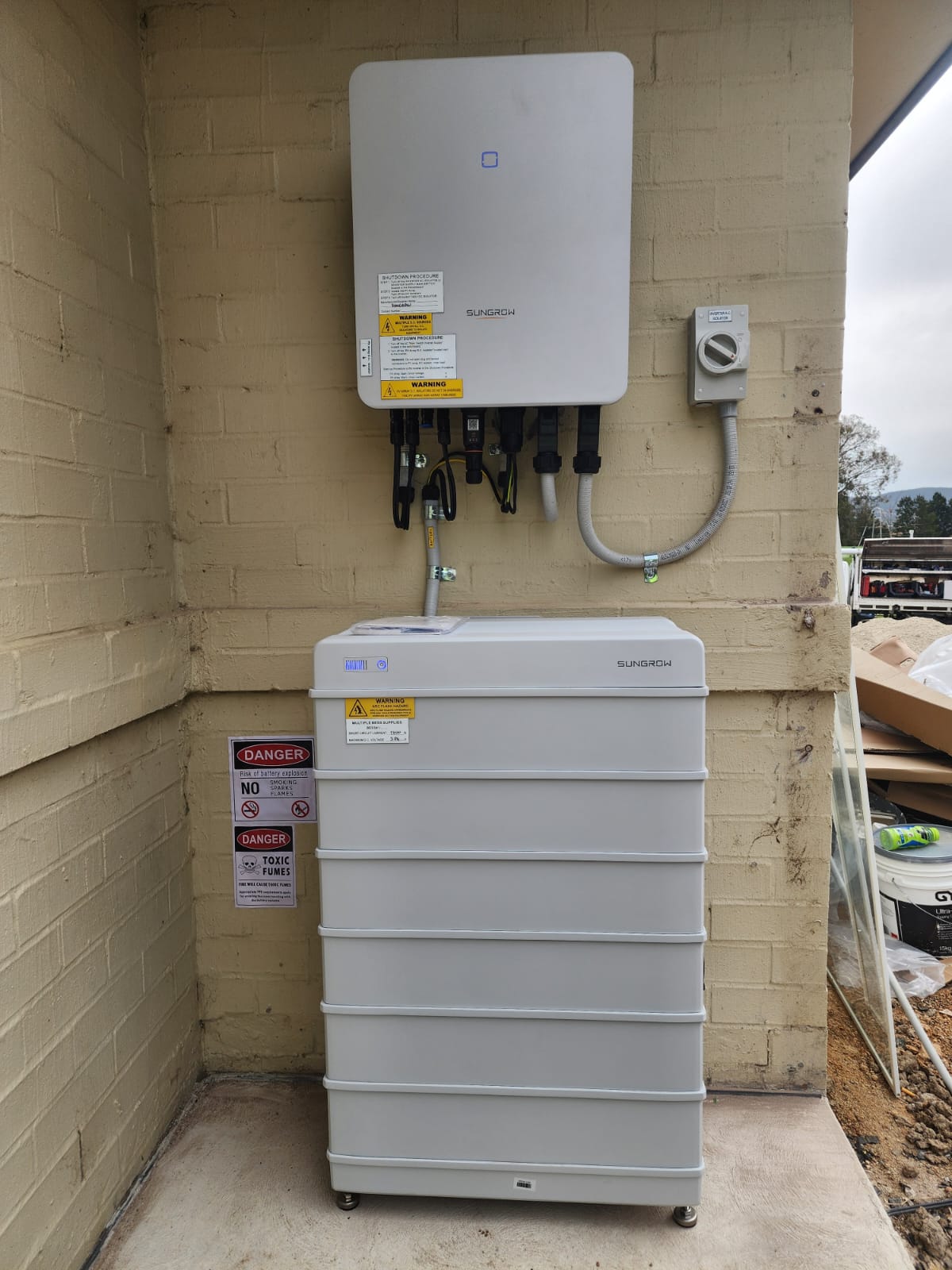
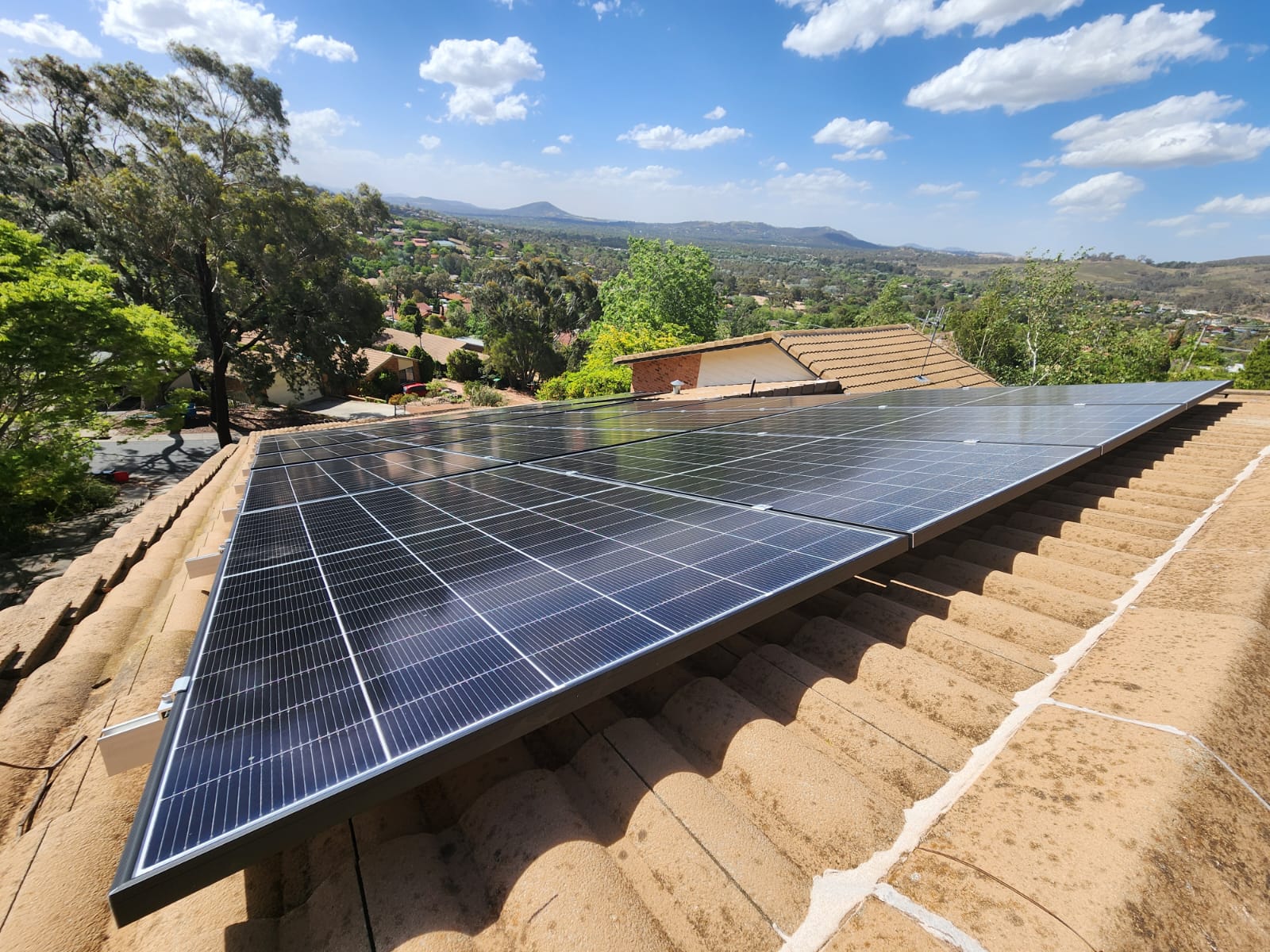
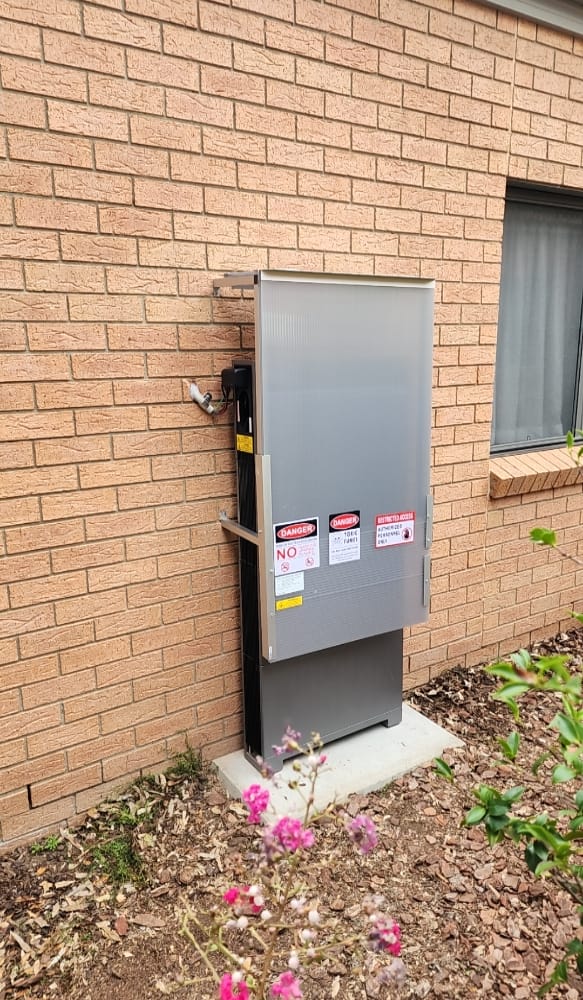
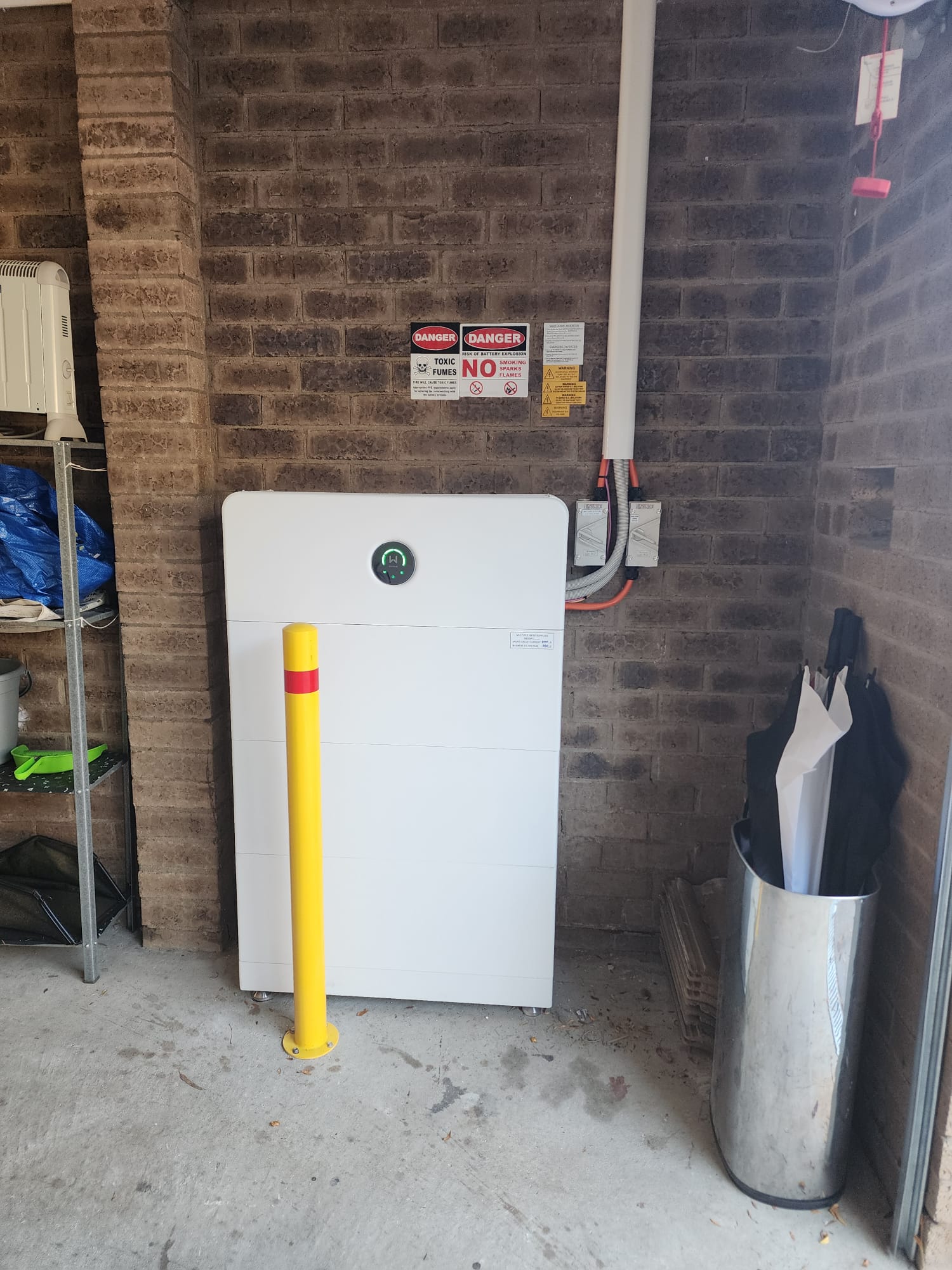
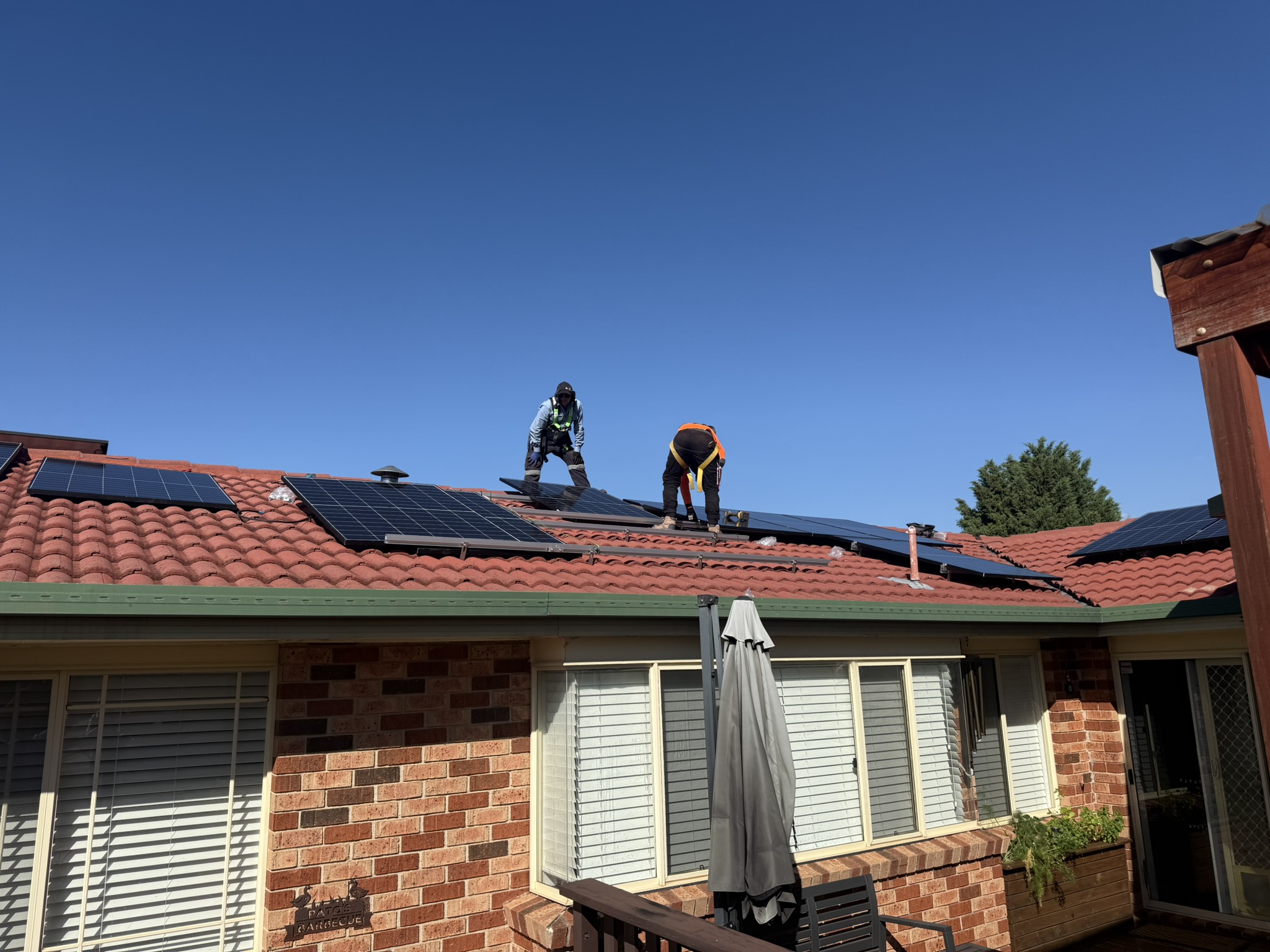
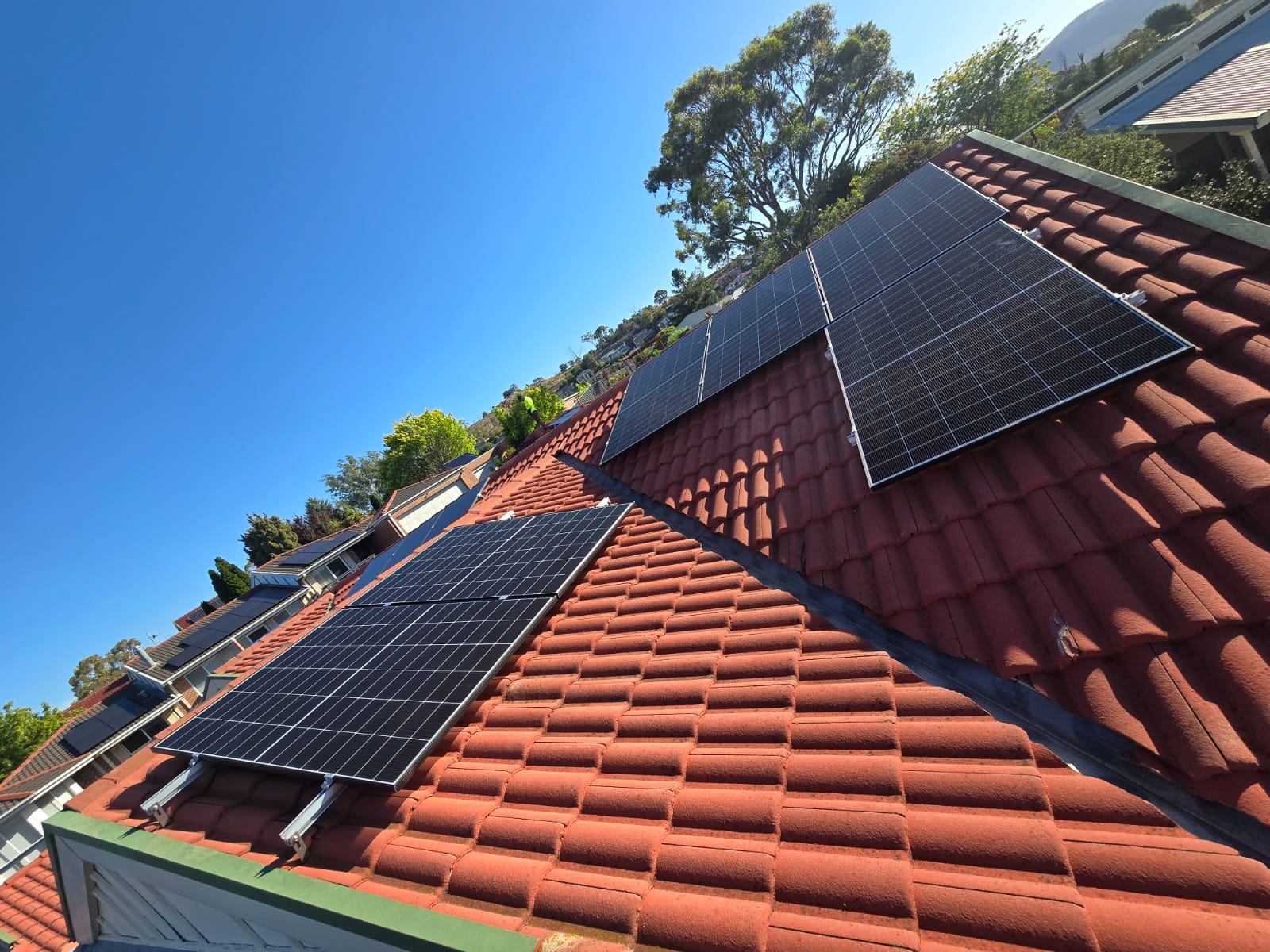
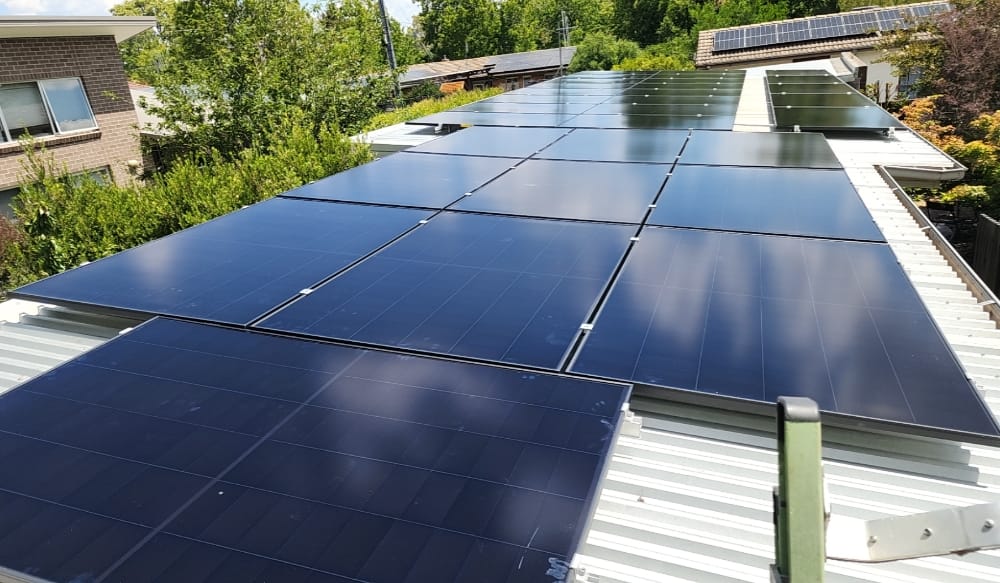
OUR WORKS
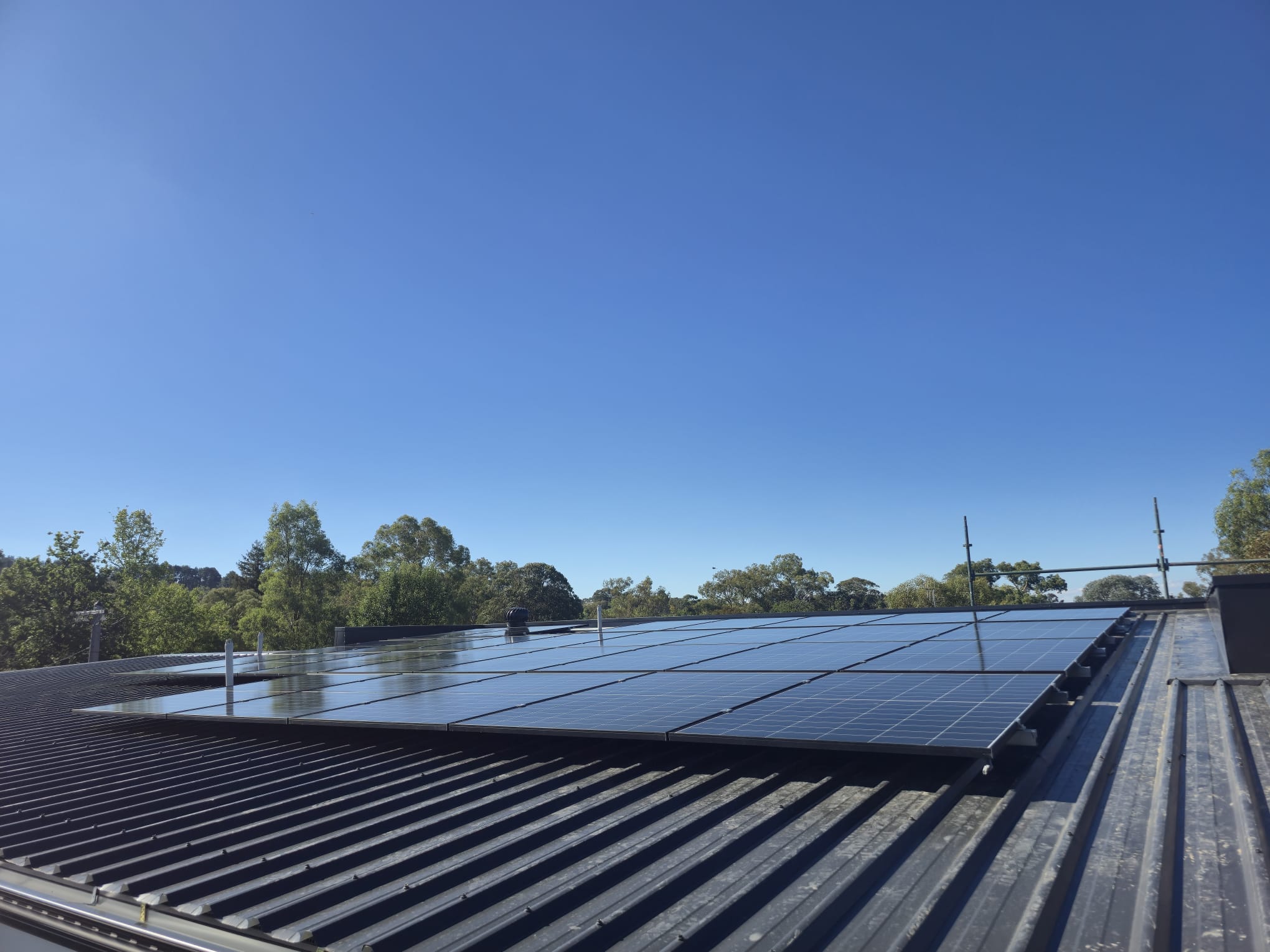
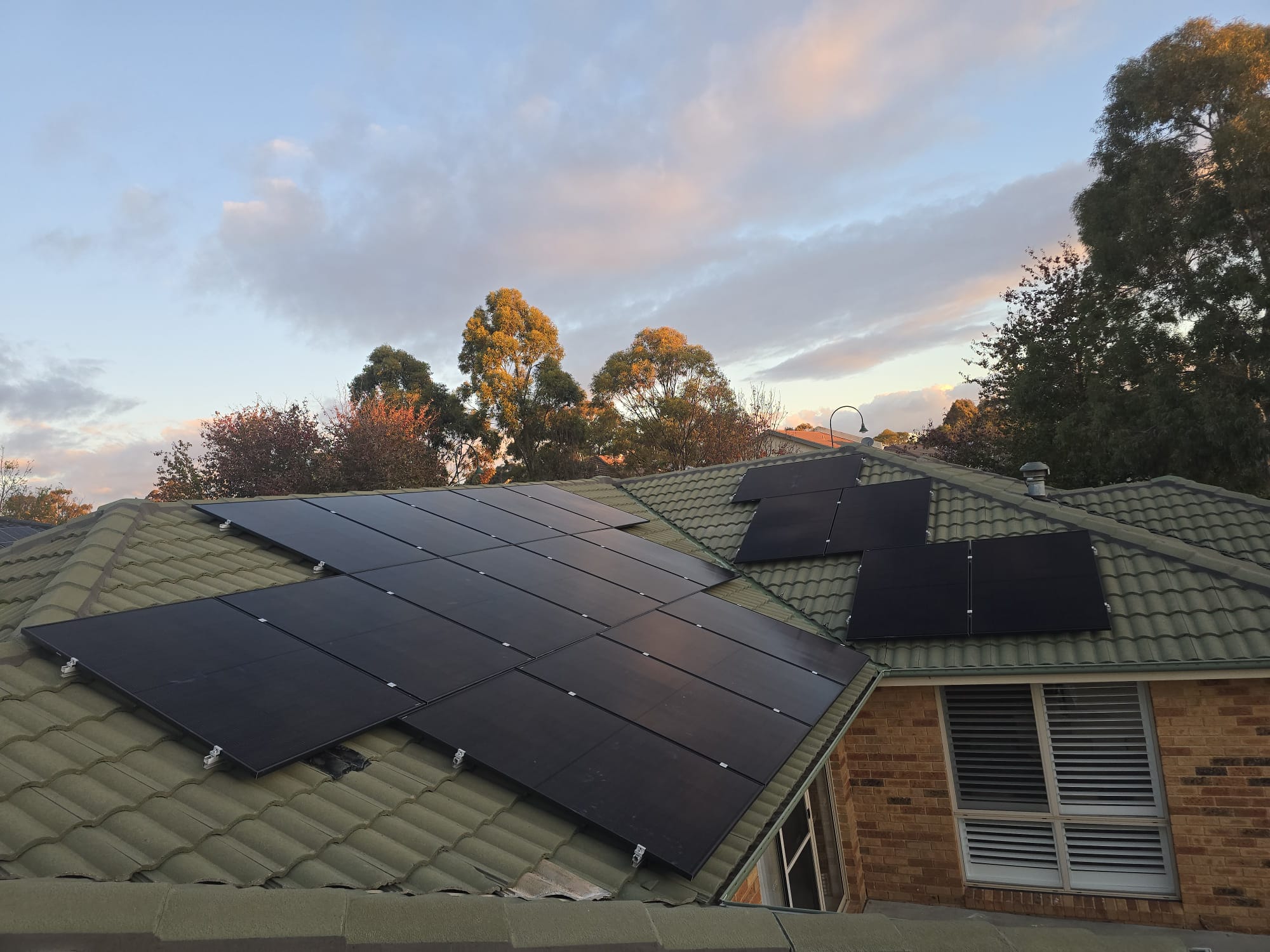
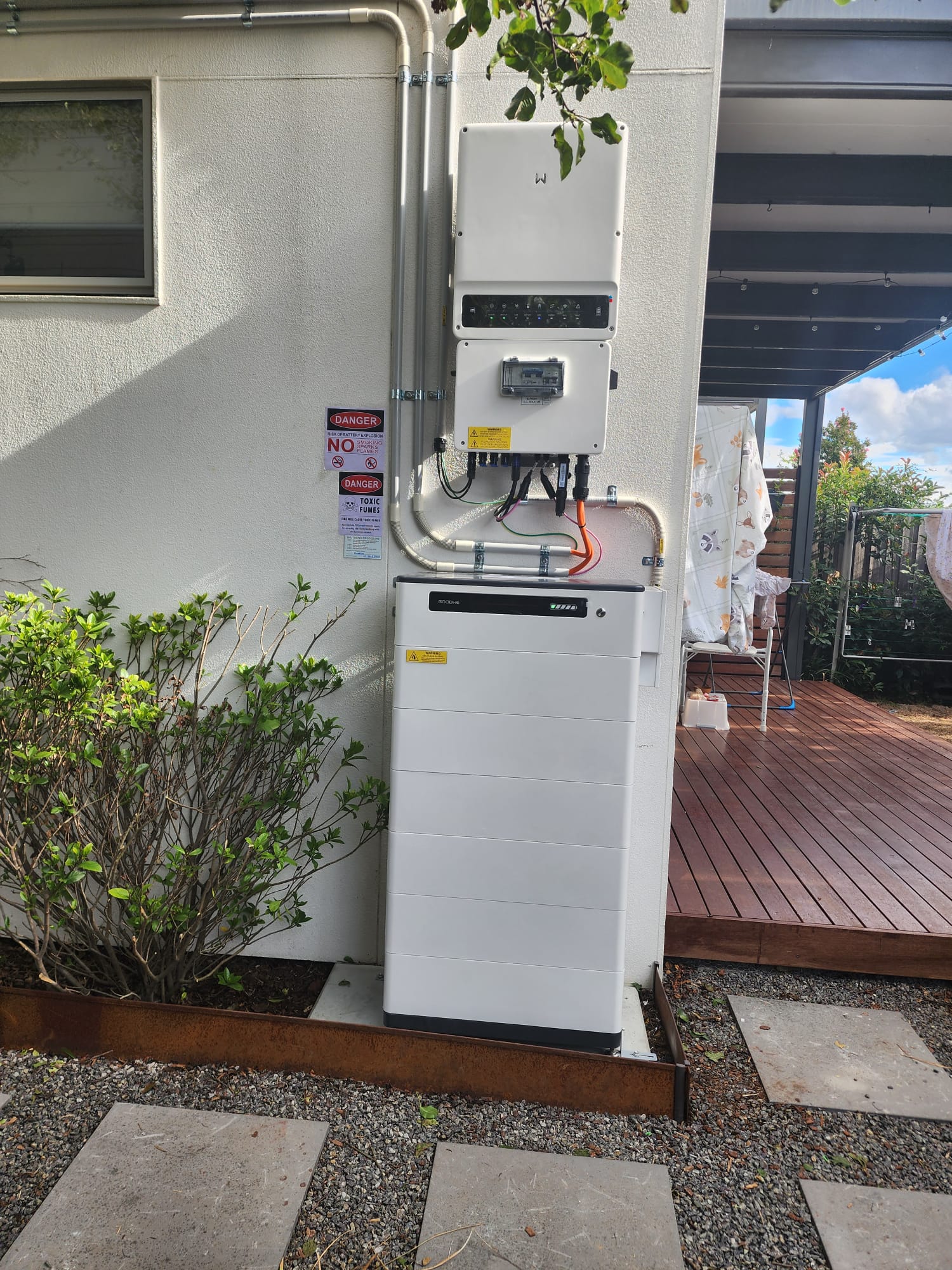
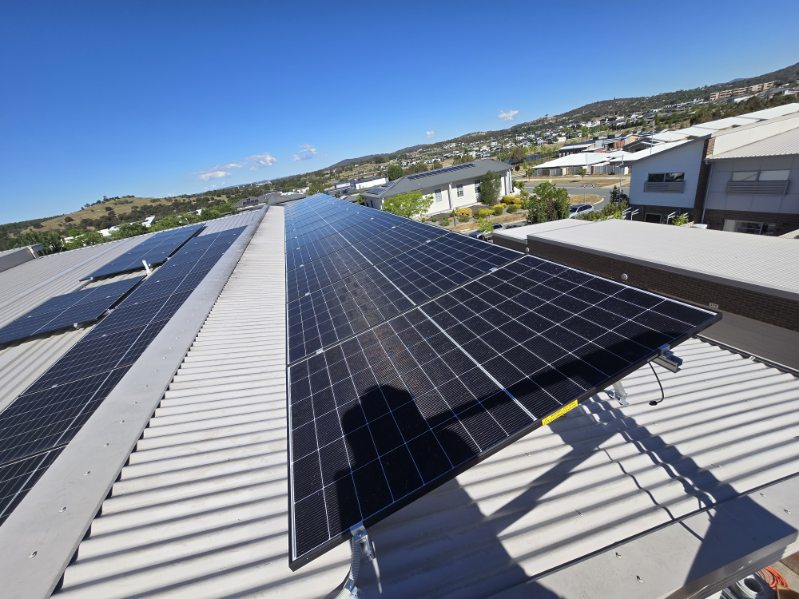
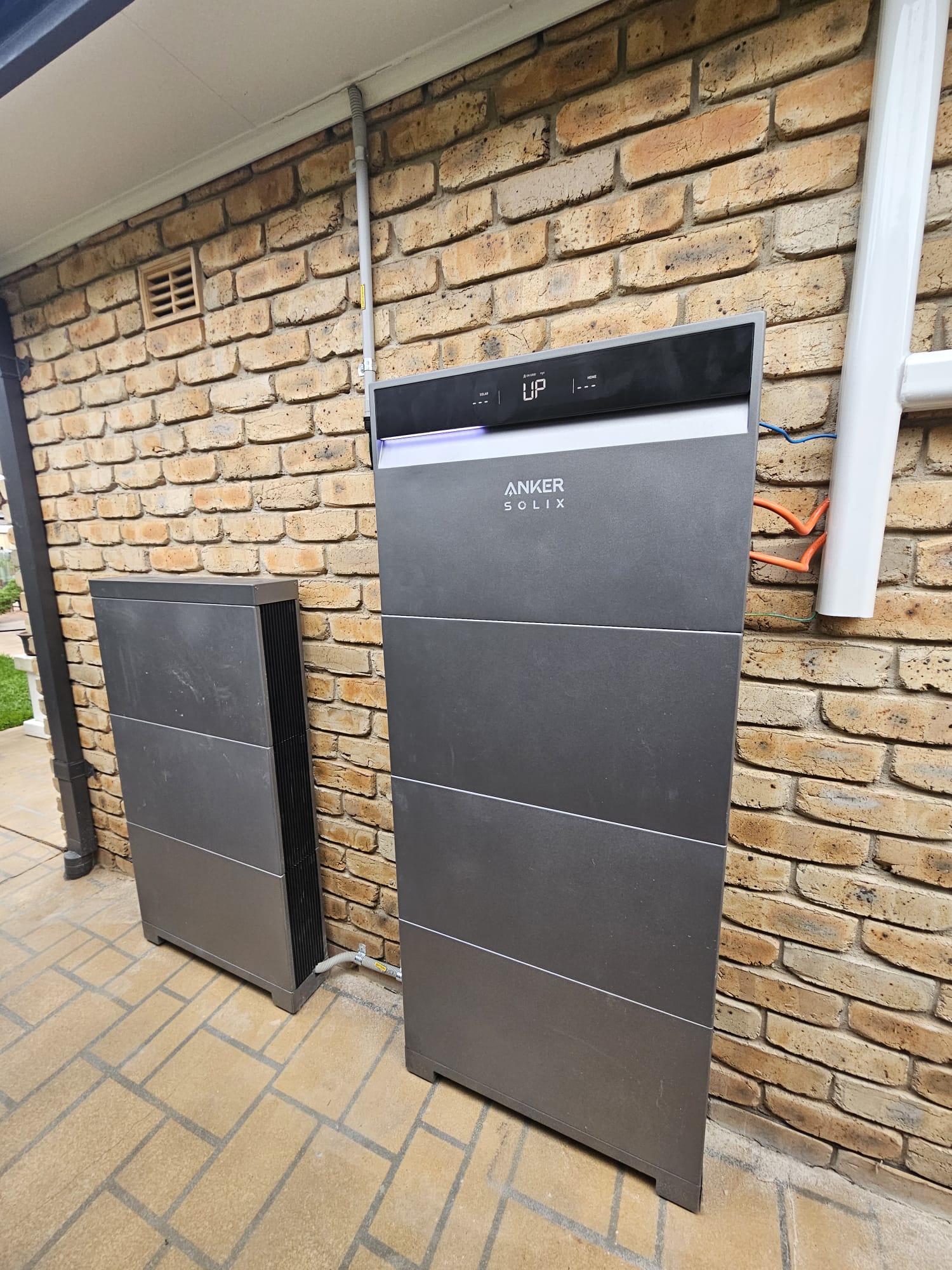
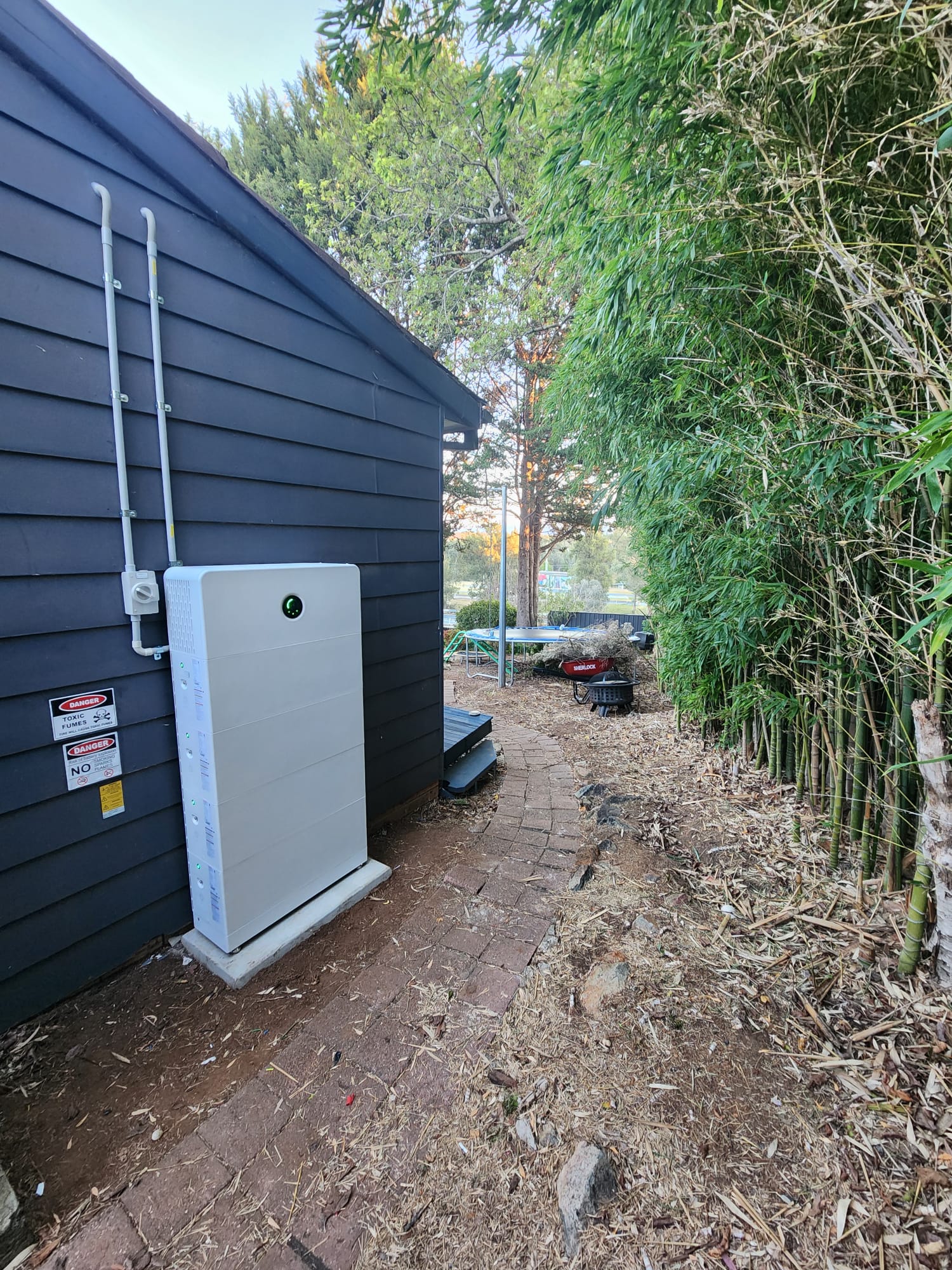
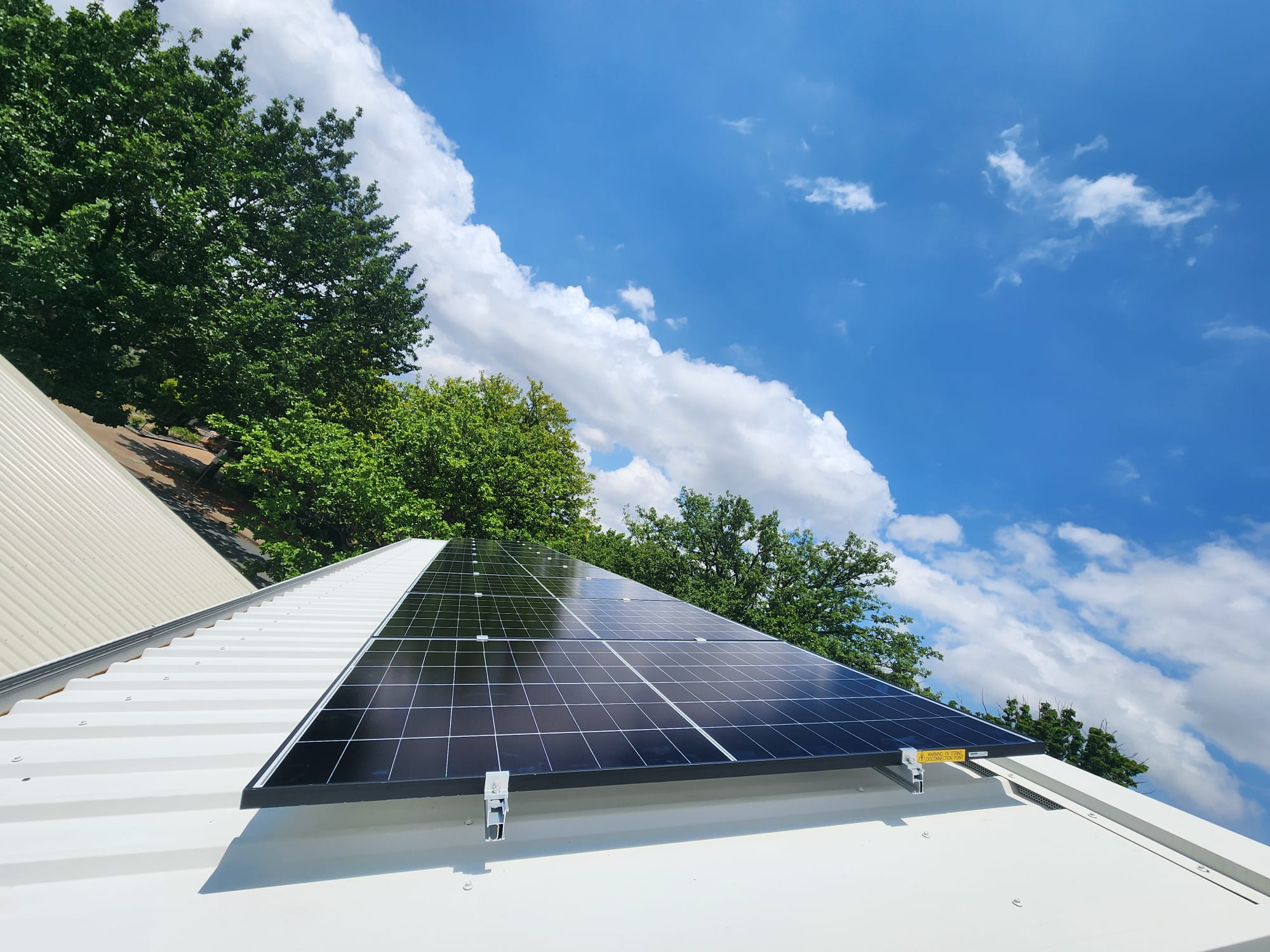
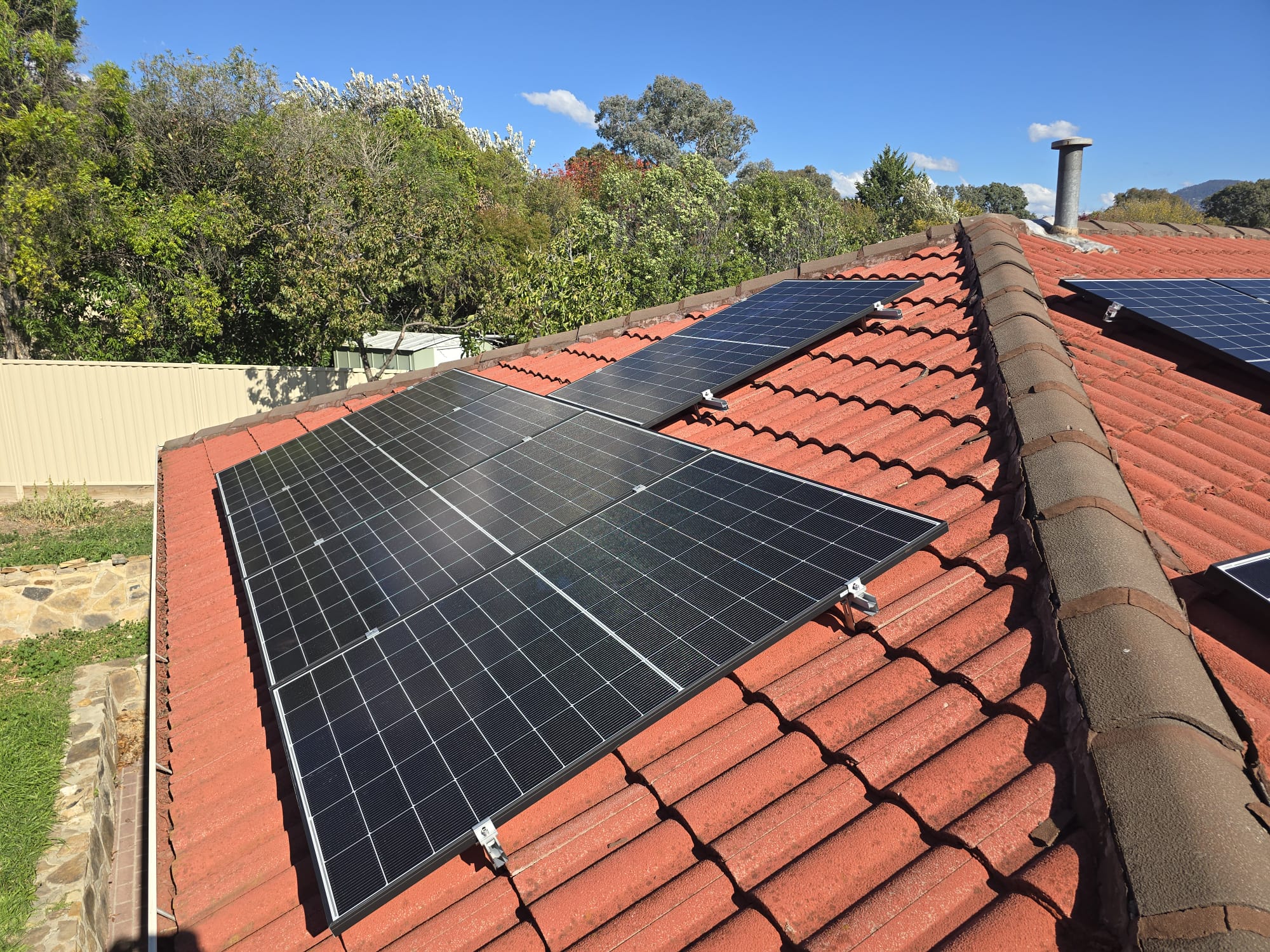
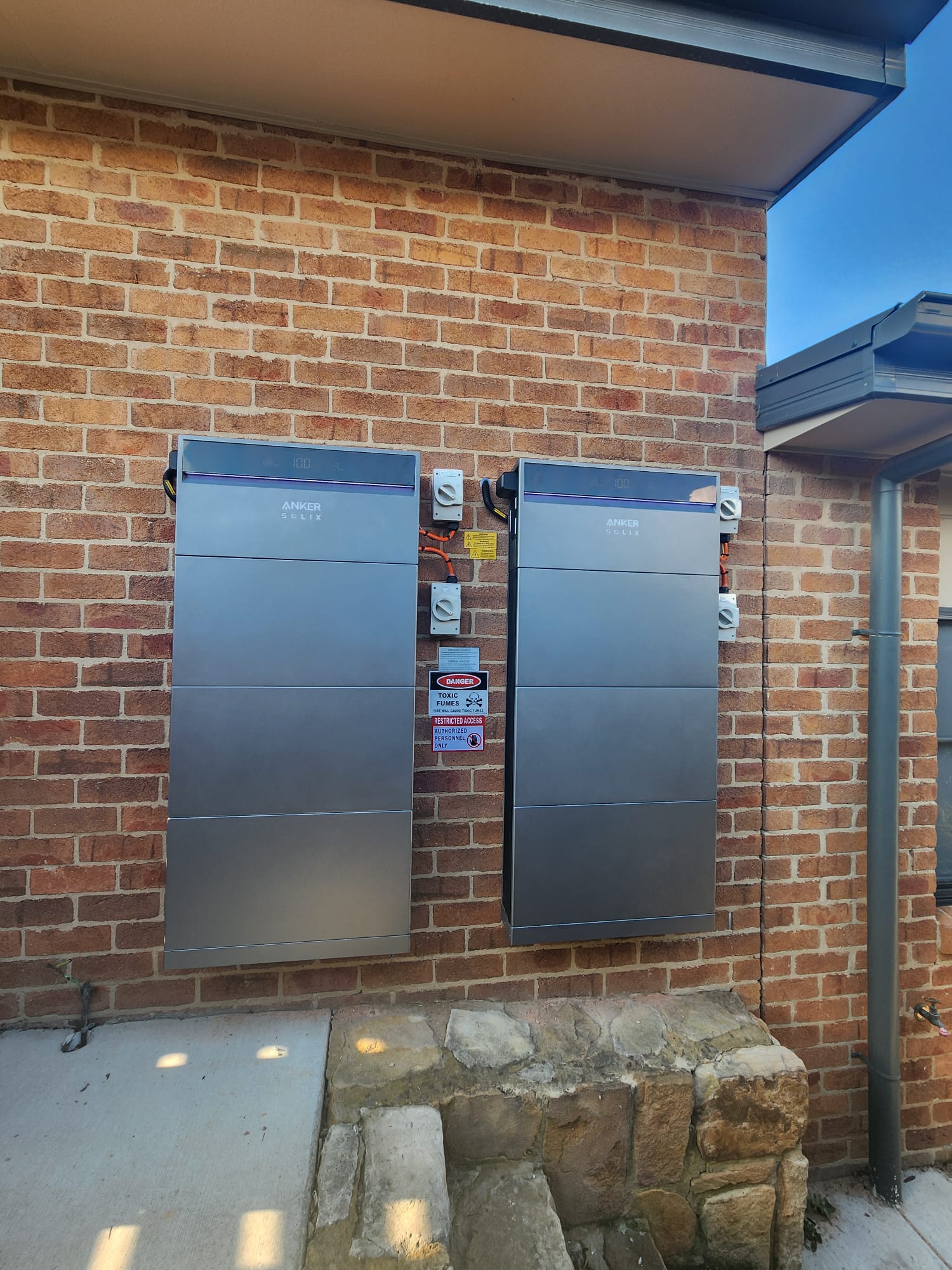
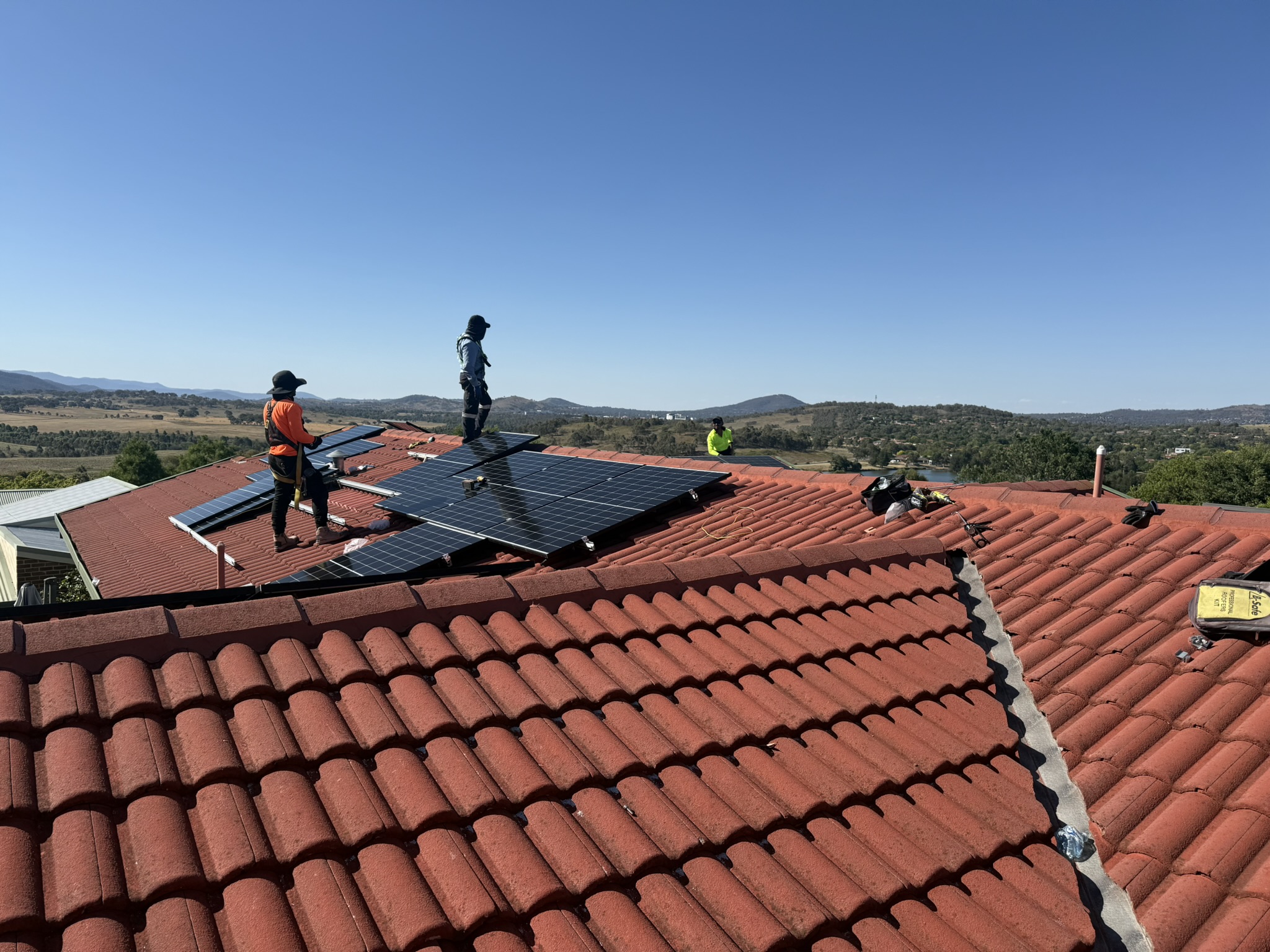
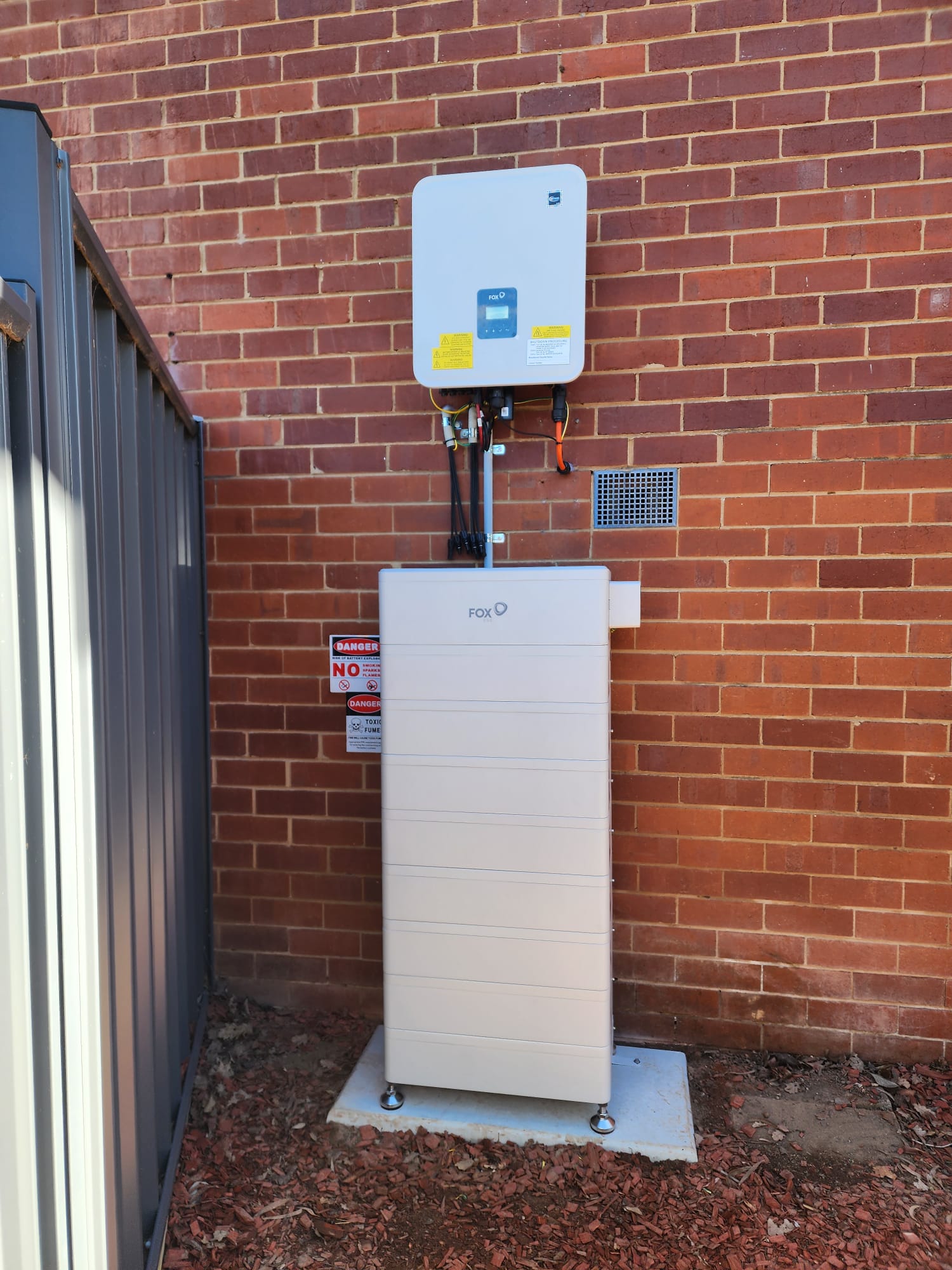
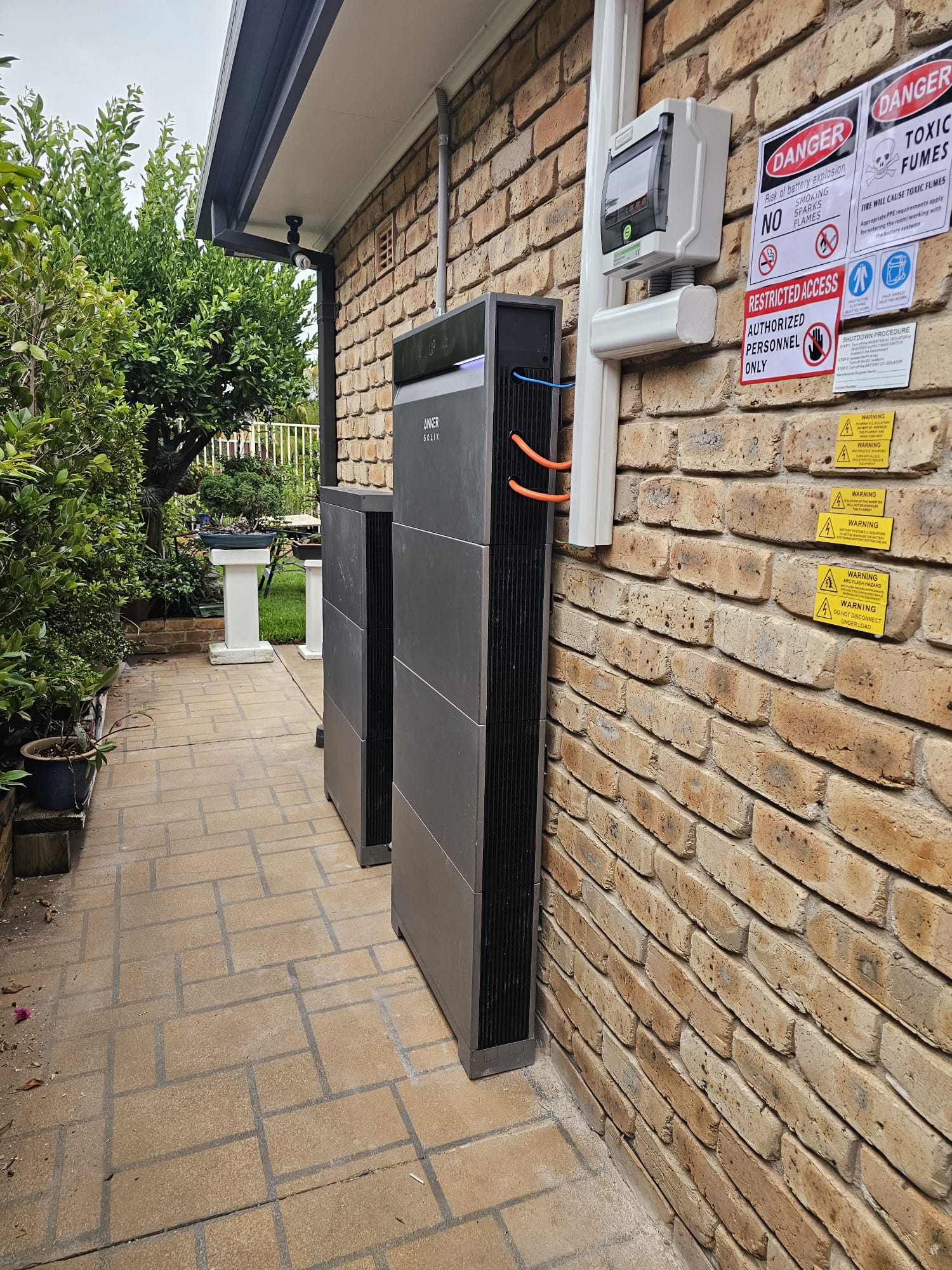
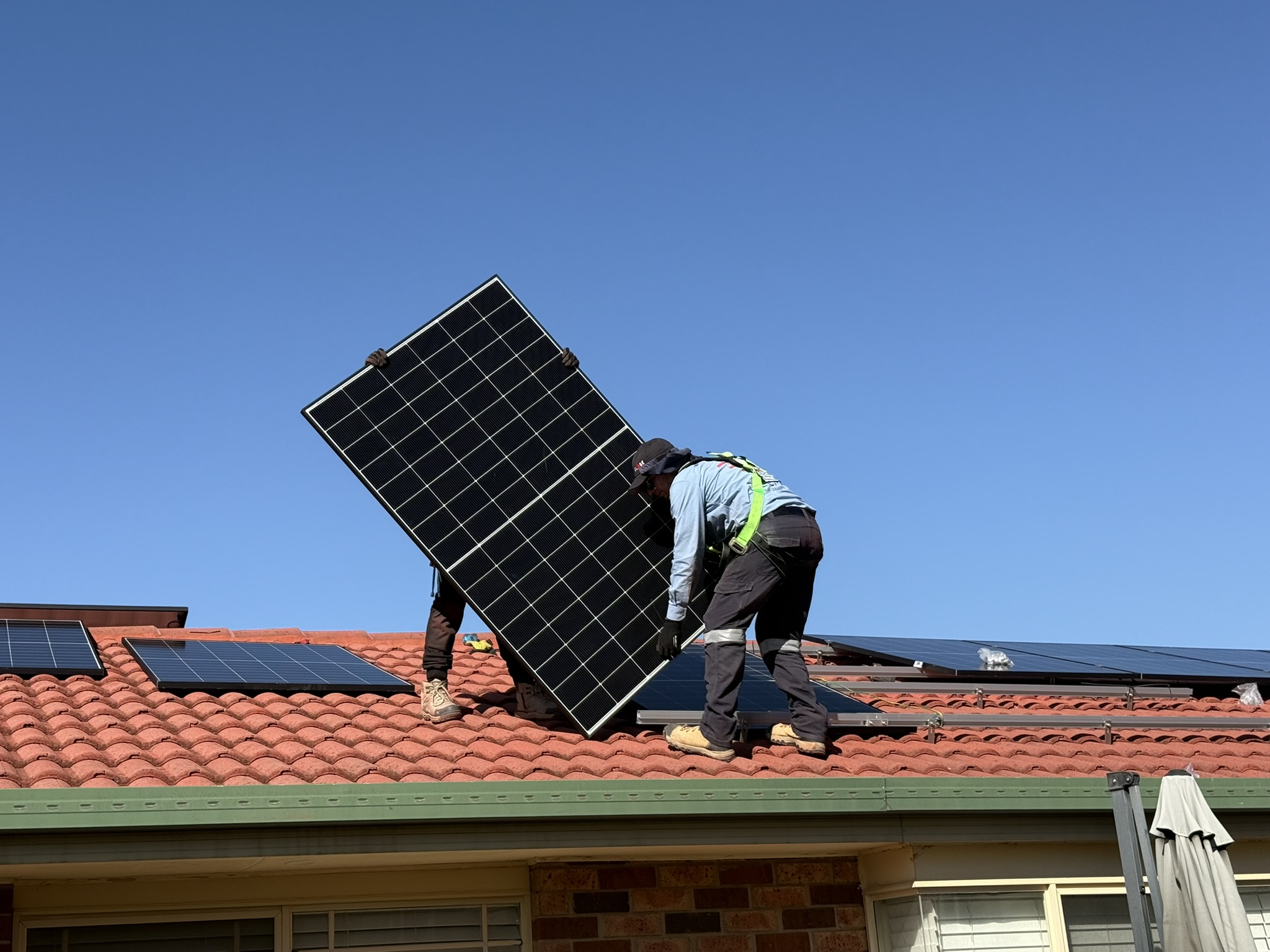
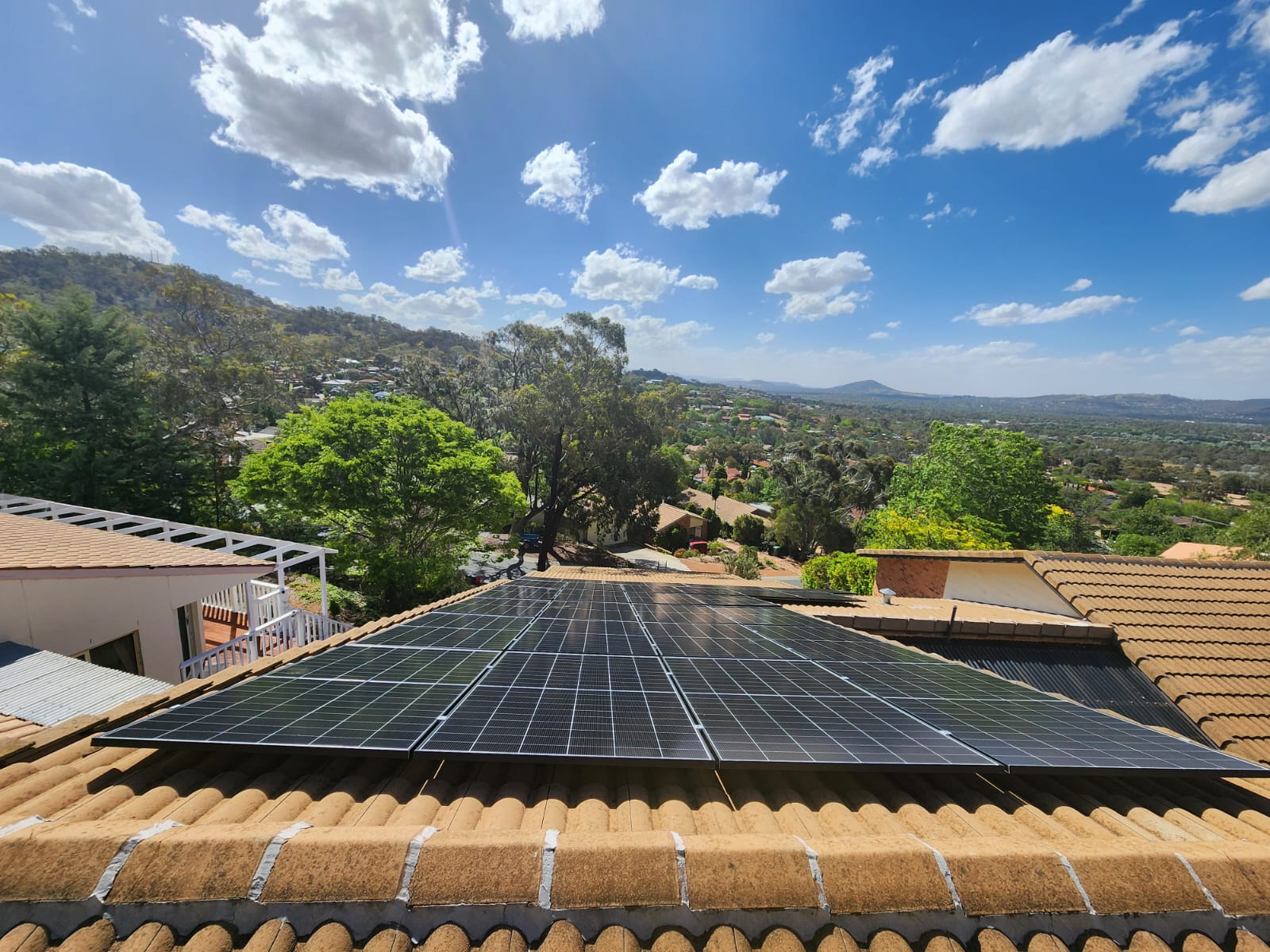
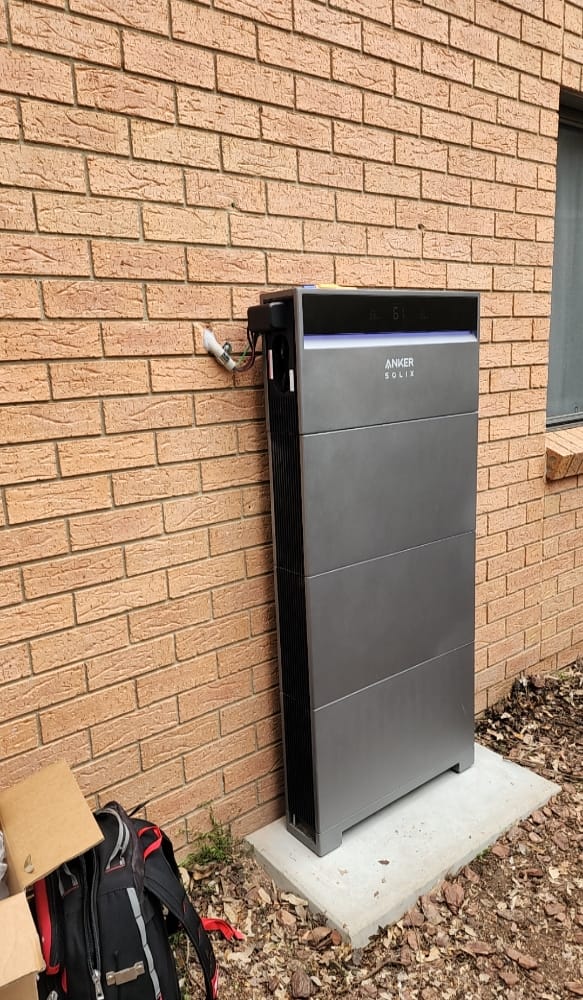
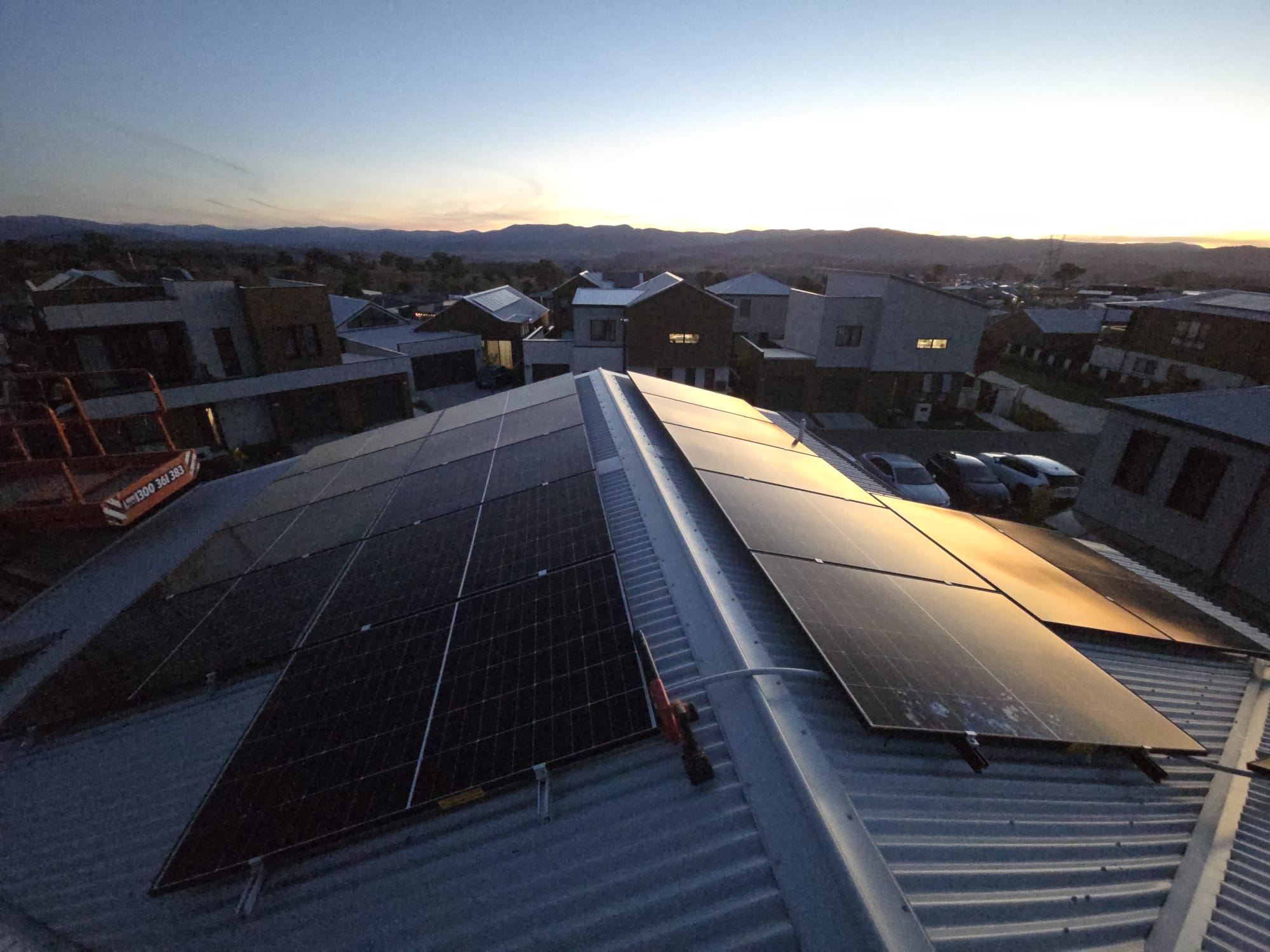
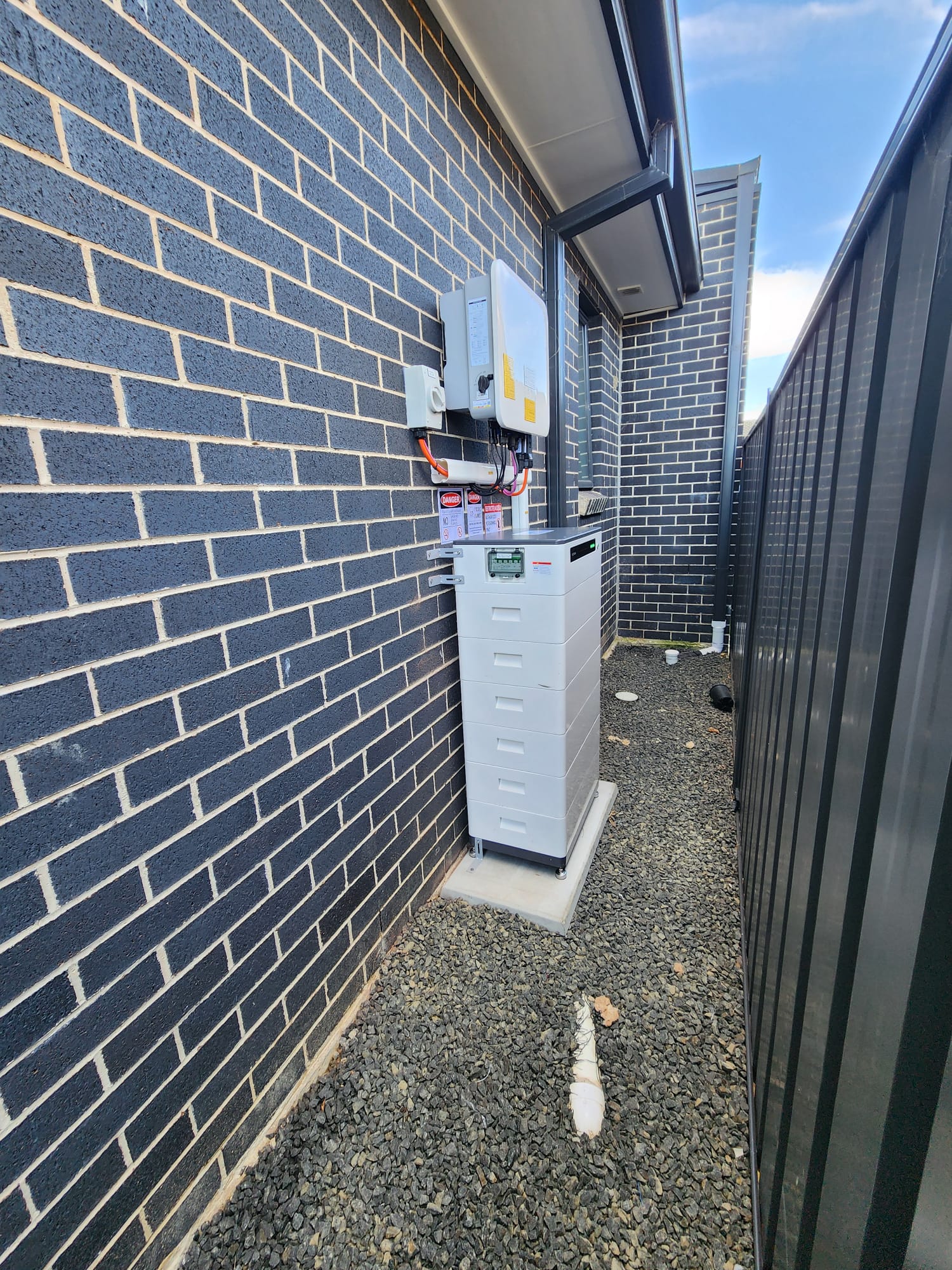
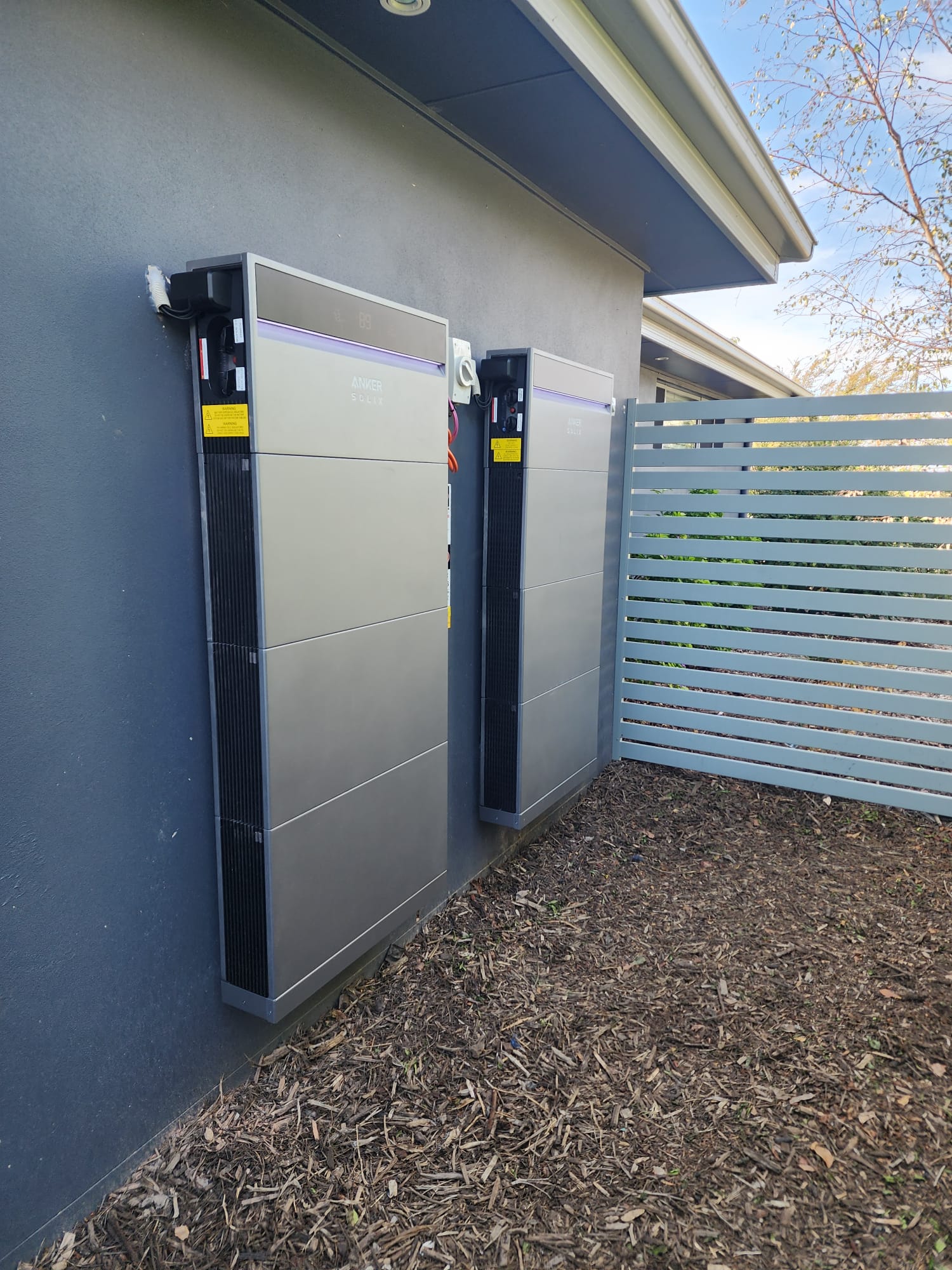
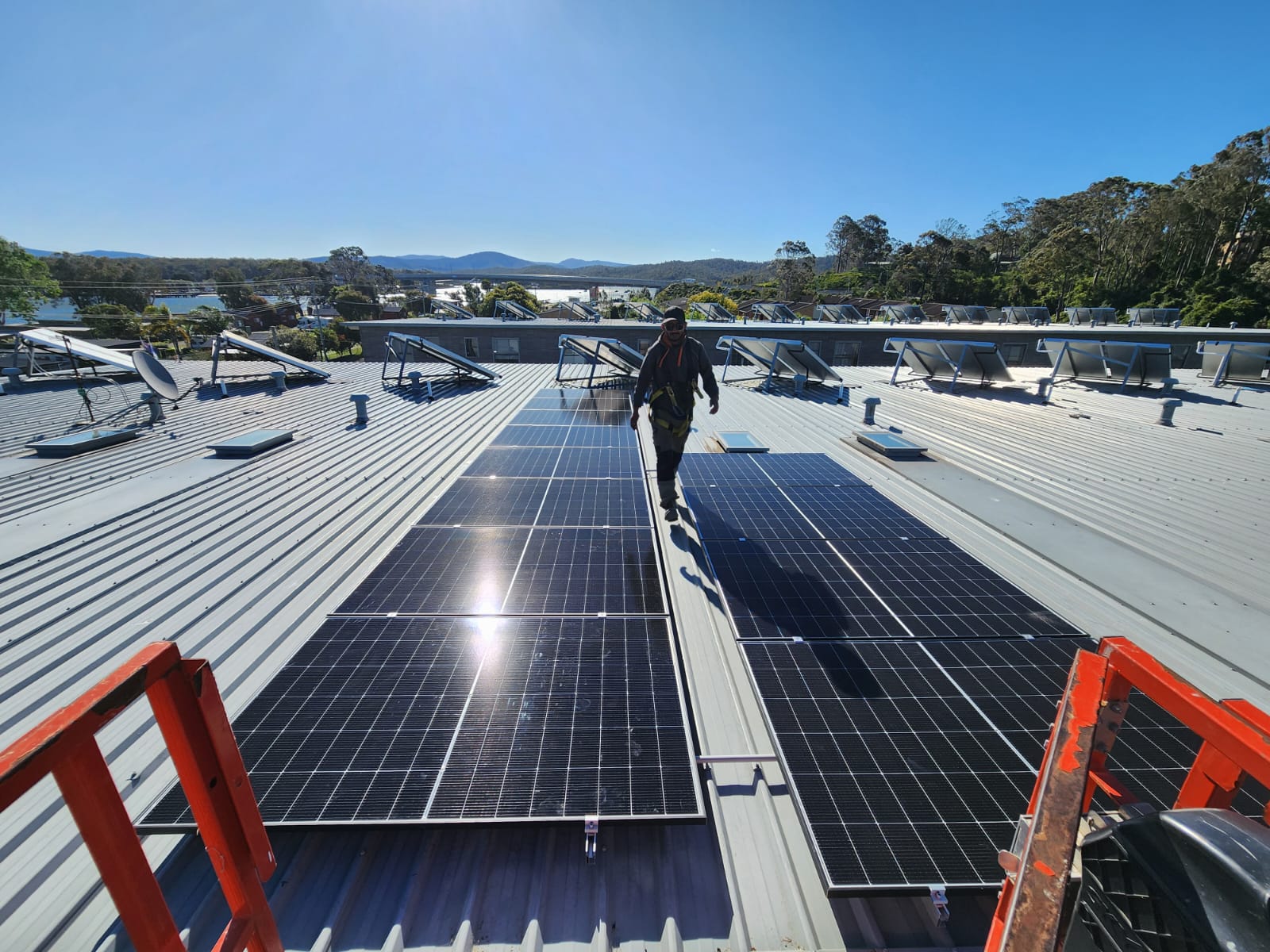
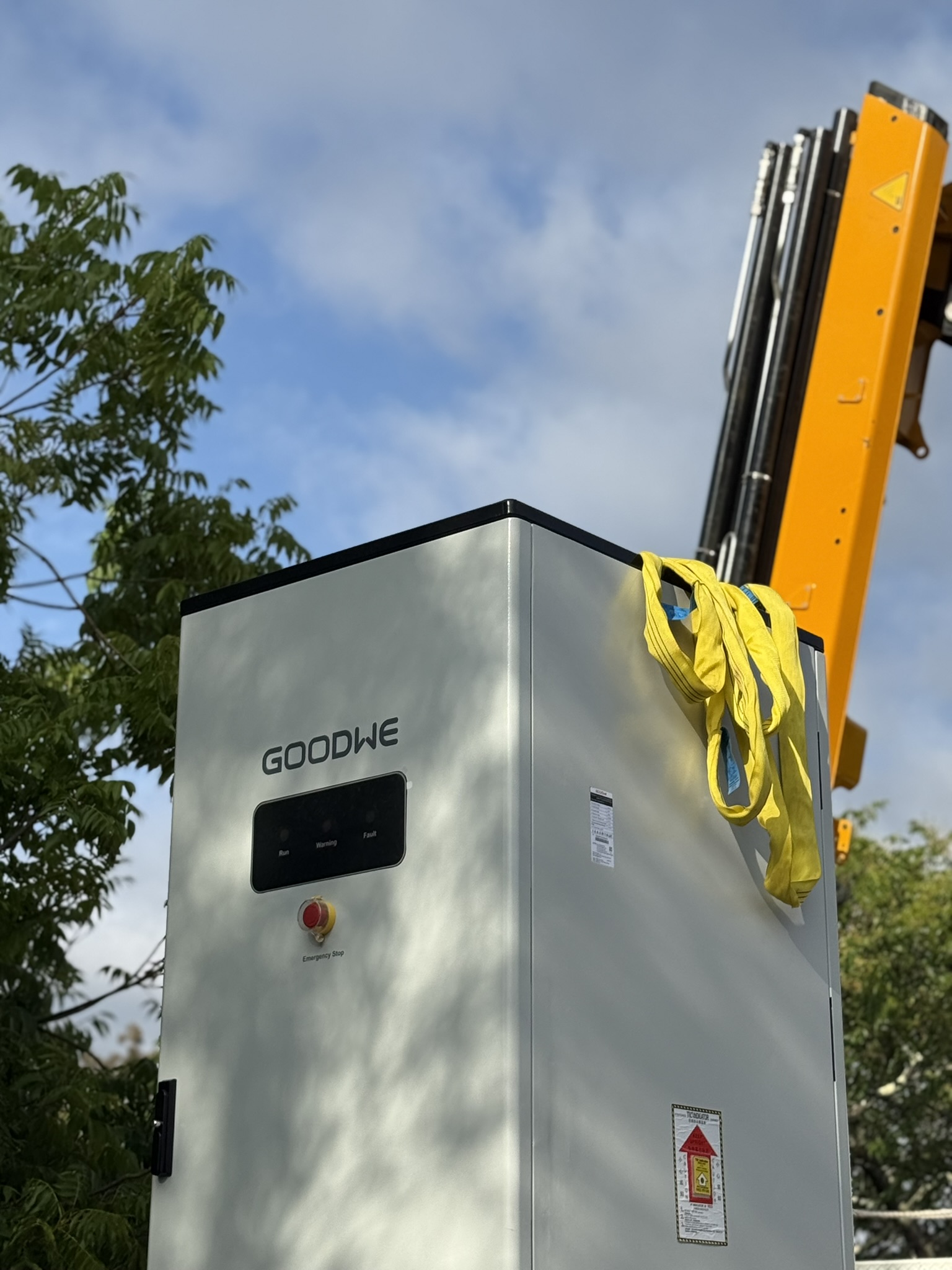
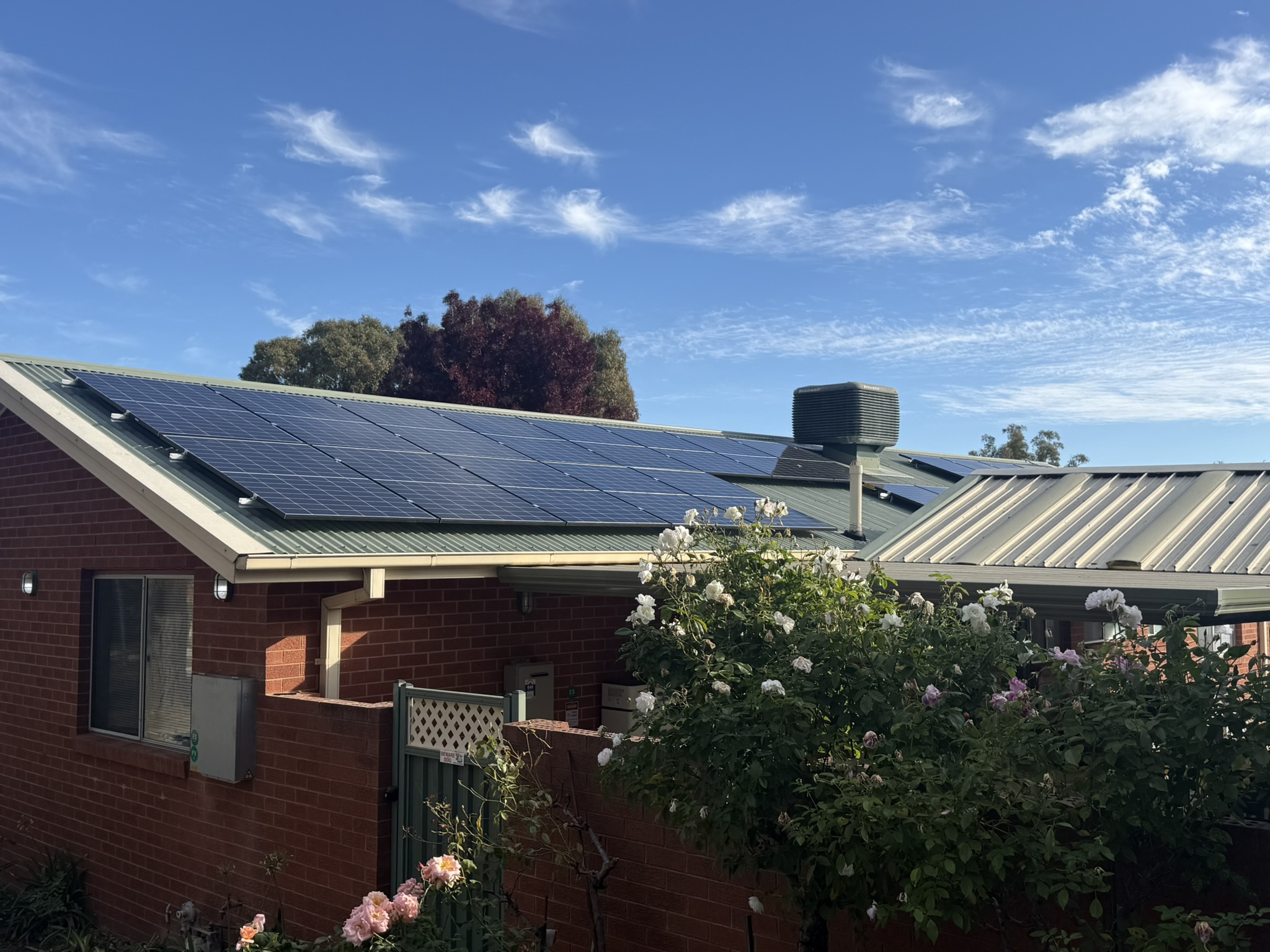
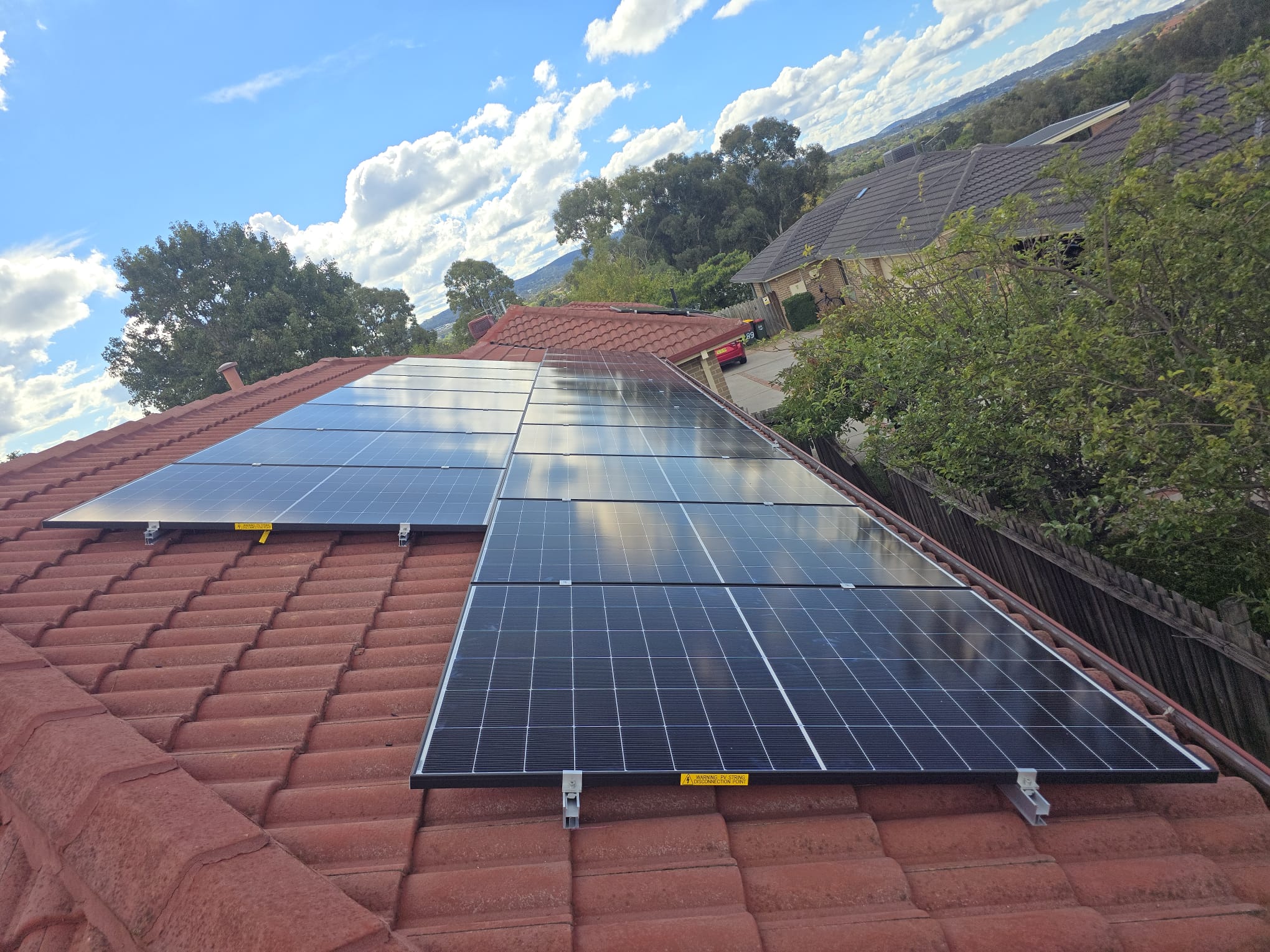
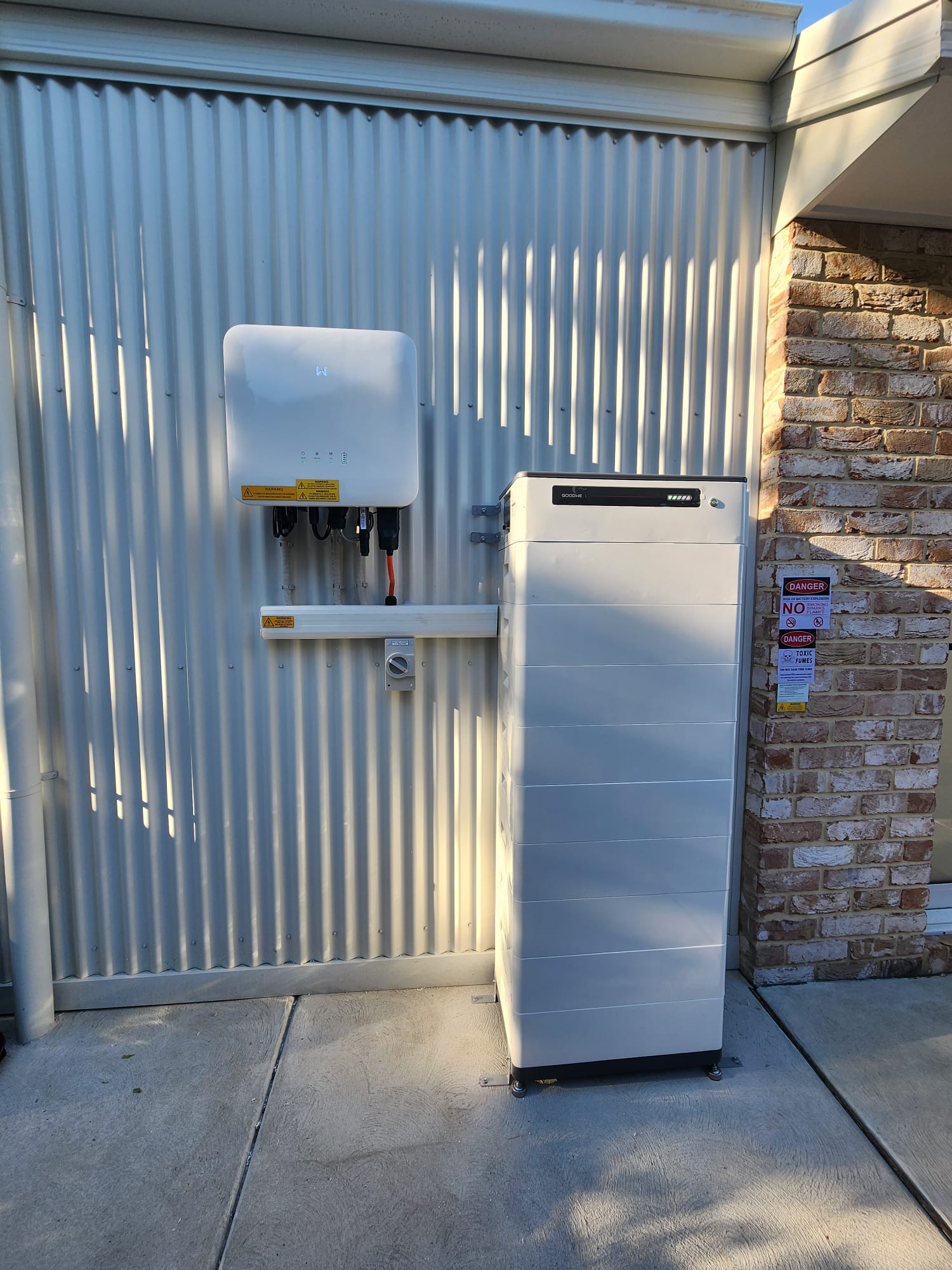
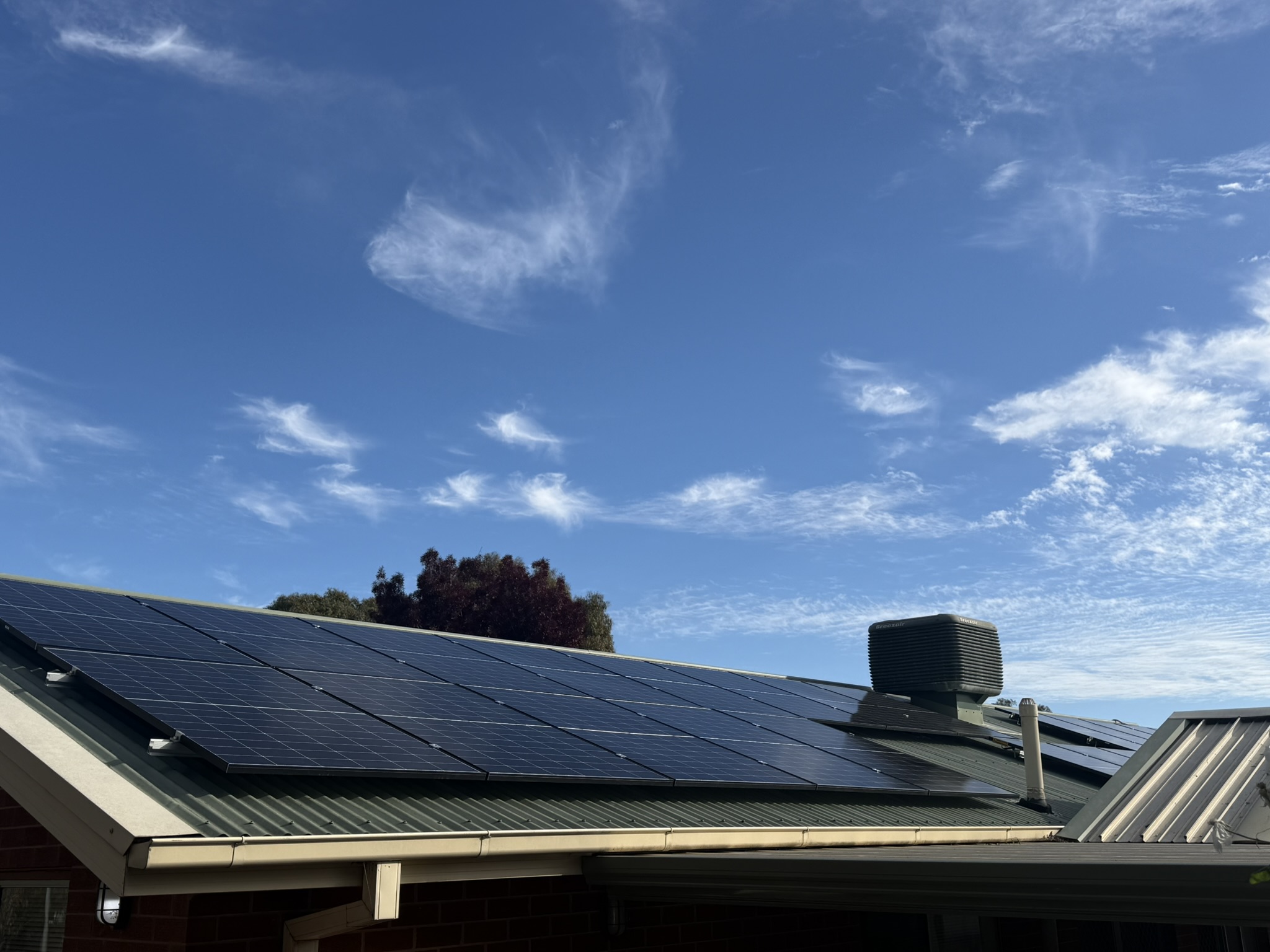
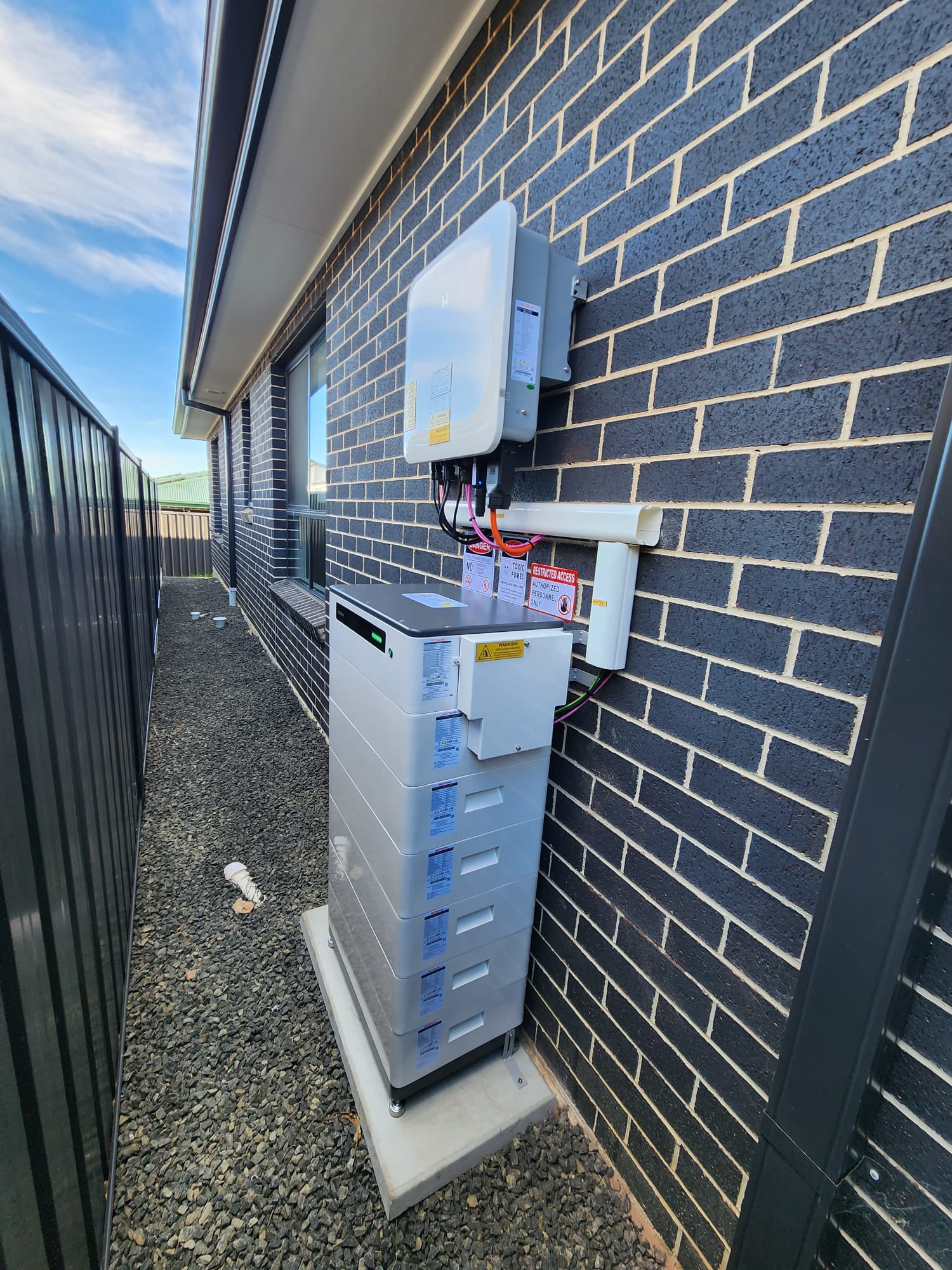
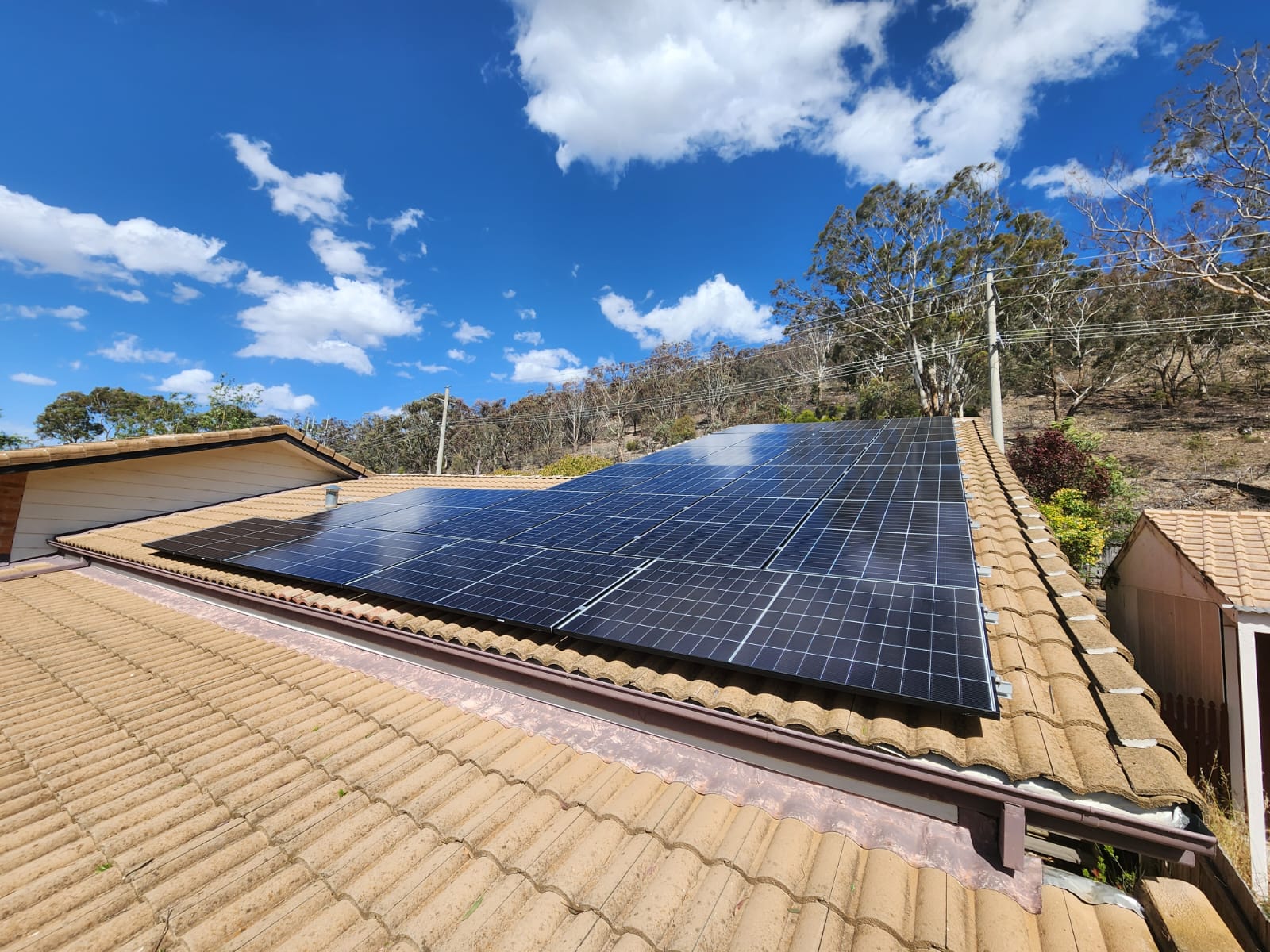
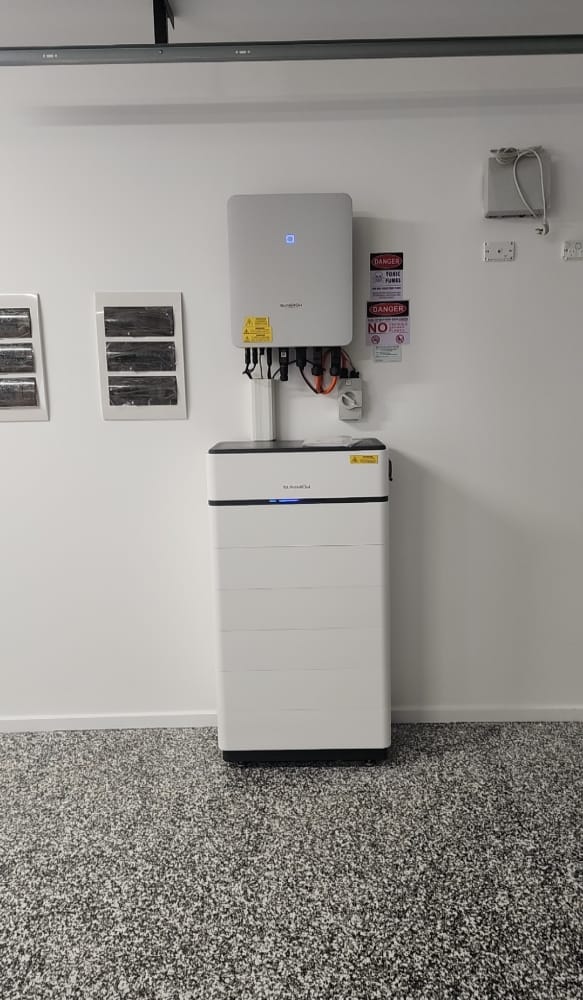
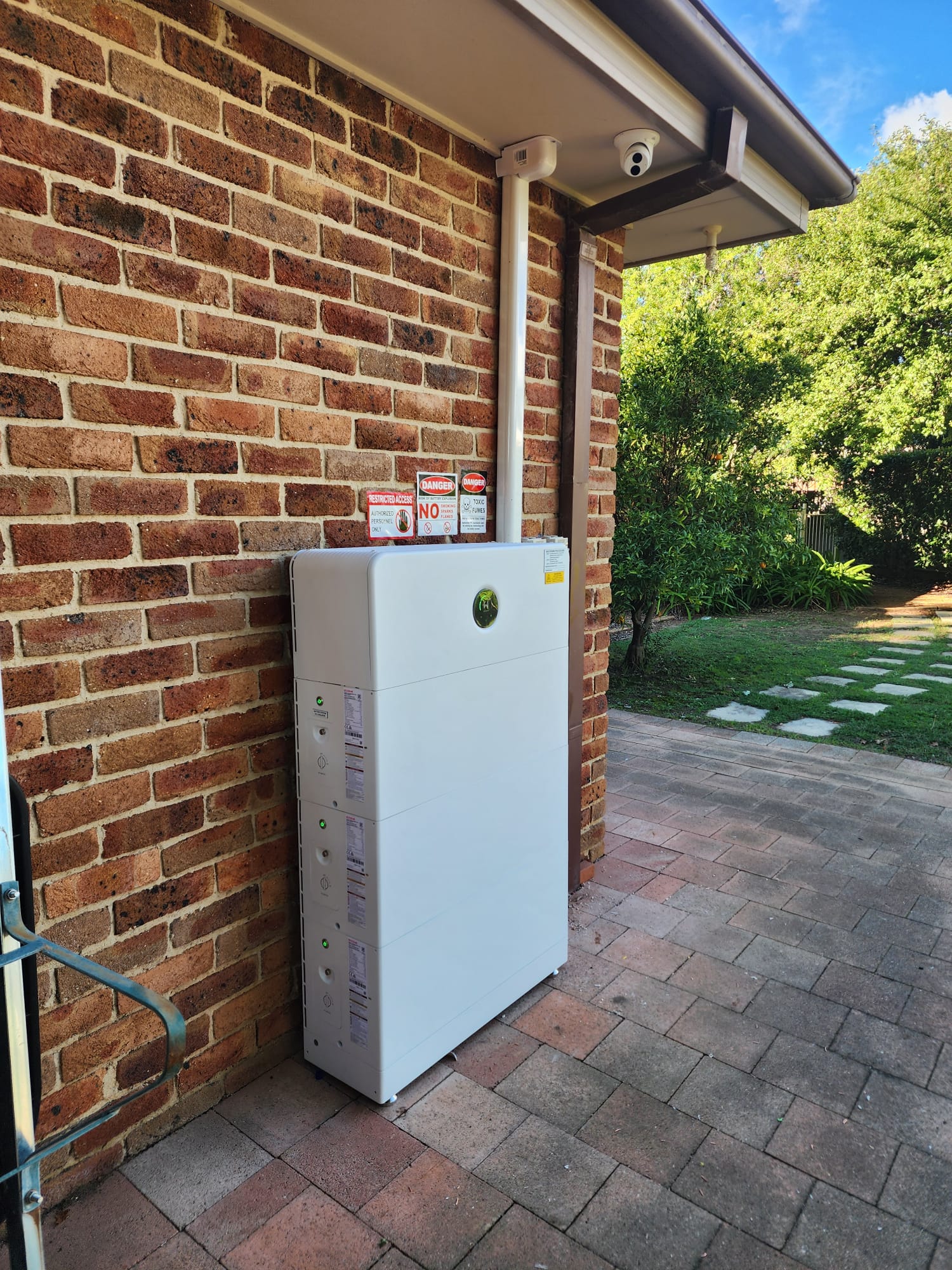
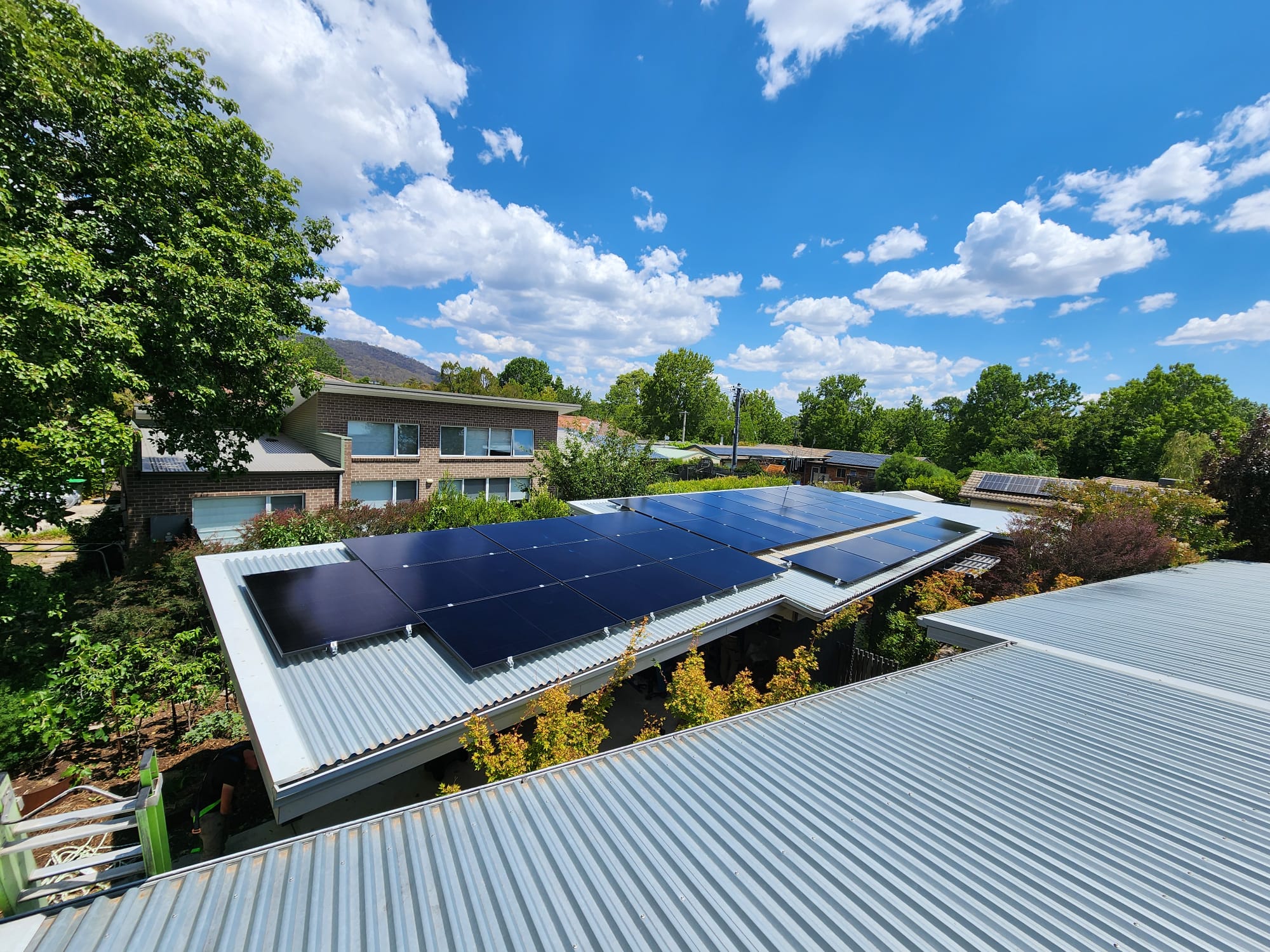
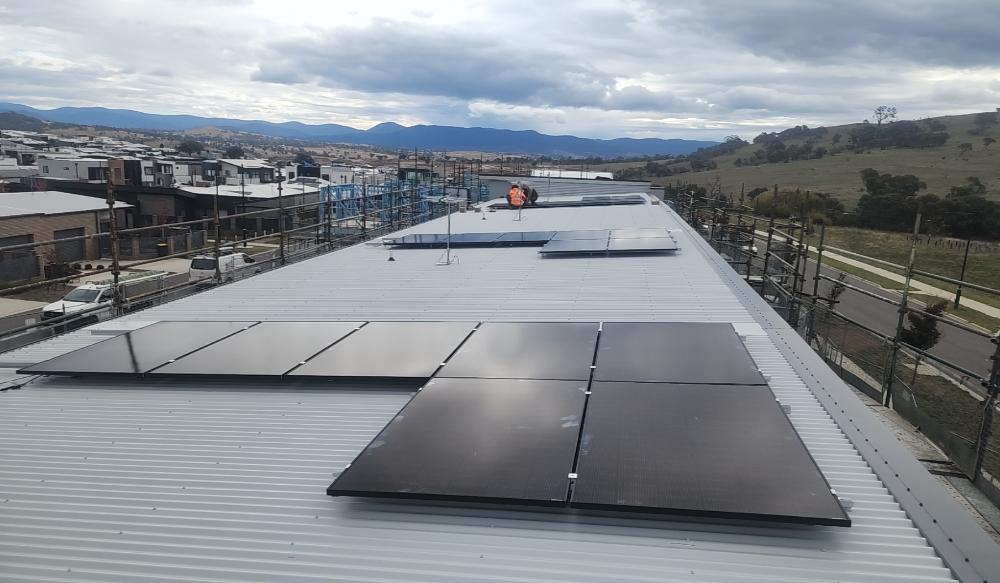
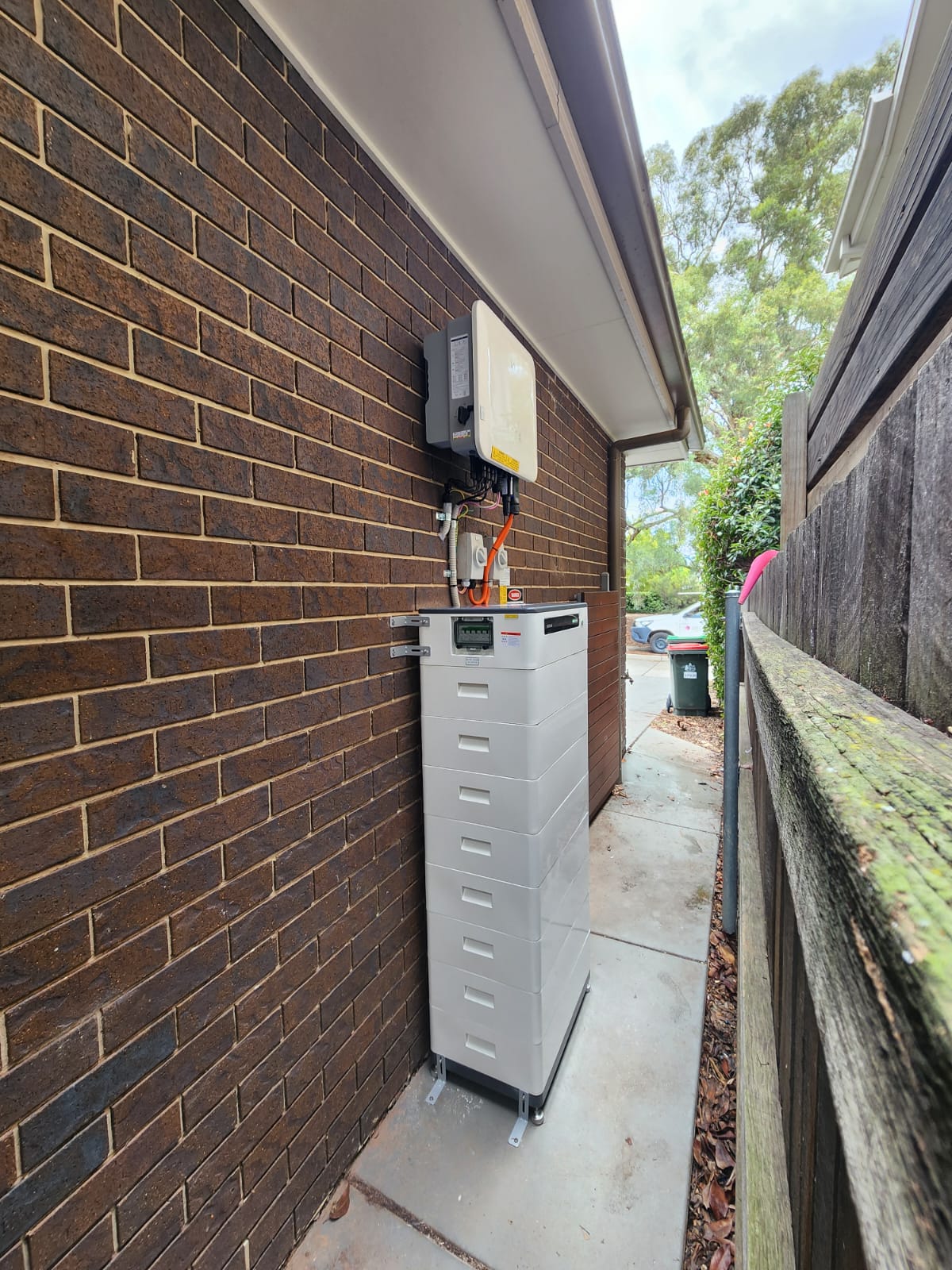
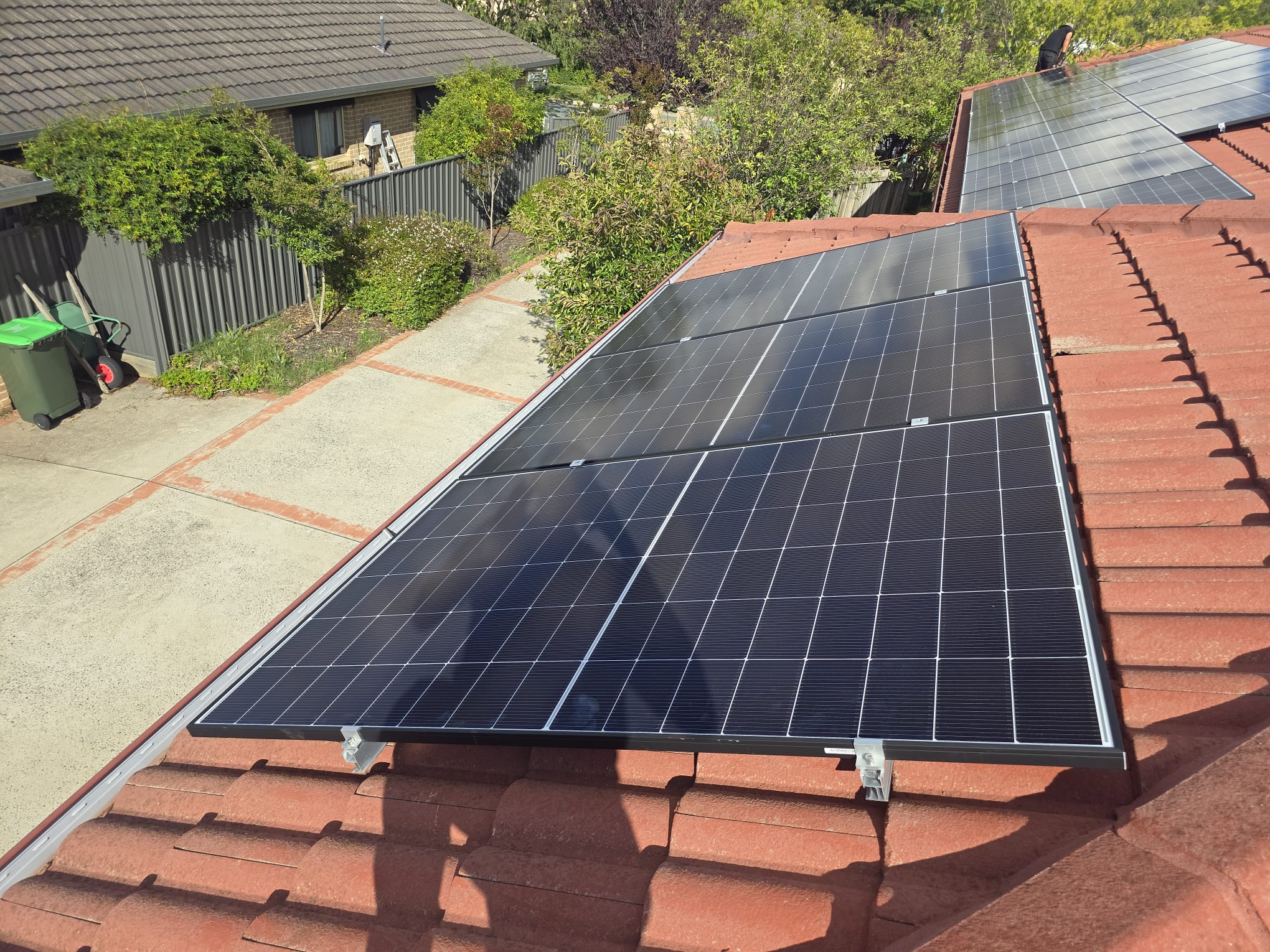
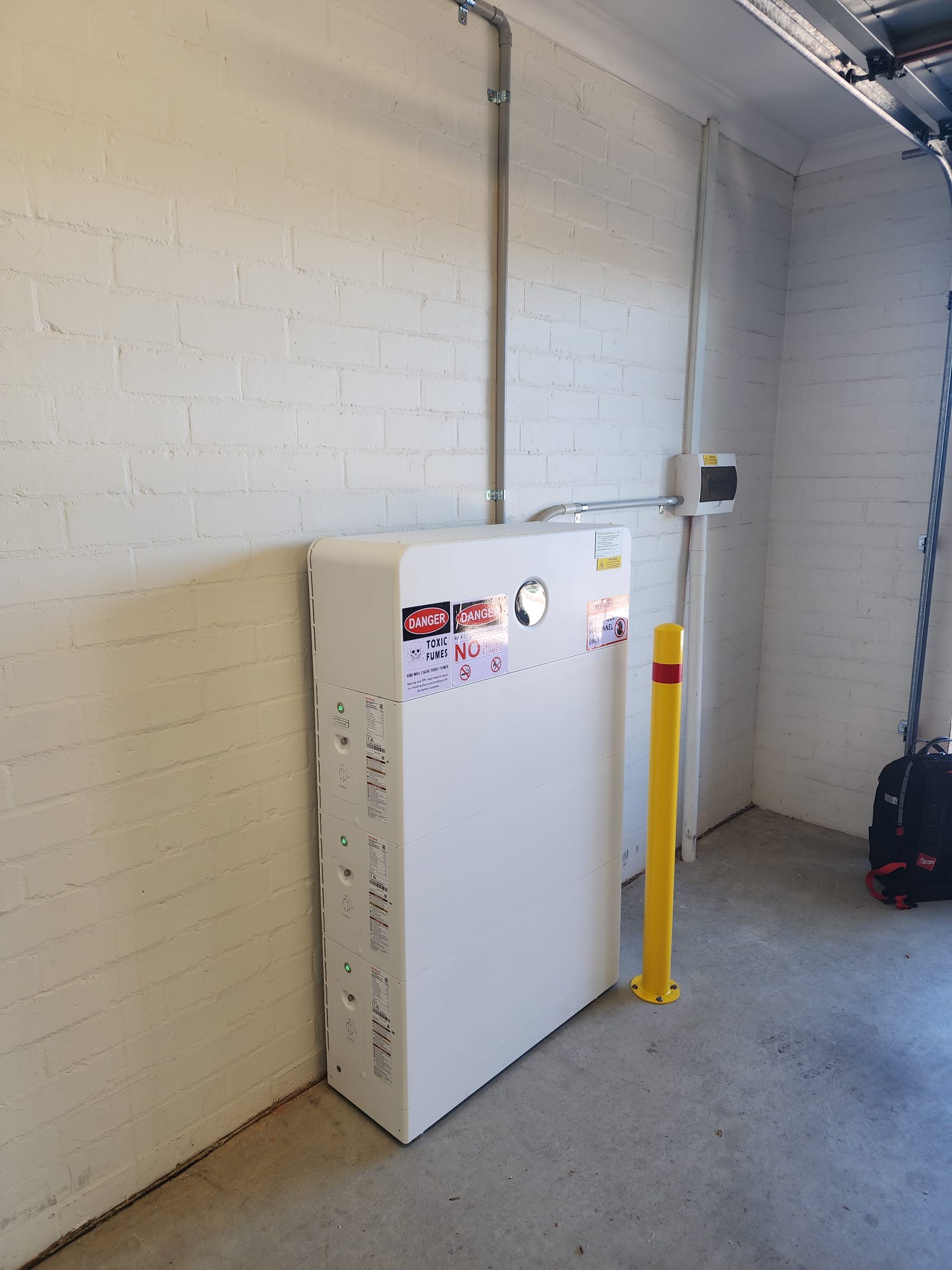
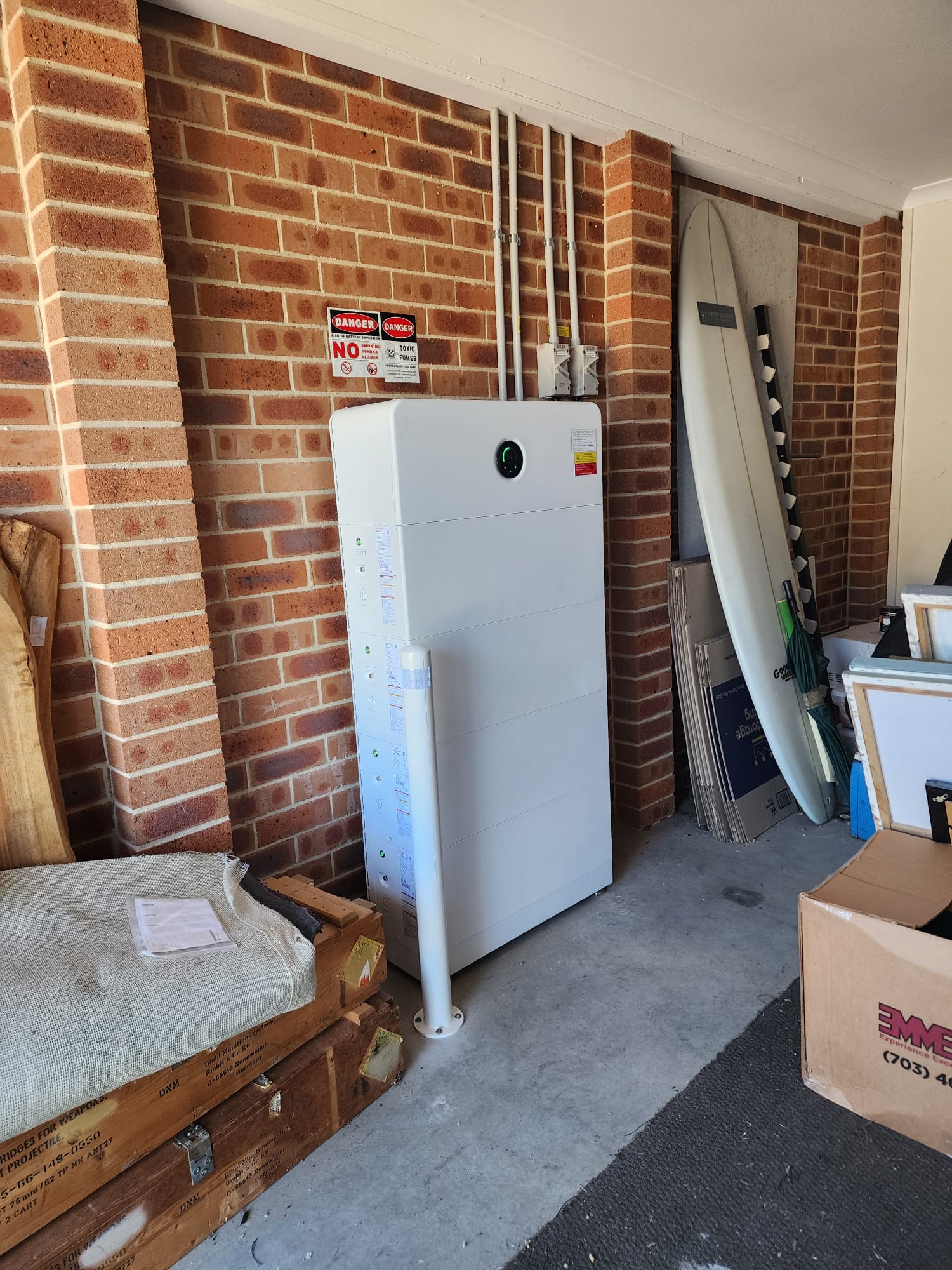
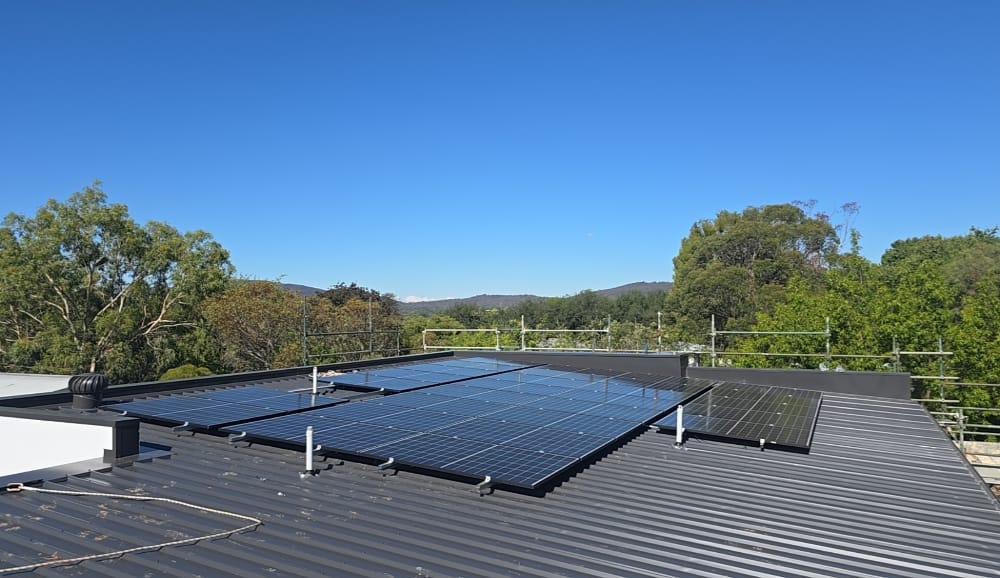
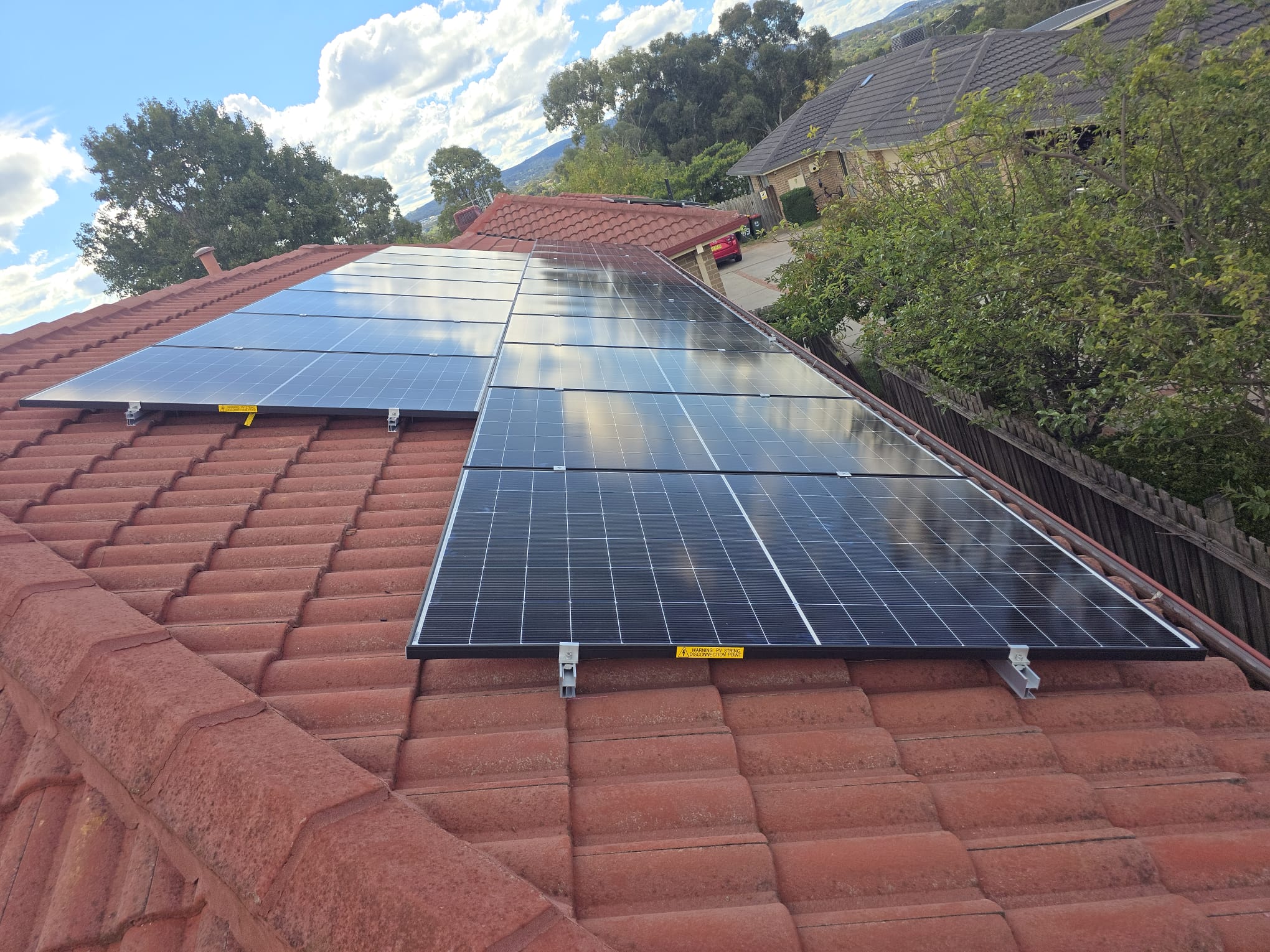
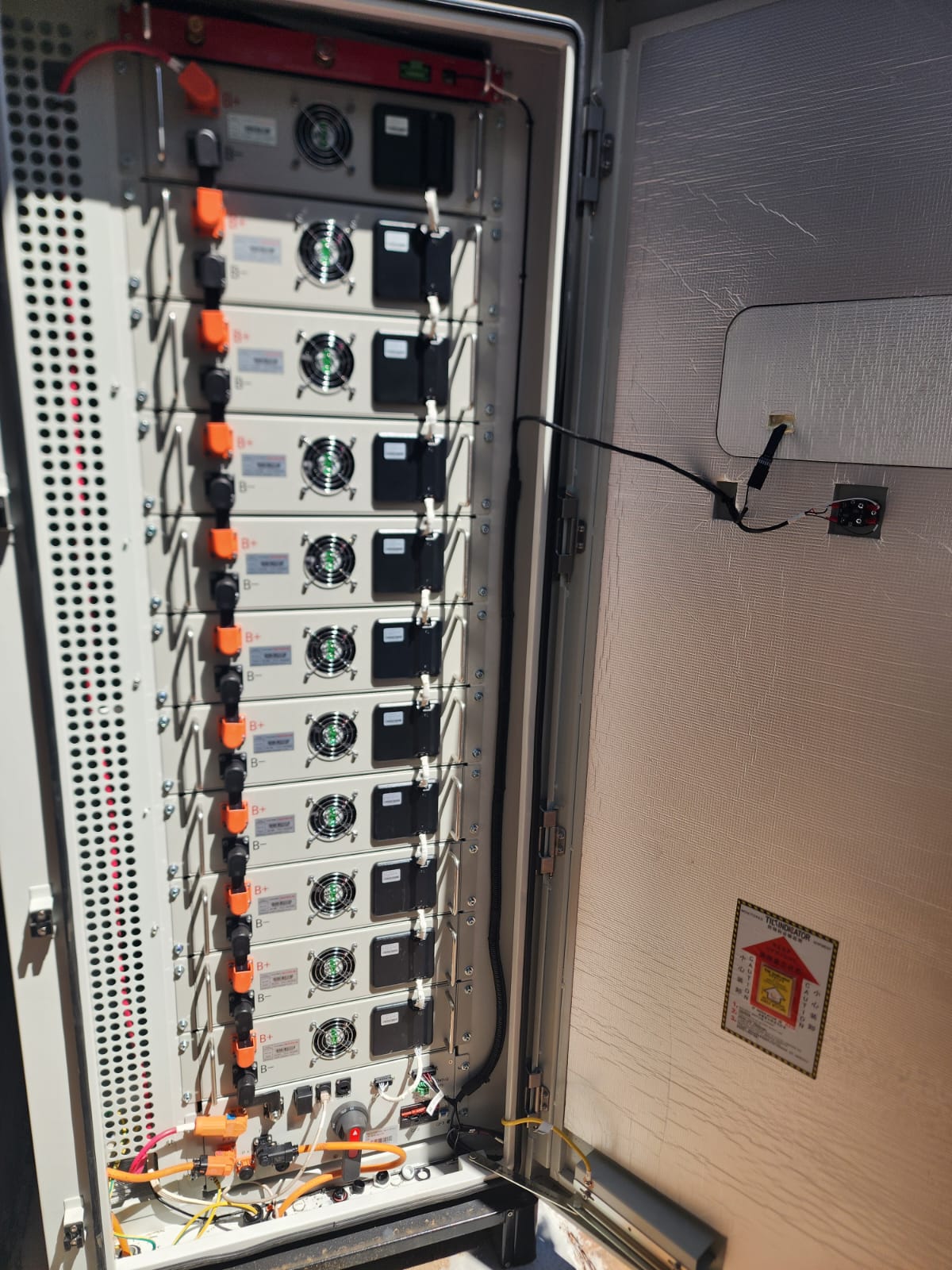
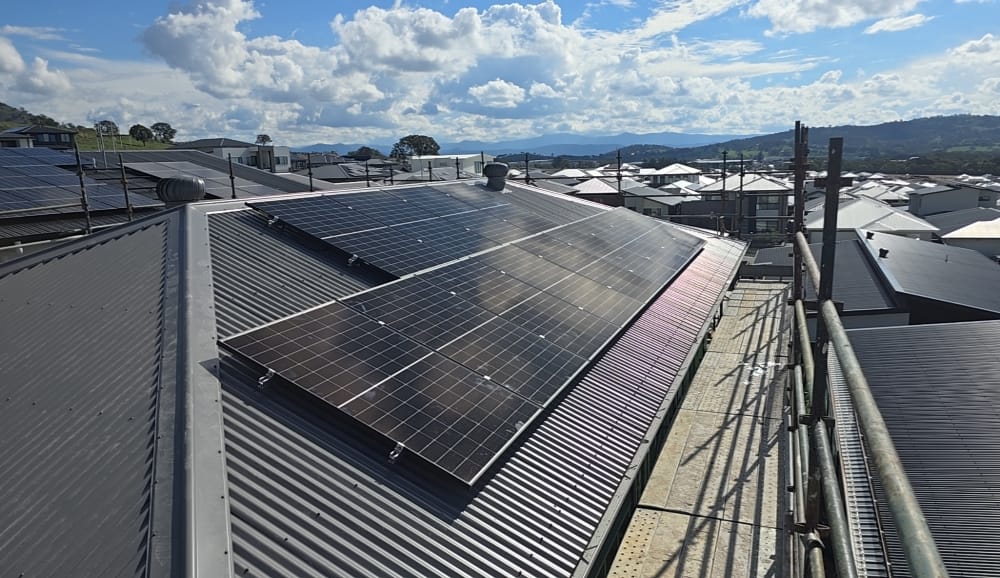
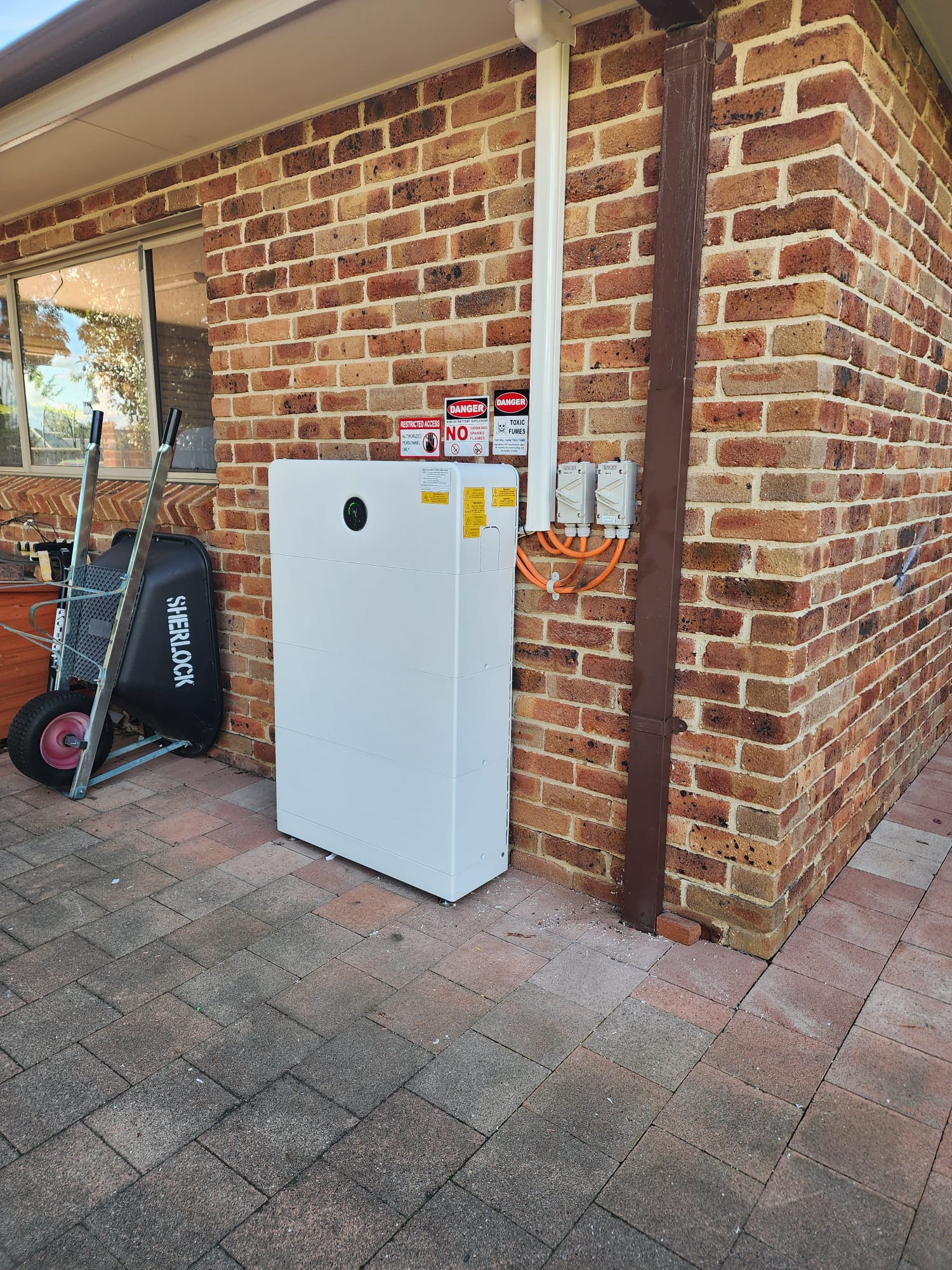
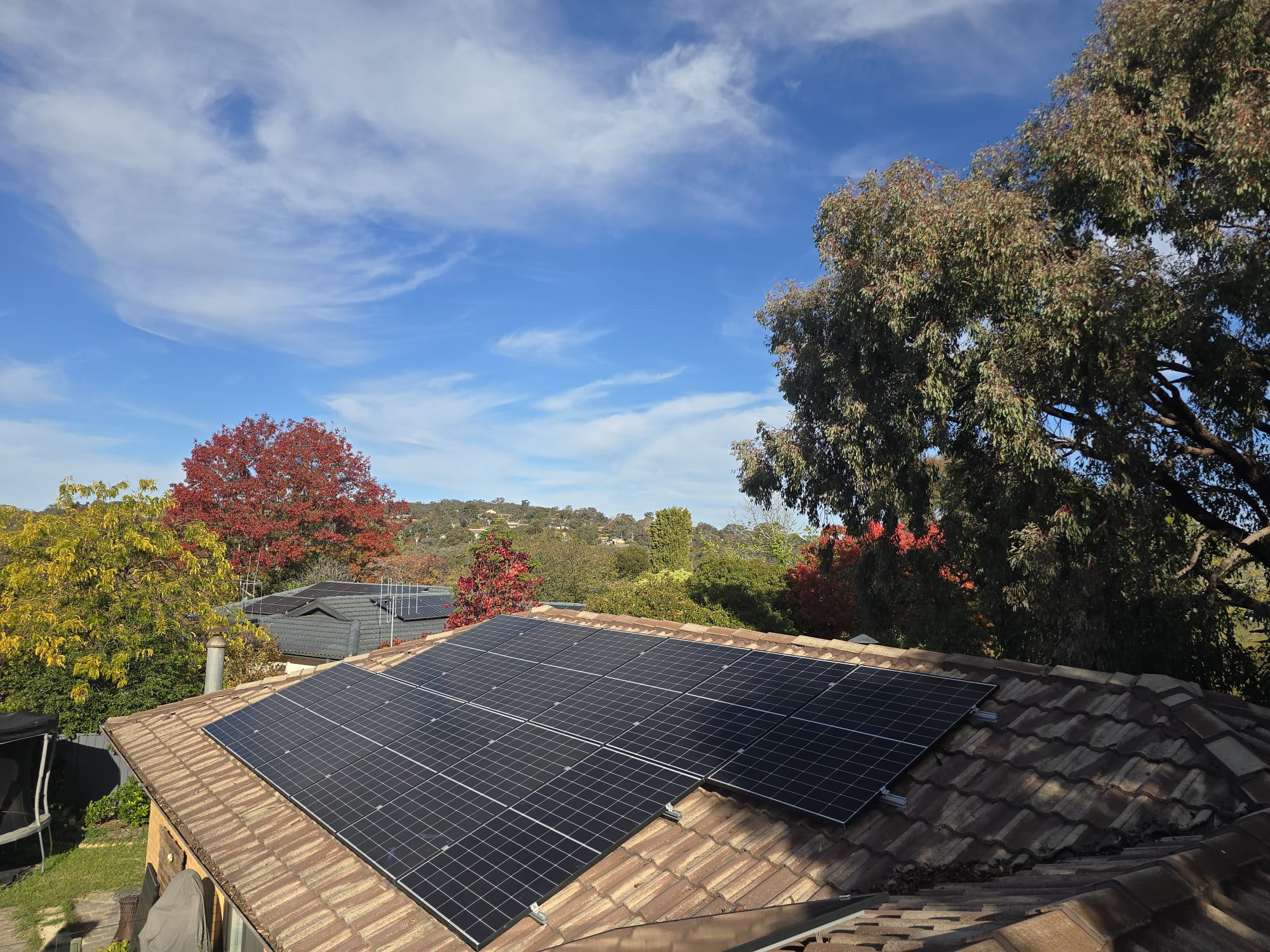
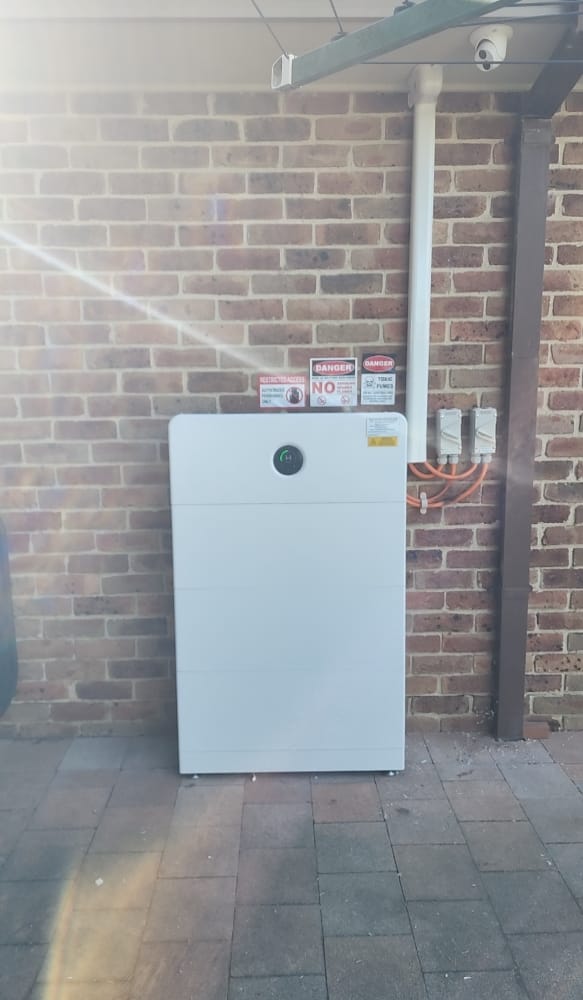
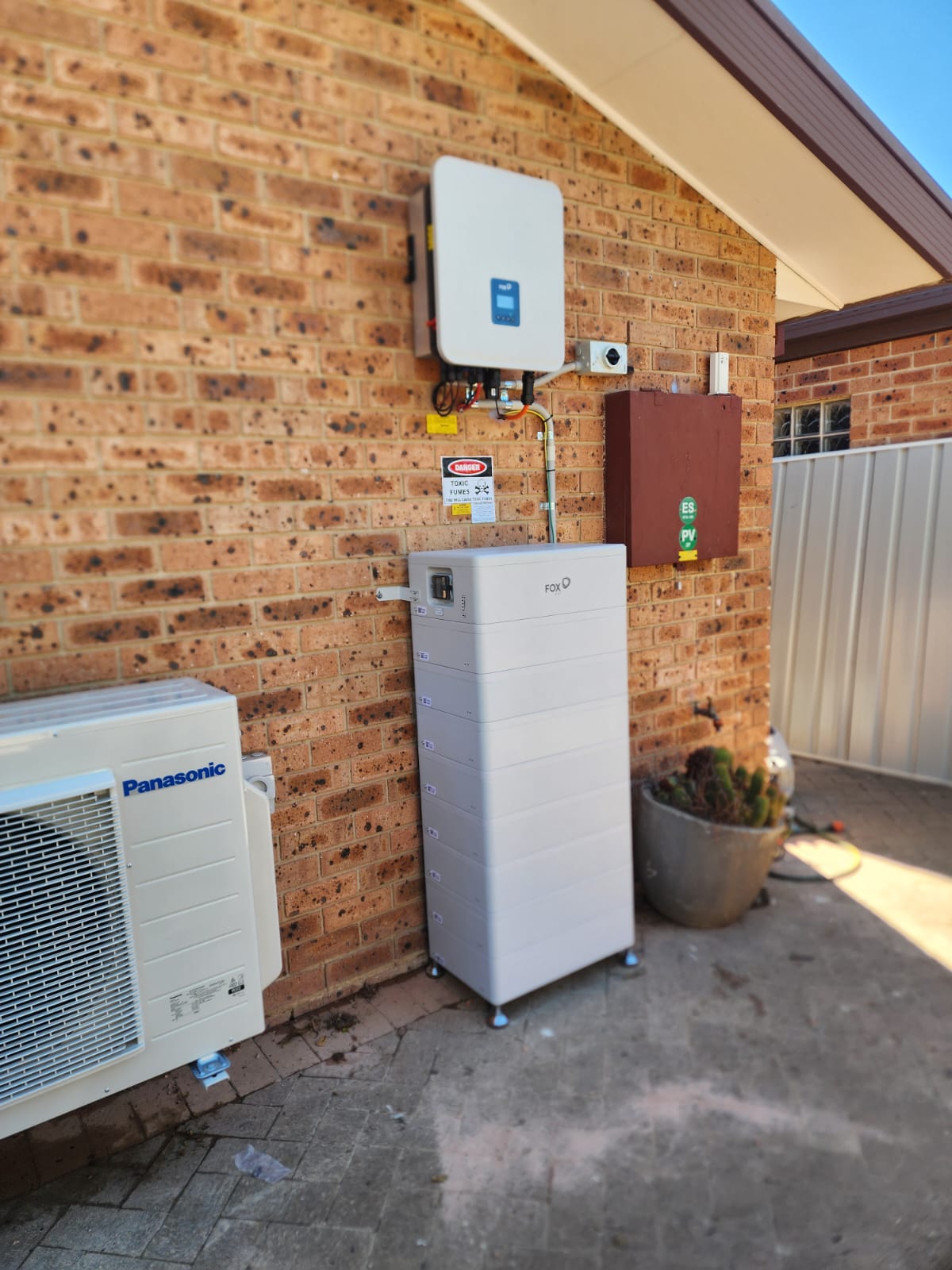
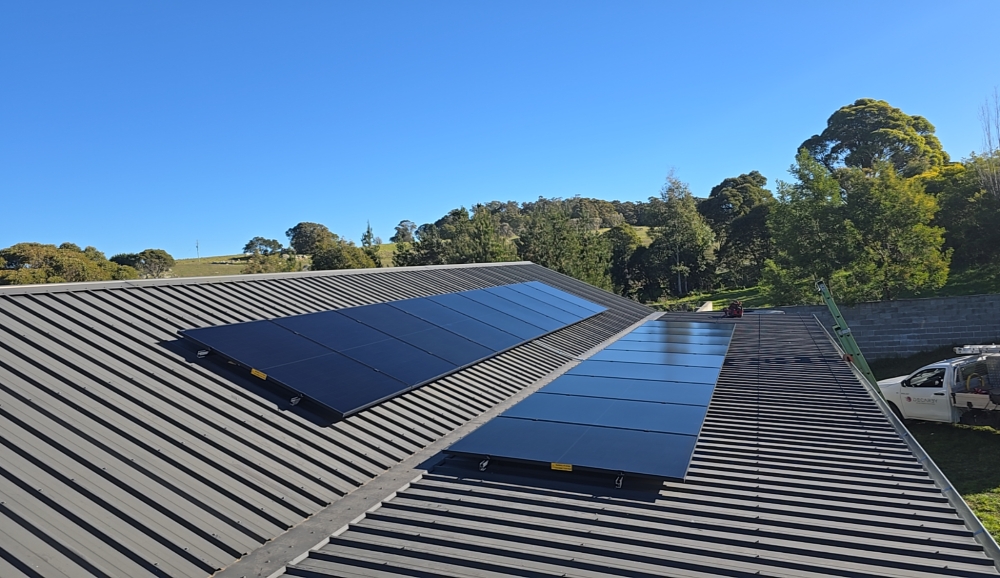
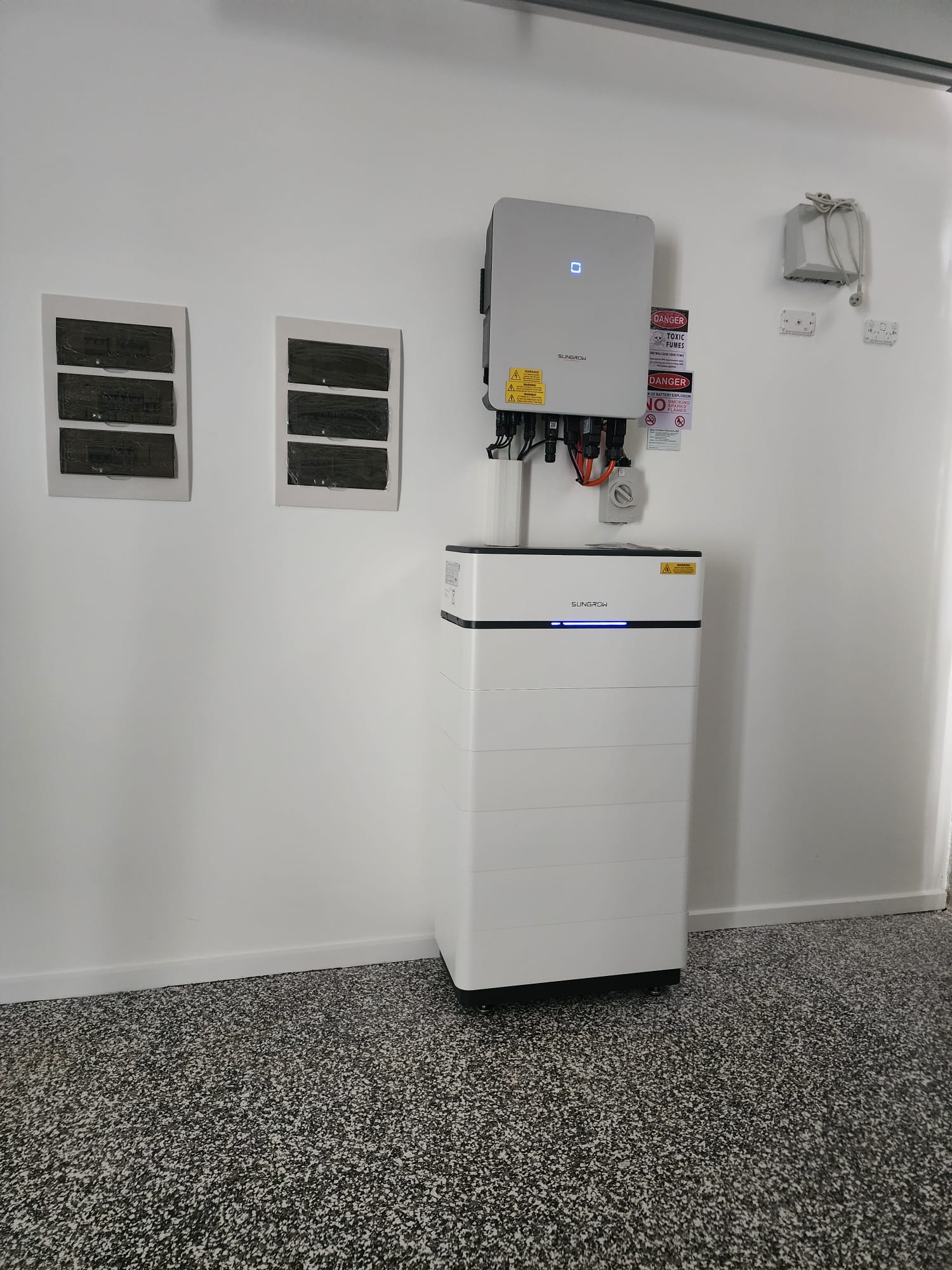
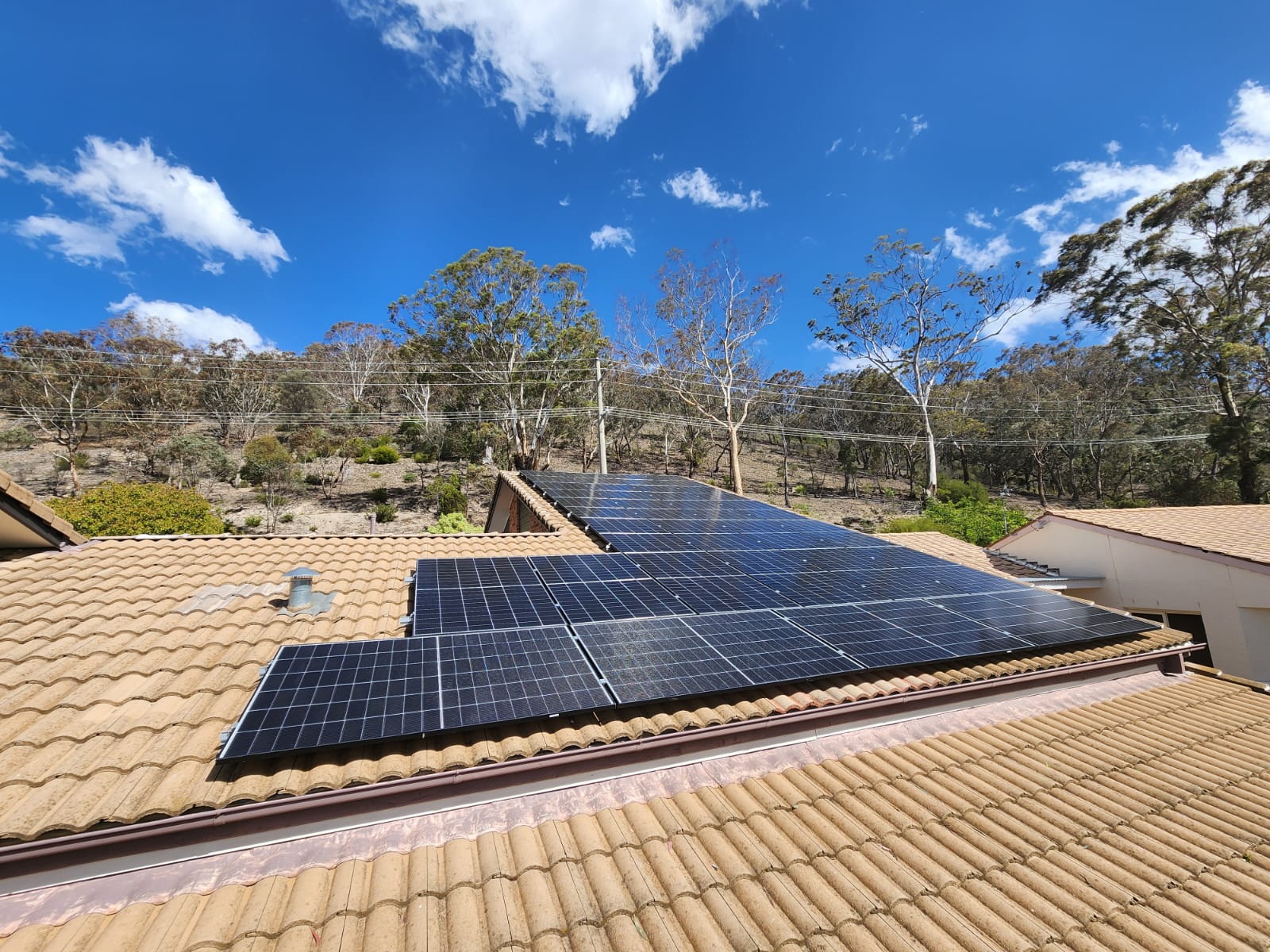
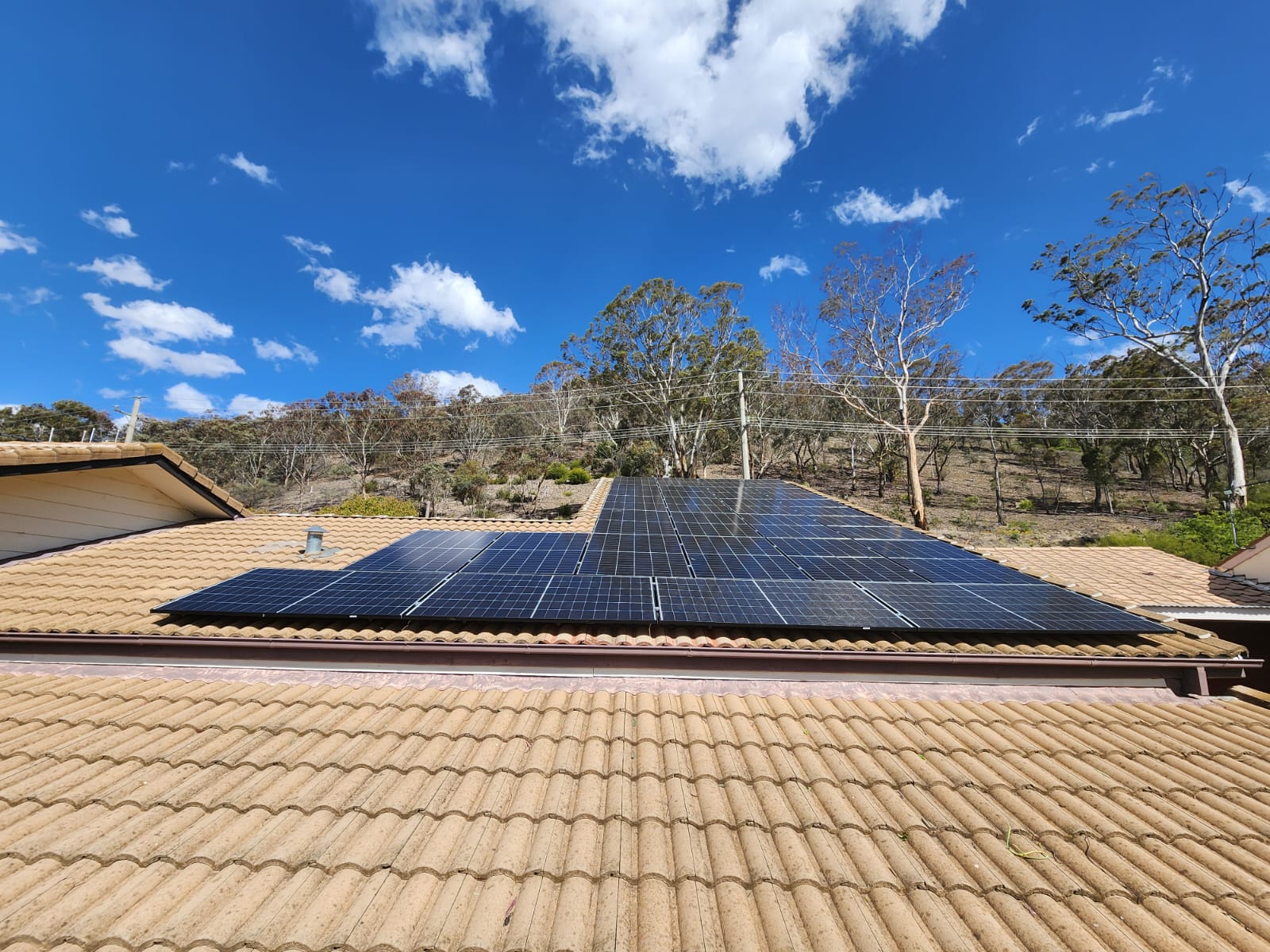
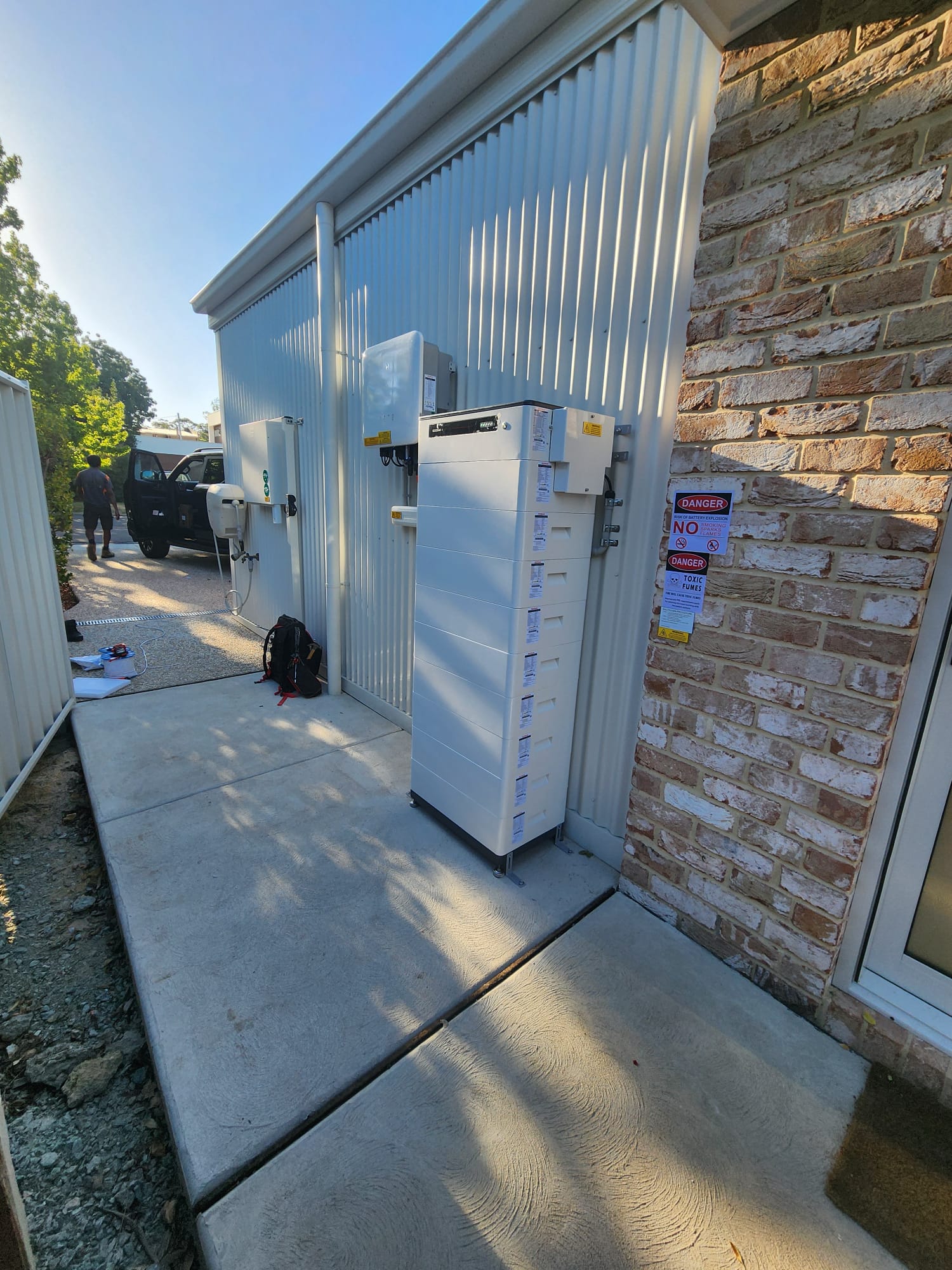
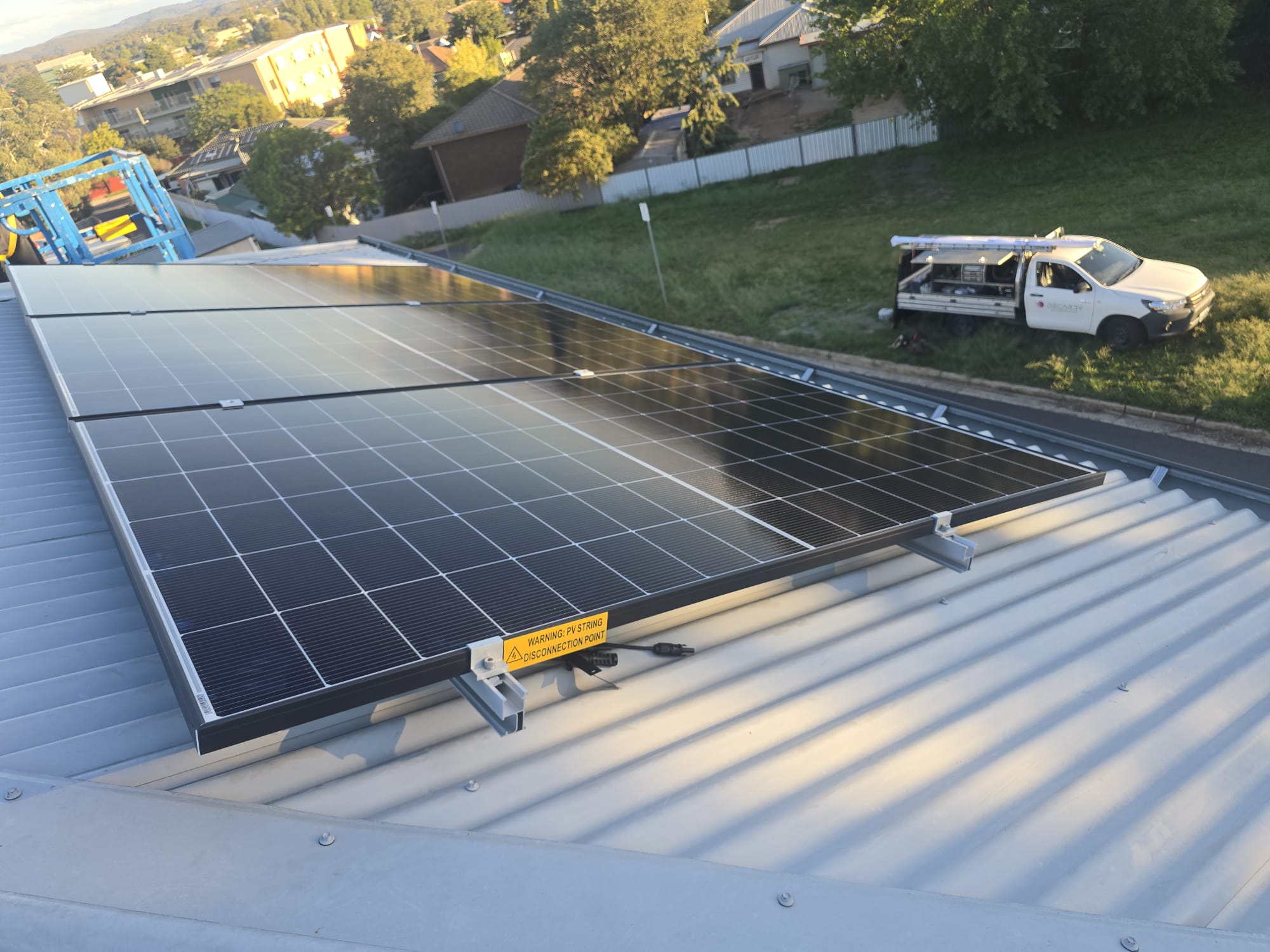
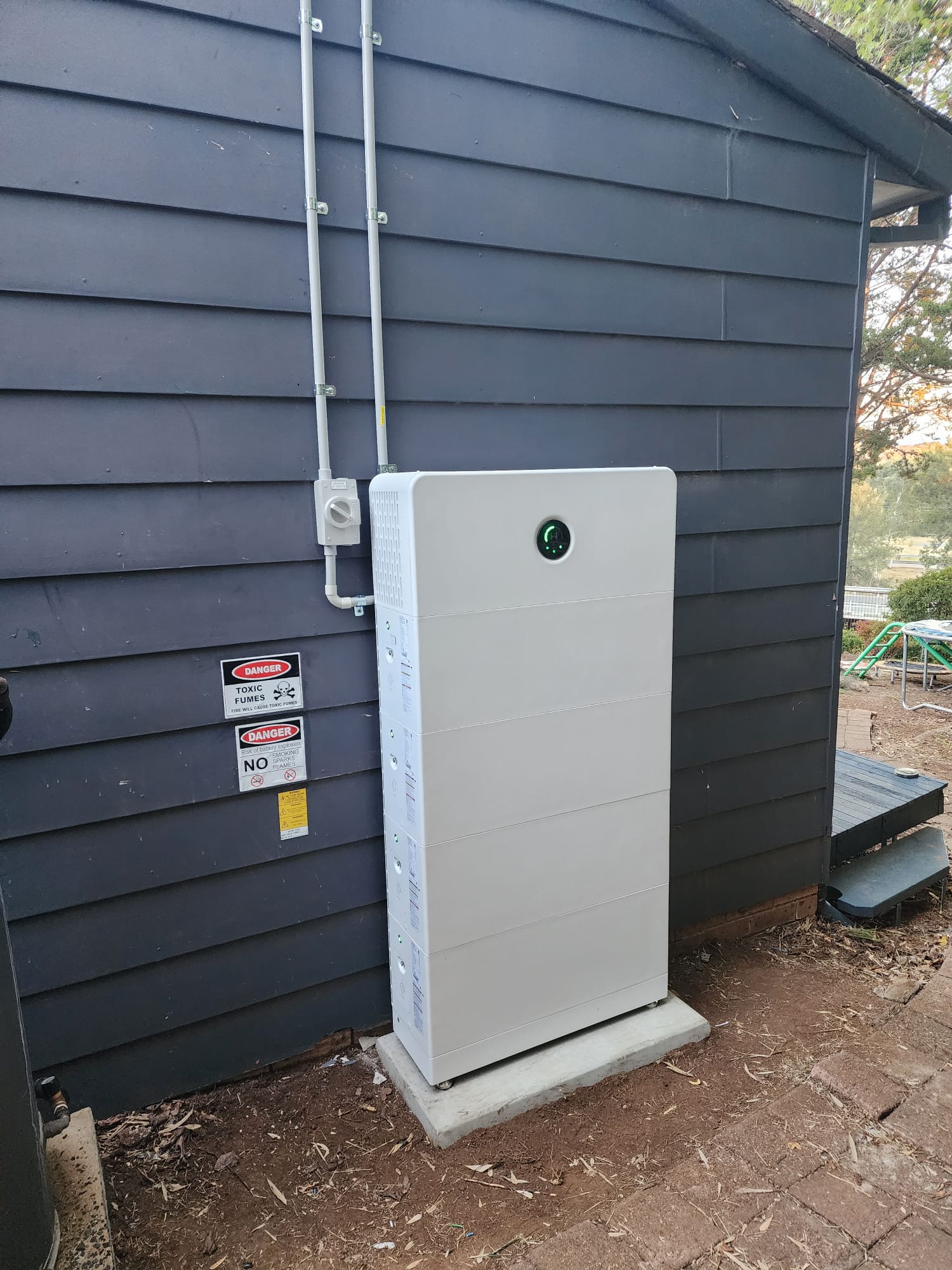
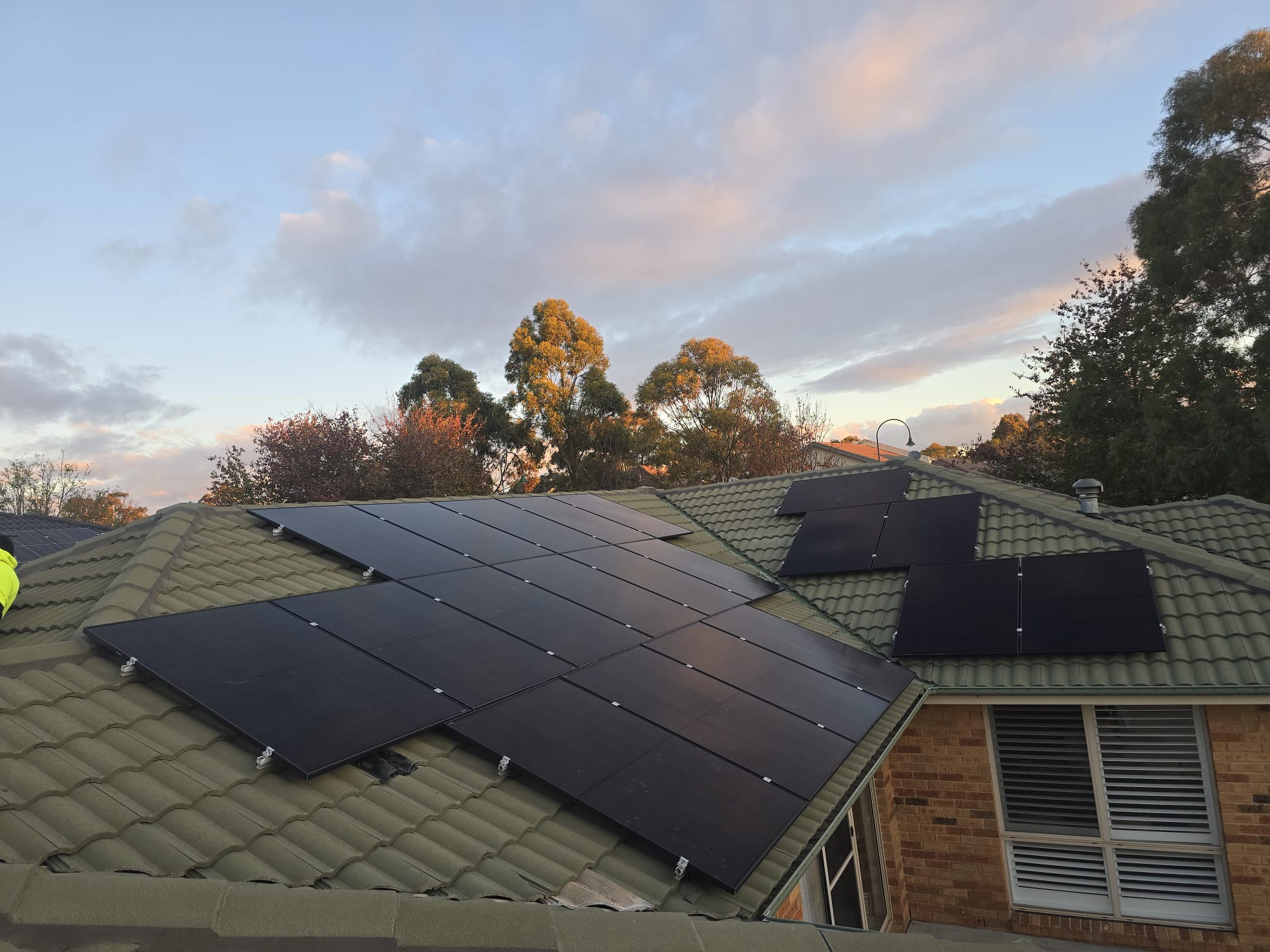
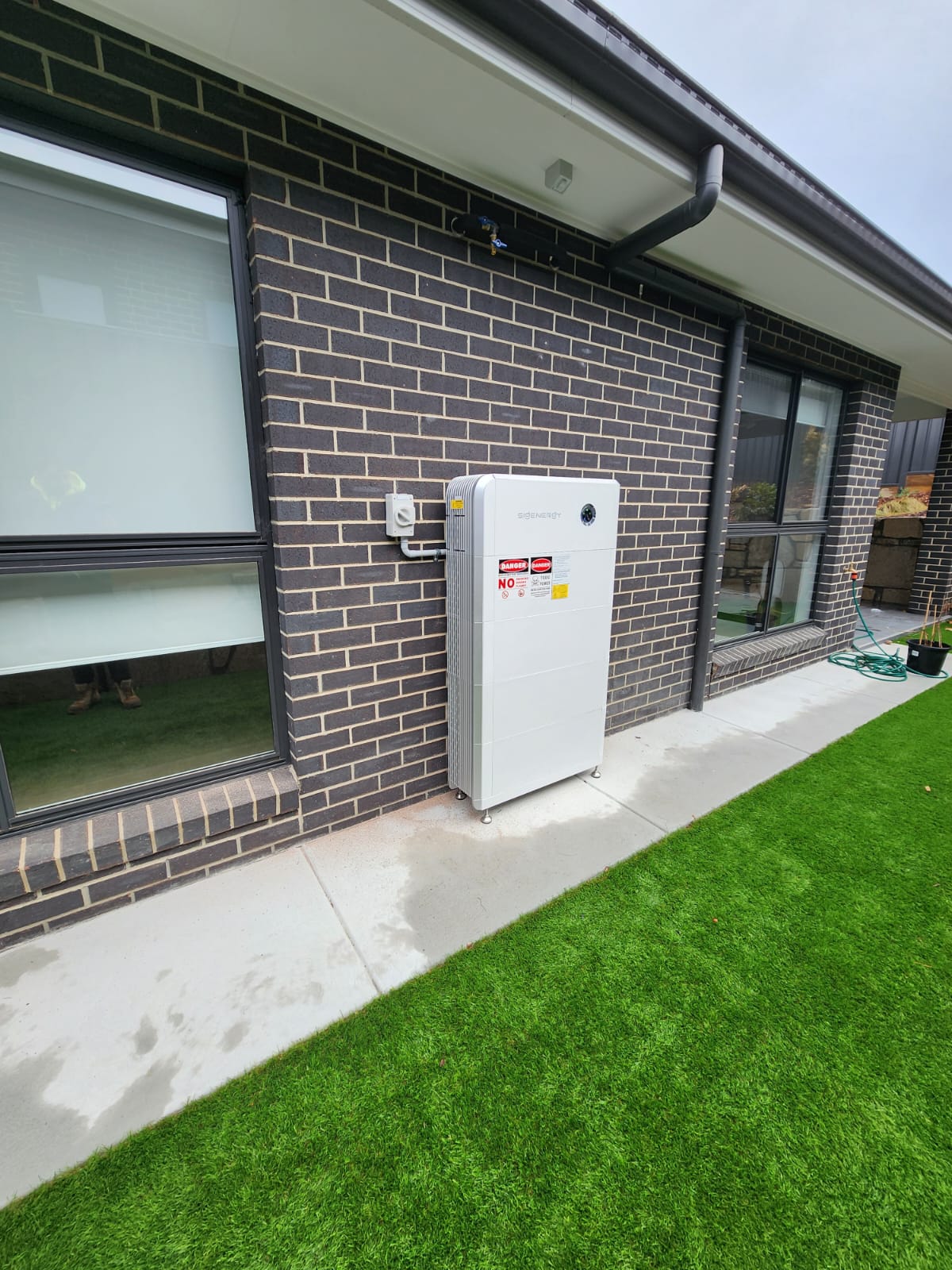
FREQUENTLY ASKED QUESTIONS
A home battery retains surplus electricity generated by solar panels during the day so it can be used later when solar production is lower or household demand is higher.
Canberra households often generate the most solar energy in the middle of the day but use more electricity in the morning and evening. A battery can store some of that surplus daytime generation for use later.
In many cases, yes. The existing inverter, switchboard, system age, and equipment compatibility should be assessed before a battery retrofit is recommended.
The appropriate capacity depends on daytime solar generation, evening energy demand, existing equipment, future electrification plans, and how much stored electricity the household is likely to use.
Cost varies according to battery capacity, equipment selection, installation conditions, electrical upgrades, and whether the project is a new system or a retrofit.
Key factors include daily and evening electricity use, tariff structure, solar system size, and how much surplus solar energy is stored instead of exported.
Performance changes gradually over time. Lifespan is affected by charge and discharge cycles, depth of discharge, operating conditions, and overall system design.
AC-coupled systems are commonly used when adding a battery to an existing solar installation. DC-coupled systems are commonly considered for new solar-and-battery projects and may provide efficiency advantages depending on the design.
Its value depends on the household’s energy usage, tariff, solar generation, objectives, and future electricity needs. A site-specific assessment is needed to determine whether it is suitable.
Solar generation is generally lower in winter, so a battery may not fully charge every day. In summer, generation is higher and the battery may reach full charge earlier, with additional solar energy still exported.
You don't need to have the answer before you call us.
Tell us about your home, your electricity use and what you're hoping to achieve. We'll help you work through what makes sense whether that's solar now, solar and battery together, or a system designed so you can add more later.
Practical advice. No sales pressure.