How to Design the Right Solar System Size for Australian Homes
Why Solar System Size Matters More Than Panel Count
Choosing the right solar system size is one of the most important decisions in any solar installation. It affects upfront cost, long-term savings, battery compatibility, and how flexible the system will be as household energy needs change.
A common mistake is focusing purely on panel count or total kilowatt size. In practice, the best-performing systems are those designed around how a household actually uses electricity, not how much a roof can physically fit.
Good system sizing balances generation, consumption, export limits, and future plans. When done properly, it avoids wasted capacity and delivers consistent value over decades.
Understanding Household Energy Use Patterns
Every solar design should start with real energy data.
Key factors include:
- Total annual electricity consumption
- Daytime versus evening usage
- Seasonal differences between summer and winter
- Existing gas appliances and planned electrification
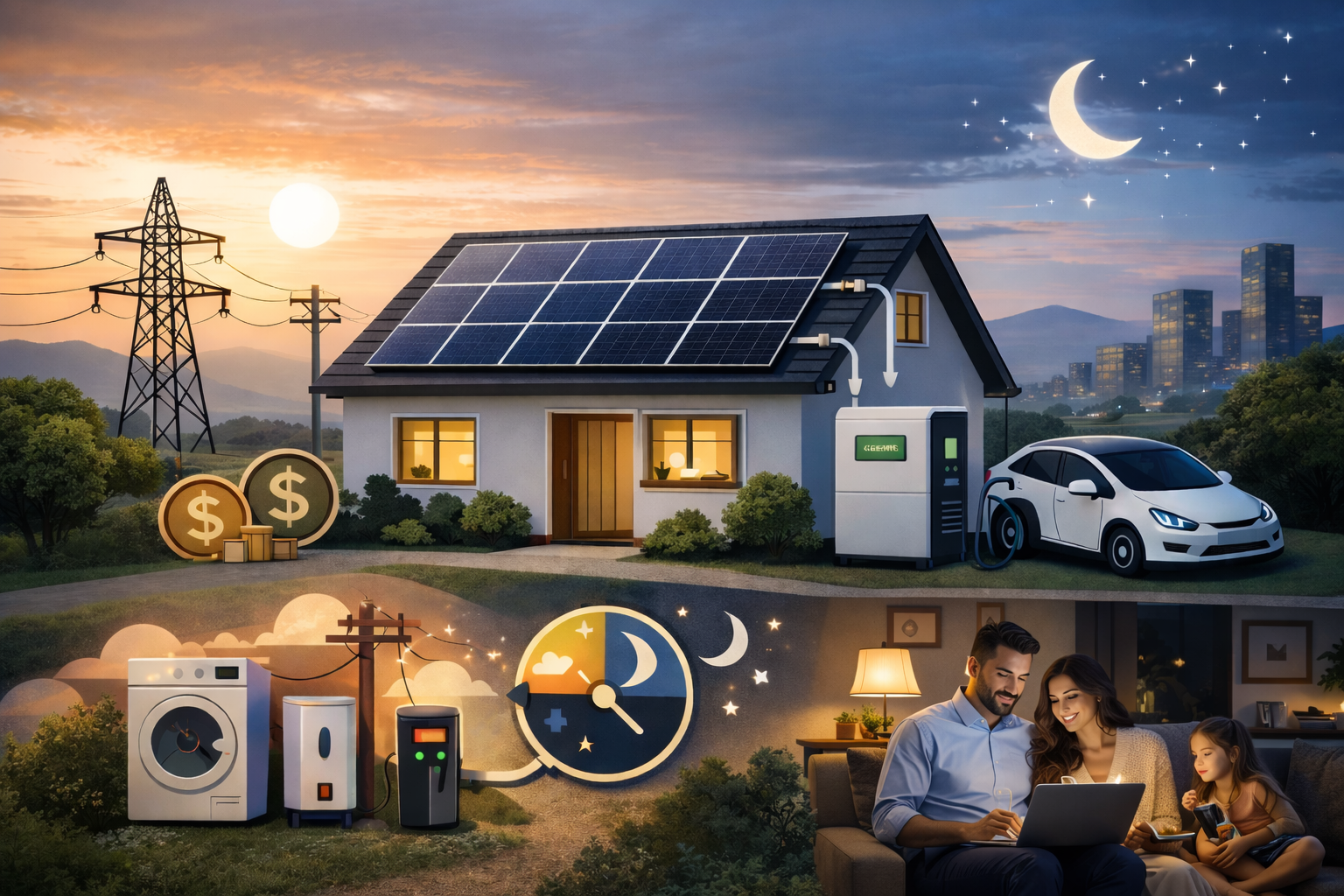
Homes with high daytime usage, such as those with people working from home, often benefit from solar alone. Homes where most energy use happens after sunset typically see more value when solar is paired with a battery.
Looking only at annual usage can be misleading. Two homes with the same yearly consumption may require very different system sizes depending on when that energy is used.
Daytime Self-Consumption vs Exporting to the Grid
Solar energy delivers the most value when it is used within the home. Exported energy is usually compensated at a much lower rate than grid electricity costs.
This means:
- A system sized to maximise self-consumption often outperforms a larger export-heavy system
- Excess generation can reduce financial returns if export limits apply
- Batteries and load shifting become more important as systems grow larger
System sizing should aim to cover a significant portion of daytime demand rather than chasing maximum theoretical output.
Roof Orientation, Tilt and Physical Constraints
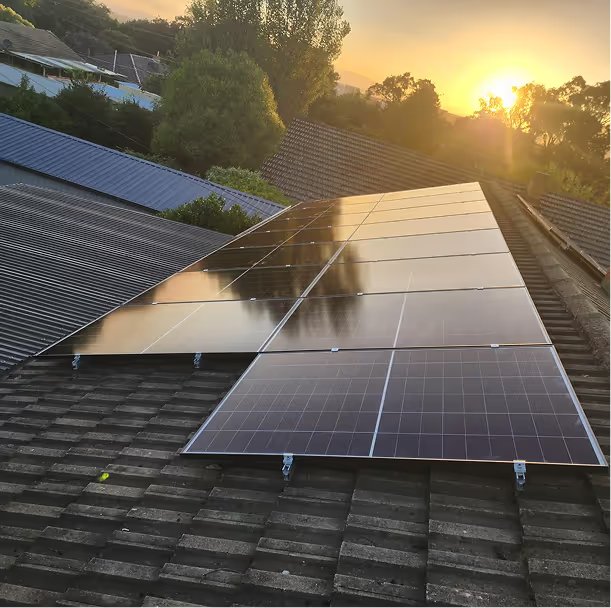
Roof layout plays a major role in determining practical system size.
Important considerations include:
- Available roof area
- Orientation and tilt angle
- Shading from trees, neighbouring buildings or chimneys
- Structural and heritage constraints
North-facing panels typically provide the highest annual output, but east- and west-facing arrays can be very effective for spreading generation across the day. In many cases, a mixed-orientation system delivers better real-world performance than a perfectly north-facing layout with limited capacity.
How Shading Influences System Design
Even partial shading can significantly reduce solar output.
Shading impact depends on:
- Time of day shading occurs
- Seasonal tree growth
- Panel layout and string configuration
Good system design accounts for shading early, sometimes reducing total system size to ensure more consistent performance across the day and year.
Export Limits and Network Rules
Most Australian distribution networks impose limits on how much solar energy can be exported to the grid.
Export limits influence:
- Whether larger systems provide additional value
- The financial return of extra panels
- The case for battery storage or load control
Ignoring export limits often results in oversized systems where a large portion of generation cannot be effectively used or exported.
Planning for Batteries From Day One
Even if a battery is not installed immediately, solar systems should be designed with battery integration in mind.
This includes:
- Inverter selection
- System voltage and capacity planning
- Physical space allocation
A solar system that is well matched to future battery capacity avoids costly redesigns later and allows smoother upgrades as household needs evolve.
Designing Solar for Electric Vehicles
Electric vehicles can significantly increase household electricity demand.
When planning for EV charging:
- Additional daytime solar generation may be beneficial
- Evening charging patterns may favour battery integration
- Switchboard capacity should be assessed early
Solar systems designed without considering EVs often feel undersized within a few years.
Why Bigger Solar Systems Are Not Always Better
Oversizing a solar system can reduce overall value.
Common issues with oversized systems include:
- High export volumes with limited financial return
- Increased upfront cost without proportional savings
- Missed opportunities to invest in batteries or energy efficiency
The goal is not maximum generation, but maximum useful generation.
Seasonal Solar Performance Expectations
Solar output varies significantly throughout the year.
In winter:
- Shorter days reduce generation
- Cloud cover can increase variability
- Heating loads often increase electricity use
In summer:
- Longer days increase total output
- Heat can slightly reduce panel efficiency
- Cooling loads change consumption patterns
A well-sized system performs reliably year-round, even if winter output is lower than summer peaks.
How Professionals Calculate Solar System Size
Experienced system designers use more than bill totals.
Their process often includes:
- Interval energy data analysis
- Roof modelling and shading assessment
- Network export rules
- Future electrification planning
This approach results in systems that perform consistently in real-world conditions, not just in ideal scenarios.
Future-Proofing Your Solar Investment
Household energy needs rarely stay the same.
Solar system sizing should allow for:
- Family growth or lifestyle changes
- Transition away from gas
- Increased cooling and heating use
Designing with flexibility in mind ensures the system remains valuable over its full lifespan.
Key Takeaways on Solar System Sizing
The right solar system size is rarely the largest available. It is the one that fits your household’s energy use, roof constraints, network rules, and future plans.
A carefully designed system delivers steady value, avoids unnecessary cost, and provides a solid foundation for batteries, EVs, and electrification upgrades.
FAQ
What size solar system do I need for an average Australian home?
Most homes land somewhere in the mid-range, but the right size depends on your roof space, tariff, and when you use electricity. A household with high daytime usage can often make good use of a smaller system, while evening-heavy homes may benefit more by pairing solar with a battery rather than oversizing panels.
Is it better to oversize a solar system?
Not always. Oversizing can increase exports that earn a low feed-in rate, and export limits may restrict how much you can send to the grid. Often the best value comes from sizing for self-consumption and planning for future upgrades like a battery or EV.
How do export limits affect solar system size?
If your network sets an export cap, a larger system may produce more energy than you can export during peak solar hours. In that case, system design should focus on using more solar on-site through load shifting, smart controls, or storage.
Does roof orientation matter when sizing solar?
Yes. North-facing panels typically maximise annual output, but east and west arrays can better match morning and afternoon household demand. The best design often balances output with when you actually use power.
How much does shading reduce solar output?
Even partial shading can reduce output, especially if it affects panels during key generation times. A proper design will consider shading by time of day and season, and may adjust panel layout or system size to improve consistency.
Should I size solar differently if I plan to get a battery later?
Usually, yes. A battery changes how much solar you can use on-site, especially in the evening. It’s worth designing the system with battery compatibility in mind, including inverter selection and allowing room for future expansion.
Should I size solar differently if I plan to buy an electric vehicle?
Often, yes. EV charging can add a large new load. If you expect to charge during the day, extra solar capacity may help. If most charging will happen at night, you may also consider battery storage or smart charging to shift load.
Why does solar output drop in winter?
Winter has shorter days and the sun sits lower in the sky, which reduces the energy available for panels to capture. Cloud cover can also increase variability. A good design sets expectations for winter performance rather than sizing only for summer peaks.
Can I add more panels later if I start small?
Sometimes, but it depends on the inverter capacity, roof space, and network rules. Planning for future expansion at the start can make upgrades easier and avoid replacing major components.
What information does an installer need to size a system properly?
Ideally: recent electricity bills, interval data if available, details on roof orientation and shading, and your plans for batteries, EVs, and electrification. The better the inputs, the more accurate and future-proof the design.