How Solar Panels and Batteries Perform in Summer vs Winter in Australia
Do Solar Panels Still Produce Enough Electricity in Winter?
Yes. Solar panels in Australia still generate significant electricity during winter. Most systems produce around 30–60% less energy than summer, but they continue producing power every day as long as sunlight reaches the panels.
However, most solar systems produce around 30 to 60 percent less energy in winter compared with summer. The main reason is not cold weather. Instead, it comes down to shorter daylight hours and lower sun angles.
On a clear winter day, solar panels can still generate a significant amount of electricity. In fact, cooler temperatures can sometimes help panels operate more efficiently than during extreme summer heat.
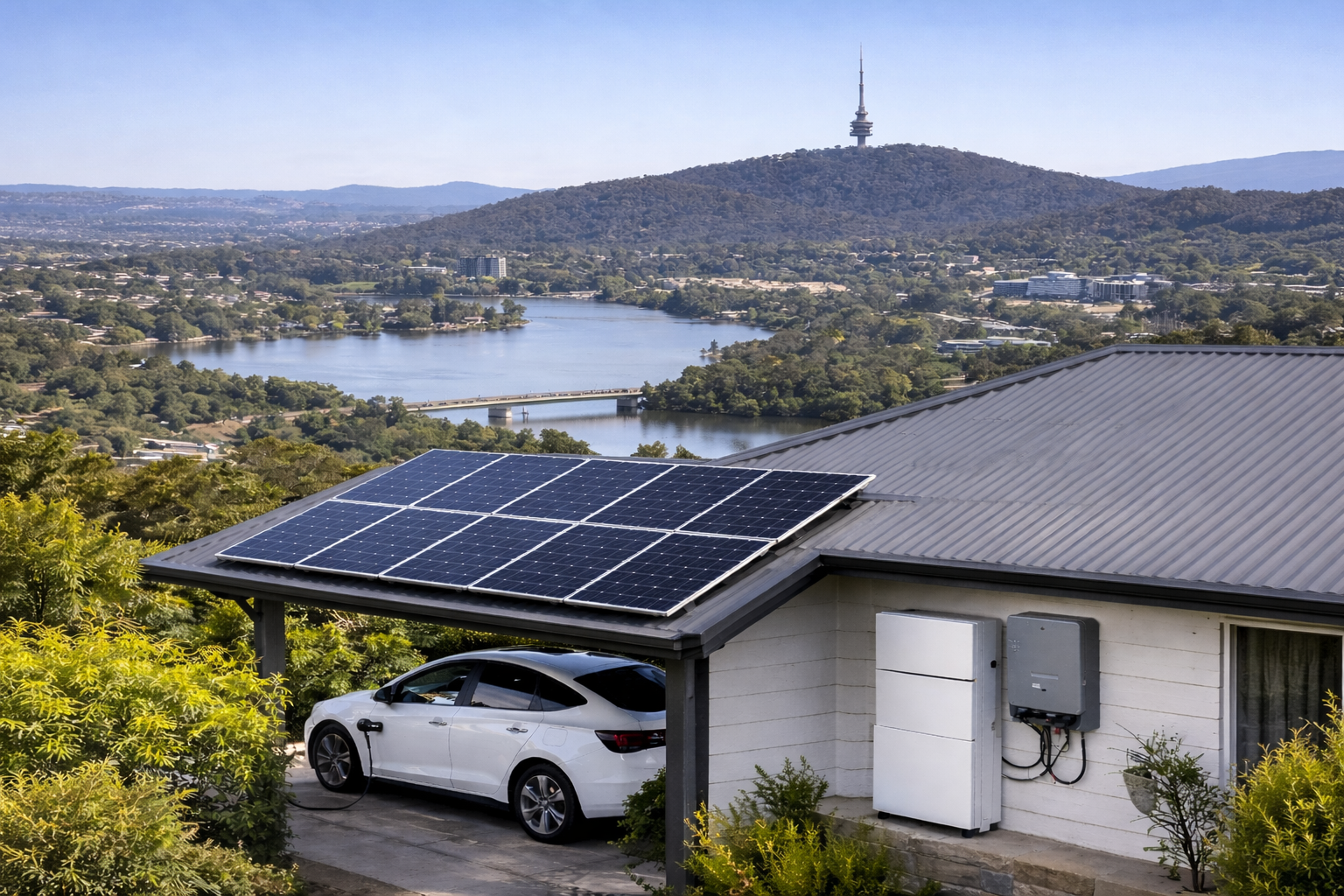
For homeowners wondering about solar performance in winter in Australia, the key point is that solar systems continue producing energy year-round. Winter generation is lower than summer, but it rarely drops to zero unless the weather is extremely cloudy.
Why Solar Panels Produce Less Electricity in Winter
Solar output changes because solar radiation levels vary throughout the year. The difference between summer and winter solar output is mostly caused by changes in sunlight availability rather than temperature.
Several seasonal factors influence solar generation.
Shorter Daylight Hours
The biggest factor is simply the number of daylight hours available.
In summer, many parts of Australia receive around 14 to 15 hours of daylight. During winter this can drop to 9 to 10 hours.
Average sunshine hours in Australia (Bureau of Meteorology)
That means solar panels simply have fewer hours to generate electricity.

Even if sunlight intensity remained the same, this difference alone reduces winter solar generation.
Lower Sun Angle
During winter the sun sits lower in the sky.
This means sunlight reaches solar panels at a shallower angle compared with summer. Panels still produce electricity, but they receive less direct radiation during the middle of the day.
This change in solar angle is one of the biggest contributors to reduced solar performance winter Australia.
Seasonal Weather Patterns
Cloud cover also plays a role.
Southern regions of Australia often experience:
- more overcast days in winter
- more rainfall systems
- shorter clear-sky periods
These conditions reduce the total amount of sunlight reaching the panels.
However, even on cloudy days solar panels still generate electricity, just at reduced levels.
How Much Electricity Can Solar Panels Produce in Winter?
Solar generation varies depending on system size and location. However, a typical Australian residential system can still produce useful energy during winter. Search your area
For example, a 6.6 kW solar system, one of the most common sizes installed in Australia, may produce roughly:
SeasonAverage daily generationSummer25–35 kWhWinter10–18 kWh
The exact numbers depend on:
- system size
- roof orientation
- geographic location
- weather conditions
Even during winter, 10 to 18 kWh per day can cover a large portion of daytime electricity demand for many households, particularly those using appliances during daylight hours.
Do Cold Temperatures Affect Solar Panel Efficiency?
A common misconception is that solar panels perform poorly in cold weather.
In reality, photovoltaic cells often operate more efficiently in cooler temperatures.
Solar panels are tested under Standard Test Conditions, which assume a cell temperature of 25°C.
When rooftop panels heat up during summer, their internal temperature can exceed 60°C. At those temperatures, electrical efficiency drops slightly.
During cooler winter conditions, panels typically operate closer to their ideal temperature range.
This means cold weather itself does not reduce solar panel performance. The main limitation in winter is reduced sunlight hours, not temperature.
You can reference panel specs: solar panel efficiency and temperature coefficients
Seasonal Differences in Solar Battery Performance
Solar batteries store excess electricity generated during the day so it can be used later in the evening.
Because solar production changes with the seasons, battery behaviour also shifts between summer and winter.
Battery Behaviour in Summer
During summer:
- solar production is high
- batteries charge quickly
- many systems reach full charge before midday
Once the battery is full, any additional solar electricity is usually exported to the grid.
Battery Behaviour in Winter
Winter conditions change how batteries operate.
Because solar production is lower:
- batteries may take longer to charge
- some days may not reach full capacity
- evening household demand may empty the battery earlier
This does not mean the battery performs poorly. It simply reflects the lower amount of solar energy available during the day.
During extended cloudy periods in winter, some batteries may not reach full charge each day, particularly in homes with high evening electricity demand.
However, even partial charging can still reduce grid electricity use during evening hours.
Why Household Energy Use Often Increases in Winter
Seasonal solar performance is only part of the picture. Household electricity demand also changes during colder months.
Many homes use more electricity in winter due to:
- electric heating
- longer lighting hours
- hot water usage
- increased indoor appliance use
This combination of higher energy demand and lower solar generation is why some homes import more electricity from the grid during winter.
Understanding this pattern helps homeowners interpret changes in their solar production data.
Designing Solar Systems for Winter Performance
Australia has strong solar resources compared with many parts of the world (See Australia’s renewable energy resources).
A well-designed solar system takes seasonal variation into account from the beginning.
Installers usually estimate annual generation, not just summer output.
Several design choices influence winter performance.
These include:
- system size
- roof orientation
- panel tilt angle
- local climate patterns
For example, panels installed at slightly steeper tilt angles may capture more winter sunlight when the sun sits lower in the sky.
System size also plays a role. Larger systems can generate enough energy in winter to offset the seasonal drop in production.
How Decarby Solar Designs Systems for Year-Round Performance
When planning solar installations, Decarby Solar focuses on achieving reliable performance across all seasons rather than only optimising summer output.
Every household has different energy usage patterns, roof layouts, and battery requirements. These factors influence how the system performs during winter months.
Decarby Solar works with clients to design systems that suit their long-term energy needs. In some cases this means increasing system capacity so winter generation remains meaningful. In others it involves adjusting panel placement or battery size to balance solar production and household demand.
Designing a system that performs well in winter often means considering panel orientation, system size, and household energy use rather than focusing only on peak summer production.
Simple Ways to Improve Solar Performance in Winter
Although seasonal changes cannot be avoided, several practical steps can help maximise winter solar output.
Keep Solar Panels Clean
Dust, leaves, and debris can reduce the amount of sunlight reaching the panels.
Occasional cleaning can improve system performance, particularly in areas with heavy dust or pollen.
Use Electricity During Daylight Hours
Running appliances during the day allows households to use solar electricity directly.
Common daytime loads include:
- washing machines
- dishwashers
- EV charging
- pool pumps
Using energy during daylight hours can increase the value of solar production during winter.
Monitor System Performance
Most modern solar systems include monitoring apps that track generation.
Checking system performance occasionally can help identify issues such as shading, inverter faults, or unexpected drops in output.
What Winter Solar Performance Means for Homeowners
Solar panels do produce less electricity in winter, but they still generate useful energy for most households.
In Australia, a properly sized system can continue producing 10 to 18 kWh per day during winter, even with shorter daylight hours.
The key difference between seasons is not temperature but sunlight availability.
Over a full year, higher summer production usually balances the lower winter generation. This is why solar installers calculate annual output rather than focusing on one season.
For homeowners evaluating solar energy, understanding solar performance winter Australia helps set realistic expectations and ensures systems are designed for long-term, year-round performance.