Solar Panels in Canberra: Why the ACT Is Ideal for Solar and Home Batteries
Canberra has become one of Australia’s leading regions for rooftop solar adoption. Across the ACT, thousands of homeowners have installed solar panels through professional solar panel installation in Canberra, and many are adding battery storage to maximise the value of their solar energy.
Several local factors make solar panels in Canberra particularly effective. The region benefits from strong solar exposure, relatively modern housing design, a growing shift toward electrified homes, and electricity prices that encourage households to generate their own power.
For many Canberra households, solar is no longer viewed as a simple home upgrade. It is becoming the foundation of a broader energy system that may include battery storage, electric vehicles, heat pump hot water systems, and efficient electric heating.
Understanding why solar and solar battery systems in Canberra perform so well helps explain why the ACT continues to lead the transition toward electrified homes.
Canberra’s Climate Provides Excellent Solar Generation
Despite experiencing colder winters than many Australian cities, Canberra has a strong solar resource. The ACT receives high levels of solar irradiation throughout the year, which allows rooftop solar systems to generate consistent electricity. (Canberra’s Climate Provides Excellent Solar Generation)
Average solar irradiation in Canberra generally ranges between 4.5 and 5.2 kWh per square metre per day across the year. These levels are more than sufficient for strong residential solar generation.
Another advantage is the local climate. Solar panels tend to perform more efficiently in moderate temperatures compared with extremely hot conditions.
Typical solar conditions in Canberra include:
- A high number of clear sky days each year
- Lower humidity compared with coastal climates
- Cooler daytime temperatures that help improve panel efficiency
- Strong solar production in spring and summer
- Reliable winter generation during clear days
For a typical Canberra home, a well designed 6.6 kW solar system can produce around 24 to 28 kWh per day on average across the year. Larger systems installed on suitable roofs can generate significantly more.
Solar panels from manufacturers such as Jinko, Trina, JA Solar, and Aiko are widely used in Australian installations because they deliver strong performance across varying seasonal conditions.
Why Canberra Homes Are Well Suited for Solar Installations
Canberra has several advantages when it comes to residential solar installations. Compared with many older Australian cities, a large proportion of homes in the ACT were built relatively recently and often have roof designs that work well for solar panels.
Many suburbs feature properties with:
- Large roof areas suitable for multiple panel arrays
- Minimal shading from neighbouring buildings
- Wide suburban blocks with strong sun exposure
- Roof orientations that capture north or north west sunlight
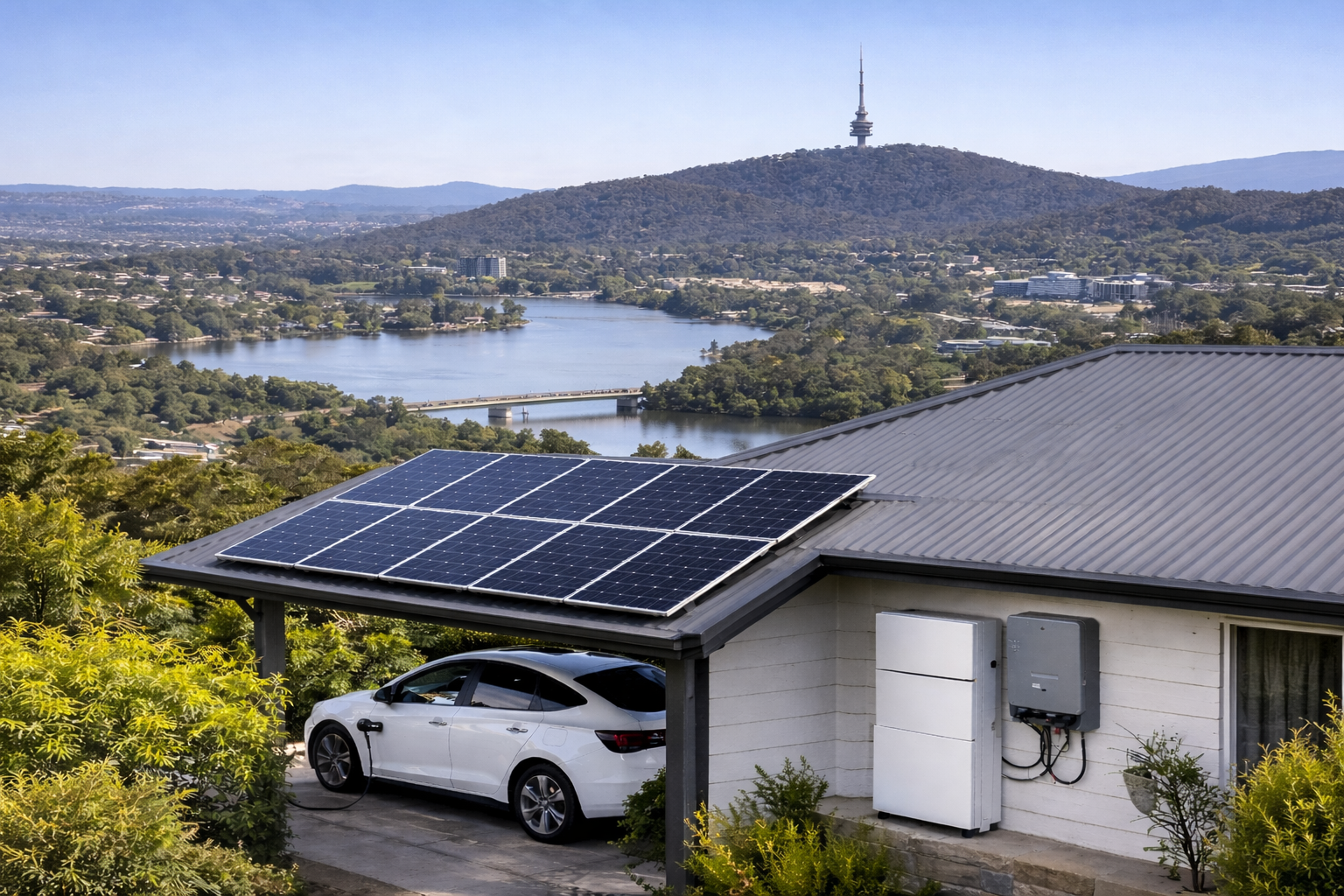
Many homes across suburbs such as Gungahlin, Belconnen and Tuggeranong are well suited for solar panel installation in Canberra ACT, thanks to large roof areas and strong sun exposure
This allows installers to design larger systems that maximise energy production throughout the day.
Roof materials also support solar installation. Many Canberra homes use concrete tile or metal roofing, both of which can support reliable solar mounting systems when installed correctly.
As electrification increases, many households are installing systems larger than the traditional 6.6 kW configuration. Systems between 8 kW and 13 kW are becoming increasingly common for homes planning future electricity demand from electric vehicles or heat pump hot water systems.
Electricity Prices Encourage Solar Self Generation
Electricity prices in the ACT have increased steadily over the past decade. As energy costs rise, more households are turning to solar panels to produce their own electricity.
Solar systems allow homes to generate power during daylight hours rather than importing electricity from the grid.
When solar generation exceeds household demand, the surplus electricity can be exported or stored in a battery.
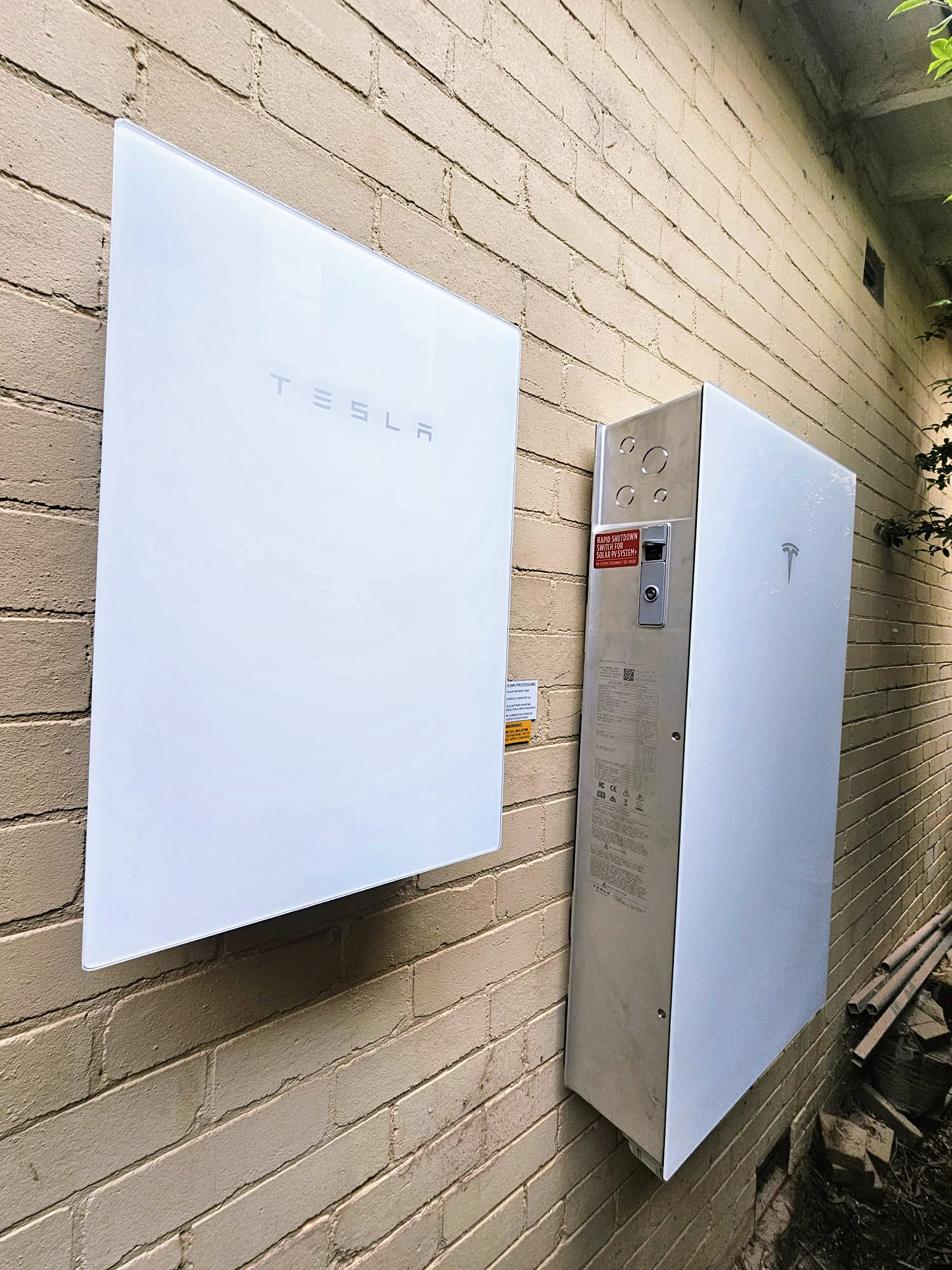
Installing a Canberra solar battery system allows homeowners to store excess solar energy and use it later in the evening when electricity demand is typically higher.
Some households also explore financing programs and incentives that support electrification upgrades. Our ACT solar rebate and battery incentives guide explains how these programs work in practice.
Electrification Is Accelerating Across the ACT
Another factor driving the growth of solar panels and batteries in Canberra is the region’s increasing focus on electrification.
Many households are moving away from gas appliances and replacing them with electric alternatives.
Common electrification upgrades include:
- Heat pump hot water systems
- Reverse cycle air conditioning
- Induction cooking
- Electric vehicles
- Home EV charging systems
These changes increase electricity consumption, but they also create opportunities to power homes using rooftop solar.
For example, a solar system can help supply electricity for daytime EV charging or heating loads. When combined with a battery, excess solar generation can also support evening household demand.
This shift toward fully electric homes is one of the key reasons solar adoption continues to grow across the ACT.
Why Solar Batteries Are Increasingly Popular in Canberra
Solar batteries are becoming an important addition to many Canberra solar systems.
During sunny days, rooftop solar panels often generate more electricity than a household can immediately use. Without a battery, this energy is usually exported to the grid.
A battery allows households to store surplus solar energy and use it later in the evening.
Benefits of installing a solar battery in Canberra include:
- Higher self consumption of solar energy
- Reduced reliance on grid electricity during evening hours
- Greater control over household energy usage
- Potential backup power capability depending on system configuration
As Canberra households install larger solar systems and increase electricity usage through electrification, batteries can help manage how that solar energy is used throughout the day.
Solar Export Limits and Grid Conditions in the ACT
Like many regions with high rooftop solar adoption, parts of the ACT electricity network are experiencing periods of high daytime solar generation.
When many homes export electricity at the same time, local network infrastructure can experience voltage rise or export limitations.
In some areas, new solar systems may have export limits depending on network capacity.
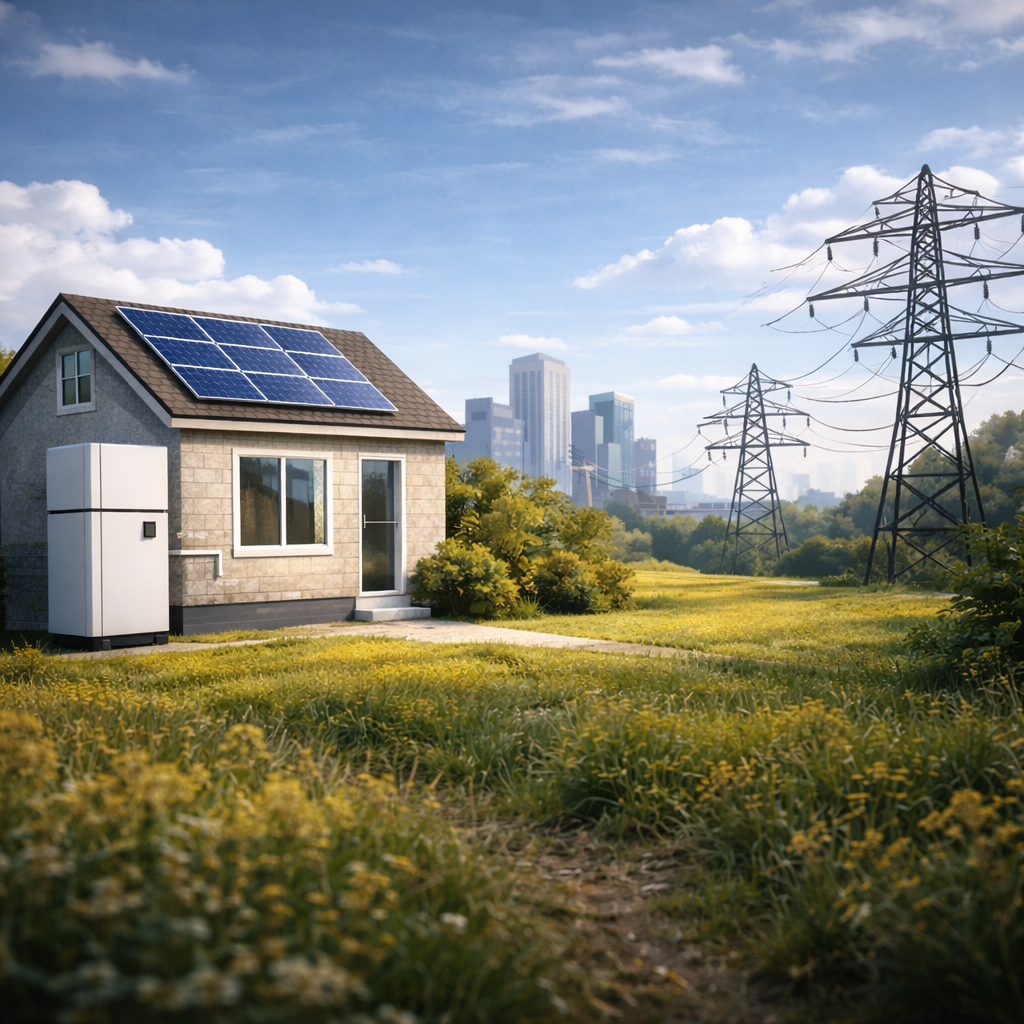
Solar battery systems can help address this issue by storing excess solar energy within the home rather than exporting it to the grid.
This improves solar self consumption and reduces dependence on export payments, which can change over time.
For households installing larger solar systems, battery storage is becoming an important part of managing solar energy effectively.
Designing Solar Systems for Canberra Homes
Choosing the right system size is important. A detailed solar system size guide for Australian homes explains how electricity usage, roof space and electrification plans influence system design.
Important design factors include:
- Roof orientation and tilt
- Shading from nearby trees or buildings
- Panel layout and system size
- Inverter selection
- Future battery integration
- Electrical capacity for EV charging or heating systems
Winter sun angles in Canberra are lower than in northern parts of Australia. This means roof orientation and shading can have a greater influence on winter solar production.
Modern inverter systems from manufacturers such as Fronius, GoodWe, Sungrow, Enphase and FoxESS allow homeowners to monitor solar generation, manage battery usage and track household energy consumption.
These systems make it easier to optimise how solar energy is used throughout the home.
Decarby Solar’s Experience with Canberra Solar Installations
At Decarby Solar, many solar installation projects involve helping Canberra homeowners plan systems that support long term electrification.
Across the ACT, households are increasingly preparing for electric vehicles, heat pump hot water systems and higher electricity consumption from fully electric homes.
Designing solar systems with future demand in mind often means installing larger systems and selecting inverter platforms that allow battery integration later.
Solar projects in Canberra commonly involve:
- Designing solar systems around complex roof layouts
- Managing winter shading from nearby trees
- Preparing systems for future solar battery installation
- Allowing electrical capacity for EV charging infrastructure
This approach helps ensure that a solar system installed today can support the home’s energy needs well into the future.
The Future of Solar and Battery Systems in Canberra
Canberra is expected to remain one of Australia’s strongest regions for solar adoption.
Several long term trends are supporting continued growth:
- Increasing electrification of homes and transport
- Rising electricity costs
- Improvements in battery technology
- Smart energy management systems
- Continued interest in reducing household emissions
For many households in the ACT, solar panels are becoming the foundation of a broader home energy system that includes batteries, electric vehicles and efficient electric appliances.
As technology continues to evolve, the integration of solar generation, battery storage and electrified homes will continue to shape how Canberra households produce and manage their electricity.
FAQ About Solar in Canberra