Do Solar Panels Work in Winter? (Australia)
Do solar panels still produce enough electricity in winter? Learn how solar performance in Australia changes between summer and winter and what homeowners can expect.

Yes. Solar panels in Australia still generate significant electricity during winter. Most systems produce around 30–60% less energy than summer, but they continue producing power every day as long as sunlight reaches the panels.
However, most solar systems produce around 30 to 60 percent less energy in winter compared with summer. The main reason is not cold weather. Instead, it comes down to shorter daylight hours and lower sun angles.
On a clear winter day, solar panels can still generate a significant amount of electricity. In fact, cooler temperatures can sometimes help panels operate more efficiently than during extreme summer heat.
For homeowners wondering about solar performance in winter in Australia, the key point is that solar systems continue producing energy year-round. Winter generation is lower than summer, but it rarely drops to zero unless the weather is extremely cloudy.
Solar output changes because solar radiation levels vary throughout the year. The difference between summer and winter solar output is mostly caused by changes in sunlight availability rather than temperature.
Several seasonal factors influence solar generation.
The biggest factor is simply the number of daylight hours available.
In summer, many parts of Australia receive around 14 to 15 hours of daylight. During winter this can drop to 9 to 10 hours.
Average sunshine hours in Australia (Bureau of Meteorology)
That means solar panels simply have fewer hours to generate electricity.

Even if sunlight intensity remained the same, this difference alone reduces winter solar generation.
During winter the sun sits lower in the sky.
This means sunlight reaches solar panels at a shallower angle compared with summer. Panels still produce electricity, but they receive less direct radiation during the middle of the day.
This change in solar angle is one of the biggest contributors to reduced solar performance winter Australia.
Cloud cover also plays a role.
Southern regions of Australia often experience:
These conditions reduce the total amount of sunlight reaching the panels.
However, even on cloudy days solar panels still generate electricity, just at reduced levels.
Solar generation varies depending on system size and location. However, a typical Australian residential system can still produce useful energy during winter. Search your area
For example, a 6.6 kW solar system, one of the most common sizes installed in Australia, may produce roughly:
SeasonAverage daily generationSummer25–35 kWhWinter10–18 kWh
The exact numbers depend on:
Even during winter, 10 to 18 kWh per day can cover a large portion of daytime electricity demand for many households, particularly those using appliances during daylight hours.
A common misconception is that solar panels perform poorly in cold weather.
In reality, photovoltaic cells often operate more efficiently in cooler temperatures.
Solar panels are tested under Standard Test Conditions, which assume a cell temperature of 25°C.
When rooftop panels heat up during summer, their internal temperature can exceed 60°C. At those temperatures, electrical efficiency drops slightly.
During cooler winter conditions, panels typically operate closer to their ideal temperature range.
This means cold weather itself does not reduce solar panel performance. The main limitation in winter is reduced sunlight hours, not temperature.
You can reference panel specs: solar panel efficiency and temperature coefficients
Solar batteries store excess electricity generated during the day so it can be used later in the evening.
Because solar production changes with the seasons, battery behaviour also shifts between summer and winter.
During summer:
Once the battery is full, any additional solar electricity is usually exported to the grid.
Winter conditions change how batteries operate.
Because solar production is lower:
This does not mean the battery performs poorly. It simply reflects the lower amount of solar energy available during the day.
During extended cloudy periods in winter, some batteries may not reach full charge each day, particularly in homes with high evening electricity demand.
However, even partial charging can still reduce grid electricity use during evening hours.
Seasonal solar performance is only part of the picture. Household electricity demand also changes during colder months.
Many homes use more electricity in winter due to:
This combination of higher energy demand and lower solar generation is why some homes import more electricity from the grid during winter.
Understanding this pattern helps homeowners interpret changes in their solar production data.
Australia has strong solar resources compared with many parts of the world (See Australia’s renewable energy resources).
A well-designed solar system takes seasonal variation into account from the beginning.
Installers usually estimate annual generation, not just summer output.
Several design choices influence winter performance.
These include:
For example, panels installed at slightly steeper tilt angles may capture more winter sunlight when the sun sits lower in the sky.
System size also plays a role. Larger systems can generate enough energy in winter to offset the seasonal drop in production.
When planning solar installations, Decarby Solar focuses on achieving reliable performance across all seasons rather than only optimising summer output.
Every household has different energy usage patterns, roof layouts, and battery requirements. These factors influence how the system performs during winter months.
Decarby Solar works with clients to design systems that suit their long-term energy needs. In some cases this means increasing system capacity so winter generation remains meaningful. In others it involves adjusting panel placement or battery size to balance solar production and household demand.
Designing a system that performs well in winter often means considering panel orientation, system size, and household energy use rather than focusing only on peak summer production.
Although seasonal changes cannot be avoided, several practical steps can help maximise winter solar output.
Dust, leaves, and debris can reduce the amount of sunlight reaching the panels.
Occasional cleaning can improve system performance, particularly in areas with heavy dust or pollen.
Running appliances during the day allows households to use solar electricity directly.
Common daytime loads include:
Using energy during daylight hours can increase the value of solar production during winter.
Most modern solar systems include monitoring apps that track generation.
Checking system performance occasionally can help identify issues such as shading, inverter faults, or unexpected drops in output.
Solar panels do produce less electricity in winter, but they still generate useful energy for most households.
In Australia, a properly sized system can continue producing 10 to 18 kWh per day during winter, even with shorter daylight hours.
The key difference between seasons is not temperature but sunlight availability.
Over a full year, higher summer production usually balances the lower winter generation. This is why solar installers calculate annual output rather than focusing on one season.
For homeowners evaluating solar energy, understanding solar performance winter Australia helps set realistic expectations and ensures systems are designed for long-term, year-round performance.
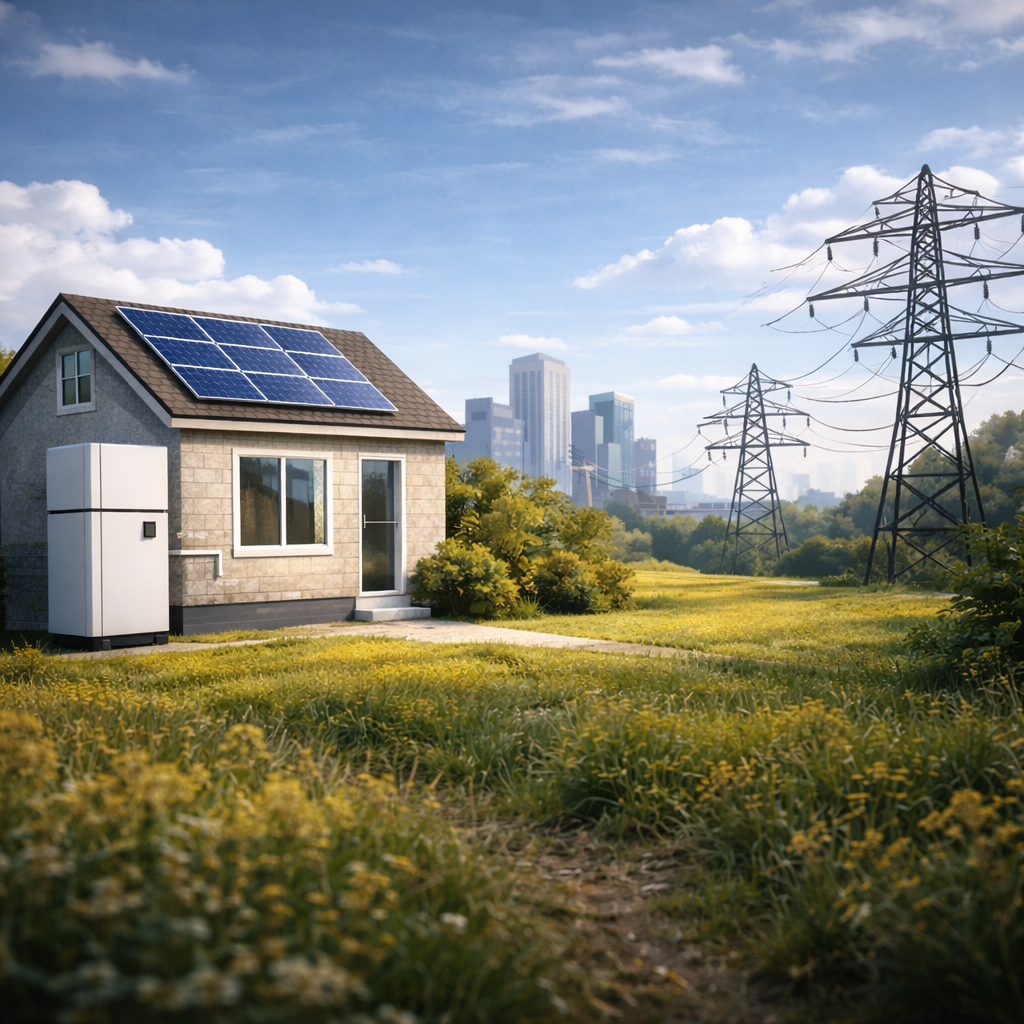
As home battery adoption grows across Australia, more households are being invited to join Virtual Power Plant programs. These programs allow thousands of home batteries to work together and support the electricity grid.
While the concept is appealing, many homeowners have the same concern.
Will joining a Virtual Power Plant reduce the lifespan of your battery?
The honest answer is that VPP participation can increase how often a battery charges and discharges in modern home solar battery systems. However, modern home batteries are designed to handle thousands of cycles over their lifetime. In most cases, the additional usage created by VPP programs represents only a small portion of the battery’s total design capacity.
Understanding how VPP programs operate and how batteries are engineered helps explain why the impact on battery lifespan is often smaller than many people expect.
A Virtual Power Plant (VPP) connects large numbers of home batteries into a coordinated energy network. Instead of operating completely independently, participating batteries can be controlled by a central platform that helps balance supply and demand on the electricity grid.
When electricity demand rises, the VPP operator may draw small amounts of energy from participating batteries. When renewable generation is strong or demand falls, batteries may recharge.
From the grid’s perspective, this network of distributed batteries behaves like a large power station. The difference is that the energy storage is spread across thousands of homes rather than located at a single facility.
For homeowners, joining a VPP can provide benefits such as:
However, participating batteries may cycle more frequently than systems that operate only for household energy use.
Battery lifespan is usually measured in charge and discharge cycles.
Homeowners considering battery storage can review the Clean Energy Council household battery storage guide for additional information.
A cycle represents the use of the battery’s stored energy. For example, discharging half the battery twice in one day is roughly equivalent to one full cycle.
Modern lithium battery systems used in Australian homes are typically installed as part of a solar and battery system designed to operate for thousands of cycles before their capacity gradually declines.
Typical expectations include:
Battery management systems also play an important role. These systems monitor temperature, charge levels, and power flow to ensure the battery operates within safe limits.
As a result, the battery rarely uses its full theoretical capacity, which helps extend long term durability.
A home battery that is not connected to a VPP normally follows a simple pattern.
Solar energy produced during the day charges the battery, and the stored energy powers the home in the evening when solar generation drops.
Once a battery joins a Virtual Power Plant, it may occasionally perform additional tasks such as:
This additional activity increases the number of charge and discharge cycles the battery performs each year.
However, most VPP programs are designed to avoid heavy battery use. Operators typically limit how much of the battery capacity they access so households still retain energy for normal use.
In many cases, only a portion of the battery is used during VPP events.
For most modern battery systems, the impact of VPP participation on lifespan is generally moderate rather than severe.
Several technical factors influence how batteries handle VPP operation.
Advanced home battery systems are built to operate in demanding conditions. Products such as the Tesla Powerwall, Sungrow battery systems, SigEnergy batteries, and Enphase batteries include sophisticated battery management software that protects the cells from excessive stress.
This software controls charging speeds, temperature management, and operating limits.
These protections help ensure the battery continues operating reliably even when participating in grid services.
Not all Virtual Power Plants operate the same way.
Some programs only activate during occasional peak demand events, while others may use batteries more frequently for grid balancing.
The number of additional cycles created each year depends heavily on how the program is designed.
Battery wear is influenced not only by the number of cycles but also by how deeply the battery is discharged.
Many VPP programs limit how much energy they draw from the battery during an event. Partial cycling tends to place less stress on battery cells compared with full discharges.
Battery warranties are typically based on expected usage levels over time.
Manufacturers usually define warranty conditions using measures such as:
Many modern batteries are specifically designed to participate in grid services like Virtual Power Plants.
Before joining a VPP program, homeowners should check:
Most reputable VPP programs operate within manufacturer guidelines to avoid creating warranty conflicts.
Although VPP participation increases battery activity, it can also deliver benefits for both households and the electricity system.
Possible advantages include:
For some households, these incentives can offset the additional battery cycling that occurs through VPP participation.
Battery lifespan is influenced by several technical factors beyond VPP participation.
Important considerations include:
A battery installed in a well designed solar energy system will generally perform more consistently over the long term.
Decarby Solar designs solar and battery systems with long term performance as the priority, including situations where homeowners may choose to participate in a Virtual Power Plant.
Battery selection and system sizing are based on detailed analysis of household energy usage, solar production patterns, and future electrification plans. This ensures the battery continues to support everyday household energy needs even if grid participation is enabled later.
When customers are considering a VPP, Decarby Solar reviews factors such as battery compatibility, inverter capability, and program operating conditions. This helps homeowners understand how participation may affect battery cycling, system performance, and long term reliability.
The goal is to ensure the battery system remains flexible, durable, and capable of supporting both household energy independence and potential grid services.
Joining a Virtual Power Plant can be beneficial for some households, but it is not the right choice in every situation. Homeowners should first understand how Virtual Power Plant programs in Australia operate.
Homeowners should consider several factors before enrolling in a program:
Understanding these factors helps homeowners decide whether VPP participation aligns with their energy goals.
Virtual Power Plants do increase battery activity, but modern home battery systems are designed for high cycle operation.
In many situations, the additional cycling introduced by VPP participation represents only a small fraction of the battery’s expected operating life. The real impact depends on the battery technology, the design of the VPP program, and the configuration of the solar and battery system.
For homeowners considering battery storage, the most important step is ensuring the system is designed for long term performance. When the system is properly sized and configured, it can support both household energy needs and grid participation without significantly compromising battery lifespan.

If you own a solar battery, chances are you have already been approached about joining a virtual power plant.
The offer usually sounds appealing. Share some of your stored energy, receive credits or payments, and help stabilise the grid.
But what are the real VPP pros and cons?
In practical terms:
Whether participation is worthwhile depends on how your system is designed, how you use energy at home, and how comfortable you are with structured energy programs.
This guide examines the genuine advantages and disadvantages of joining a virtual power plant in Australia, without hype or marketing gloss.
A virtual power plant, commonly called a VPP, is a digitally coordinated network of distributed energy systems, most often home batteries connected to rooftop solar.
Instead of building a new physical generator, VPP software links hundreds or thousands of residential batteries together. During periods of high electricity demand, price volatility, or grid stress within the National Electricity Market, the operator can discharge small amounts of stored energy from participating homes.
In most cases, participation requires:
You still own your battery. You still use it daily. However, during certain dispatch events, part of its stored energy can be exported under the control of the VPP platform.
That shared control is central to understanding the pros and cons.
The most common reason homeowners explore VPP participation is financial.
A battery system already provides value through:
A VPP can add another revenue layer. Depending on the program, this may include:
In some circumstances, this additional value can improve the overall return on investment of a battery system.
However, outcomes are highly variable. Financial performance depends on:
A VPP can enhance battery value, but it rarely transforms the economics entirely on its own.
Australia’s electricity grid is in transition. Coal-fired generation is gradually retiring, while rooftop solar penetration continues to grow.
This creates structural challenges:
When thousands of residential batteries discharge together during peak events, they can provide:
While one household makes a small contribution, aggregated battery fleets can provide substantial grid services.
For some homeowners, that broader environmental and system benefit is a genuine motivation.
Without a battery, excess solar is exported immediately to the grid. Feed-in tariff rates are often modest and not reflective of peak demand value.
With a battery, stored energy becomes dispatchable. It can be:
A VPP enables structured export based on grid needs rather than simple real-time surplus. In favourable market conditions, this can produce higher value than passive feed-in arrangements.
This is not guaranteed, but it introduces a more strategic layer to energy export.
Some state programs and electricity retailers offer incentives tied to VPP participation.
These may include:
Some federal renewable incentives operate under the Small-scale Renewable Energy Scheme, although battery incentives vary by state.
Incentives often involve:
The financial incentive may be attractive, but flexibility can be reduced.
As households move away from gas and petrol, electricity demand patterns change.
Homes installing:
require more dynamic energy management.
A well-sized battery can support:
When system design is thoughtful from the outset, VPP participation can complement broader electrification strategies.
When you join a VPP, part of your battery capacity may be dispatched during eligible events.
Most programs maintain a minimum reserve level to protect household usage. However, the operator determines dispatch timing.
For homeowners who prioritise maximum autonomy and full control of stored energy, this can feel restrictive.
If energy independence is your primary goal, shared control may not align with your preferences.
One of the most frequent concerns is whether VPP participation damages batteries.
Modern lithium battery systems are designed for regular cycling and are typically rated for thousands of charge-discharge cycles over their warranty period.
However, additional dispatch events can increase annual cycle count.
Potential impacts include:
Whether this is material depends on:
Reputable programs generally operate within approved parameters, but homeowners should confirm warranty compatibility before enrolling.
Many VPP programs involve structured agreements that may include:
This can limit your ability to:
The value of participation should be weighed against the cost of reduced flexibility.
VPP income is not fixed.
Payments may vary depending on:
Some years may deliver stronger returns than others. Financial projections often assume favourable market conditions.
Real-world outcomes may be more modest.
Not all solar and battery systems qualify for every VPP.
Eligibility can depend on:
Battery systems commonly used in Australian VPP programs include solutions from Tesla, Sungrow, GoodWe, SigEnergy, Enphase, FoxESS and Anker Solix. Even within these brands, compatibility varies between operators.
In areas with export restrictions, dispatch capacity may also be limited.
Participation suitability should ideally be assessed before installation.
For many homeowners, this is the core question behind researching VPP pros and cons.
The answer is conditional.
Participation tends to make sense when:
It tends to make less sense when:
A battery should justify itself on self-consumption and tariff optimisation first. A VPP should be an enhancement, not the foundation.
Beyond headline pros and cons, there are structural risks.
These include:
Energy markets evolve. A program that appears attractive today may operate differently in several years.
Long-term thinking is essential when signing multi-year agreements.
This summary simplifies the trade-offs, but individual household circumstances vary significantly.
At Decarby Solar, VPP participation is assessed only after system fundamentals are established.
The design process typically includes:
The priority is ensuring the solar and battery system performs strongly on its own.
If VPP participation complements that design and aligns with the homeowner’s long-term goals, it may be considered as an additional layer.
This avoids designing systems around short-term incentives and instead focuses on durability, compliance with Australian standards, and practical performance outcomes.
Virtual power plants are neither a guaranteed windfall nor an inherent risk.
They are structured energy programs with measurable benefits and clear trade-offs.
For households with properly designed solar and battery systems, participation can:
However, reduced control, contractual obligations and variable returns must be carefully evaluated.
The decision should be based on system design, personal priorities and long-term energy planning, not solely on headline incentives.
A virtual power plant can be a useful layer added to a well-designed solar and battery system. It should never replace sound system fundamentals.