Why NSW Homes Are Well Suited to Solar and Battery Systems
New South Wales has become one of the most active solar markets in Australia, and the reasons are fairly practical. Strong solar conditions, rising electricity prices, and changes to how energy is priced have all shifted the equation for homeowners.
For many households, solar is no longer just about reducing daytime electricity costs. The conversation has moved towards solar battery systems in NSW, especially as export limits and lower feed-in tariffs reduce the value of sending energy back to the grid.
At the same time, interest in solar battery rebate programs in NSW is growing, as homeowners look for ways to reduce upfront costs while improving long-term energy outcomes.
The key point is this: NSW is well suited to solar, but the real value comes from how the system is designed and how well it matches the way energy is used in the home.
Why Solar Performs Well in NSW Conditions
NSW has a dependable solar resource across both metropolitan and regional areas. While coastal regions like Sydney experience some cloud cover, annual solar production remains strong enough to support consistent system performance.
Most homes can generate a meaningful portion of their daily electricity needs through rooftop solar alone.
What This Looks Like in Practice
- Reliable solar generation across most of the year
- Strong summer output that aligns with cooling demand
- Consistent annual performance even with seasonal variation
In many NSW homes, system design matters more than perfect orientation. East-west panel layouts are often used to extend generation into the morning and late afternoon, which better matches real household usage.
High Electricity Prices in NSW Are Driving Solar Adoption
Electricity pricing in NSW has shifted significantly over time. Time-of-use tariffs mean that electricity used in the evening can cost substantially more than during the day.
This is where solar starts to make a noticeable difference.
How Solar and Batteries Reduce Energy Costs
- Solar offsets daytime electricity purchases
- Batteries reduce reliance on peak evening tariffs
- Households become less exposed to price increases
Feed-in tariffs are now relatively low in most parts of NSW. In many cases, exported energy is worth only a fraction of what electricity costs to buy later.
This is one of the main reasons why solar battery systems in NSW are becoming more relevant.
Solar Battery Systems in NSW Are Becoming More Practical
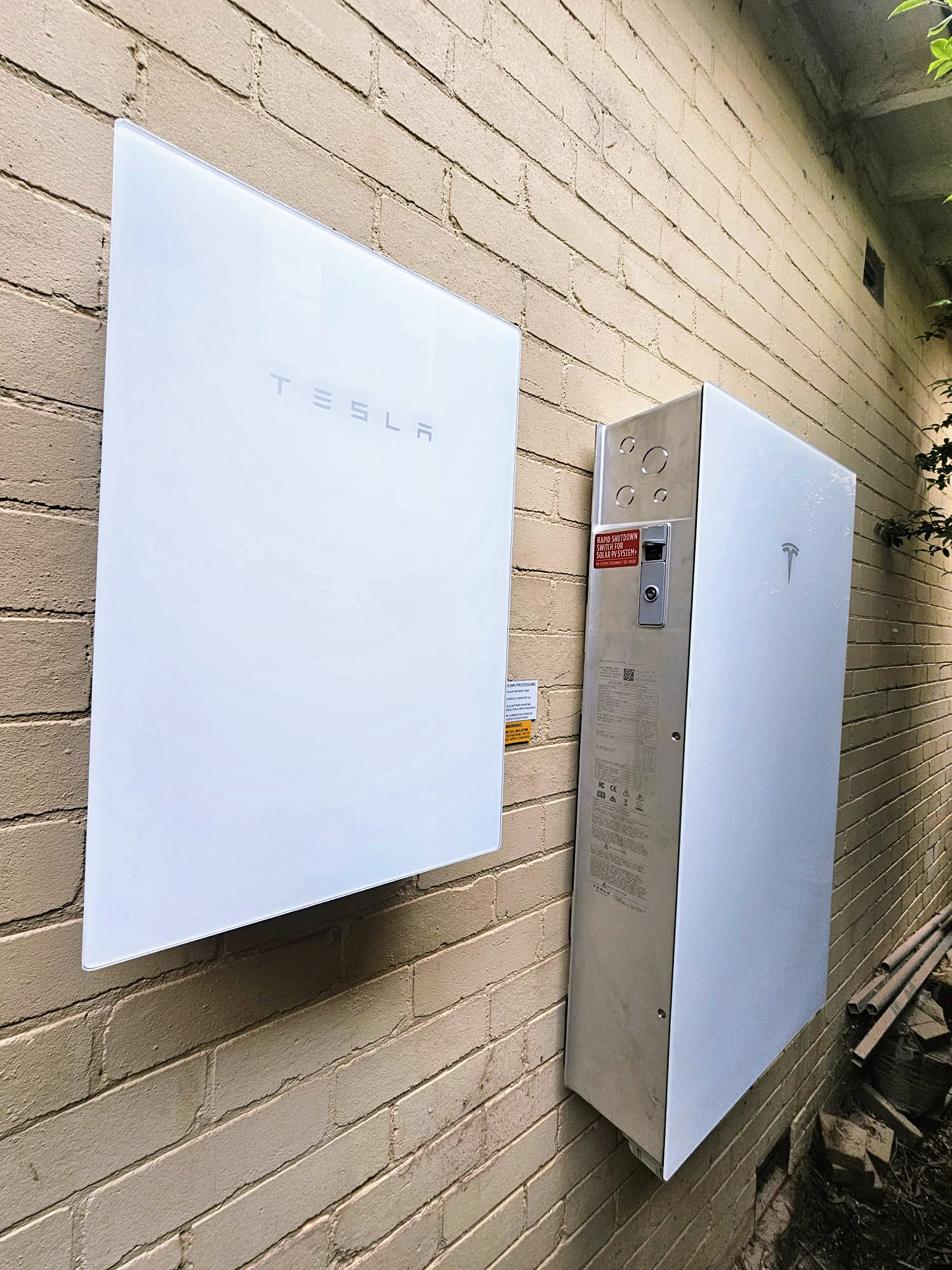
Battery storage changes how solar energy is used. Instead of exporting excess generation during the day, that energy can be stored and used later when electricity prices are higher.
This becomes particularly important in NSW due to both pricing structures and network constraints.
Where Batteries Typically Make Sense
- Homes with higher evening or overnight energy use
- Households running air conditioning into the evening
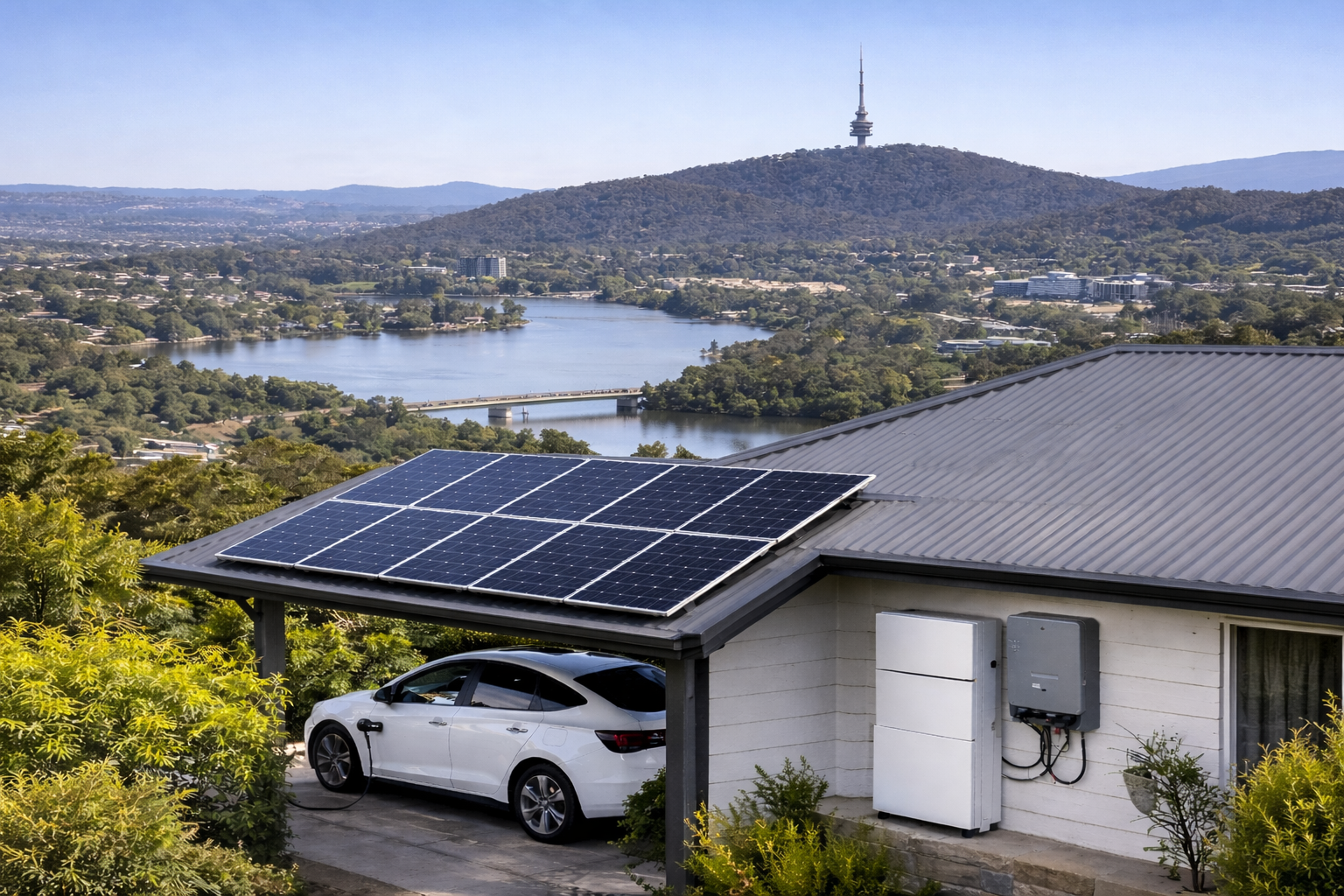
- Electric vehicle charging outside solar hours
- Properties with limited export capacity
Typical Battery Benefits
- Increased use of your own solar energy
- Reduced reliance on the grid during peak periods
- Optional backup capability depending on system design
- Better overall use of generated electricity
In many cases, batteries are less about maximising solar production and more about improving how that energy is used.
Solar Battery Rebates in NSW and What They Actually Mean
Interest in solar battery rebates in NSW has increased as governments look to support energy storage adoption. These programs can reduce upfront costs, but they do not automatically make every battery installation worthwhile.
How Solar Battery Rebates Affect Decisions
- They can lower the initial investment
- They may improve payback in certain scenarios
- They make battery systems more accessible
However, rebates should be treated as a secondary factor. The underlying value of a battery still depends on how much stored energy is used within the home.
In NSW, batteries tend to deliver better outcomes when there is strong evening demand or when export limits reduce the value of excess solar.
NSW Grid Constraints Are Changing System Design
A key factor often overlooked is how local network conditions affect solar performance.
Across NSW, many homes are subject to export limits. A common limit is around 5kW per phase, even if the installed solar system is significantly larger.
What This Means in Practice
- Not all generated solar energy can be exported
- Larger systems may produce more energy than can be used or exported
- Financial returns from exports are reduced
This is one of the main reasons system design has shifted. Instead of focusing purely on system size, there is more emphasis on how energy is consumed or stored.
In this context, solar battery systems in NSW can help retain value that would otherwise be lost through export limitations.
NSW Homes Are Generally Well Suited to Solar Installation
Housing across NSW is typically favourable for solar. Detached homes with usable roof space are common, making it easier to install effective systems.
Common Characteristics of Suitable Homes
- Roof space capable of supporting 6.6kW to 10kW systems or larger
- Roof pitches that allow efficient solar generation
- Lower shading impact in many suburban areas
Older homes can still support solar, although electrical upgrades or roof improvements may be required depending on the condition of the property.
Incentives Play a Role, But They Are Not the Main Driver
Federal incentives such as Small-scale Technology Certificates continue to reduce the upfront cost of solar. These are generally already included in system pricing.
At a state level, solar battery rebate programs in NSW may be available, although eligibility and structure can change over time.
Practical Perspective on Incentives
- They can improve upfront affordability
- They should not determine whether a system is installed
- Long-term performance matters more than short-term savings
With feed-in tariffs continuing to decline, the focus has shifted towards using energy within the home rather than exporting it.
Electrification Is Increasing the Value of Solar and Batteries
Energy use in NSW homes is changing. More households are moving towards electric appliances and transport, which increases overall electricity demand.
Common upgrades include:
- Heat pump hot water systems
- Induction cooking
- Reverse cycle air conditioning
- Electric vehicle charging
Why This Changes System Value
- Daytime solar can support appliances and EV charging
- Evening demand increases, making batteries more useful
- Grid reliance becomes more expensive without solar
As homes electrify, the gap between when energy is generated and when it is used becomes more noticeable. Batteries help bridge that gap.
System Design Has a Bigger Impact Than Location
Even with favourable conditions in NSW, system performance is heavily influenced by design decisions.
Two similar homes can see very different outcomes depending on how their systems are configured.
Key Design Considerations
- Panel orientation and layout
- Inverter type and system configuration
- Battery size relative to household demand
- Daily energy usage patterns
It is common to see systems oversized for export in areas with network limits, which reduces their effectiveness. Matching system size to actual usage tends to deliver better long-term results.
Practical Insights from Decarby Solar
Decarby Solar works with NSW homeowners to design systems that reflect how energy is actually used, rather than relying on theoretical production figures.
In many cases, households install larger solar systems expecting strong export returns, only to find that network limits reduce their value. Adjusting system size or integrating battery storage often produces a more balanced outcome.
Homes with strong evening demand, particularly those using air conditioning or charging electric vehicles, tend to benefit more from battery integration than from additional solar capacity alone.
This approach focuses on achieving consistent, practical performance rather than relying on ideal assumptions.
Is a Solar Battery System Worth It in NSW?
The value of a solar battery system in NSW depends on how the home uses energy and what the household is trying to achieve.
Solar Alone May Be Suitable If
- Most electricity is used during the day
- Exporting excess energy is acceptable
- Lower upfront cost is a priority
Solar and Battery Systems May Be Suitable If
- Energy use is higher in the evening
- Reducing grid reliance is a priority
- Backup capability is important
- A solar battery rebate in NSW is available and applicable
Batteries are becoming more relevant in NSW, not because solar is less effective, but because electricity pricing and network conditions have changed.
What Determines a High-Performing Solar System in NSW
Most homes in NSW are already suitable for solar. The difference between an average system and a well-performing one usually comes down to design and usage alignment.
Accurate sizing, understanding when electricity is used, and accounting for export limits will have a greater impact than simply installing more panels.
When these factors are properly aligned, solar and battery systems in NSW can deliver consistent, long-term value, regardless of whether a solar battery rebate is available at the time of installation.